
 Chandra Hamzah
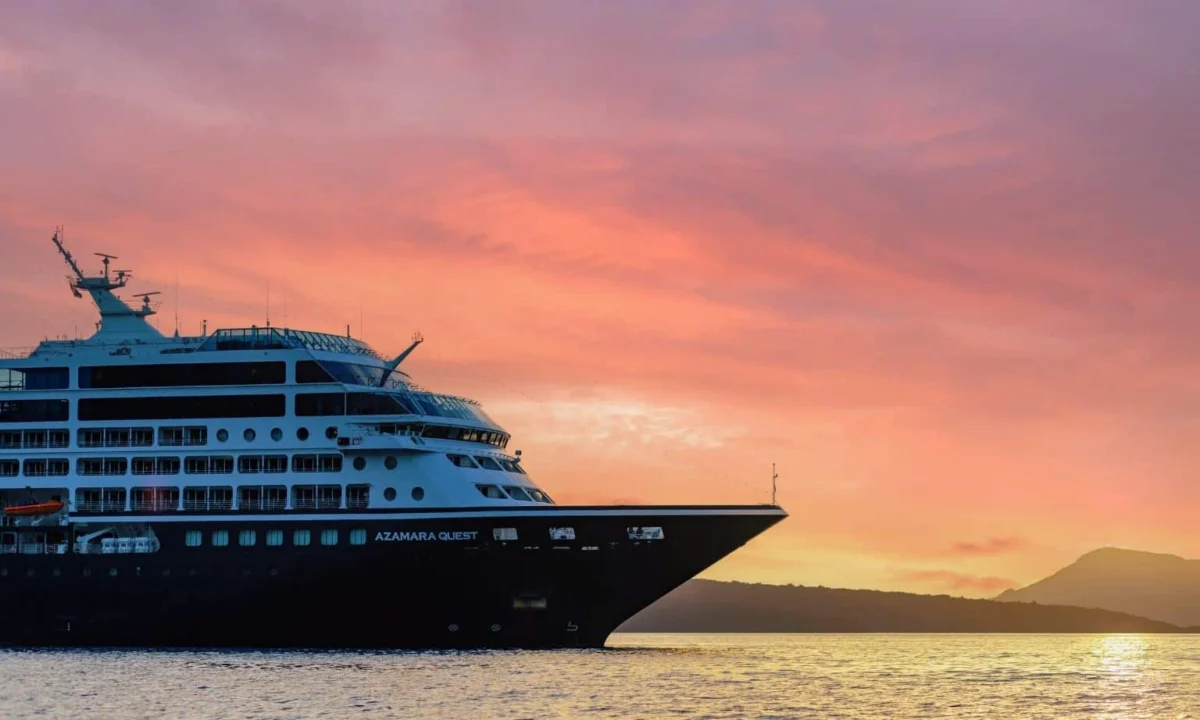
Boutique cruise line Azamara has officially announced a sweeping US$80 million investment initiative aimed at revitalizing its four-ship fleet. This capital infusion represents a significant commitment to maintaining the cruise line’s position in the premium small-ship sector, focusing on hardware upgrades that prioritize guest experience without compromising the intimate atmosphere for which the brand is renowned. David Siewers, the International Chief Sales Officer for Azamara, confirmed that the refurbishment process will commence this November with the Azamara Quest, marking the beginning of a phased modernization program that will eventually touch every vessel in the fleet.
The decision to reinvest in the existing fleet comes at a time when the cruise industry is experiencing a post-pandemic surge in demand for "relaxed luxury." While Azamara maintains long-term aspirations for fleet growth, the current strategic focus is firmly placed on optimizing the existing assets. By enhancing the hardware of the current vessels, the company intends to capture a larger share of the affluent traveler demographic that values destination-immersive experiences over the massive, resort-style amenities found on larger cruise lines.
Engineering Innovation and Structural Upgrades
A central challenge in refurbishing ships with a 700-passenger capacity is the preservation of public space. Unlike larger ships that can accommodate extensive structural modifications, boutique vessels rely on a delicate balance of intimate gathering areas. To navigate this, Azamara’s refurbishment plan includes an engineering feat: the addition of new suites on the uppermost deck of the Azamara Quest.
By constructing these new structures at the top of the vessel, the cruise line ensures that existing interior public spaces—such as the line’s signature cabaret theater and its two specialty restaurants—remain untouched. This design choice is critical to maintaining the operational flow and the specific guest experience that defines the brand. The 28-day dry dock scheduled for November is expected to serve as the blueprint for future upgrades across the remaining ships in the fleet. Once completed, the revamped Azamara Quest is slated to reposition to the Southern Hemisphere, offering the Australian and New Zealand markets a first look at the modernized vessel.
The Australian Market as a Growth Engine
The focus on the Australian and New Zealand markets is not coincidental. According to internal metrics shared by Siewers, the Australian segment has emerged as a powerhouse for the brand, accounting for a significant portion of the company’s 40 percent international booking share. Despite global macroeconomic headwinds, including persistent inflation, volatile fuel prices, and geopolitical instability in the Middle East, the Australian consumer base has displayed remarkable resilience.
Data suggests that Australian travelers are exhibiting a distinct shift in booking behavior, characterized by an increased lead time. A noteworthy indicator of this trend is the 2028 booking cycle, which is reportedly already 70 percent committed. This high volume of advance bookings underscores a growing confidence in the cruise sector and a desire to secure premium inventory well ahead of departure. Europe remains the primary destination for this demographic, but the shifting economic landscape is also driving interest toward alternative, more accessible regions.
Strategic Shift Toward Asian Deployments
While Europe remains the traditional favorite, Azamara has observed a marked pivot in interest toward Asian itineraries. The cruise line has experienced exceptional performance in the Japanese market, which has become a primary beneficiary of changing travel preferences. Several factors contribute to this surge in popularity among Australian cruisers: the relative proximity of the region—often involving flights of nine hours or less—and the favorable exchange rate between the Australian dollar and the Japanese Yen.
The loyalty of the Australian market toward Azamara has provided the company with the confidence to deploy more resources into Asian waters. By positioning ships in Japan and Southeast Asia, Azamara is effectively catering to a demand for "close-to-home" luxury travel that balances the ease of transit with the exotic appeal of regional exploration. This shift aligns with the broader industry trend of regionalization, where cruise lines optimize deployment based on shorter-haul flight paths and currency stability.
Tailored Product Development: The Sydney World Cruise
In a clear signal of the company’s dedication to its Australian clientele, Azamara has introduced a bespoke world cruise departing from Sydney. The 139-night voyage, which concludes in Copenhagen, is specifically designed to eliminate the need for Australian passengers to transit through the United States to join longer, global sailings. This marks the first time in the company’s history that a world cruise product has been architected with the Australian market as the primary point of origin.
The 2029 season will feature three distinct world cruise products, each reflecting a different approach to long-haul travel. Recognizing that the modern luxury traveler often seeks flexibility, Azamara is also offering 14 to 21-night segments. These smaller blocks can be booked independently or combined, providing guests with the autonomy to break up their journey. This modular approach to cruising is designed to facilitate independent land-based travel, allowing guests to disembark, explore a specific region through private tours, and rejoin the ship at a later port of call.
The Rise of Pre- and Post-Cruise Integration
The expansion of the travel experience beyond the ship itself is becoming a core component of Azamara’s value proposition. Market research indicates that Australians are increasingly viewing their cruise as the centerpiece of a larger, extended holiday. In response, Azamara is deepening its investment in curated land tour experiences.
The company is currently diversifying its offerings in regions such as Africa, where the cruise line now provides integrated safari packages. By bundling land-based experiences—ranging from wildlife excursions to cultural tours—with the traditional cruise product, Azamara is positioning itself as a comprehensive travel curator rather than a traditional transportation provider. This strategy not only increases the average spend per passenger but also deepens the emotional connection between the guest and the brand.
Implications and Industry Outlook
The $80 million investment and the targeted expansion into the Australian and Asian markets arrive at a critical juncture for the boutique cruise sector. As large-scale cruise lines continue to compete on sheer size and volume, companies like Azamara are doubling down on the "boutique" narrative, which emphasizes personalized service, longer stays in port, and deeper cultural immersion.
The financial commitment to the fleet serves as a hedge against the aging of luxury assets. By integrating new suite structures and upgrading interior amenities, Azamara is effectively extending the lifecycle of its ships while simultaneously increasing the revenue potential per vessel. Furthermore, the strategic focus on the Australian market—a demographic known for high-value bookings and extended stay requirements—provides a stable revenue stream that offsets the risks associated with the more volatile European and North American markets.
From a market analysis perspective, the success of the 2029 world cruise launch will serve as a bellwether for the brand’s future trajectory. If the bespoke Australian itinerary achieves the anticipated occupancy levels, it is highly probable that the company will look to replicate this "region-first" design model in other emerging markets. As the cruise industry continues to recover and evolve, Azamara’s focus on structural innovation, regional relevance, and service integration appears to be a calculated response to the sophisticated demands of the contemporary traveler.
In summary, the next several years for Azamara will be defined by the successful integration of its upgraded fleet and the execution of its localized global strategy. With the dry dock of the Azamara Quest serving as the catalyst, the cruise line is betting heavily on the fact that luxury travelers will continue to prioritize exclusivity, convenience, and immersive experiences over the mass-market alternatives that dominate the current maritime landscape.


 Diana Nuri Rohmawati

 Gabriela Annisa

 Lukman Taruna Persada Ramadan

 Tatiana Tantri Indah Sari

 Anjar Salim

