Chandra Hamzah

In the main galley of the Grand Princess, Executive Chef Johan Antes is currently overseeing a rigorous operational transformation as his culinary team prepares for the vessel’s upcoming deployment to Australian waters. This transition represents a significant shift for the long-serving ship, requiring a complete recalibration of provisions to meet local tastes and regional expectations. The galley is currently stocked with supplies for traditional Australian staples, including lamingtons and premium lamb, while the crew undergoes specialized training to adapt to the service nuances required for the South Pacific market.

The preparations extend beyond the kitchen. The vessel’s leadership, including Tour Director DuVaul Gamble, has initiated a series of internal assessments to ensure the ship meets the specific standards of the Australian cruise demographic. This operational shift is not merely a logistical change but a strategic move by Princess Cruises to bolster its presence in the Southern Hemisphere, a region that has seen a surge in demand for high-end, destination-intensive travel.
Historical Context and Vessel Profile
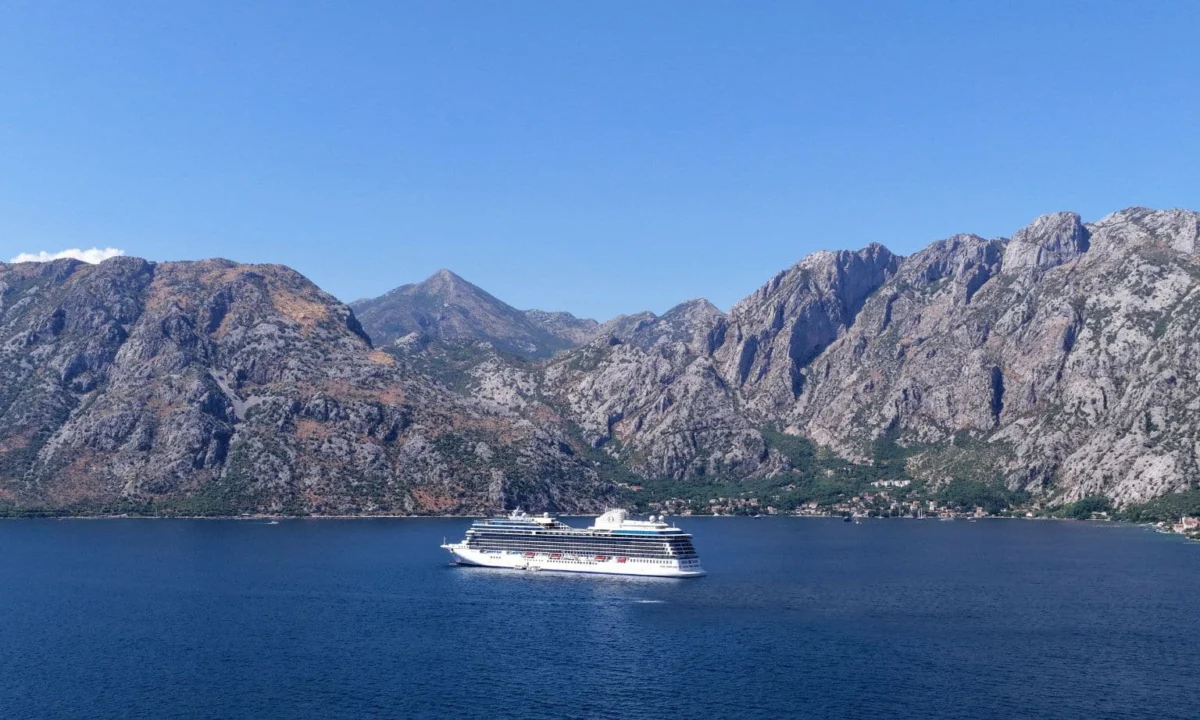
Launched in 1998, the Grand Princess remains a hallmark of the Princess Cruises fleet. With a guest capacity of approximately 2,600, she represents a mid-sized design philosophy that contrasts sharply with the contemporary trend toward "mega-ships." While newer vessels often emphasize massive onboard attractions and high-density passenger layouts, the Grand Princess offers a more traditional maritime experience, defined by extensive promenade decks, classic public rooms, and a layout that prioritizes ease of navigation.

Her move to Australia follows a lengthy and successful deployment in Alaska. During her final Alaskan voyages, the ship facilitated 10-day Denali Explorer itineraries, which combined maritime cruising with land-based lodge experiences. This dual-model approach—integrating sea transit with curated land tours—is expected to be a primary feature of her upcoming Pacific operations, where she will navigate routes through New Zealand, the Great Barrier Reef, and the South Pacific islands.
Comparative Analysis of Fleet Scaling
The positioning of the Grand Princess in the current cruise landscape provides a point of contrast with newer additions to the Princess fleet. In ports such as Juneau, the disparity between the Grand Princess and next-generation vessels like the Star Princess is evident. The latter, with a gross tonnage of approximately 175,000 and a capacity exceeding 4,000 guests, is roughly 20 percent larger.

This difference in scale carries significant implications for the passenger experience. Smaller ships like the Grand Princess generally offer more intimate communal spaces, which appeal to a demographic of mature travelers and experienced cruisers who prefer an unhurried, service-oriented environment. Industry analysts note that while larger ships cater to the demand for "floating resorts" with high-octane amenities, the Grand Princess occupies a vital niche for travelers seeking a more traditional, destination-focused voyage.
Culinary and Service Infrastructure
The dining experience on the Grand Princess is being tailored to maintain the high standards of the Princess brand while incorporating local flavor profiles. The ship features a mix of inclusive and specialty dining options. The main dining rooms serve as the core of the culinary experience, offering traditional, reservable, and walk-in options.

Specialty restaurants, most notably the Crown Grill, provide a high-end steakhouse experience that has become a staple of the line. The integration of Sabatini’s Italian Trattoria further enhances the ship’s profile as a culinary-focused vessel. Feedback from previous sailings indicates that the consistency of service—characterized by attentive, unobtrusive staff—is a primary driver of the ship’s high customer retention rates. The upcoming Australian season will see these menus updated to reflect local sourcing requirements and the inclusion of regional delicacies.
Regional Operational Strategy for 2026-2027
Princess Cruises has announced an ambitious 2026-2027 regional program for the Grand Princess, comprising 12 departures from Brisbane and nine from Sydney. This schedule is designed to maximize the ship’s reach across the South Pacific. Key itineraries include:

- Papua New Guinea Exploration: A 14-night voyage departing Sydney on June 1, 2027, featuring stops in Alotau, the Conflict Islands, and the Great Barrier Reef.
- Melanesian Circuit: A 13-night itinerary covering Fiji, Vanuatu, and New Caledonia, scheduled for March 2027.
- Circle Pacific Voyage: The centerpiece of the program is a 79-night expedition, covering over 23,600 nautical miles and visiting 32 ports across 13 countries.
This strategy reflects a broader trend among major cruise lines to offer longer, more immersive voyages that cater to travelers looking for extended vacations. The inclusion of overnight stays in hubs like Hong Kong and extended late-night port departures in Honolulu and Osaka underscores the shift toward "slow cruising."
Onboard Amenities and Infrastructure
The ship’s infrastructure remains highly functional, with 13 passenger-accessible decks. The architectural layout emphasizes the "Piazza," a multi-level atrium that serves as the ship’s social hub. This area hosts a variety of performances, demonstrations, and dining options, including the International Café, which provides 24-hour service.

For relaxation, the vessel features The Sanctuary, an adults-only retreat that provides a quiet, serviced environment away from the main pool decks. The presence of the "Movies Under the Stars" system ensures that the ship retains modern entertainment capabilities despite its classic design. Furthermore, the inclusion of six self-service laundry facilities across various decks highlights the company’s commitment to supporting guests on the longer, multi-week itineraries that will define the upcoming Australian season.
Technical and Safety Oversight
The Grand Princess continues to adhere to strict international maritime safety standards. The Medical Center, located on the Gala Deck (Deck 4), is fully equipped to handle emergency assessments and routine care. As part of the transition to Australian waters, the ship has undergone a comprehensive review of its mechanical and safety systems to ensure full compliance with regional maritime regulations. This includes the implementation of updated environmental protocols, which are increasingly critical for vessels operating in protected areas such as the Great Barrier Reef.

Economic and Market Implications
The redeployment of the Grand Princess is expected to have a positive economic impact on the regional cruise market. By increasing capacity in the Australian and South Pacific sectors, Princess Cruises is positioning itself to capture a larger share of the growing demand for premium, mid-sized cruise experiences. The decision to base the ship in both Sydney and Brisbane allows for greater flexibility in serving the Australian domestic market, which has historically shown a strong preference for domestic departures.
The long-term viability of this strategy will depend on the ship’s ability to maintain high passenger satisfaction scores, which are currently bolstered by her reputation for comfort and well-maintained public spaces. Observers note that as the fleet ages, the "classic" feel of the Grand Princess serves as a competitive advantage rather than a liability, provided that the maintenance standards remain at the current level.

Conclusion: The Value of Traditional Cruising
The Grand Princess does not attempt to compete with the latest industry innovations in size or technological spectacle. Instead, her appeal lies in the consistency of her service, the reliability of her layout, and her ability to provide an elegant, unhurried atmosphere. For the Australian market, the arrival of the Grand Princess represents a welcome addition of a proven, capable vessel to the regional fleet.
As the ship completes her final preparations in the galley and across her decks, the focus remains on the core tenets of the Princess experience: quality dining, attentive service, and a seamless connection to the destinations visited. For those seeking an alternative to the large-scale resort-style ships that dominate the current market, the Grand Princess offers a sophisticated, balanced, and highly functional option for the upcoming 2026-2027 season and beyond. With the integration of regional culinary influences and a robust schedule of extended voyages, the ship is well-positioned to serve as a cornerstone of the cruise industry in the South Pacific for the foreseeable future.


 Gabriela Annisa
 Lukman Taruna Persada Ramadan

 Tatiana Tantri Indah Sari

 Anjar Salim

 Budi Mulyono