
 Anjar Salim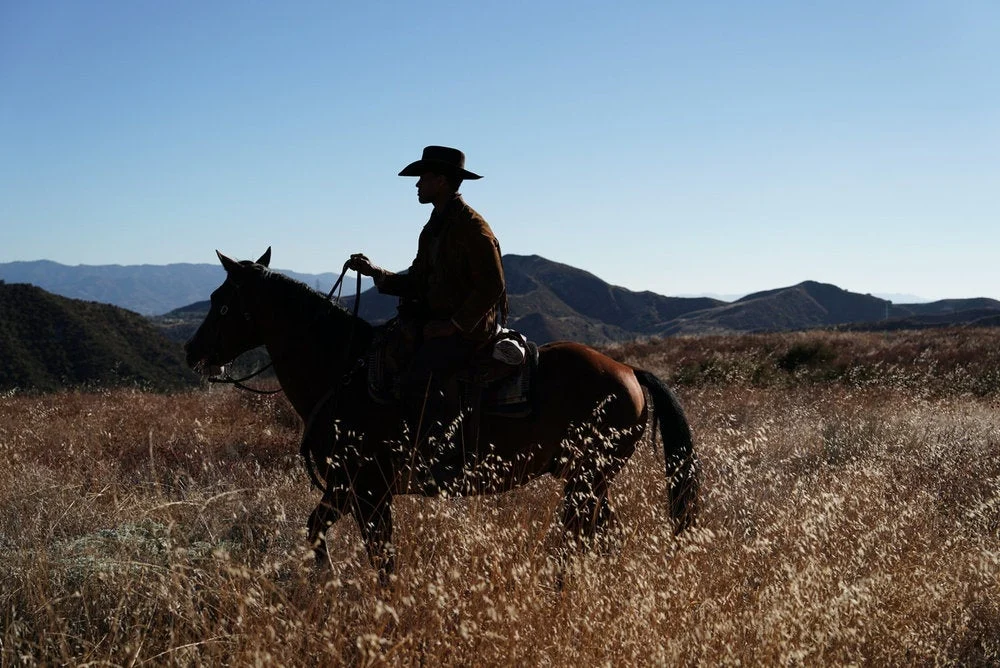
The Kentucky Derby, often dubbed "The Most Exciting Two Minutes in Sports," represents the pinnacle of American thoroughbred racing. Held annually at Churchill Downs since 1875, the event draws a global audience, with recent viewership figures frequently exceeding 14 million on domestic networks. However, the brevity of the race—lasting approximately 120 seconds—often leaves a significant cultural and emotional vacuum for enthusiasts of equestrian sport. This phenomenon has historically driven a surge in the consumption of horse-related media, as audiences seek to sustain the momentum of the Triple Crown season through film and television. The following analysis examines the essential cinematic and televised works that define the equestrian genre, ranging from Golden Age classics to contemporary documentaries and psychological dramas.
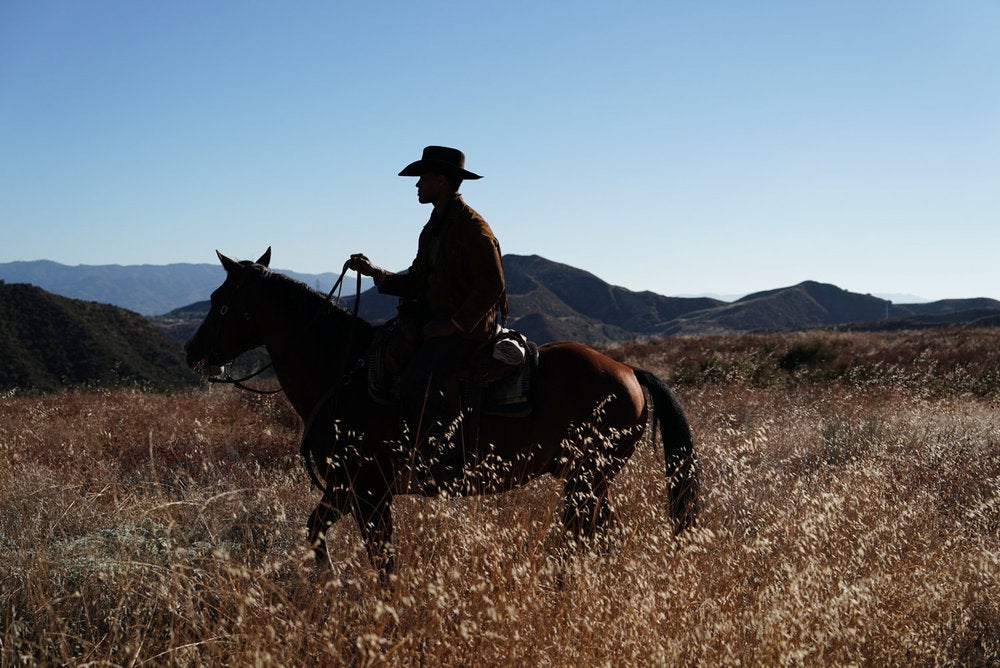
The Evolution of the Equestrian Narrative: Historical Context
The relationship between the horse and the motion picture camera dates back to the very birth of the medium. Eadweard Muybridge’s 1878 photographic study, "The Horse in Motion," was a foundational moment in the development of cinematography. Since that era, the horse has served as a versatile symbol in American media: a tool of the frontier, a vessel for athletic excellence, and a mirror for human ambition and frailty.
In the mid-20th century, Hollywood utilized horse racing as a vehicle for sentimental storytelling and nationalistic pride. As the industry evolved, the focus shifted toward the technical precision of the track, the socio-economic complexities of gambling, and the historical revisionism of the American West.
The Pillars of Equestrian Cinema: Golden Age and Mythmaking
National Velvet (1944)
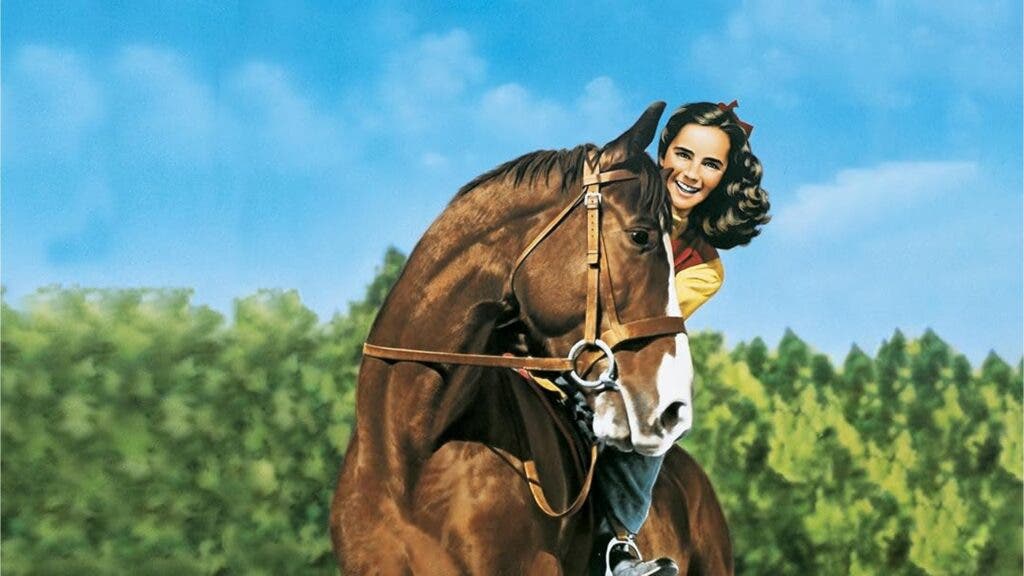
Produced during the height of the studio system, National Velvet remains a benchmark for the "girl and her horse" archetype. Starring a young Elizabeth Taylor and Mickey Rooney, the film tells the story of Velvet Brown, who wins a spirited gelding in a raffle and trains him for the Grand National steeplechase. Beyond its narrative of youthful determination, the film was a significant commercial success for MGM, grossing over $4 million in its initial release—a substantial sum for the mid-1940s. It solidified the horse as a symbol of domestic perseverance during the latter years of World War II.
The Black Stallion (1979)
Directed by Carroll Ballard and executive produced by Francis Ford Coppola, The Black Stallion transitioned the genre from sentimentalism to visual poetry. Based on the 1941 novel by Walter Farley, the film is noted for its first act, which features minimal dialogue and relies on the Academy Award-nominated cinematography of Caleb Deschanel. The film’s portrayal of the bond between a shipwrecked boy and an Arabian stallion is often cited by film historians as one of the most aesthetically significant depictions of animals in cinema.
Seabiscuit (2003)
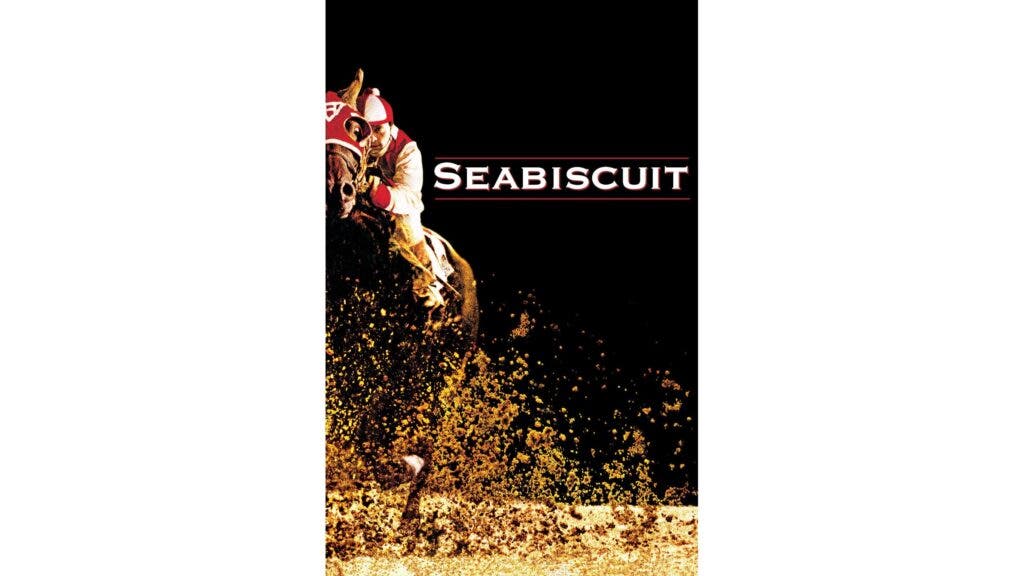
Based on the non-fiction bestseller by Laura Hillenbrand, Seabiscuit serves as both a sports biography and a socio-economic study of the Great Depression. The film stars Tobey Maguire, Jeff Bridges, and Elizabeth Banks, detailing how an undersized, overlooked horse became a symbol of hope for a fractured nation. The production was a critical and commercial powerhouse, earning seven Academy Award nominations and grossing $148.3 million worldwide. Its success demonstrated a continued public appetite for "underdog" narratives within the racing industry.
The Mechanics of the Track: Noir, Heists, and High Stakes
Horse racing is inextricably linked to the industry of gambling, a relationship that filmmakers have explored through the lens of film noir and the "caper" subgenre.
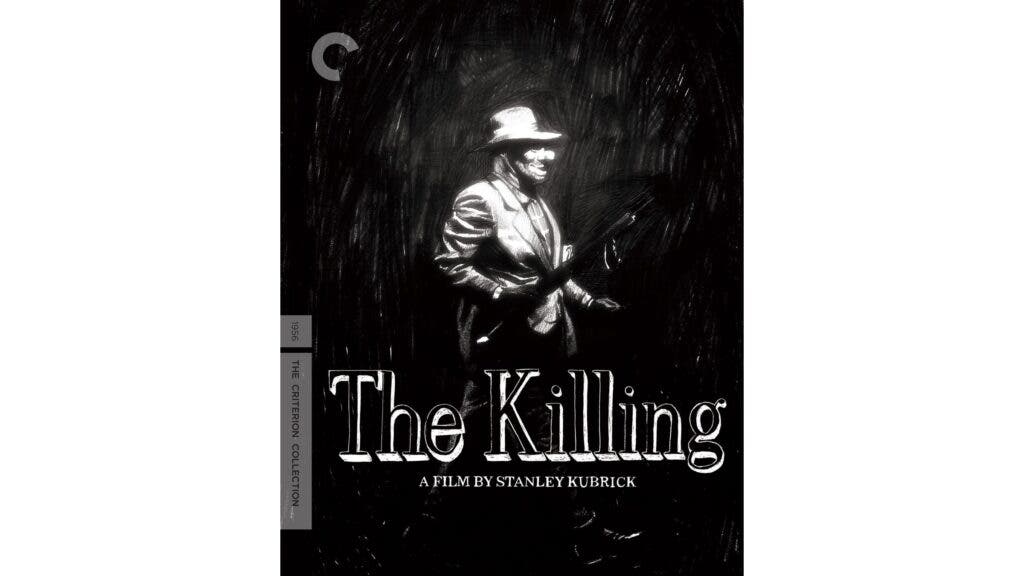
The Killing (1956)
Directed by Stanley Kubrick, The Killing is a meticulous examination of a $2 million racetrack heist. Unlike the romanticized versions of the sport, Kubrick’s film focuses on the cold, analytical nature of the track as a site of financial gain and moral decay. The film’s non-linear structure influenced decades of heist cinema, including the works of Quentin Tarantino. It remains a stark reminder of the "rigged" nature of the gambling underworld.
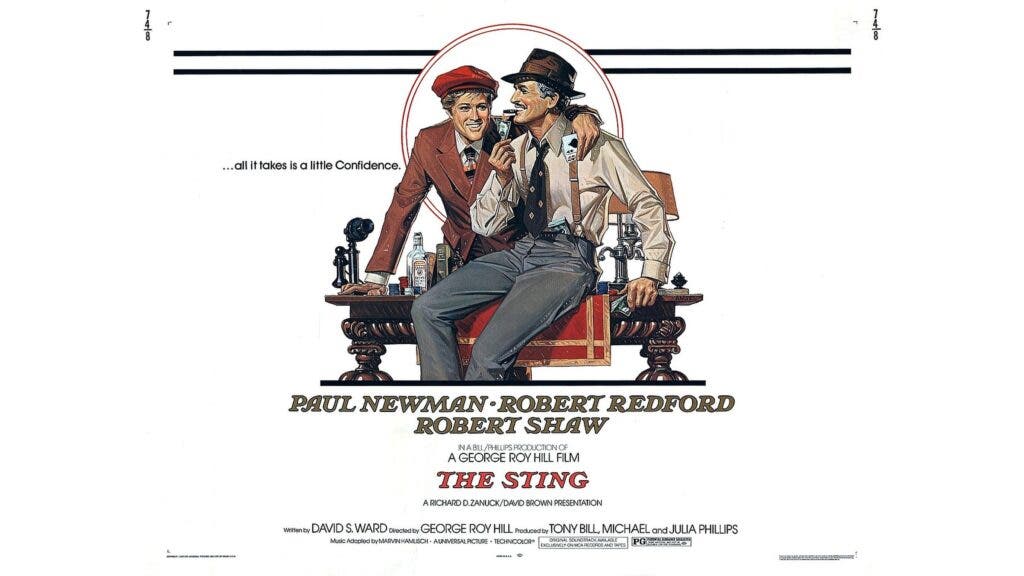
The Sting (1973)
While not exclusively a horse movie, The Sting utilizes the concept of the "off-track betting" (OTB) parlor as the centerpiece of its elaborate con. Starring Paul Newman and Robert Redford, the film won seven Academy Awards, including Best Picture. It highlights the cultural ubiquity of racing bets in 1930s Chicago, where the results of a race—relayed via wire—could determine the fortunes of both honest citizens and career criminals.
Revisionist History and Deep Cuts: Expanding the Equestrian Scope
As the Western genre evolved, filmmakers began to use the horse to explore the end of the American frontier and the transition into the industrial age.
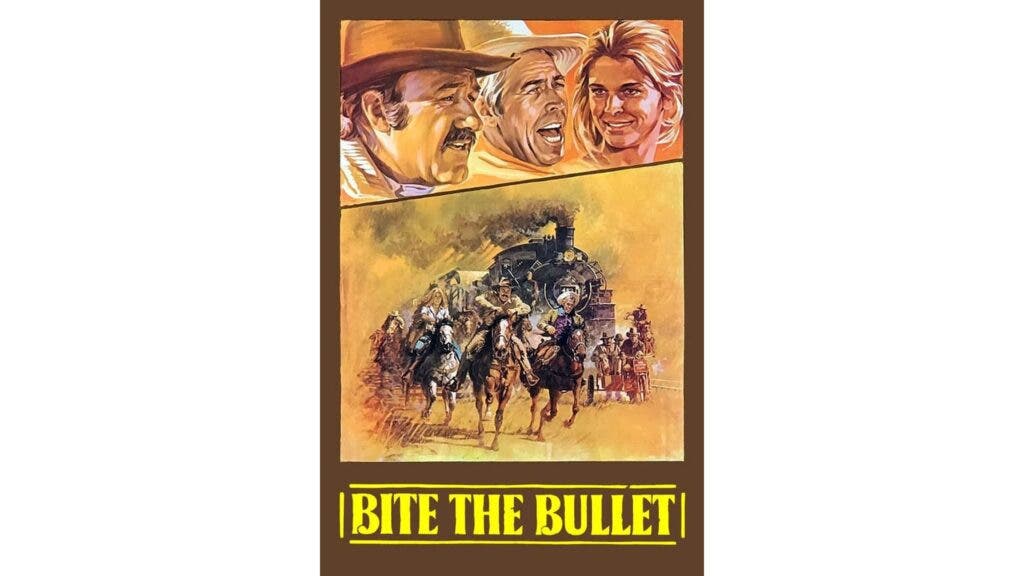
Bite the Bullet (1975)
Set in 1906, Bite the Bullet depicts a 700-mile endurance race across the American West. The film features an ensemble cast including Gene Hackman and James Coburn. It serves as a eulogy for the "Old West," as the characters realize that the horse—once the primary mode of transportation and survival—is being replaced by the railroad and the automobile.
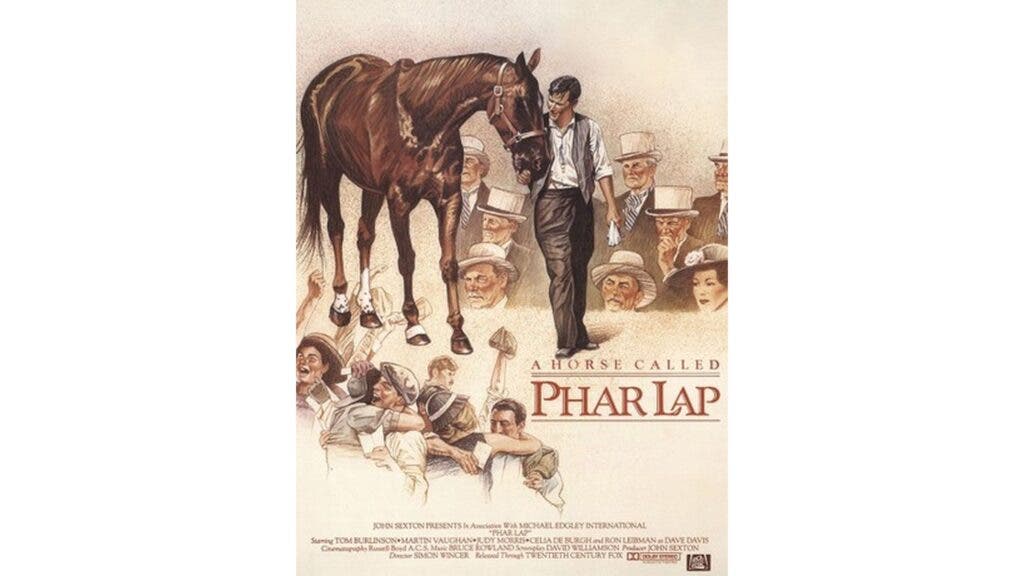
Phar Lap (1983)
Representing the international impact of the sport, the Australian film Phar Lap chronicles the life of the legendary New Zealand-bred thoroughbred who became an icon in Australia during the Great Depression. The film explores the horse’s dominance on the track and his mysterious death in California in 1932. It provides a rare look at the global nature of racing and the political tensions that can arise when a champion travels abroad.
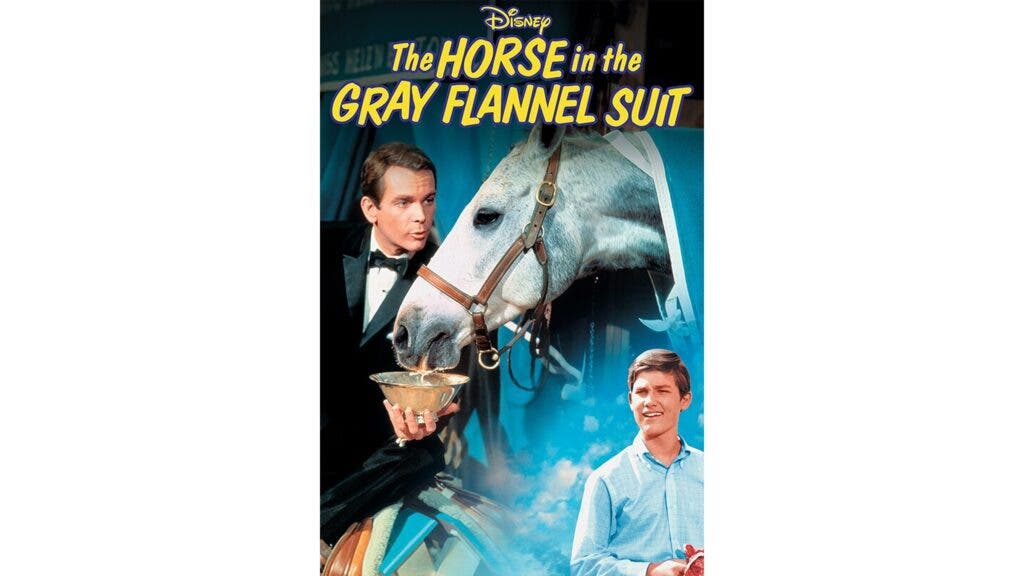
The Horse in the Gray Flannel Suit (1968)
This Walt Disney production offers a satirical look at the intersection of corporate advertising and equestrian sports. Starring Dean Jones and a young Kurt Russell, the film follows an ad executive who attempts to market an indigestion medication by sponsoring a show horse. While lighter in tone, it reflects the 1960s shift toward the commercialization of leisure sports.
Documenting the Reality: Training and Social Impact
In the 21st century, the documentary format has been used to address the psychological and social aspects of horse ownership and the historical erasure of minority contributions to the sport.
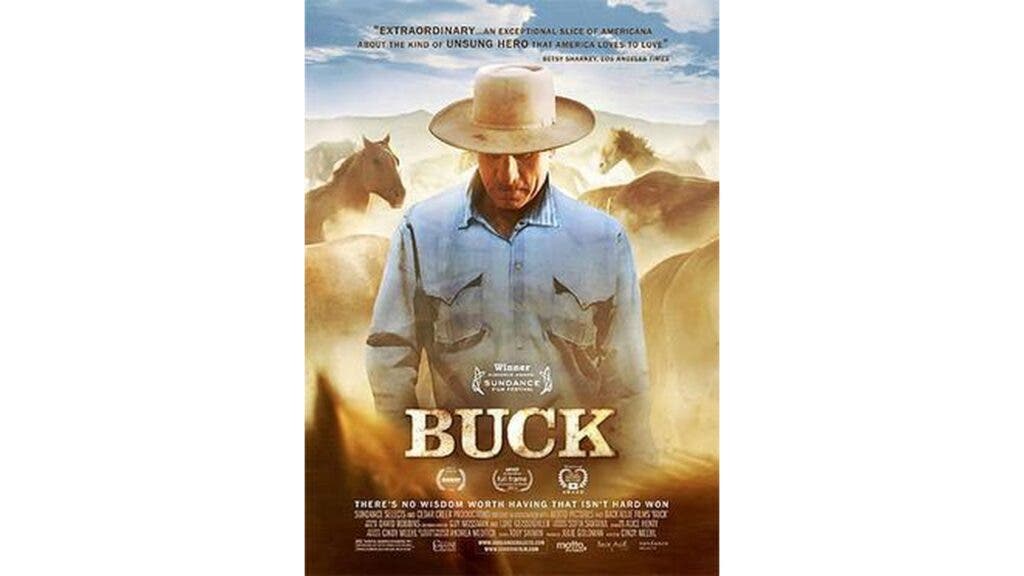
Buck (2011)
This award-winning documentary profiles Buck Brannaman, the real-life inspiration for The Horse Whisperer. The film delves into Brannaman’s philosophy of "natural horsemanship," which eschews traditional, often violent, breaking methods in favor of communication and mutual respect. The film serves as a profound psychological study of how trauma—both human and animal—can be healed through empathy.
High Horse (2025-2026)
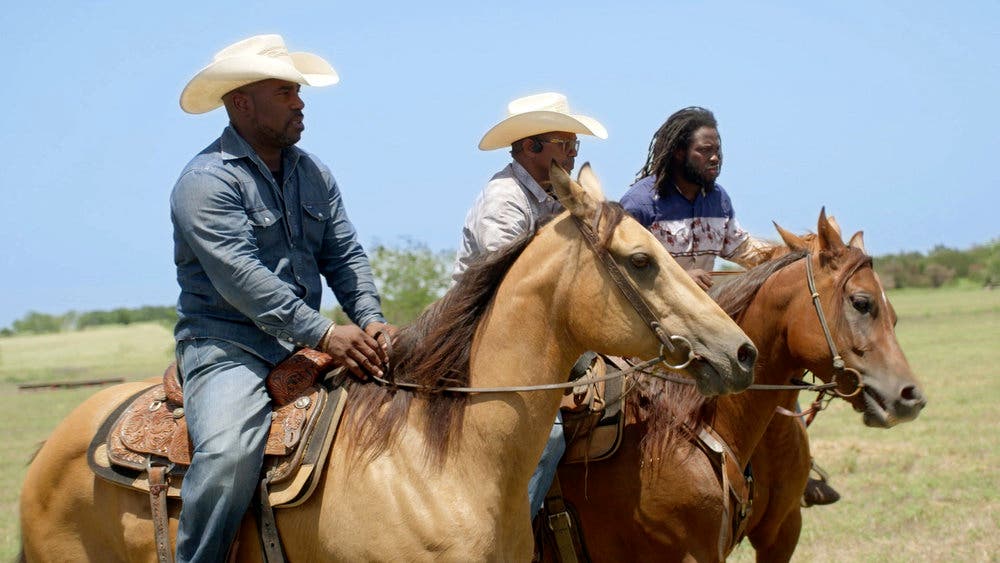
One of the most significant recent additions to equestrian media is the three-part documentary series High Horse. Building on the cultural conversation sparked by films like Jordan Peele’s Nope, the series explores the history of Black cowboys and their foundational role in the American West. Historical data indicates that approximately one in four cowboys in the 19th century was Black, yet this demographic was largely omitted from Hollywood Westerns for nearly a century. High Horse seeks to rectify this narrative by profiling contemporary Black rodeo stars and racing professionals.
The Modern Small Screen: Complexity and Anthropomorphism
Television has allowed for more sustained explorations of the racing world, moving beyond the two-hour limit of feature films.
Luck (2011-2012)
Created by David Milch for HBO and starring Dustin Hoffman, Luck provided a gritty, high-definition look at the trainers, owners, and gamblers at Santa Anita Park. While the series was critically acclaimed for its realism and dialogue, it was canceled after one season following concerns regarding animal safety on set. The controversy surrounding Luck led to increased scrutiny of animal welfare standards in Hollywood productions, a conversation that continues to influence the industry.
BoJack Horseman (2014-2020)
While an animated satire, BoJack Horseman represents perhaps the most complex "equine" character in modern television. The show uses the protagonist—a literal horse-man—to explore themes of depression, fame, and the cyclical nature of self-destruction. Its inclusion in the equestrian canon is a testament to the horse’s enduring role as a vessel for human emotion, even in the most unconventional formats.
Analysis of Broader Implications
The persistent popularity of equestrian media suggests that the Kentucky Derby is not merely a sporting event, but a cultural anchor. The films and series discussed above fulfill a dual role: they provide escapism and "vicarious athleticism" while simultaneously critiquing the industries of gambling, celebrity, and historical myth-making.
Data from streaming platforms suggests that interest in these titles spikes annually in the weeks surrounding the Triple Crown races (the Kentucky Derby, the Preakness Stakes, and the Belmont Stakes). This indicates that the "Two Minutes in Sports" serves as a primary marketing engine for a much larger ecosystem of entertainment. As the industry moves forward, with a greater emphasis on diversity (as seen in High Horse) and animal welfare, the equestrian genre is likely to continue its evolution, reflecting the changing values of the audience that gathers each May to watch the roses garlanded at Churchill Downs.




 Chandra Hamzah
 Tatiana Tantri Indah Sari
 Budi Mulyono
 Lukman Taruna Persada Ramadan