
 Anjar Salim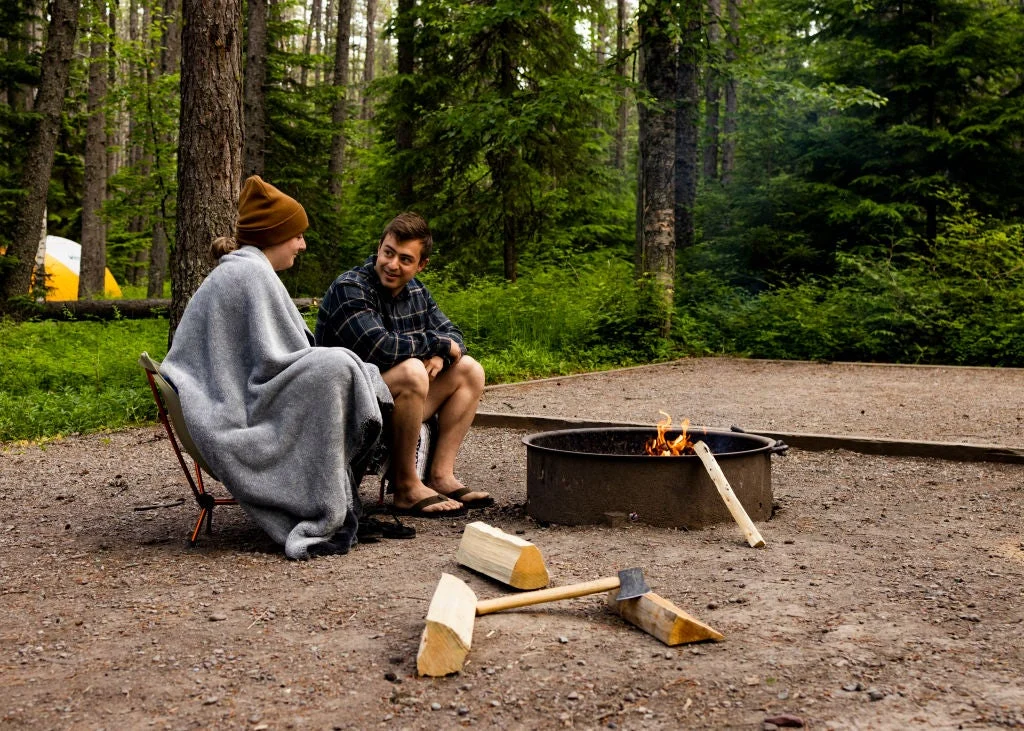
While the modern landscape of social interaction is increasingly defined by digital connectivity, a growing body of sociological research and psychological data suggests that traditional, low-tech outdoor activities—specifically camping—serve as one of the most potent catalysts for deep human connection. In an era where many adults report a "crisis of intimacy" rather than a lack of acquaintances, the structured isolation and shared labor of the campsite are being recognized as vital tools for bridging the gap between casual friendship and lifelong bonds.
The Quantitative Deficit: Why Adult Friendships Stall
The challenge of maintaining close friendships in adulthood was highlighted in the 2024 American Friendship Project report. This national study challenged the prevailing narrative that Americans are inherently friendless; instead, it posited that while people maintain social networks, they lack the specific type of intimacy required for emotional resilience. Jeffrey Hall, a professor of communication studies at the University of Kansas and a leading researcher on relational dynamics, identifies time as the primary impediment to depth.
According to Hall’s research, the "math of intimacy" is daunting for the average working adult. His data suggests that it takes approximately 40 to 60 hours of shared time to transition from an acquaintance to a casual friend. To elevate that relationship to a "best friendship," the requirement jumps to at least 200 hours. In a conventional urban setting, achieving this milestone would require roughly 100 two-hour dinner dates or coffee meetups. For many professionals and parents, such a chronological investment can take years to accumulate, often resulting in friendships that remain "stuck" in a polite, superficial phase.

Camping, however, functions as a chronological shortcut. A single 48-hour weekend in the wilderness can provide more face-to-face interaction than six months of occasional city-based socializing. This concentration of time allows for what sociologists call "relationship acceleration," where the density of shared experience mimics the intensity of childhood or collegiate bonding.
The Context Shift: Turning Points in Social Trajectory
Psychologists emphasize that the environment in which time is spent is as critical as the duration. Jaimie Krems, director of the UCLA Center for Friendship Research, points to the "context shift" as a fundamental turning point in a relationship’s trajectory. Moving a friendship from a controlled, predictable environment—such as a neighborhood bar or an office—to a new, unpredictable setting like a mountain trail or a remote campground signals a higher level of commitment.
"Simply making the plan to say, ‘I’m going to go off into the woods with these people,’ is a real signal of commitment to the relationship," Krems notes. This act of "choosing" the group over all other possible weekend activities creates an immediate psychological buy-in. Furthermore, the logistical demands of camping—coordinating gear, sharing fuel costs, and navigating to remote trailheads—require a level of cooperation that urban socializing rarely demands.
Chronology of Connection: From "Clock Time" to "Cyclical Time"
The impact of the outdoors on social cohesion is not merely anecdotal; it is rooted in how the human brain processes time and productivity. A landmark 2015 study of campers at an Australian caravan park observed a significant shift in participants’ perception of time. The researchers found that once individuals removed themselves from the "built world," they abandoned "clock time"—the rigid, schedule-driven existence of modern life—and adopted "cyclical time."
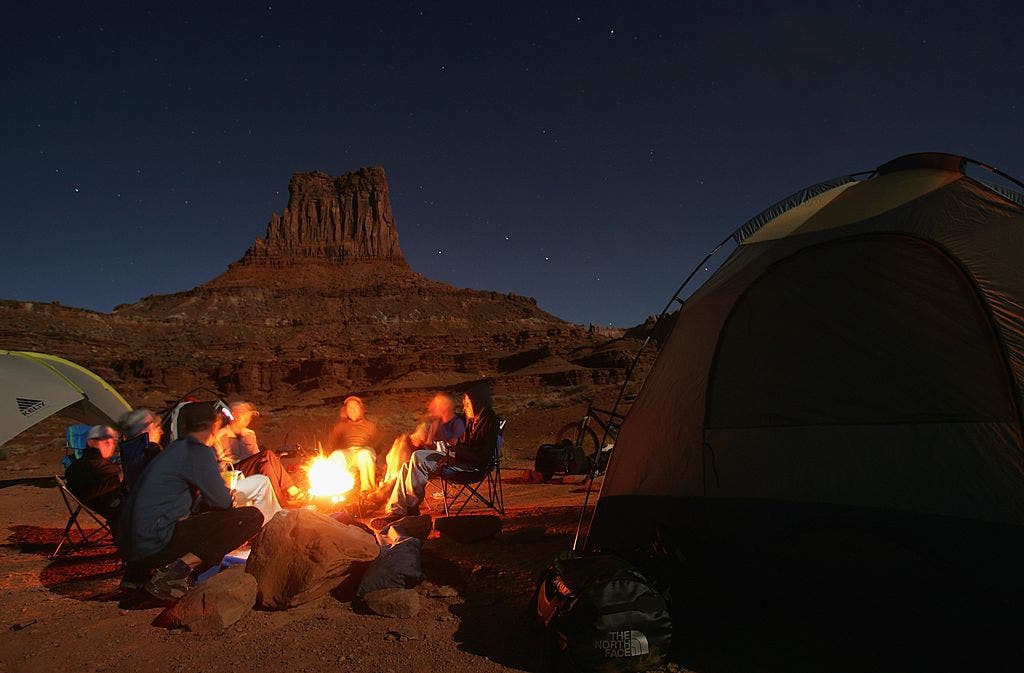
In this state, individuals lose track of the hour and instead orient themselves around natural cycles: the position of the sun, the onset of hunger, and the temperature of the air. This shift facilitates what the study authors termed a "communal agenda of idleness." Unlike a traditional vacation, where travelers may feel pressured to visit specific landmarks or adhere to dinner reservations, camping encourages unstructured "hanging out." This idleness creates the necessary mental space for the deep, wandering conversations that are the hallmark of intimacy.
The 1965 Isolation Study and the Power of Shared Quarters
The concept of "seclusion as a bond-builder" was famously explored in a 1965 study where pairs of strangers were confined to a single room for ten days. By the conclusion of the experiment, these individuals were communicating with a level of vulnerability typically reserved for best friends. In contrast, control groups who worked together for the same number of hours but returned to separate homes each night remained at a casual level of friendship.
More recently, a 2022 analysis of friendship and travel found that sharing "tight quarters," such as a tent or a small cabin, significantly increased reported levels of closeness. In a campsite setting, there is "nowhere to hide." Friends observe each other in various states of vulnerability: waking up before coffee is brewed, managing physical discomfort, and dealing with the exhaustion of a long hike.
Professor Hall notes that seeing the "incidental ways" a person eats, sleeps, and interacts with the world provides a distinct view of their character that is impossible to glean over a planned coffee date. This exposure to a friend’s unfiltered self—and the subsequent acceptance of that self—is a prerequisite for true closeness.
Evolutionary Safety and the Primal Allure of the Fire
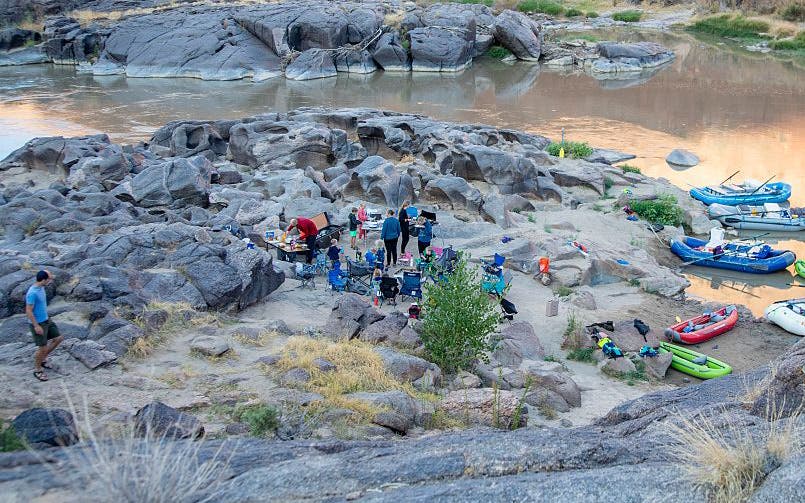
There is also a biological component to why camping feels so restorative for social groups. Jaimie Krems suggests that our ancestors evolved to live in groups primarily to avoid predation. When modern humans gather around a campfire, they are engaging in a behavior that has signaled physical safety for millennia.
"Sleeping next to another person cues a primal association with safety," Krems explains. The subconscious realization that you can sleep soundly because others are present to share the burden of vigilance reinforces trust. This feeling of collective safety acts as a "biological lubricant" for social bonding, lowering cortisol levels and making individuals more receptive to emotional connection.
Furthermore, the "us against the elements" mentality fosters group cohesion. In wilderness environments where resources are limited, individuals must rely on one another for basic needs. Small favors—helping a friend stake a tent in high winds, sharing a limited supply of water, or looking after one another’s children—are described by psychologists as "little bids" for connection. These small acts of service ratchet up the level of goodwill within the group, creating a "shared reality" that persists long after the trip has ended.
The Digital Detox: "Nature Jail" as a Social Tool
In the contemporary context, one of the most significant benefits of camping is the forced removal of digital distractions. Many camping enthusiasts refer to the wilderness as "nature jail," a term that highlights the lack of cellular service and the resulting inability to scroll through social media or respond to work emails.
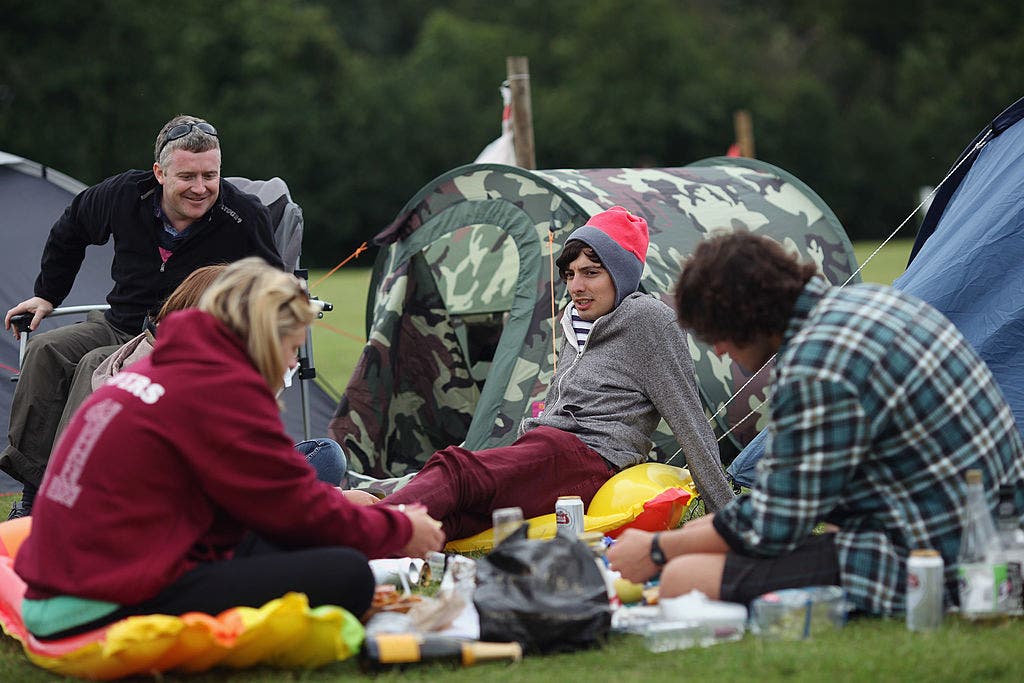
Research consistently shows that the mere presence of a smartphone on a table can diminish the quality of a conversation. By removing these devices from the equation, camping forces participants to focus entirely on one another. This "digital detox" allows for the creation of "shared history"—inside jokes, common struggles, and unique traditions (such as the "GMT New Year" mentioned by some campers who celebrate holidays early to match their outdoor rhythm). These shared experiences become the "anthems" of a friendship, providing a foundation of memory that stabilizes the relationship during periods of distance.
Analysis of Implications: The Risks and Rewards of Acceleration
While the data overwhelmingly supports camping as a relationship accelerator, experts caution that acceleration can occur in any direction. If a relationship has underlying tensions or fundamental incompatibilities, the stressors of the wilderness—rain, cold, or logistical failures—can act as a "breaking point" rather than a "turning point."
"A relationship accelerator simply speeds a friendship in the direction it was always headed," Hall notes. For this reason, many sociologists recommend that camping be used to strengthen or reestablish existing bonds rather than as a first meeting for complete strangers. The "long and quiet car ride home" is a well-known phenomenon for those who discover their social dynamics do not translate well to high-stakes environments.
However, for the majority of adult friendships stalled by the friction of daily life, the benefits of the outdoors are undeniable. As urban isolation continues to rise, the "communal agenda of idleness" found in the American wilderness may be the most effective—and most accessible—remedy for the modern friendship crisis. By trading "clock time" for "cyclical time" and city lights for the glow of a campfire, adults can reclaim the 200 hours necessary to turn acquaintances into the lifelong pillars of their social world.



 Chandra Hamzah
 Tatiana Tantri Indah Sari
 Budi Mulyono
