
 Chandra Hamzah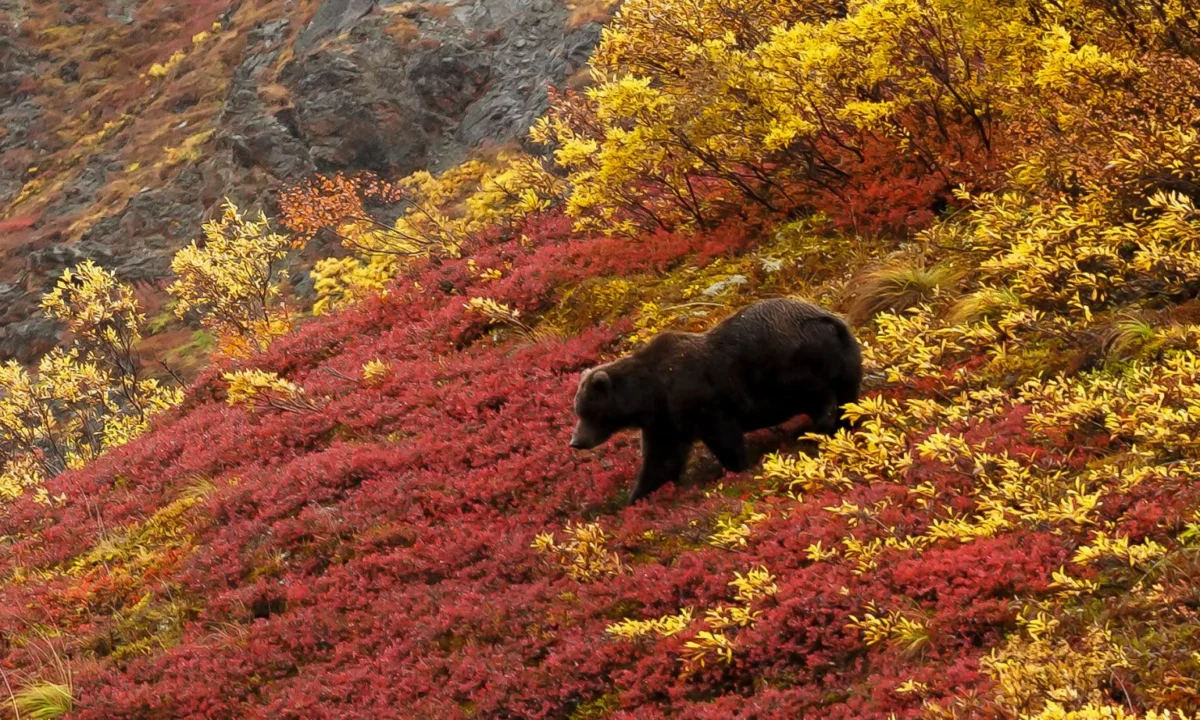
Deep within the 2.4 million hectares of Denali National Park, the rhythm of the wilderness dictates the pace of life. As autumn arrives, the landscape undergoes a dramatic transformation; the tundra turns a vibrant tapestry of crimson fireweed and golden bearberry, while the local fauna enters a critical phase of hyperphagia. Grizzlies, driven by the biological imperative of impending seven-month hibernation, forage extensively on the sweet, nutrient-dense blueberries that blanket the earth. For the 42 passengers aboard a Tundra Wilderness Tour bus, this seasonal spectacle offers a rare, unfiltered view of the "Last Frontier," a stark contrast to the coastal experiences that define the traditional Alaskan maritime cruise.

The shift toward inland tourism represents a significant evolution in the Alaskan travel sector. While the state has long been synonymous with glacial calving and coastal gold-rush history, cruise operators are increasingly pivoting toward deeper, land-based cultural and ecological immersion. This trend is not merely a diversification of product; it is a strategic response to changing consumer demand. Data from the Cruise Lines International Association (CLIA) confirms that 36,000 Australian passengers visited Alaska in 2025, solidifying the region as the third-largest long-haul cruise destination for the Australian market.
The Evolution of the Land-Sea Integration
The infrastructure supporting this surge in interest is a result of over three decades of logistical development. Princess Cruises, which has operated in Alaskan waters for more than 50 years, has established a formidable shoreside presence through its subsidiary, Princess Tours. The company currently manages five wilderness lodges and a highly synchronized network of transport, including over 300 motorcoaches and 10 "Midnight Sun Express" Ultra Dome rail cars.

This integrated model addresses a long-standing challenge in Arctic tourism: the friction of travel between remote interior regions and coastal ports. By owning the hospitality and transportation assets—ranging from luxury rail cars that traverse the Alaska Railroad to riverfront lodges—the company provides a seamless logistical chain. This "connoisseur" model, which includes professional tour directors who manage end-to-end itineraries, effectively lowers the barrier to entry for international travelers navigating the complex, weather-dependent environment of the Alaskan interior.
Logistical Infrastructure and Operational Scale
The operational scale required to sustain this tourism model is substantial. During the peak summer season, Princess employs more than 2,000 shoreside staff members across its Alaskan facilities. The logistics of this operation involve precise coordination: luggage routing, synchronized train-to-ship transfers, and the maintenance of specialized rail cars. These carriages, featuring 360-degree glass-domed ceilings and open-air observation platforms, serve a dual purpose: providing an unobstructed view of the rugged terrain and offering a high-end dining experience that incorporates local culinary staples, such as reindeer chili and wild-caught seafood.

The technological integration, including the use of wearable Medallion technology, further streamlines the transition from the interior wilderness to the maritime vessel. For a passenger arriving at the Whittier dock after a seven-hour rail journey from the interior, the ability to board a ship with pre-delivered luggage represents the pinnacle of modern travel convenience.
Regional Lodge Profiles and Cultural Significance
The Princess lodge network is strategically positioned to provide access to diverse ecological zones, each offering a distinct perspective on the Alaskan environment:

- Mt McKinley Princess Wilderness Lodge: Established in 1997, this 460-room property in Denali State Park serves as a focal point for mountain observation. Its Great Room, featuring floor-to-ceiling windows, provides views of the Alaska Range, though meteorological conditions often obscure the summit. Excursions here, such as jetboat tours on the Chulitna River, emphasize the region’s natural history, including the biological cycles of local moose populations.
- Fairbanks Princess Riverside Lodge: Serving as a northern gateway, this 326-room facility highlights the region’s river-based history. The partnership with the Binkley family—who have operated the Discovery III sternwheeler for five generations—allows guests to engage with the indigenous Athabascan culture and witness the traditional practices of salmon smoking and sled dog training.
- Denali Princess Wilderness Lodge: Located in proximity to the national park entrance, this 656-room facility acts as a hub for active excursions. General Manager Michael Cook notes that the end-of-season period is particularly significant for wildlife observation, as the rutting season for moose coincides with the bears’ final preparations for winter.
- Copper River and Kenai Princess Wilderness Lodges: These smaller, more remote properties offer access to the Wrangell-St. Elias National Park and the Kenai Peninsula, respectively. By dispersing tourists across these diverse locales, the infrastructure manages visitor density while providing access to regions that might otherwise be inaccessible to the average traveler.
Economic and Ecological Implications
The economic impact of this tourism model is profound. By extending the average cruise itinerary to include three to eight nights on land, the tourism sector creates a more stable, year-round economy for local businesses that might otherwise suffer during the harsh winter months. However, this growth also necessitates careful management of the state’s ecological assets.
Alaskan tourism authorities have placed an increased emphasis on sustainability, ensuring that the influx of 36,000-plus visitors does not compromise the environmental integrity of the tundra. The "salmon culture" observed in Fairbanks—where King and Sockeye salmon are prioritized for human consumption while "dog salmon" (chum) supports the sled dog industry—highlights the deep-seated reliance on local natural resources. This cultural nuance is a key component of the educational aspect of modern Alaskan tours.

Future Outlook for the Last Frontier
As the industry looks toward the future, the integration of technology and conservation will likely remain at the forefront. The ability to witness the Northern Lights or observe a grizzly bear in its natural habitat continues to drive high demand, despite the logistical challenges posed by Alaska’s remote geography.
From a market analysis perspective, the "cruise-tour" model is becoming a blueprint for other remote adventure destinations. By combining the safety and predictability of a cruise ship with the rugged adventure of a land-based expedition, companies are successfully capturing a demographic that values comfort alongside authenticity.

The success of these tours rests on the expertise of the local staff. Guides like Cheryl Papin and naturalists such as Alice Johannewes serve as the bridge between the tourist and the land, providing the historical context and biological facts that transform a sightseeing trip into a transformative experience. As more travelers seek to move beyond the traditional "glacier-gazing" itinerary, the infrastructure provided by established operators will remain the primary vehicle for exploring the depth and breadth of the Alaskan interior.
For the traveler, the value proposition is clear: the opportunity to visit a location where the wilderness is not just a backdrop, but an active, breathing entity. Whether it is the taste of a chef-prepared pierogi featuring a secret family recipe or the sight of a moose wandering near a residential window, the human element of the Alaskan experience continues to distinguish the region from other northern destinations. As the state prepares for its annual winter hibernation, the foundations for the next season are already being set, ensuring that the "Last Frontier" remains one of the world’s most accessible, yet awe-inspiring, wilderness experiences.



 Anjar Salim
 Tatiana Tantri Indah Sari
 Budi Mulyono
 Lukman Taruna Persada Ramadan
