
 Chandra Hamzah
The Port of Brisbane has officially solidified its status as a premier maritime gateway, transforming from a secondary transit point into a primary homeport for some of the world’s most significant cruise operators. Since the inauguration of the International Cruise Terminal (BICT) at Luggage Point, the city has experienced an unprecedented surge in passenger numbers, effectively decentralizing the Australian cruise market and providing a strategic alternative to the heavily congested Sydney Harbour. This shift is not merely a logistical upgrade but a fundamental change in the economics of Queensland tourism, offering direct access to the Great Barrier Reef and the broader South Pacific without the requirement for domestic transit flights.
A New Era for Queensland Maritime Logistics
The construction and subsequent opening of the Brisbane International Cruise Terminal represented a $177 million investment, designed specifically to accommodate the world’s largest cruise vessels. Prior to this facility, Brisbane was restricted by the physical limitations of the Portside Wharf, which could not service mega-ships. The current terminal, which features a 200-meter-long wharf and sophisticated gangway systems, has enabled a massive increase in throughput.

Industry analysts observe that the success of the terminal is intrinsically linked to the geographical advantage it offers. By departing from Brisbane, cruise lines can bypass the southern coastal leg of the journey, allowing ships to reach the Whitsundays or the South Pacific islands in significantly less time. This efficiency has attracted long-term homeporting commitments from global titans such as Carnival Cruise Line and Royal Caribbean, which are now scheduling multi-year programs through 2027.
Chronology of Infrastructure Development
The trajectory of Brisbane’s cruise industry can be traced back to the feasibility studies conducted in the mid-2010s, which identified a critical bottleneck in Australia’s cruise infrastructure.
- 2017: The Queensland Government confirms the business case for the Brisbane International Cruise Terminal, citing a need to capture the growing demand for regional cruise departures.
- 2020: Construction enters its final phases despite global maritime disruptions caused by the COVID-19 pandemic.
- 2022: The terminal officially welcomes its first commercial vessels, marking a turning point for the local tourism economy.
- 2024–2025: Brisbane reaches the milestone of its 500th cruise call, cementing the terminal as a high-performing asset for the Port of Brisbane.
- 2026–2027: The current forward-planning cycle, which sees the largest deployment of mega-ships in the city’s history, including the Quantum-class vessels.
Data-Driven Growth and Economic Impact
The economic ripple effect of this development is substantial. According to recent tourism data, the average cruise passenger contributes significantly more to the local economy per day than the average land-based tourist, primarily due to the high concentration of pre- and post-cruise spending. With ships like the Quantum of the Seas carrying upwards of 4,000 passengers per voyage, a single departure can generate millions of dollars in localized economic activity.

For the 2026–2027 season, the scheduling density has increased by an estimated 15% compared to the previous fiscal year. This capacity expansion has forced a shift in pricing strategies among major lines. Consumers now benefit from a more competitive market, with entry-level fares for short-haul cruises to Airlie Beach dropping to under $700, while premium, extended itineraries to the South Pacific are seeing increased demand for balcony and suite-level accommodations.
Market Segmentation: From Family Fun to Luxury Expeditions
The diversity of the current cruise program reflects the broadening appeal of Brisbane as a departure point. The market is currently bifurcated into three distinct segments:
The Family and Value Sector
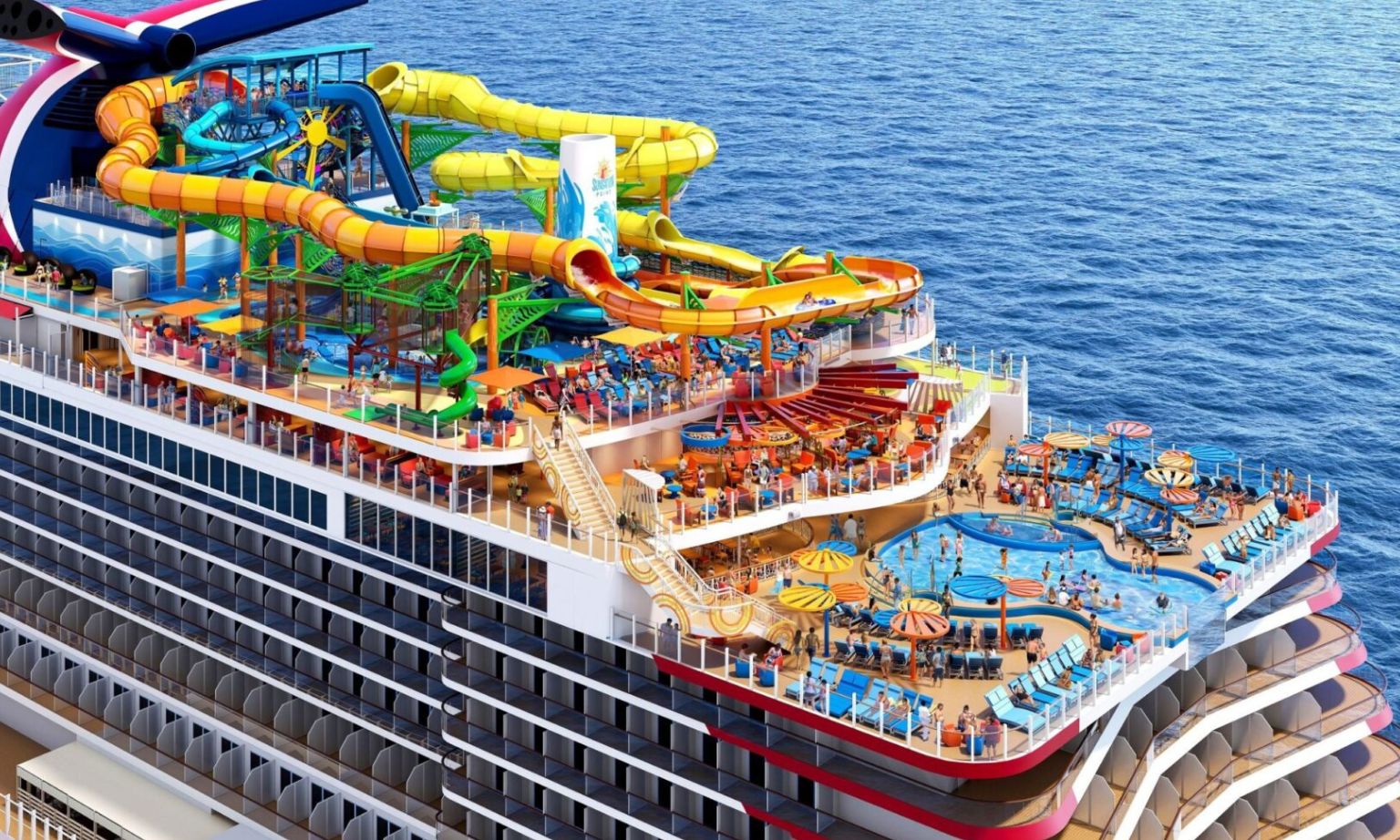
Carnival Cruise Line continues to dominate the high-volume, family-centric market. The Carnival Encounter has become a staple of the Brisbane itinerary, catering to families seeking short, budget-conscious getaways to the Whitsundays. The appeal here is the "no-fly" convenience; families can board in Brisbane, reducing the stress and cost associated with air travel for a family of four.
The Premium Experience
Princess Cruises and Royal Caribbean are positioning themselves to capture the mid-to-high-end market. The deployment of Quantum of the Seas represents a strategic effort to cater to travelers who prioritize on-board innovation—such as skydiving simulators and robotic bartenders—over traditional destination-heavy itineraries. These ships serve as floating resorts, where the vessel itself is the primary destination.
The Luxury and Expedition Niche
At the top end of the market, lines like Silversea and Oceania are leveraging Brisbane as a gateway for longer, immersive voyages. The 18-day Brisbane-to-Singapore itinerary on Silver Moon is a prime example of the "destination immersion" trend. These cruises attract a demographic that is less concerned with on-board entertainment and more focused on curated, high-end excursions and cultural enrichment in Southeast Asia and the Pacific.
Strategic Implications and Future Outlook
The rise of the Brisbane cruise sector poses a significant challenge to the dominance of Sydney as the sole gateway for international cruise lines in Australia. While Sydney remains a major global destination, the Port of Brisbane offers a streamlined experience with fewer navigational constraints and superior land-side access.

Stakeholders, including the Queensland Tourism Industry Council, have lauded the shift, noting that the increased volume of ships allows for better dispersal of tourists into regional Queensland. However, the growth also brings challenges, particularly regarding environmental sustainability and the management of port traffic. There is an ongoing dialogue between the Port of Brisbane and the Brisbane City Council to ensure that public transport infrastructure, particularly the connectivity between the CBD and the Luggage Point terminal, can keep pace with the projected 3–5% year-on-year growth in passenger volume.
Industry experts anticipate that as the 2026–2027 season progresses, further partnerships between local tour operators and cruise lines will be essential. By integrating "shore-to-ship" experiences that highlight the unique natural beauty of Moreton Bay and the hinterland, the city can ensure that the economic benefits of the cruise boom are not limited to the terminal precincts but are felt across the wider Southeast Queensland region.
Conclusion: A New Standard for Maritime Tourism
The transformation of Brisbane into a powerhouse of the cruise industry is a testament to long-term infrastructure planning and the evolving preferences of the Australian traveler. By providing a diverse range of options—from the high-energy, family-friendly atmosphere of the Carnival fleet to the refined, sophisticated voyages offered by Silversea—Brisbane has effectively captured a market share that was previously lost to interstate hubs. As the city looks toward the end of the decade, the focus will likely remain on enhancing the passenger experience, maintaining the operational efficiency of the terminal, and continuing to leverage the geographic proximity to some of the world’s most sought-after tropical destinations. The data is clear: the wave of growth hitting Brisbane’s shores shows no sign of receding, marking a definitive new chapter for the city’s role in the global tourism landscape.



 Anjar Salim
 Tatiana Tantri Indah Sari
 Budi Mulyono
 Lukman Taruna Persada Ramadan
