
 Gabriela Annisa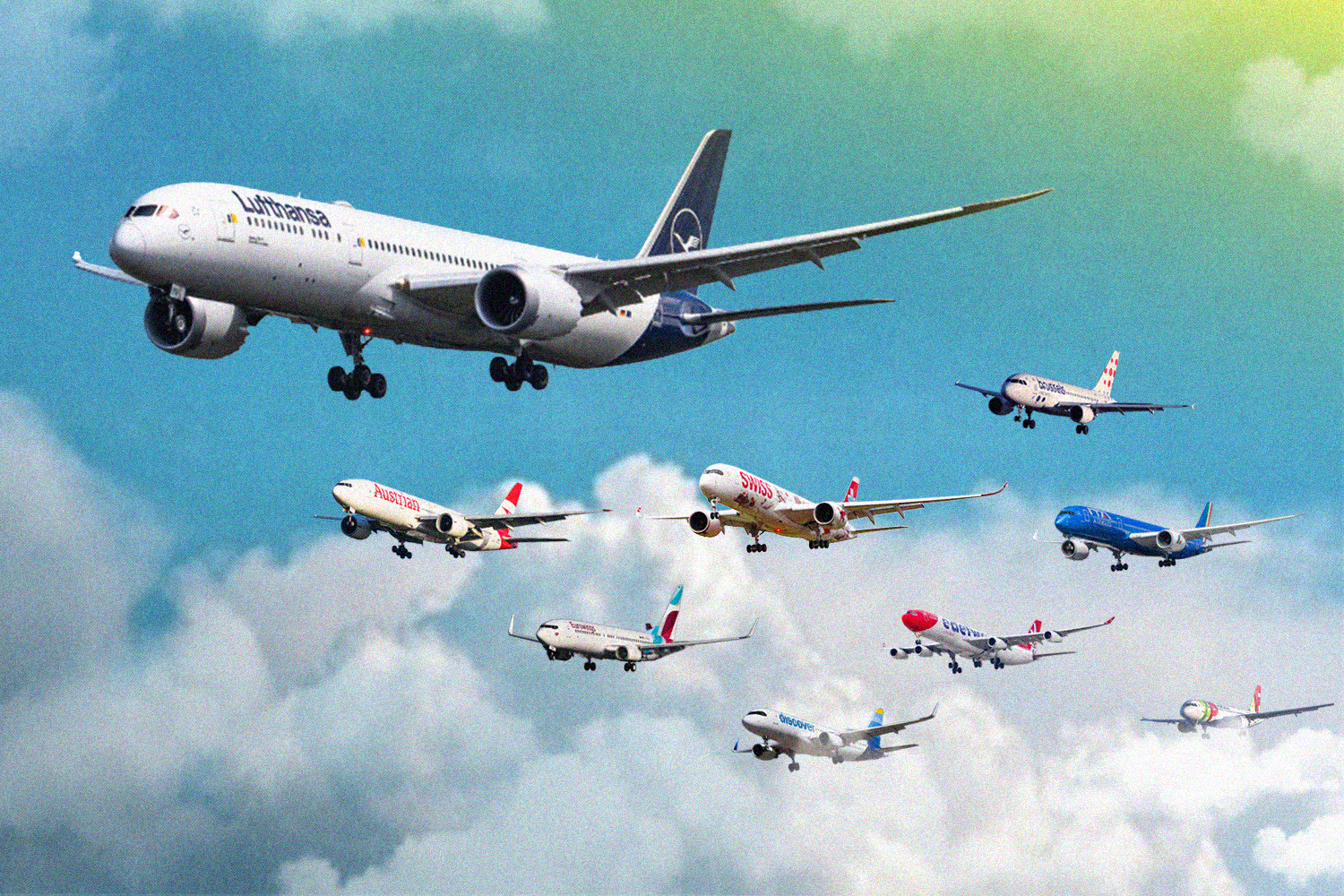
Despite a tumultuous confluence of surging fuel prices, persistent labor unrest, and destabilizing geopolitical disruptions, Lufthansa Group, Europe’s largest airline conglomerate, maintains a defiant optimism, asserting its capacity to emerge from the current maelstrom stronger than before. This bold declaration, however, belies a more intricate reality where the venerable German carrier navigates a perilous tightrope walk, striving to sustain altitude amidst an array of formidable challenges that test its operational resilience, financial fortitude, and strategic foresight. The question remains: can this aviation titan truly weather another industry shock without losing critical momentum or market position?
The core of Lufthansa’s current predicament stems from a trifecta of external and internal pressures that have simultaneously intensified over the past two years, casting a shadow over the industry’s post-pandemic recovery. On one flank, the global energy markets have been particularly volatile, driving jet fuel prices to multi-year highs. On another, a rejuvenated labor movement, emboldened by inflationary pressures and a perceived need for fairer compensation following pandemic-era sacrifices, has led to a series of disruptive strikes across various segments of the Group’s operations. Concurrently, an increasingly unpredictable global geopolitical landscape, particularly centered on the Middle East, has introduced significant operational complexities, rerouting costs, and demand fluctuations.
The Unfolding Crisis: A Multi-faceted Challenge
The narrative of Lufthansa’s current challenges is not singular but a mosaic of interconnected issues, each capable of independently derailing even the most robust airline.
-
Surging Fuel Prices: The Volatile Variable
The cost of aviation fuel, typically an airline’s largest or second-largest operating expense, has been a significant headwind. Following Russia’s full-scale invasion of Ukraine in early 2022, global crude oil prices spiked, with Brent crude briefly exceeding $130 per barrel. While prices have since moderated, they remain elevated compared to pre-pandemic levels. For an airline group operating thousands of flights daily across its numerous subsidiaries—Lufthansa German Airlines, SWISS, Austrian Airlines, Brussels Airlines, Eurowings, and Lufthansa Cargo—even marginal increases in per-barrel costs translate into hundreds of millions of euros in additional expenditure annually.
Lufthansa Group’s hedging strategies, designed to mitigate the impact of price volatility, typically cover a percentage of its anticipated fuel consumption, offering some protection but not immunity. In its Q3 2023 earnings call, the company reported a significant increase in fuel expenses compared to the previous year, highlighting the persistent inflationary pressure. The sheer scale of fuel consumption—estimated in the tens of millions of metric tons per year for a group of Lufthansa’s size—makes it highly susceptible to these external market forces. The ongoing geopolitical instability, particularly in Eastern Europe and the Middle East, continues to introduce a high degree of unpredictability, forcing airlines to build larger contingency buffers into their financial planning. -
Labor Unrest: A Battle for Compensation and Conditions
The post-pandemic recovery, while bringing back passenger demand, also ignited simmering tensions with labor unions across Europe, and Lufthansa has been no exception. The pandemic years saw employees make concessions, and with inflation soaring (reaching over 10% in the Eurozone in late 2022), unions have pressed for significant wage increases and improved working conditions.
A timeline of recent labor disputes illustrates the scale of the challenge:- Early 2022: Initial negotiations with various unions, including Verdi (representing ground staff) and Vereinigung Cockpit (VC, representing pilots), begin, often stalling over wage demands.
- August 2022: Verdi calls for a one-day warning strike by ground staff at major German airports, leading to hundreds of flight cancellations and affecting tens of thousands of passengers. Demands include a 9.5% pay raise.
- September 2022: VC announces a strike, impacting cargo and passenger flights, demanding a more significant pay rise and structural changes to pilot contracts. This leads to further widespread cancellations.
- Early 2023: Renewed rounds of negotiations and intermittent warning strikes by ground staff, security personnel (often affecting airport operations more broadly), and even cabin crew at specific subsidiaries. These actions, though often short-lived, cause significant operational disruptions, reputational damage, and financial losses due to rebooking costs, compensation payments, and lost revenue.
- Late 2023/Early 2024: Further negotiations and potential strike threats continue as inflation persists, and unions seek to secure agreements that protect their members’ purchasing power.
The financial impact of these strikes is substantial. Each day of widespread strike action can cost the airline millions of euros in lost revenue and additional operational expenses. Beyond the immediate costs, repeated disruptions erode passenger confidence and can lead to a shift in bookings towards more reliable competitors, particularly low-cost carriers or rival full-service airlines.
-
Geopolitical Headwinds: Navigating Disrupted Skies
The global geopolitical landscape has become increasingly volatile, directly impacting airline operations. The ongoing conflict in Ukraine has, for instance, led to the closure of Russian airspace to many Western carriers, including Lufthansa, necessitating longer, more fuel-intensive routes for flights to parts of Asia. This adds to operational costs and extends flight times.
More recently, heightened tensions and conflicts in the Middle East have posed significant challenges. Specific routes to the region have seen reduced demand due to security concerns. Furthermore, flight paths over certain conflict zones become restricted or rerouted, increasing fuel consumption and operational complexity for flights traversing these areas, particularly those connecting Europe to South Asia and Southeast Asia. The Red Sea shipping disruptions, while primarily affecting maritime trade, also create ripple effects on global supply chains, potentially impacting air cargo demand and operational costs. For Lufthansa Cargo, a key component of the Group’s revenue, these disruptions can significantly alter profitability and scheduling. The need for enhanced security measures and increased insurance premiums for flights to certain regions further adds to the operational burden.
Lufthansa’s Resilience Strategy: A Calculated Optimism
Despite these formidable headwinds, Lufthansa Group’s leadership, spearheaded by CEO Carsten Spohr, projects a message of resilience and strategic confidence. Their belief in emerging stronger is not simply aspirational but is underpinned by a multi-pronged strategy refined through decades of navigating industry turbulence.
-
Operational Adjustments and Cost Control:
Lufthansa has consistently focused on optimizing its operations. This includes dynamic capacity management, adjusting flight frequencies and aircraft deployment to match demand and mitigate the impact of disruptions. The Group is investing heavily in digitalization to enhance operational efficiency, from predictive maintenance to optimized ground handling and improved passenger communication during disruptions. Cost control remains paramount, with ongoing efforts to streamline administrative processes and leverage group-wide synergies across its diverse airline portfolio. This includes centralizing procurement, IT services, and maintenance (Lufthansa Technik is a global leader in MRO, offering an internal advantage). -
Fleet Modernization and Sustainability:
A cornerstone of Lufthansa’s long-term strategy is fleet modernization. The Group is investing billions of euros in new, more fuel-efficient aircraft like the Airbus A350, Boeing 787 Dreamliner, and the forthcoming Boeing 777X. These modern aircraft consume significantly less fuel per passenger, directly addressing the challenge of high fuel prices and contributing to the Group’s ambitious sustainability targets. For instance, the A350 consumes approximately 25% less fuel than its predecessors. By 2030, Lufthansa aims to halve its net CO2 emissions compared to 2019 levels and achieve carbon neutrality by 2050. This commitment extends to increasing the use of Sustainable Aviation Fuels (SAF), though its widespread adoption is currently limited by supply and cost. This strategic investment not only enhances environmental credentials but also improves operational economics and passenger comfort. -
Premiumization and Market Positioning:
Lufthansa is doubling down on its strategy of catering to higher-yield premium segments. This involves enhancing the onboard experience, investing in new cabin products (such as its "Allegris" long-haul cabin concept), and improving ground services. The focus is on strengthening its hub system (Frankfurt, Munich, Zurich, Vienna, Brussels) to offer seamless global connectivity, which is particularly attractive to business travelers and premium leisure passengers. This strategy aims to differentiate Lufthansa from low-cost carriers and capture a larger share of more profitable revenue streams, providing a buffer against cost increases. -
Group Synergy and Diversification:
The Lufthansa Group’s multi-brand, multi-hub structure provides significant strategic advantages. It allows for optimized network planning, cross-selling opportunities, and a diversified revenue base. Lufthansa Cargo, for example, often performs robustly during periods of disrupted global supply chains, providing a hedge against passenger market fluctuations. Lufthansa Technik, with its global maintenance and repair services, also contributes significantly to the Group’s financial stability. The ability to shift capacity and resources between its airlines (e.g., Eurowings for leisure routes, SWISS for premium long-haul) offers considerable operational flexibility.
Historical Context: A Legacy of Crisis Navigation
Lufthansa is no stranger to adversity. Its history is punctuated by numerous global crises that have severely impacted the aviation industry. From the aftermath of 9/11 and the SARS epidemic to the 2008 financial crisis and, most recently, the unprecedented challenges of the COVID-19 pandemic, the Group has repeatedly demonstrated its capacity for survival and adaptation. During the pandemic, Lufthansa received substantial state aid from Germany, Switzerland, Austria, and Belgium, totaling approximately €9 billion, to avert insolvency. The Group successfully repaid these loans ahead of schedule, showcasing a strong recovery trajectory and reinforcing its financial credibility. Lessons learned from these past crises—the importance of stringent cost management, flexible capacity deployment, and maintaining a strong balance sheet—are directly applicable to its current strategy. This institutional memory of crisis management forms a psychological and operational backbone for the current leadership.
Industry Perspectives and Analyst Views
Industry analysts largely concur that Lufthansa Group possesses significant inherent strengths that position it well to navigate current challenges, though they caution against underestimating the scale of these hurdles. Analysts from leading financial institutions like Bernstein and Jefferies have often highlighted Lufthansa’s strong brand recognition, extensive global network, and dominant market share in Europe as key competitive advantages.
However, concerns persist regarding its cost structure, particularly in comparison to leaner low-cost carriers like Ryanair and easyJet, which have proven more agile in certain market segments. Labor relations are frequently cited as a recurring vulnerability, with strikes having a disproportionately high impact on a full-service carrier’s reputation and profitability.
"Lufthansa’s ability to command premium pricing and leverage its robust hub infrastructure is critical," noted one aviation consultant, who requested anonymity due to ongoing client relations. "But the ongoing battle with unions over wages, coupled with persistent fuel price volatility, places immense pressure on their margins. Their fleet modernization program is a smart long-term play, but the immediate pain points are significant."
Comparisons with peers like IAG (British Airways, Iberia) and Air France-KLM show similar struggles with labor and fuel, but each group has its own unique strategic responses and market positioning. While some competitors might have more aggressive growth plans in specific regions, Lufthansa’s focus on stability, premium service, and group synergy is a distinct differentiator.
The Road Ahead: Challenges and Opportunities
The path forward for Lufthansa Group is paved with both persistent challenges and significant opportunities. The global economic outlook, while showing signs of resilience, remains fragile, and consumer confidence can quickly waver in the face of new geopolitical events or economic downturns. Continued volatility in fuel markets is almost a given, and the battle for competitive labor agreements will likely persist. Regulatory pressures, particularly concerning environmental targets and potential new aviation taxes, will also add to the cost burden.
However, opportunities abound. The potential for further consolidation in the fragmented European airline market could see Lufthansa play a strategic role, expanding its reach and market power. The growth in premium leisure travel, a segment where Lufthansa is particularly strong, offers a promising revenue stream. Advancements in digitalization and artificial intelligence present avenues for further operational efficiencies and enhanced customer experience. Furthermore, by aggressively pursuing its sustainability goals and investing in cutting-edge, eco-efficient aircraft, Lufthansa can position itself as a leader in environmentally responsible aviation, potentially attracting a growing segment of conscious travelers and investors.
In conclusion, Lufthansa Group’s assertion that it will emerge stronger from the current crisis is a testament to its long-standing resilience and strategic acumen. Yet, this outcome is far from guaranteed and hinges on the Group’s ability to meticulously manage its cost base, foster constructive labor relations, adapt swiftly to geopolitical shifts, and continue its aggressive fleet modernization program. The coming quarters will be a crucial test, demanding agile leadership and unwavering commitment to navigate the turbulent skies and solidify its position as a global aviation powerhouse.




 Anjar Salim
 Chandra Hamzah
 Tatiana Tantri Indah Sari
 Budi Mulyono
 Lukman Taruna Persada Ramadan
