Tatiana Tantri Indah Sari
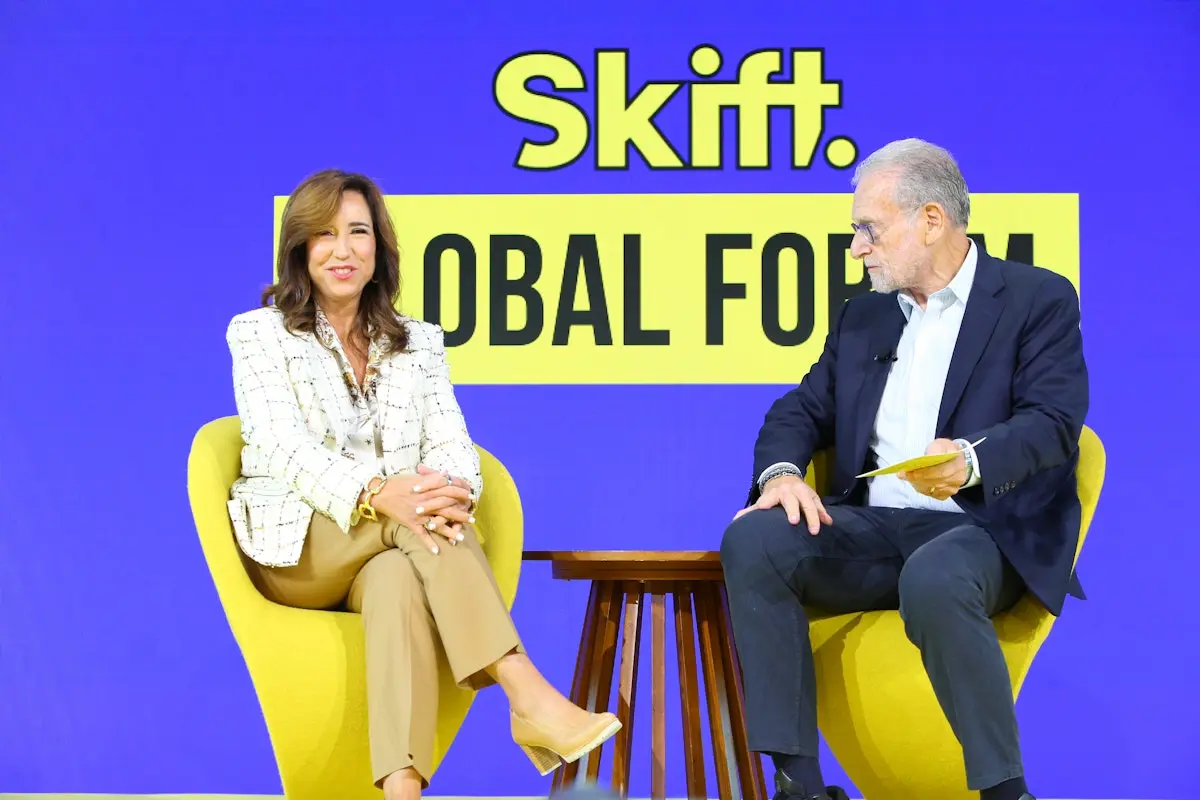
The modern vacationer has fundamentally altered the rhythm of leisure at sea, forcing the world’s largest cruise operators to rethink everything from dining room schedules to the fundamental layout of onboard experiences. Speaking at a high-profile industry event moderated by CBS News travel editor Peter Greenberg, Carnival Cruise Line President Christine Duffy offered a rare window into the measurable, post-pandemic evolution of consumer habits. According to Duffy, the psychological and behavioral shifts catalyzed by global disruptions have not faded into memory; rather, they have solidified into permanent consumer demands that are reshaping the hospitality sector at large.
The core of this transformation centers around a commodity more precious than ever to the contemporary traveler: time. For decades, the traditional cruise model relied on structured itineraries, rigid dining times, and protracted evening galas. Today, however, those structural pillars are crumbling under the weight of efficiency-driven consumer preferences. Duffy highlighted a stark statistical and behavioral contrast that has emerged on Carnival vessels over the past several years, signaling a total departure from historical cruise norms.
Main Facts and the Changing Face of Cruise Dining
Historically, the cruise industry operated on a predictable culinary clock. Passengers would book either early seating, typically around 6 p.m., or late seating, usually around 8 p.m., in expansive, multi-tiered main dining rooms. These traditional dinners were often prolonged affairs, stretching across 90 minutes or more as courses were leisurely served, wines were poured, and guests socialized in formal attire.
That blueprint, Duffy revealed, is effectively obsolete. The post-pandemic traveler has rejected the 90-minute formal dining experience entirely, describing it not as a luxury, but as an unnecessary bottleneck to their vacation time. Instead of waiting for the traditional 8 p.m. late seating, modern guests are now lining up at the dining room doors as early as 5 p.m., eager to eat efficiently and move on to the next activity.
In response to this dramatic behavioral shift, Carnival Cruise Line has been forced to adapt operationally. The company introduced express dining options—designed to get guests in and out in under an hour—alongside highly flexible dining formats. This pivot is not merely a logistical adjustment; it is a direct acknowledgment that travelers view time differently today. They want high-quality food, but they demand it on their own terms, free from the constraints of rigid schedules that dictate how their evenings must unfold.
Chronology of a Paradigm Shift: From Lockdown to Latitude
To understand the magnitude of Duffy’s revelations, it is necessary to examine the chronology of how the cruise industry arrived at this juncture. The timeline of modern cruising can be sharply divided into the pre-pandemic era of steady, predictable growth, the unprecedented operational shutdown of 2020 and 2021, and the fierce resurgence of travel demand that began in late 2021 and accelerated through subsequent years.
During the prolonged suspension of global cruise operations, travel behavior underwent a silent, profound transformation. Confined to their homes for months, consumers developed a heightened appreciation for autonomy, flexibility, and outdoor or unstructured spaces. When the cruise lines finally reopened under strict health protocols, operators initially focused on safety compliance, testing, and capacity management.
However, by 2023 and 2024, as the industry returned to full capacity, executives began noticing anomalous booking and onboard patterns. Passengers were booking closer to departure dates, demanding greater flexibility in their daily itineraries, and showing a distinct aversion to crowded, scheduled events. By 2025 and into 2026, these anomalies hardened into permanent trends. The dialogue shifted from a temporary rebound strategy to a permanent structural redesign of the cruise experience. Duffy’s disclosures at the recent forum encapsulate this endpoint: the pandemic acted as a psychological accelerator, permanently compressing the modern traveler’s tolerance for inefficiency and rigid schedules.
Supporting Data and Broader Hospitality Metrics

The behavioral changes noted by Duffy are echoed across the broader travel and hospitality landscape. Data from various tourism boards, hotel analytics firms, and airline associations consistently point to a post-pandemic consumer who values speed, digital self-sufficiency, and time-saving conveniences above traditional luxury markers.
According to recent travel sentiment surveys, over 70% of frequent travelers now prioritize itinerary flexibility over scheduled entertainment. Furthermore, data tracking onboard spending and venue utilization on major cruise lines indicates a significant migration away from traditional, sit-down venues toward fast-casual dining, grab-and-go kiosks, and open-seating environments. While specialty restaurants and fine dining still hold strong appeal, the mandatory, formal sit-down meal that defined cruising for half a century is experiencing a steady decline in market share among younger demographics, including Millennials and Generation Z travelers who now make up a substantial portion of the cruising demographic.
Cruise lines have responded with capital investments that reflect these metrics. Modern vessels are now designed with significantly more casual dining options, open-air eateries, and app-based ordering systems that minimize wait times and eliminate the need for traditional seating assignments.
Official Responses and Industry Reactions
The revelations shared by the Carnival leadership team have reverberated across the wider maritime and hospitality sectors. Competitor cruise lines, luxury hotel brands, and resort operators have quietly or openly acknowledged similar trends within their own guest bases.
Industry analysts point out that while Carnival’s introduction of sub-hour express dining solves an immediate operational problem, it also presents a fascinating challenge for culinary teams. Crafting a high-end, multi-course dining experience that satisfies discerning palates within a 60-minute window requires a complete re-engineering of galley logistics, staff training, and food preparation techniques. Culinary directors across the fleet have had to streamline workflows without compromising the quality or presentation that passengers expect.
Moreover, hospitality unions and service staff representatives have observed changes in crew dynamics. With guests dispersing more quickly from dining rooms, onboard entertainment venues, lounges, and outdoor decks experience different traffic peaks, requiring more agile deployment of staff and resources throughout the evening hours.
Implications for the Future of Leisure Travel
The shift highlighted by Christine Duffy carries profound implications for the future of the travel industry. As consumer patience for rigid structures continues to shrink, companies that fail to adapt risk losing relevance with a public that increasingly views time as its most valuable asset.
For the cruise industry, which historically relied on predictable revenue streams tied to fixed dining and excursion schedules, this means embracing a higher degree of agility. Flexibility is no longer a perk offered to premium guests; it is a baseline expectation for all travelers. The ability to pivot toward rapid service models, digital integration, and personalized itineraries will likely determine which operators thrive in the latter half of the decade.
As the travel sector continues to digest these insights, the message from Carnival Cruise Line’s leadership is clear: the old playbook has been rewritten. The post-pandemic traveler has spoken, and the cruise industry is adjusting its sails to meet them on their own terms.


 Lukman Taruna Persada Ramadan

 Anjar Salim
 Budi Mulyono