
 Cholid Fahmi Thalib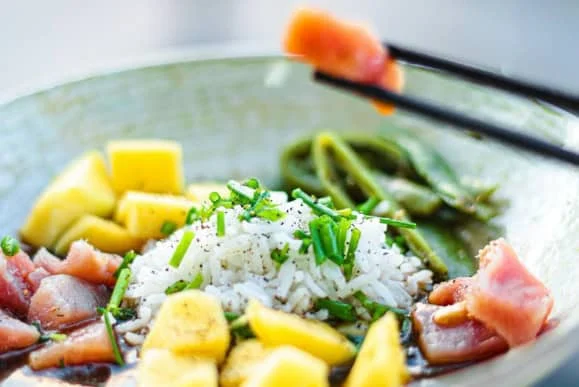
Islands, often lauded for their isolated charm and vibrant ecosystems, represent some of the most unique and captivating destinations on Earth. For discerning food lovers, these isolated havens frequently offer the perfect stage to indulge in local, fresh cuisine, a direct reflection of their distinct cultures and abundant natural resources. From the sun-drenched beaches of the Caribbean to the remote allure of the Pacific, a wealth of exceptional dining experiences awaits, promising memorable meals that beckon travelers back time and again. For the "foodie flashpacker" — a traveler prioritizing authentic culinary exploration — these island destinations should undoubtedly be at the forefront of their travel radar, offering everything from the freshest seafood and exotic tropical fruits to time-honored traditional recipes passed down through generations.
The Caribbean: A Symphony of Spicy Flavors and Ocean Bounty
The Caribbean islands stand as a testament to a rich tapestry of culinary influences, seamlessly weaving together African, Indigenous, and European traditions. This vibrant fusion results in a gastronomic landscape characterized by bold, unforgettable flavors. Iconic dishes like Jamaica’s signature jerk chicken, the Bahamas’ crisp conch fritters, or Barbados’ hearty curry goat exemplify the region’s robust culinary identity. The very essence of Caribbean cuisine lies in its unwavering commitment to fresh, locally sourced ingredients. Seafood, in particular, plays a starring role, with catches often arriving from the ocean mere hours before gracing the plate. These ocean treasures are typically accompanied by quintessential tropical sides such as fluffy rice and peas or perfectly fried plantains. In locales like Jamaica and the Turks and Caicos, diners can revel in the succulent taste of ocean-fresh lobster, snapper, and shrimp, all prepared using indigenous methods that highlight an artful balance of potent spices and aromatic herbs. This reliance on the immediate bounty of the sea, combined with a history of cultural exchange, has cemented the Caribbean’s reputation as a premier destination for seafood aficionados. The economic impact of tourism on the Caribbean, with food and beverage contributing significantly to GDP in many islands, underscores the importance of these culinary traditions to the region’s prosperity. For instance, in 2022, the tourism sector accounted for an estimated 14.1% of the Caribbean’s total GDP, with dining experiences being a crucial component of the visitor appeal.
Mediterranean Isles: The Quintessence of Southern European Gastronomy
Islands such as Sicily, Sardinia, and Crete offer a profound culinary journey, deeply rooted in the principles of the Mediterranean diet. This gastronomic heritage emphasizes the abundant fresh produce, pristine seafood, and foundational staples like olives, cheese, and wine. The culinary philosophy here is elegantly simple, yet profoundly flavorful, drawing sustenance from the region’s fertile agricultural lands and a long history of cross-cultural culinary dialogues. Sicilian cuisine, for instance, boasts celebrated dishes like Pasta alla Norma, a vibrant creation featuring locally grown eggplants and the distinct ricotta salata. Sardinia, meanwhile, is celebrated for its robust meat preparations and its world-renowned Pecorino cheese, a staple in many traditional dishes. On the Greek island of Crete, the culinary experience often unfolds through generous mezze platters laden with creamy tzatziki, succulent grilled lamb, and an array of seasonal vegetables. The overarching theme across these Mediterranean islands is a celebration of high-quality ingredients, uncomplicated cooking techniques that allow natural flavors to shine, and a deep respect for the offerings of both the land and the sea. The Mediterranean diet, recognized by UNESCO as an Intangible Cultural Heritage of Humanity, continues to influence global health and culinary trends, with island variations offering unique expressions of this time-honored approach to food.
Southeast Asia: A Nexus of Tropical Flavors and Aromatic Spices
Island destinations within Southeast Asia, including Bali, Phuket, and the numerous islands of the Philippines, are vibrant hubs brimming with exquisite tropical flavors and an intoxicating array of exotic spices. The culinary landscape here is a rich tapestry, woven from the threads of indigenous traditions and historical colonial influences, resulting in a delightful melting pot of dishes that are as complex as they are full of life. Bali’s famed Babi Guling, or suckling pig, is an unmissable culinary experience, typically served with fragrant rice, a medley of spices, and an exquisitely crispy skin that is nothing short of divine. Thailand’s picturesque islands present an equally compelling gastronomic adventure, with iconic dishes like Pad Thai, the invigorating Tom Yum soup, and an array of fresh seafood curries, all infused with the creamy richness of coconut milk, the zesty aroma of lemongrass, and the subtle warmth of chili. In the Philippines, travelers are encouraged to savor the deeply flavorful Adobo, a savory stew often prepared with chicken or pork, and the delicate freshness of Lumpia, or spring rolls, generously filled with a delightful mix of savory vegetables and meats. The economic significance of food tourism in Southeast Asia is substantial, with culinary experiences often driving significant visitor numbers. For example, Thailand’s tourism sector, heavily reliant on its food culture, generated billions of dollars in revenue annually pre-pandemic, with street food and local eateries playing a vital role. The sheer diversity and accessibility of these flavors make Southeast Asian islands a veritable paradise for any dedicated food lover, promising a truly unforgettable dining adventure.
The Galapagos Islands: Sustainable Dining in an Unparalleled Ecosystem
The Galapagos Islands, globally recognized for their surreal landscapes and unparalleled biodiversity, are also emerging as a destination for exceptional island dining. The islands’ remote geographical position, coupled with a steadfast commitment to sustainable tourism practices, has fostered a dynamic and eco-conscious food scene. Central to this movement are the freshest seafood and meticulously sourced local ingredients. A particularly standout experience involves dining at a Galapagos restaurant that champions an "ocean-to-table" philosophy. Here, guests can indulge in exquisite dishes featuring succulent lobster, vibrant ceviche, and impeccably fresh tuna, all while being enveloped by breathtaking panoramic views of the azure ocean and neighboring islands. The stringent sustainable practices implemented across the Galapagos ensure that all seafood served is responsibly harvested, allowing diners the unique opportunity to savor local delicacies while actively supporting the conservation efforts that preserve these extraordinary islands. This commitment to sustainability is not merely an ethical choice but a vital economic strategy. The Galapagos National Park Directorate implements strict regulations on fishing and resource management, directly impacting the quality and availability of local produce. Dining in the Galapagos represents a truly distinctive experience, where the fusion of fresh, sustainable ingredients with the islands’ extraordinary biodiversity cultivates a food culture that is as delicious as it is environmentally responsible. The economic model here demonstrates how ecological preservation can directly enhance a destination’s unique appeal and tourism value.
Pacific Islands: A Culinary Heritage from Polynesia to New Zealand
The Pacific Islands, often conjured in the imagination as visions of pristine beaches and awe-inspiring natural vistas, are also custodians of profound and captivating culinary traditions. Islands such as Fiji, Tahiti, and New Zealand present a rich array of traditional dishes, deeply entrenched in local customs and preserved through centuries of practice. In Fiji, the dish known as Kokoda offers a delightful taste of island life: a raw fish salad expertly marinated in citrus juices and finished with a creamy swirl of coconut milk, creating a perfect symphony of fresh, tangy, and rich flavors. New Zealand’s culinary identity is significantly shaped by its exceptional lamb, often slow-cooked to succulent perfection. For those seeking an authentic taste of Māori culture, the traditional Hāngi (earth oven) is an absolute must-try. This ancient cooking method involves slow-roasting meat and root vegetables underground for extended periods, imbuing them with a unique, smoky essence. Across these diverse islands, food transcends mere sustenance; it serves as a profound conduit connecting individuals to the land, the sea, and the very soul of their culture. With a pronounced emphasis on locally harvested ingredients such as abundant fresh seafood, hearty root vegetables, and an array of tropical fruits, dining in the Pacific offers an immersive and flavorful journey into the heart of island living. The economic contribution of traditional food practices, particularly those linked to cultural tourism, is increasingly recognized as a valuable asset for many Pacific island nations.
The Hawaiian Islands: A Vibrant Fusion of Global Influences
Hawaiian cuisine stands as a dynamic and eclectic culinary landscape, a true melting pot that artfully draws influences from Polynesian, American, Asian, and European traditions. From the ubiquitous poke bowls to the comforting embrace of loco moco, the islands boast a food scene that is both distinctively Hawaiian and remarkably diverse. One of the most celebrated dishes, poke, is a refreshing raw fish salad, typically seasoned with a harmonious blend of soy sauce, toasted sesame oil, and often accompanied by seaweed. Loco Moco, a beloved comfort food, is a hearty assembly of fluffy rice, a perfectly fried egg, and a savory hamburger patty, all generously bathed in a rich gravy. Hawaiian barbecue also merits a special mention, showcasing tender meats marinated in a tantalizing balance of sweet and savory sauces. The culinary heritage of Hawaii is a testament to its history as a crossroads of cultures, where various peoples converged, sharing their culinary knowledge and contributing to a unique island blend of flavors. Whether one is savoring a refreshing plate of shave ice or partaking in a traditional Hawaiian feast, the food served across the islands invariably reflects the spirit of Aloha – a welcoming and vibrant ethos that defines the Hawaiian experience. The economic impact of food-related tourism in Hawaii is substantial, with local specialties and agricultural products forming a significant part of the visitor experience and local economy.
Conclusion: Embracing the Global Island Gastronomic Landscape
Island destinations globally offer some of the most unparalleled culinary experiences available on the planet. From the bold, exhilaratingly spicy flavors characteristic of the Caribbean to the meticulously fresh, sustainably sourced dining options found in the pristine environment of the Galapagos, there exists an astonishing abundance of mouthwatering meals awaiting discovery on islands across the globe. Whether one finds themselves delving into a vibrant bowl of ceviche in the Galapagos, enjoying a perfectly prepared plate of pasta in Sicily, or savoring a tropical fruit platter in Southeast Asia, the act of island dining is an indelible and essential component of any enriching travel adventure. Therefore, regardless of whether the journey is a lavish luxury getaway or a more budget-conscious backpacking expedition, it is highly advisable to incorporate these distinct island food experiences into one’s travel aspirations. The world’s most exceptional meals are frequently discovered on islands, where the synergistic combination of the freshest available ingredients, authentic local flavors, and the indelible imprint of unique cultural influences converges to create something truly extraordinary and profoundly memorable. The growing trend of "culinary tourism" highlights how food is increasingly a primary motivator for travel, and islands, with their inherent uniqueness, are perfectly positioned to capitalize on this. As global travel continues to rebound, the allure of experiencing authentic island flavors will undoubtedly drive significant interest and economic activity, further solidifying the critical role of gastronomy in defining the appeal of these remarkable destinations.



 Anjar Salim
 Chandra Hamzah
 Tatiana Tantri Indah Sari
 Budi Mulyono
 Lukman Taruna Persada Ramadan
