
 Cholid Fahmi Thalib
Travel transcends mere transit; it is an immersion into new cultures, a discovery of unfamiliar landscapes, and, for many, a profound engagement with the world of gastronomy. While the allure of iconic landmarks and breathtaking vistas draws travelers across the globe, it is often the shared meal, the unexpected culinary find, and the deeply rooted food traditions that forge the most enduring memories. A meticulously planned gastronomic itinerary transforms a trip from a passive observation into an active exploration, offering a unique lens through which to understand a destination’s soul. By placing food at the epicenter of travel planning, individuals can forge authentic connections with local life, navigate their time with greater intention, and circumvent the anxieties of haphazard decision-making. This strategic approach allows for the creation of a travel experience that is not dictated by random recommendations but is instead a curated journey through a place’s distinct flavors, daily rhythms, and everyday dining rituals.
The Foundation of Flavor: Researching Local Food Culture
The cornerstone of any successful culinary itinerary lies in a deep understanding of the local food landscape. This involves more than simply identifying popular restaurants; it requires an investigation into what locals genuinely consume and, crucially, when they consume it. This fundamental insight dictates the flow of a traveler’s day and ensures alignment with the destination’s natural cadence. For instance, acknowledging that dinner in Madrid typically commences late or that Florentine markets reach their zenith in the early morning allows for proactive planning, enabling travelers to integrate seamlessly into the local tempo rather than fighting against it.
To achieve this level of insight, a multifaceted research approach is essential. Engaging with local food blogs and online culinary forums provides unfiltered perspectives and insider knowledge. These platforms often highlight neighborhood gems, traditional eateries, and seasonal specialties that might be overlooked by mainstream travel guides. Furthermore, the strategic use of tools such as Virtual Private Networks (VPNs) can unlock region-specific restaurant listings and reviews that may be geo-restricted or prioritized differently in international search results. This deliberate effort to access local data helps travelers circumvent tourist-centric establishments, which often carry inflated prices and compromised quality, and instead discover establishments where authenticity, quality, and value converge to meet local expectations. For example, a study by the World Food Travel Association consistently shows that travelers prioritizing authentic food experiences are more likely to seek out smaller, family-run establishments and local markets, indicating a growing demand for genuine culinary encounters.
Balancing the Planned and the Spontaneous: Cultivating Flexibility
While a desire to experience renowned culinary institutions and iconic dishes is a natural part of travel, the temptation to overschedule every meal can lead to a rigid and less immersive experience. A balanced approach, therefore, is paramount. This involves strategically reserving certain highly anticipated culinary moments – perhaps a tasting menu at a Michelin-starred restaurant, a visit to a historic café with a storied past, or a cooking class focused on regional specialties – while deliberately leaving ample space within the itinerary for serendipitous discoveries.
This built-in flexibility is where some of the most profound travel memories are often forged. By allowing for unplanned detours, travelers are more receptive to genuine recommendations from locals encountered throughout the day, or they may be drawn to the inviting ambiance of a bustling neighborhood eatery that spontaneously catches their eye. This equilibrium between pre-booked experiences and spontaneous exploration reduces the pressure of adhering to a rigid schedule and significantly increases the likelihood of stumbling upon authentic, unadvertised culinary treasures. Such unplanned encounters often result in meals that are not only delicious but also deeply reflective of the local culture and community, offering a more genuine connection than pre-researched options alone. Research from travel analytics firms indicates that travelers who build flexibility into their itineraries report higher satisfaction levels and a greater sense of discovery.
Anchoring the Day: Strategic Food Experiences
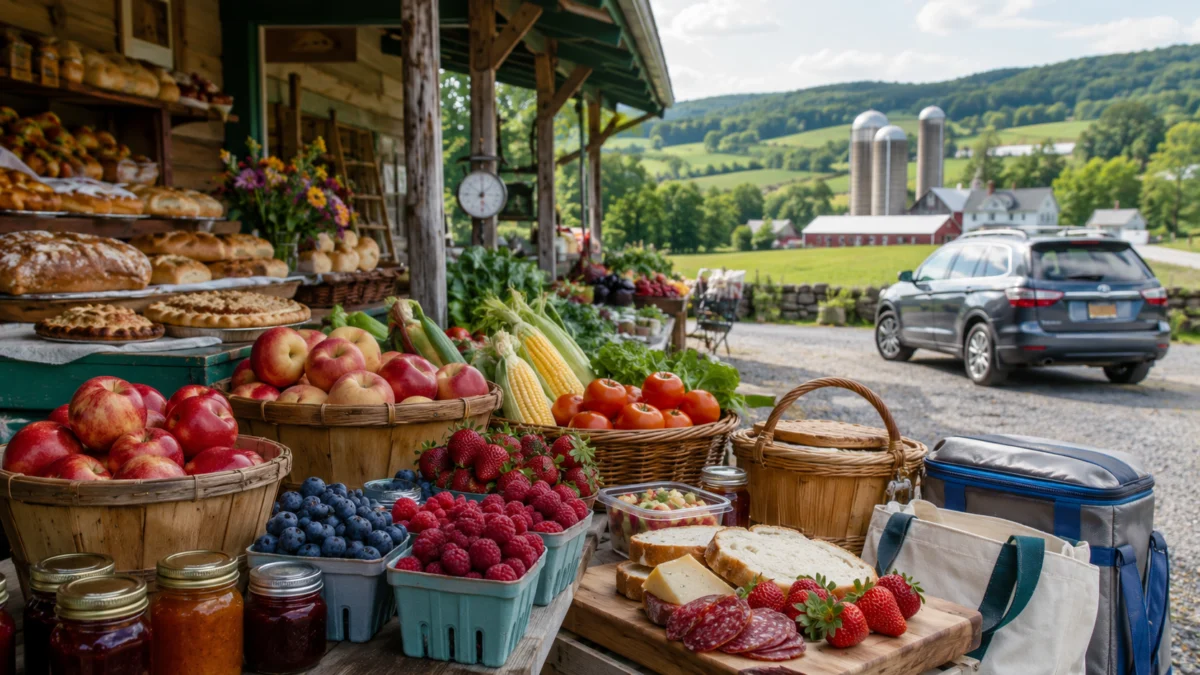
To create a structured yet manageable daily rhythm, it is highly effective to anchor each day around one significant culinary experience. This focal point provides a sense of purpose and direction for the day’s activities without becoming overwhelming. For instance, a morning could be dedicated to exploring a vibrant local market, followed by a relaxed lunch at a nearby stall offering fresh, regional produce. The afternoon might then be left open for sightseeing or leisurely exploration, culminating in a pre-booked dinner reservation at a restaurant known for its innovative take on traditional cuisine.
This strategic placement of food experiences serves multiple practical benefits. It helps to minimize unnecessary travel across a city or region, thereby conserving energy and maximizing time for enjoyment. By having meals guide the daily route, travelers are naturally encouraged to delve deeper into the neighborhoods where these culinary anchors are located, fostering a more intimate understanding of the local urban fabric. Instead of a disjointed series of disconnected attractions, the day unfolds organically, with each activity flowing logically from the preceding one. This method not only optimizes logistics but also enhances the overall travel experience by promoting a more immersive and less hurried engagement with the destination. Data from travel behavior studies suggests that itineraries that integrate activity hubs, such as food markets or culinary districts, lead to a more cohesive and enjoyable exploration of a locale.
Leveraging Technology for Culinary Organization
In the digital age, a plethora of practical tools are available to streamline the planning and execution of a food-centric travel itinerary. Digital platforms can transform what might otherwise be a chaotic undertaking into an organized and accessible system. Saving restaurant pins on a preferred map application allows for easy visualization of potential dining locations and their proximity to other points of interest. Compiling all restaurant reservations, tour bookings, and cooking class confirmations into a single, easily accessible digital folder ensures that critical information is readily available, even when offline. Furthermore, maintaining notes on specific dishes to try, ingredients to look for, or local culinary etiquette observed can enrich the overall experience and serve as a valuable reference during the trip.
When all relevant information is centralized, travelers can dedicate less time to searching for details and more time to savoring their surroundings and the culinary delights they encounter. This digital organization is particularly invaluable when plans need to be adjusted on the fly, perhaps due to unexpected closures, spontaneous invitations, or a change in appetite. A well-organized digital hub acts as a reliable compass, guiding travelers through their culinary journey with confidence and ease, especially in unfamiliar territories. The adoption of travel planning apps has surged in recent years, with users reporting significant reductions in pre-trip stress and on-the-ground confusion.
The Art of Iteration: Review and Adapt
The most effective travel itineraries are not static documents but dynamic plans that evolve with the unfolding experience. It is crucial to incorporate a daily practice of reviewing and adjusting the itinerary to ensure it remains aligned with one’s actual appetite, energy levels, and evolving interests. For example, if a particularly indulgent lunch leaves one feeling too full for a planned multi-course dinner, a pragmatic adjustment might involve opting for lighter fare that evening or exploring a different neighborhood known for its more casual dining options.
This ongoing process of refinement is what transforms an over-planned trip into a natural and enjoyable exploration. By remaining attuned to how the itinerary is impacting daily experiences, travelers can make informed decisions that enhance their comfort and enjoyment. The goal is to create a journey that feels organic and responsive, rather than rigid and dictated. This adaptive approach ensures that the travel experience remains a source of pleasure and discovery, rather than a source of stress or obligation. Travel experts emphasize that flexibility and a willingness to deviate from the original plan are key indicators of a truly successful and memorable trip. In essence, the culinary itinerary is a living document, best shaped by the real-time realities of exploration and enjoyment.


 Anjar Salim
 Chandra Hamzah
 Tatiana Tantri Indah Sari
 Budi Mulyono
 Lukman Taruna Persada Ramadan
