
 Cholid Fahmi Thalib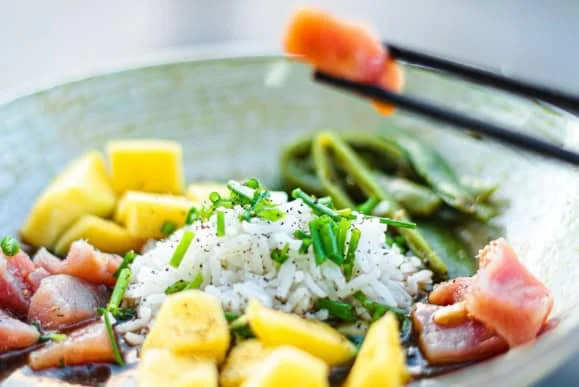
Islands, with their inherent isolation, have fostered some of the most distinct and captivating culinary traditions on Earth. Far from being mere paradises of sun and sand, these landmasses, surrounded by the vast expanse of oceans, have become crucibles for unique food cultures, shaped by indigenous ingredients, historical trade routes, and the ingenious adaptations of their inhabitants. For the discerning traveler, particularly the "foodie flashpacker" seeking authentic gastronomic experiences, islands represent an unparalleled opportunity to explore a rich mosaic of tastes that reflect both the natural bounty and the cultural heritage of their locales. This exploration delves into some of the world’s most compelling island food destinations, highlighting the diverse flavors and culinary innovations that make them essential stops on any epicurean journey.
The allure of island cuisine lies in its intrinsic connection to the environment. The proximity to fresh seafood, the abundance of tropical fruits and vegetables, and the often limited access to external resources have historically necessitated a reliance on locally sourced ingredients. This has led to the development of culinary practices that are both sustainable and deeply rooted in the natural ecosystem. From the vibrant spices of the Caribbean to the time-honored cooking methods of the Pacific, island food offers a narrative of resilience, creativity, and a profound respect for the land and sea.
The Caribbean: A Symphony of Spices and Seafood
The Caribbean archipelago, a vibrant string of islands dotting the turquoise waters of the Atlantic and the Caribbean Sea, is a testament to the power of cultural fusion in gastronomy. Its cuisine is a dynamic interplay of African, Indigenous Taíno, European (primarily Spanish, French, and British), and even Indian and Chinese influences, a direct legacy of its complex colonial history and subsequent migration patterns. This rich heritage manifests in a culinary landscape characterized by bold, often spicy, flavors and an unwavering emphasis on the freshest seafood.
Historically, the transatlantic slave trade brought African culinary traditions, including the use of specific spices and cooking techniques, to the islands. Later, indentured laborers from India introduced curries and a broader spectrum of spices, while Chinese migrants contributed stir-frying techniques and noodle dishes. These diverse influences, combined with the indigenous ingredients like yams, cassava, and various fruits, have created a truly unique gastronomic identity.
Signature dishes exemplify this fusion. In Jamaica, "jerk" seasoning, a potent blend of allspice, Scotch bonnet peppers, thyme, and other aromatics, transforms chicken or pork into an explosion of flavor. The spiciness of the Scotch bonnet pepper, native to the region, is a hallmark of many Caribbean dishes, providing a heat that is balanced by the sweetness of fruits like mango and pineapple. In the Bahamas, "conch fritters," made from the meat of the conch mollusk, are a ubiquitous and beloved snack, showcasing the islands’ abundant marine life. Barbados, with its strong British colonial past and significant Indian influence, is known for its "curry goat," a slow-cooked, aromatic dish that exemplifies the island’s ability to weave diverse culinary threads into a cohesive whole.
The reliance on fresh, local ingredients is paramount. The Caribbean Sea teems with a bounty of marine life, and many islands boast a "sea-to-table" ethos. Lobster, snapper, mahi-mahi, and shrimp are often caught daily and prepared using traditional island methods, such as grilling, stewing, or frying. These dishes are frequently accompanied by staples like "rice and peas" (rice cooked with pigeon peas or kidney beans and coconut milk) or "fried plantains," which offer a sweet and starchy counterpoint to the savory main courses. The vibrant colors of Caribbean cuisine—the fiery reds of peppers, the verdant greens of herbs, and the golden hues of fried foods—mirror the lively spirit of the region.
Mediterranean Islands: A Celebration of Sun-Kissed Produce and Olive Oil
The Mediterranean, a cradle of Western civilization, is also a region where islands have cultivated culinary traditions deeply intertwined with the agricultural landscape and the sea. Islands such as Sicily, Sardinia, Crete, and Cyprus offer a gastronomic experience that is characterized by its simplicity, freshness, and the strategic use of staple Mediterranean ingredients: olive oil, fresh vegetables, grains, and seafood.
The history of the Mediterranean is one of constant exchange, with Phoenicians, Greeks, Romans, Arabs, and Normans all leaving their culinary mark. This has resulted in a rich tapestry of regional specialties, where ingredients are celebrated for their inherent quality rather than complex preparation. The Mediterranean diet, recognized by UNESCO as an Intangible Cultural Heritage of Humanity, emphasizes whole foods, healthy fats, and a moderate intake of wine, all of which are deeply embedded in the island food cultures.
Sicily, an island with a tumultuous history and a rich agricultural tradition, boasts dishes that reflect its Greek, Arab, and Norman past. "Pasta alla Norma," a classic Sicilian dish, features local eggplants, ripe tomatoes, basil, and ricotta salata, a firm, salty cheese. The sweetness of the eggplant, the tang of the tomatoes, and the saltiness of the cheese create a harmonious balance. Sardinia, known for its rugged interior and pastoral heritage, excels in hearty meat dishes, particularly pork and lamb, and is famous for its distinctive Pecorino Sardo cheese, a sharp and flavorful sheep’s milk cheese. The island’s traditional "pane carasau," a thin, crisp flatbread, is a testament to the ingenuity of preserving food in a Mediterranean climate.
Crete, the largest of the Greek islands, is considered the birthplace of the Mediterranean diet. Its cuisine is celebrated for its emphasis on wild greens, olive oil (produced in abundance), and fresh fish. Dishes like "dakos," a rusk topped with chopped tomatoes, feta cheese, and olive oil, and various "mezze" platters, featuring small, shareable dishes like tzatziki, grilled halloumi, and dolmades (stuffed grape leaves), showcase the island’s commitment to fresh, seasonal ingredients. The use of herbs like oregano, thyme, and mint is prevalent, adding aromatic depth to every dish. The connection between the land and the plate is palpable, offering a taste of health and tradition.
Southeast Asia: Aromatic Spices and Exotic Fruits
Islands across Southeast Asia, from the spiritual landscapes of Bali to the bustling shores of Phuket and the archipelagos of the Philippines, present a culinary world defined by an intoxicating blend of tropical flavors, aromatic spices, and vibrant street food culture. The region’s history of trade and migration has infused its cuisine with a complex layering of influences, creating dishes that are both comforting and exhilarating.
The tropical climate of Southeast Asia provides an unparalleled abundance of fruits and vegetables, which form the backbone of many island dishes. Mangoes, papayas, rambutans, and durians are not merely ingredients but cultural icons, finding their way into desserts, savory dishes, and refreshing beverages. The use of spices such as lemongrass, galangal, turmeric, chili, and star anise is central to the region’s culinary identity, lending a characteristic warmth and depth to its food.
Bali, Indonesia, is renowned for its "Babi Guling," a whole roasted suckling pig, marinated in a potent blend of Balinese spices and slow-cooked until the skin is incredibly crispy and the meat is succulent. This dish, often served with rice and a side of spicy sambal, is a centerpiece of Balinese celebrations and a must-try for any visitor. The island also offers a variety of vegetable and rice dishes, often infused with coconut milk and local herbs, reflecting a deep connection to the land.
Thailand’s islands, including Phuket and Koh Samui, are celebrated for their dynamic and accessible cuisine. "Pad Thai," the ubiquitous stir-fried noodle dish, is a perfect example of the balance of sweet, sour, salty, and spicy flavors. "Tom Yum Goong," a hot and sour shrimp soup, is a refreshing and invigorating dish, bursting with the aromas of lemongrass, galangal, and kaffir lime leaves. Fresh seafood, grilled or curried with coconut milk, is a staple, showcasing the island’s proximity to the ocean.
The Philippines, an archipelago of over 7,000 islands, offers a cuisine that is a testament to its Malay, Chinese, Spanish, and American heritage. "Adobo," considered the national dish, is a savory stew typically made with chicken or pork braised in soy sauce, vinegar, garlic, and black peppercorns, a dish that highlights the island’s resourceful use of ingredients. "Lumpia," Filipino spring rolls, are a popular appetizer, filled with a variety of vegetables and sometimes meat, offering a delightful crunch. The emphasis on fresh ingredients and the fusion of diverse cultural influences make Southeast Asian island cuisine an endlessly fascinating exploration for the palate.
The Galapagos Islands: Sustainable Seafood in a Unique Ecosystem
The Galapagos Islands, a UNESCO World Heritage site celebrated for its unparalleled biodiversity and unique wildlife, also offer a burgeoning culinary scene that is deeply committed to sustainability and the bounty of the surrounding ocean. The islands’ remote location and strict environmental regulations have fostered a food culture that prioritizes locally sourced, responsibly caught seafood and a growing appreciation for ingredients that can be cultivated in this challenging environment.
The Galapagos National Park Directorate and the Galapagos Marine Reserve play a crucial role in safeguarding the islands’ natural heritage. This commitment extends to the culinary sector, with regulations in place to ensure that fishing practices are sustainable and that the marine ecosystem remains protected. This means that dining in the Galapagos is not just a gastronomic pleasure but also an act of supporting conservation.
The star of the Galapagos culinary show is undoubtedly its seafood. "Ocean-to-table" experiences are common, with restaurants sourcing their ingredients directly from local fishermen who adhere to sustainable practices. Dishes such as fresh tuna, often served grilled or as ceviche, are a highlight. Ceviche, a dish of marinated raw fish, typically cured in citrus juices, is prepared with a vibrant medley of local ingredients, showcasing the freshness of the catch. Lobster, when in season and sustainably harvested, is a luxurious treat, often prepared simply to allow its natural sweetness to shine.
Beyond seafood, there is a growing movement towards cultivating local produce. While the volcanic soil presents challenges, efforts are underway to grow organic vegetables and fruits on the islands. This focus on local agriculture not only reduces the carbon footprint associated with importing food but also supports the island communities and provides a unique connection to the land. Restaurants are increasingly featuring dishes that incorporate these locally grown ingredients, offering a more holistic island dining experience.
The Galapagos culinary scene is characterized by a blend of Ecuadorian mainland influences and adaptations to island life. Traditional Ecuadorian dishes might be found, but they are often infused with local ingredients or prepared with a distinct island flair. The experience of dining in the Galapagos is intrinsically linked to its environment; enjoying a meal with a view of the Pacific Ocean, knowing that the ingredients are fresh and sustainably sourced, adds a profound dimension to the culinary journey. This conscious approach to food highlights the delicate balance between human consumption and ecological preservation, making the Galapagos a pioneering destination for eco-conscious gourmands.
The Pacific Islands: Ancient Traditions and Island Flavors
The vast expanse of the Pacific Ocean cradles a multitude of islands, each with its own distinct cultural heritage and culinary traditions. From the tropical paradises of Fiji and Tahiti to the diverse landscapes of New Zealand, Pacific island cuisine is characterized by its reliance on fresh seafood, root vegetables, tropical fruits, and age-old cooking methods that connect people to the land and sea.
The Polynesian peoples, renowned for their seafaring skills, have a deep and intimate knowledge of the ocean’s bounty. This is reflected in their cuisine, which often features raw or lightly cooked fish, prepared with coconut milk and citrus. These ingredients are not only abundant but also perfectly suited to the tropical climate.
In Fiji, "Kokoda" is a quintessential dish. This raw fish salad, typically made with mahimahi or snapper, is marinated in lime juice until the fish "cooks," then mixed with creamy coconut milk, finely diced onions, and chili. The result is a dish that is simultaneously tangy, creamy, and refreshing, a perfect embodiment of island flavors. Traditional Fijian cooking also involves the "lovo," an earth oven where food, usually including pork, chicken, and root vegetables like taro and cassava, is wrapped in banana leaves and slow-cooked over hot stones. This method imparts a unique smoky flavor and tenderizes the ingredients.
Tahiti, part of French Polynesia, offers a cuisine that blends Polynesian traditions with French influences. "Poisson Cru" is a beloved dish, similar to Kokoda, where raw tuna is marinated in lime juice and then mixed with coconut milk and vegetables. The French influence can be seen in the sophisticated presentation and the use of techniques like searing and grilling, often applied to local seafood. Tropical fruits, such as pineapple, papaya, and mango, are integral to Tahitian desserts and beverages, offering a sweet conclusion to any meal.
New Zealand, while geographically part of Polynesia, has a culinary landscape shaped by its indigenous Māori culture and European settlement. Māori cuisine traditionally involves the "hāngi," an earth oven cooking method similar to the Fijian lovo, where meat and vegetables are cooked in a pit. This method imbues the food with a distinctive earthy and smoky flavor. Modern New Zealand cuisine often features lamb, renowned for its quality and tenderness, often served with seasonal vegetables and local wines. The country’s extensive coastline provides an abundance of fresh seafood, including green-lipped mussels, oysters, and various fish species, which are prepared with both traditional and contemporary techniques. Across the Pacific Islands, food is more than sustenance; it is a cultural expression, a communal experience, and a profound connection to the natural world.
The Hawaiian Islands: A Fusion of Cultures and Aloha Spirit
The Hawaiian Islands, a melting pot of Polynesian, Asian, and American influences, present a culinary landscape that is as vibrant and diverse as its islands. This fusion has created a unique food culture, often referred to as "local food," that is distinctively Hawaiian. The spirit of "aloha," meaning love and welcome, is deeply embedded in the islands’ food traditions, making dining an experience that nourishes both the body and the soul.
The indigenous Hawaiian diet was based on staples such as poi (a paste made from taro root), fish, and fruits. Over centuries, and particularly with the arrival of various immigrant groups, the cuisine evolved dramatically. Chinese laborers introduced rice and stir-frying techniques. Japanese immigrants brought their culinary expertise in seafood preparation and noodle dishes. Portuguese and Filipino workers contributed their own flavorful dishes and ingredients. This continuous influx of cultures has resulted in a rich and eclectic culinary scene.
One of the most iconic Hawaiian dishes is "poke," a raw fish salad traditionally made with diced tuna, seasoned with soy sauce, sesame oil, seaweed, and often onions or other aromatics. The simplicity of poke belies its complex flavor profile, a testament to the quality of fresh, local fish. Another beloved comfort food is "loco moco," a hearty dish consisting of white rice, a hamburger patty, a fried egg, and smothered in brown gravy. It’s a quintessential example of the islands’ ability to create satisfying and delicious meals from a blend of influences.
Hawaiian barbecue is another significant aspect of the local food scene. Marinated meats, often pork or chicken, are slow-cooked over coals, resulting in tender, flavorful dishes that are a staple at luaus and casual gatherings. The sweet and savory marinades are a key element, often incorporating ingredients like soy sauce, pineapple juice, and brown sugar.
Beyond these main dishes, the Hawaiian Islands are also known for their sweet treats. "Shave ice," a colorful mound of finely shaved ice flavored with fruit syrups, is a refreshing dessert, often topped with condensed milk or a scoop of ice cream. Traditional Hawaiian feasts, known as "luaus," offer a comprehensive experience of island cuisine, featuring a variety of dishes cooked in an imu (underground oven) and showcasing the islands’ rich culinary heritage. The food of Hawaii is a celebration of its diverse population and its unique environment, embodying the warmth and generosity of the aloha spirit.
Conclusion: Islands as Culinary Epicenters
The world’s islands are not merely picturesque destinations; they are vibrant culinary hubs where geography, history, and culture converge to create unforgettable gastronomic experiences. From the fiery spices of the Caribbean to the sun-drenched simplicity of the Mediterranean, the exotic aromas of Southeast Asia, the sustainable bounty of the Galapagos, the ancient traditions of the Pacific, and the multicultural fusion of Hawaii, each island offers a unique narrative told through its food.
For the food lover, these destinations represent an opportunity to engage with local communities, understand their heritage, and savor flavors that are intrinsically tied to their environment. The emphasis on fresh, locally sourced ingredients, whether it be the catch of the day, seasonal fruits, or time-honored recipes passed down through generations, ensures that island cuisine is not only delicious but also deeply authentic.
As global travel continues to evolve, the appeal of island destinations as culinary powerhouses is undeniable. They offer a compelling reason to explore beyond the usual tourist trails, to delve into the heart of local life, and to discover that some of the world’s most extraordinary meals are found where the land meets the sea. Whether embarking on a luxurious escape or a budget-conscious adventure, incorporating these island food experiences into one’s travel plans promises a journey that is both delicious and profoundly enriching.


 Anjar Salim
 Chandra Hamzah
 Tatiana Tantri Indah Sari
 Budi Mulyono
 Lukman Taruna Persada Ramadan
