
 Anjar Salim
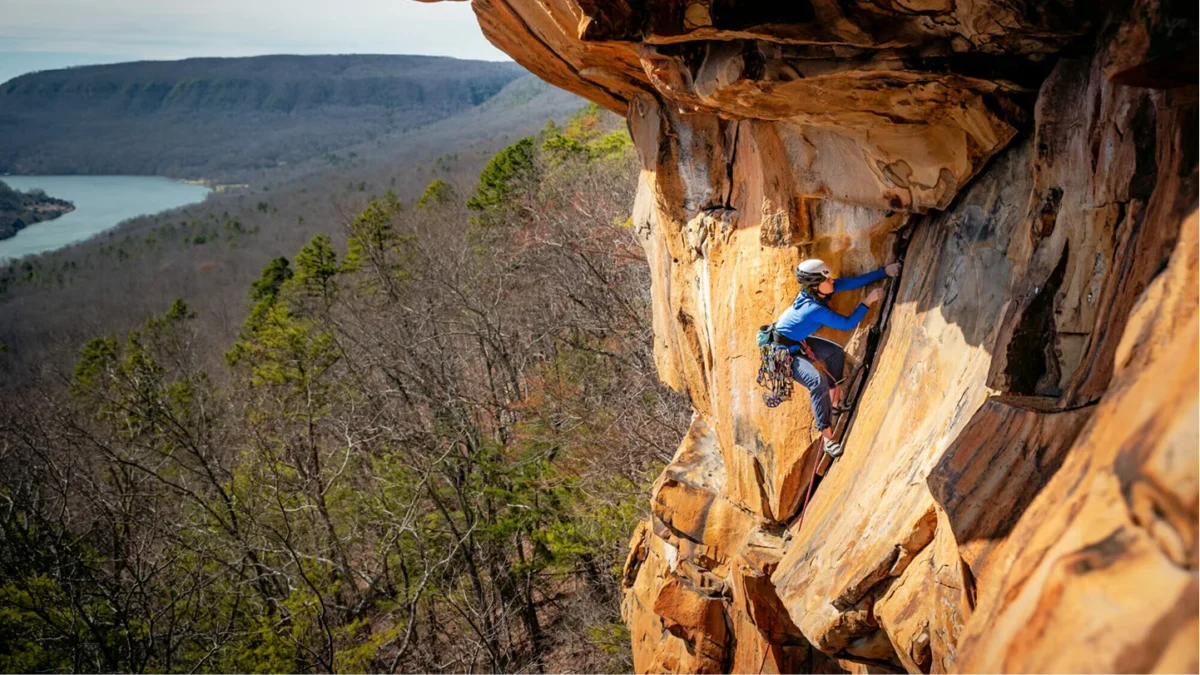
Chattanooga, Tennessee, has quietly transformed over the past few decades into one of North America’s premier outdoor recreation hubs, drawing thousands of climbers, hikers, and adventure tourists annually. Central to this evolution is the Southeastern Climbers Coalition (SCC), a regional advocacy and conservation organization that has systematically acquired, preserved, and managed access to the region’s iconic sandstone cliffs. While the city is nationally recognized for its rugged landscape and rich Civil War history, its modern identity is inextricably linked to a thriving climbing culture that spans traditional crags, technical bouldering fields, and a supportive local economy that caters to outdoor enthusiasts.
The Main Facts of Chattanooga’s Climbing Renaissance
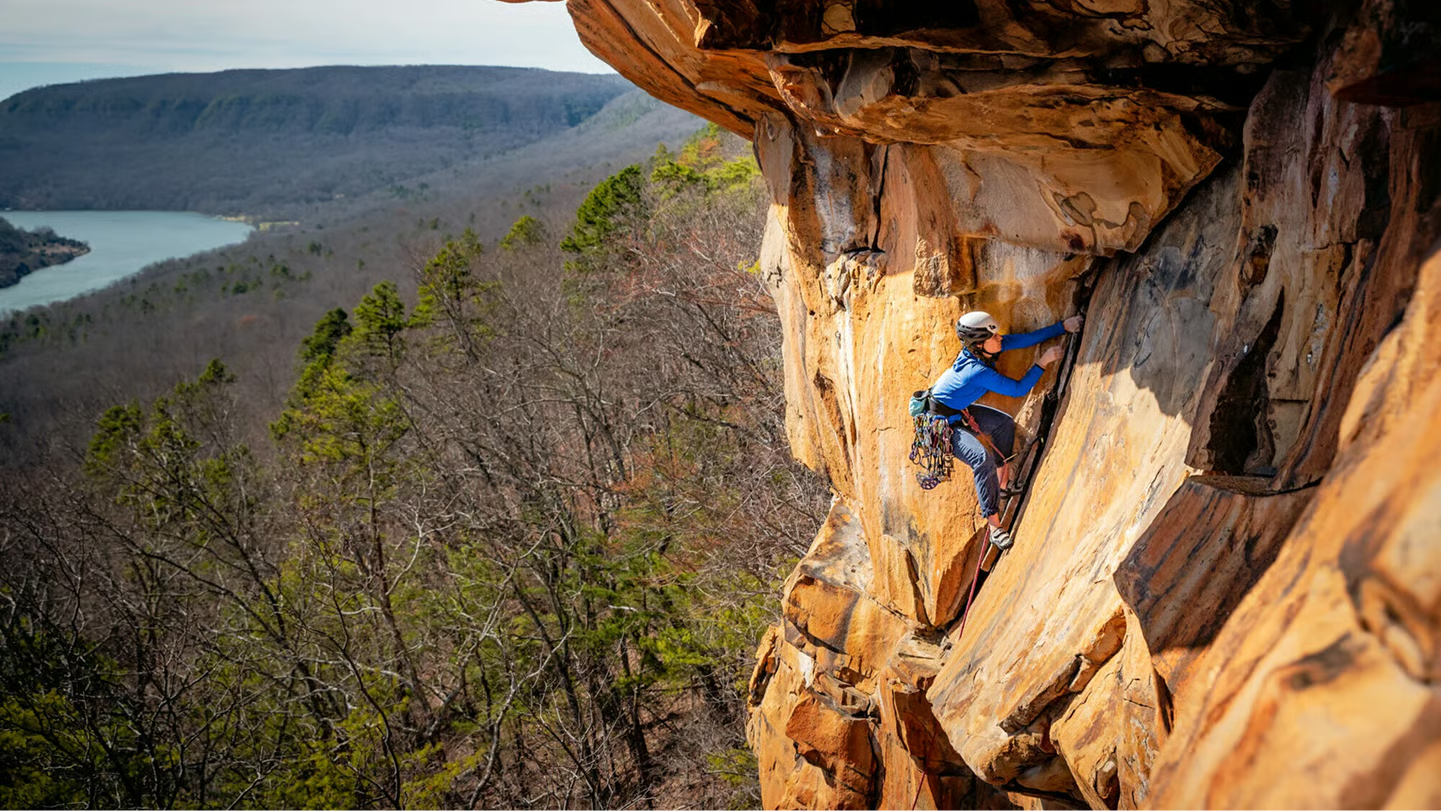
The growth of Chattanooga as a climbing destination is anchored by geological formations featuring exceptionally durable sandstone, often referred to by climbers as "bulletproof." This high-quality rock has allowed for the establishment of hundreds of routes ranging from beginner-friendly terrain to elite-level projects.
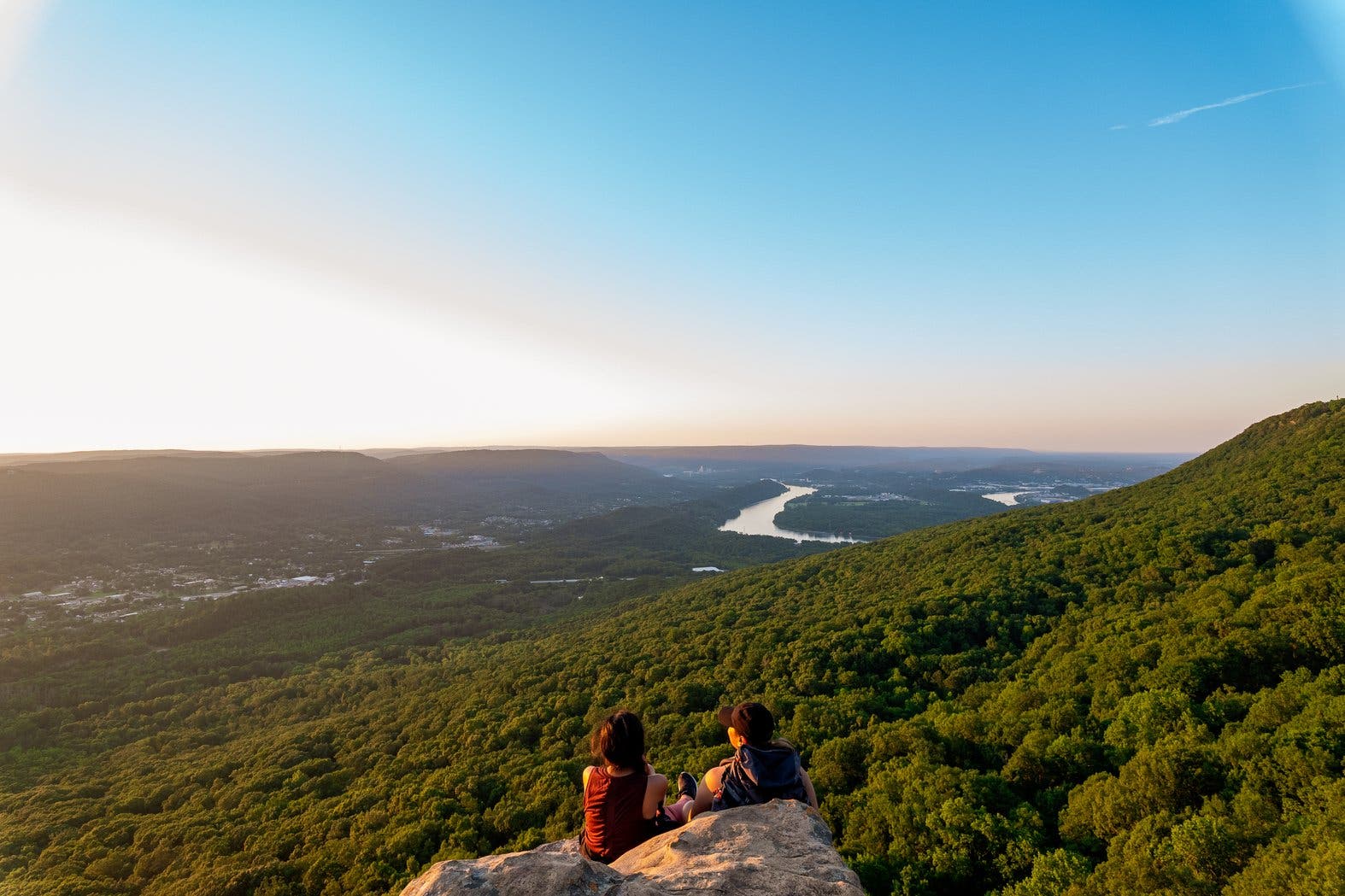
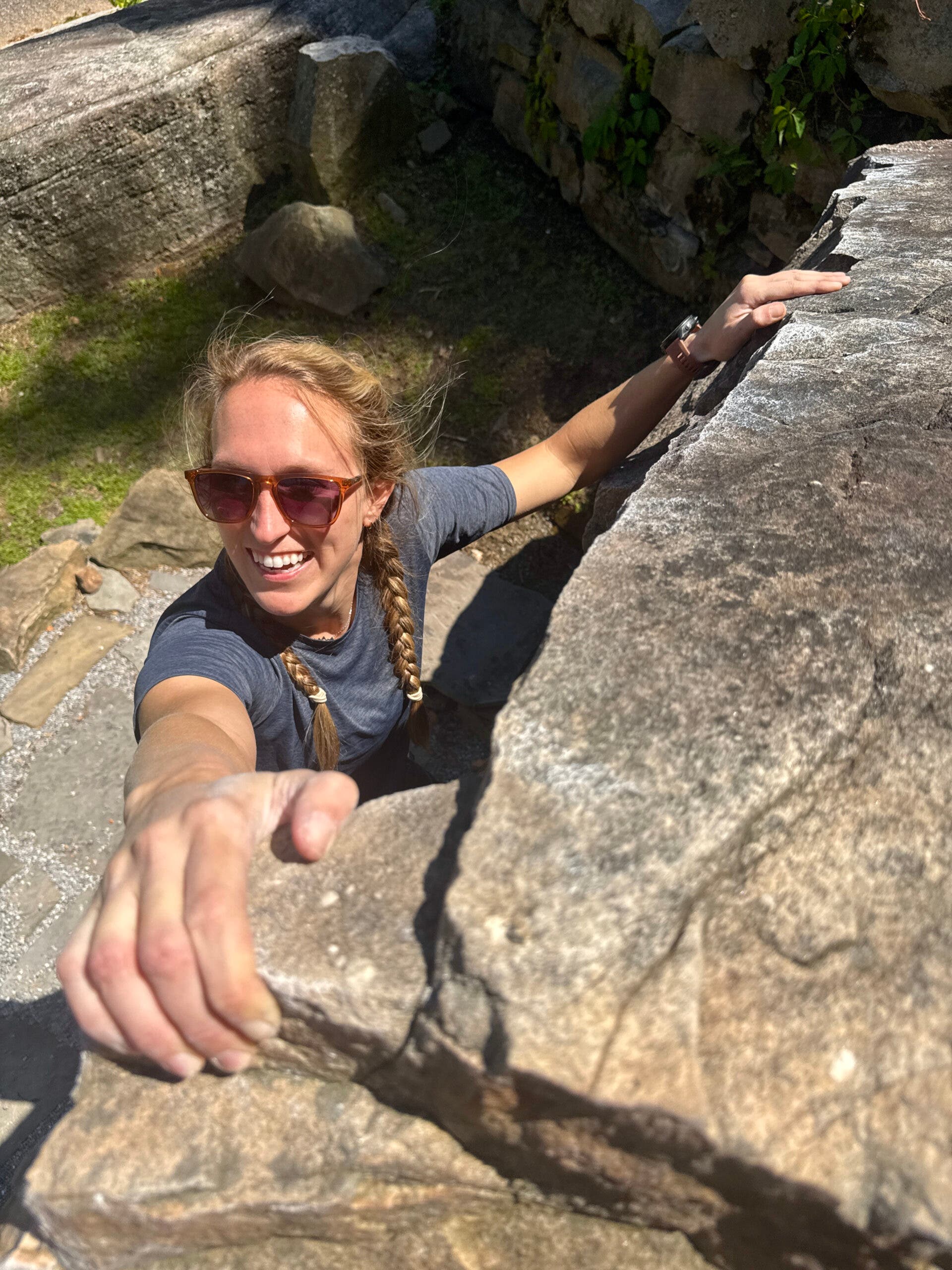
Key locations driving this reputation include the Tennessee Wall, Sunset Rock, and the Bouldering Park at Old Wauhatchie Pike. The Tennessee Wall, frequently cited as one of the nation’s premier traditional (trad) climbing crags, offers extensive single-pitch routes along a south-facing escarpment. Sunset Rock, situated within the Chickamauga Chattanooga National Military Park, combines historical significance with high-grade trad climbing and sweeping views of the Tennessee River. Meanwhile, the Old Wauhatchie Pike area provides boulderers with a concentrated circuit of over 80 problems spanning difficulty grades V0 through V8.
The foundational access to these locations has not happened by accident. It is the result of decades of strategic land conservation, negotiations with private landowners, and partnerships with government entities spearheaded by groups like the SCC. Without organized advocacy, many of these world-class climbing areas might have remained closed to the public due to liability concerns, environmental degradation, or real estate development.
Historical Context and Chronology of Regional Access
To understand the current accessibility of Chattanooga’s climbing routes, it is necessary to examine the historical timeline of land use and conservation in the Southeast.
Prior to the formation of dedicated advocacy groups in the late 20th century, climbers in the Chattanooga area faced severe access restrictions. Many prominent cliffs were located on private timberlands, agricultural properties, or federally managed parks where recreation policies were either restrictive or entirely absent. Trespassing was common, relationships with landowners were frequently strained, and the risk of permanent crag closures loomed large over the regional community.
In 1992, the Southeastern Climbers Coalition was founded to address these mounting access crises. Operating as a 501(c)(3) non-profit organization, the SCC began a methodical process of purchasing threatened climbing properties, negotiating conservation easements, and working alongside government land managers to establish sustainable trails and parking areas.
- 1992: The Southeastern Climbers Coalition is established by regional climbers aiming to secure and preserve cliff access across the Southeast.
- Late 1990s to Early 2000s: The SCC successfully negotiates landmark access agreements for major properties, shifting the paradigm from clandestine use to formalized, community-managed recreation.
- 2010s: Increased national visibility positions Chattanooga as a top-tier U.S. climbing destination, prompting local municipal investments in outdoor infrastructure and tourism marketing.
- Present Day: The partnership between conservation groups, municipal tourism entities, and local businesses creates a cohesive economic ecosystem centered on adventure tourism.
Supporting Data and Economic Implications
The rise of adventure tourism in Chattanooga has generated measurable economic impacts for Hamilton County and the broader regional economy. According to data compiled by regional tourism authorities, outdoor recreation contributes millions of dollars annually to local lodging, dining, retail, and service sectors.
The demographic profile of visitors has also shifted. While Chattanooga was historically viewed primarily as a weekend getaway for regional history buffs visiting Civil War battlefields, it now attracts an international cohort of outdoor athletes. The average length of stay for adventure travelers tends to exceed that of traditional sightseers, resulting in higher per-capita spending within the local economy.
Furthermore, investments in infrastructure—such as designated parking lots to prevent erosion along narrow mountain roads, informational kiosks regarding Leave No Trace principles, and reinforced trail systems—have mitigated the environmental impact of increased foot traffic. Data from land management partners indicate that structured trail maintenance has successfully reduced soil compaction and protected native flora along heavily trafficked sandstone corridors.
Statements and Perspectives from Related Parties
Conservationists, local business owners, and municipal marketing representatives emphasize that Chattanooga’s success relies on a delicate balance between public access and environmental stewardship.
Representatives from the Southeastern Climbers Coalition have repeatedly emphasized that access is a privilege requiring active participation from the climbing community. Through stewardship days, volunteer trail-building initiatives, and fundraising campaigns, the organization fosters a culture of responsibility. "Preserving these cliffs means taking a long-term view of land health," noted regional conservation advocates during recent property acquisition campaigns. "Every route we save is an investment in the natural heritage of the Southeast."
Similarly, the Chattanooga Tourism Co., the official destination marketing organization for the city, views outdoor recreation as a cornerstone of sustainable economic development. By promoting destinations like the Tennessee Wall and Sunset Rock alongside cultural assets such as the Chattanooga Whiskey Distillery—the city’s first legal distillery in over a century—local stakeholders have created a diversified tourism product. Visitors frequently transition from daytime physical exertion on the sandstone walls to evening social gatherings in the urban core, bridging the gap between wilderness adventure and metropolitan hospitality.
Broader Impact and Future Outlook
The transformation of Chattanooga serves as a national case study in how post-industrial and geographically unique cities can revitalize their economies through outdoor recreation and land conservation. By leveraging natural geography—specifically the steep sandstone escarpments of the Tennessee River Gorge—the city has carved out a distinct niche in the American travel market.
The implications of this model extend beyond Tennessee. Across the United States, traditional manufacturing and resource-extraction towns are looking to outdoor recreation as a viable pathway for economic diversification. Chattanooga demonstrates that successful transition requires early investment in conservation infrastructure, strong public-private partnerships, and an active commitment to protecting natural resources from overuse.
Looking forward, regional planners and conservationists face ongoing challenges, including managing visitor capacity during peak autumn and spring climbing seasons, addressing housing affordability in surrounding neighborhoods, and securing funding for the continuous maintenance of aging trail infrastructure. Nonetheless, the collaborative framework established by the SCC, local government agencies, and the business community ensures that Chattanooga’s sandstone cliffs will remain protected, accessible, and vibrant for generations of climbers to come.




 Gabriela Annisa

 Lukman Taruna Persada Ramadan

 Tatiana Tantri Indah Sari


 Dwi Wanna
