
 Anjar Salim
The contemporary wellness industry, valued globally at over $5.6 trillion, has long thrived on a culture of predictability, data optimization, and controlled luxury. From sleep trackers and step counts to temperature-regulated cold plunges housed in urban spas, modern self-care is frequently defined by quantifiable comfort. However, Swiss outdoor equipment manufacturer Mammut is challenging this paradigm entirely with the debut of its new social media series, the Unwellness Retreat. Set against the punishing, unpredictable backdrop of the high-altitude Andes, the campaign subverts traditional self-care tropes by arguing that true personal growth begins precisely where consumer comfort ends.
Main Facts and Production Overview
The Unwellness Retreat is conceptualized as a multi-episode digital series distributed primarily across Mammut’s official Instagram and YouTube channels. Rather than featuring reality television personalities or survivalists, the production recruits prominent mainstream wellness authorities: yoga instructor and practitioner Jonah Kest, movement specialist Anabelle Lefevre, and holistic wellness advocate Mahinanani Alexander.
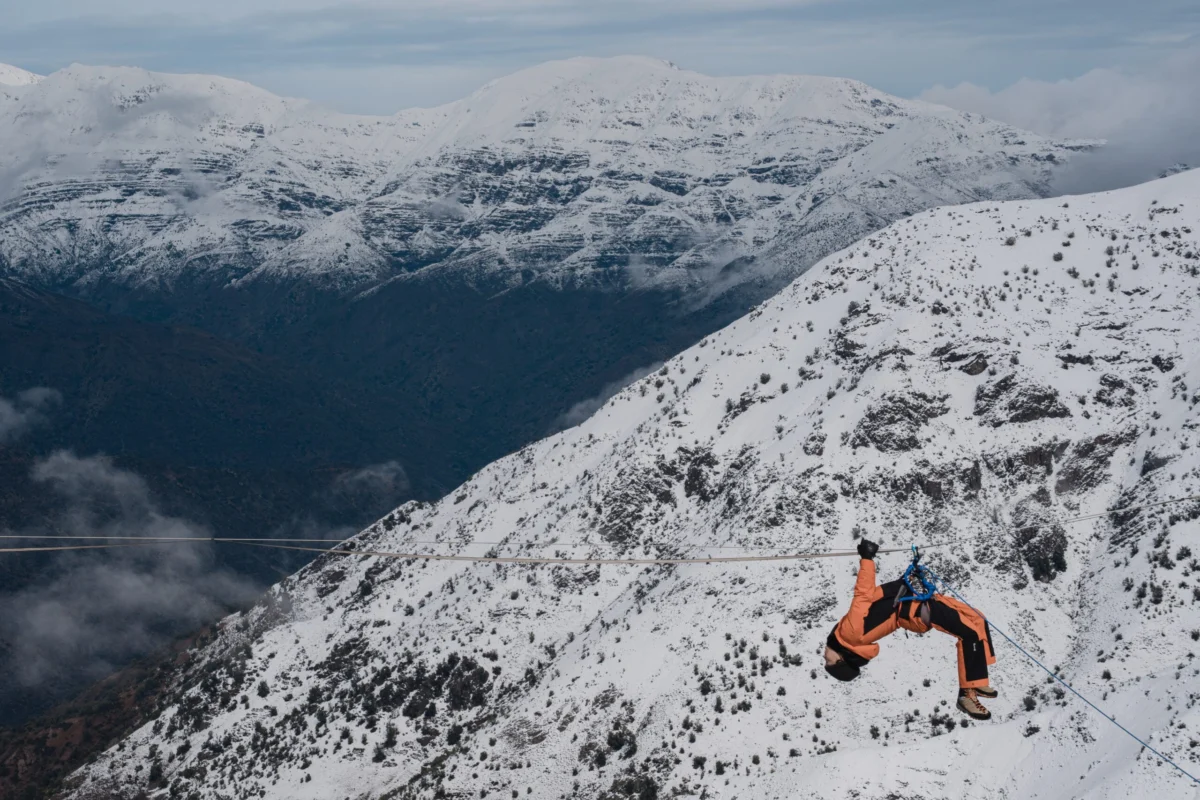
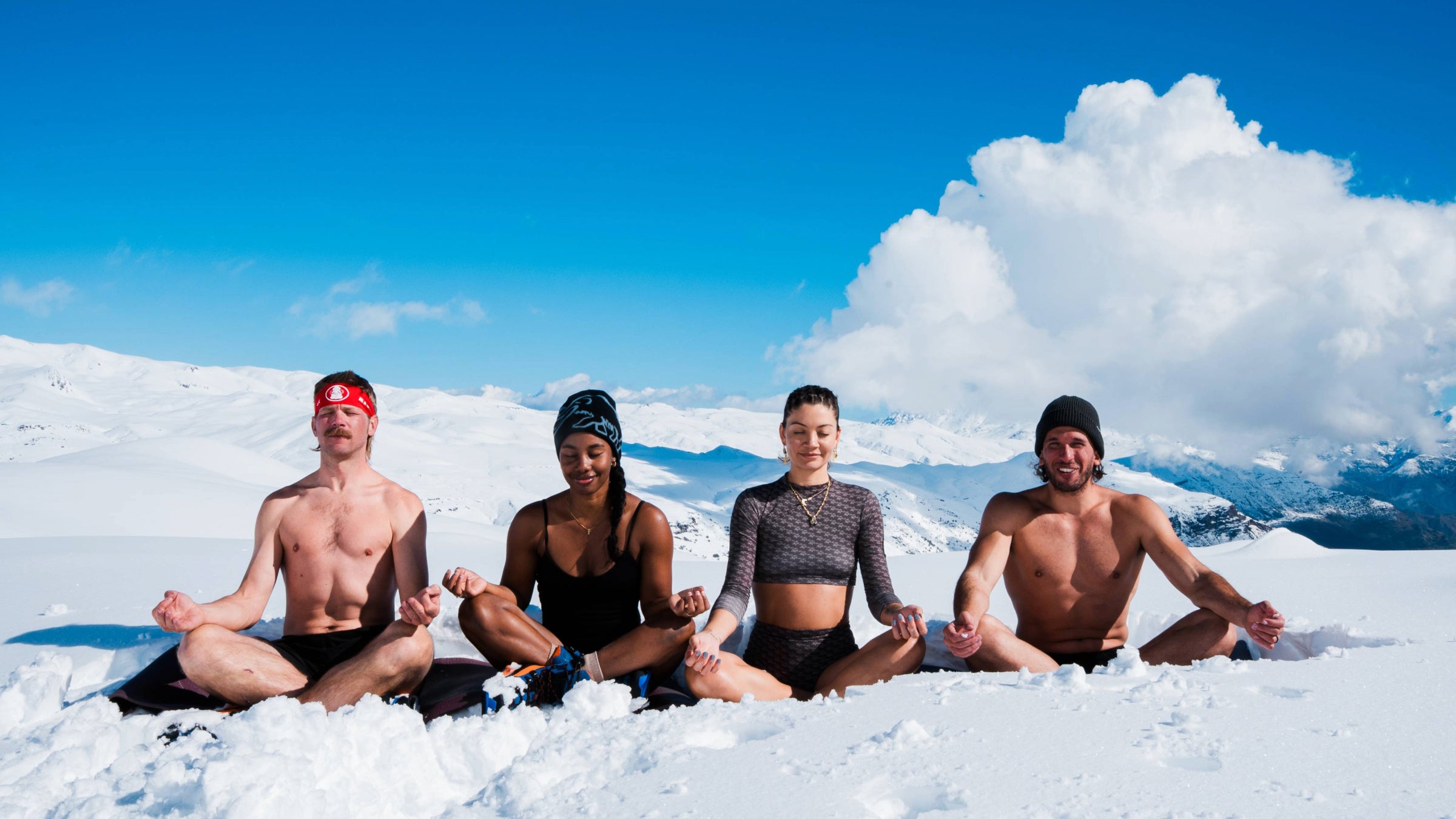
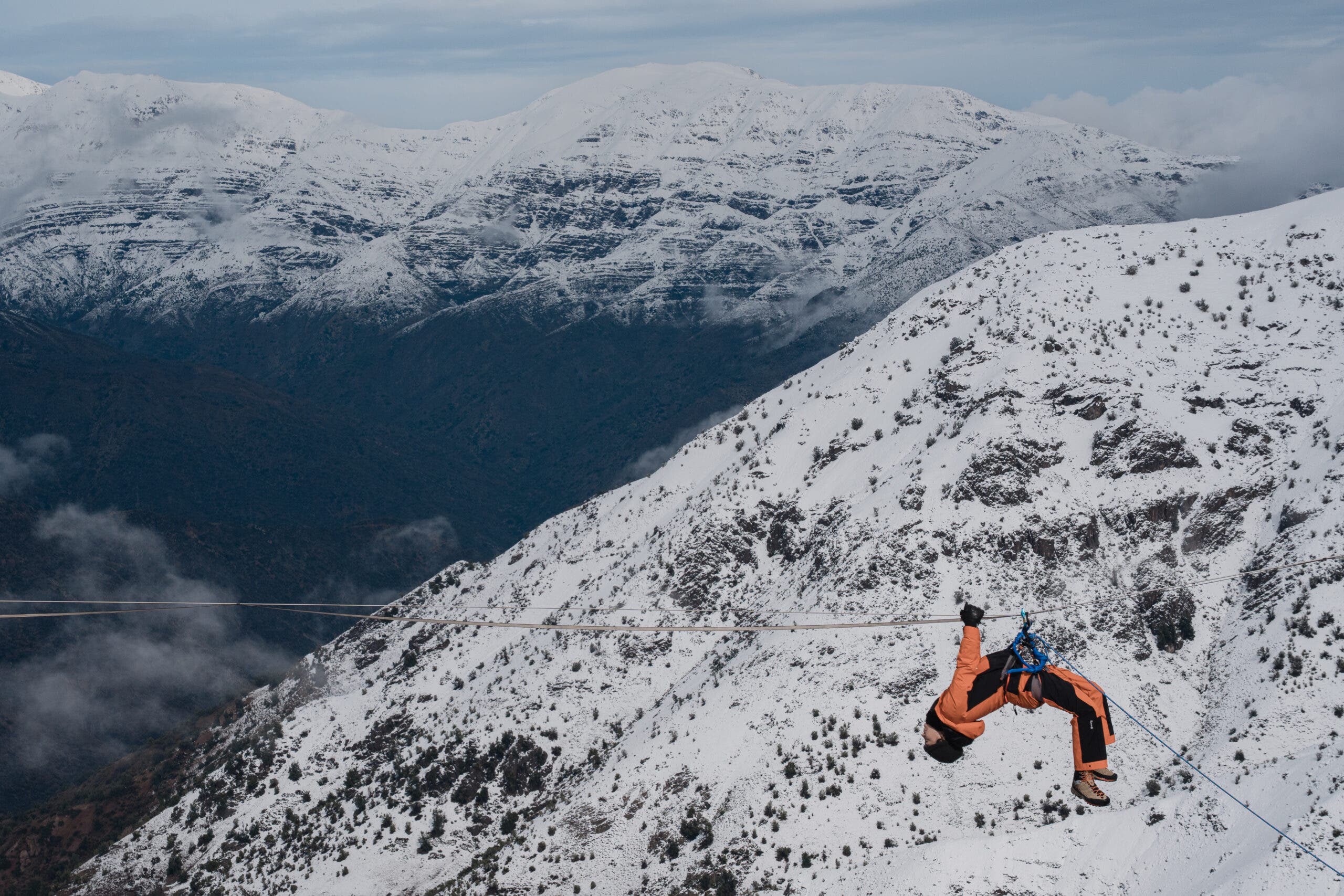
Guiding these experts through the unforgiving Andean terrain is Spencer Harkins, designated in the series as an "unwellness guru." Harkins, an experienced mountaineer whose personal boundary-pushing includes grueling expeditions on Denali, leads the cohort through a reimagined slate of backcountry trials. These activities deliberately subvert typical wellness regimes, replacing spa-like environments and routine studio sessions with alpine highlines, technical ice climbing, high-altitude snow plunges, and simulated high-intensity search-and-rescue scenarios.
Behind the dramatic framing of the series lies a rigorous logistical and safety framework. Mountain expeditions exceeding elevations of 10,000 feet carry inherent objective hazards, including acute mountain sickness, extreme weather shifts, and technical terrain risks. To mitigate these factors, Mammut integrated certified mountain professionals into the production pipeline. Every challenge was preceded by comprehensive technical instruction, gear management briefings, and strict safety preparations overseen by accredited alpine guides.
Chronology and Retrospective Context
The conceptual origins of the Unwellness Retreat trace back to evolving consumer trends observed within the outdoor recreation and fitness sectors following the COVID-19 pandemic. As indoor wellness facilities faced prolonged disruptions, participation in outdoor sports surged globally, prompting brands to reevaluate how consumers interact with nature.
Mammut, founded in Dintikon, Switzerland, in 1862 as a humble manufacturer of hand-made climbing ropes, has spent more than 160 years witnessing the evolution of mountain culture. Over the decades, the brand transitioned from a regional hardware supplier into a global market leader in technical alpine apparel, footwear, and safety equipment. The creation of the Unwellness Retreat reflects a calculated marketing shift by the 161-year-old company to engage digitally native audiences who may view traditional outdoor gear marketing as overly rigid or intimidating.
The production timeline for the series culminated in late October 2026, with the simultaneous digital release of all episodes across social media platforms. Alongside the video rollout, Mammut launched an interactive community component dubbed the #extremepose "Add Yours" challenge on Instagram Stories. This digital activation invites global audiences to transplant familiar indoor wellness poses—such as standard yoga postures or meditation stances—into rugged outdoor environments, with selected entries featured across Mammut’s corporate channels.
Supporting Data and Industry Analysis
The launch of the Unwellness Retreat arrives at a pivotal intersection of the wellness economy and the outdoor recreation market. According to recent data compiled by the Global Wellness Institute (GWI), the wellness economy has rebounded strongly, with the physical activity, tourism, and mental wellness sectors experiencing continuous compound annual growth. Concurrently, market research indicates a rising consumer fatigue regarding digital quantification and hyper-optimized lifestyles.
Psychological studies on environmental exposure consistently demonstrate that immersion in natural, unstructured environments lowers cortisol levels, enhances cognitive function, and fosters resilience. However, traditional wellness tourism often attempts to sanitize nature, offering glamping retreats, resort-style yoga decks, and climate-controlled hiking excursions. Mammut’s initiative cuts against this sanitized approach by stripping away predictability.
Industry analysts note that while traditional wellness focuses on risk reduction and stress mitigation, adventure-based wellness deliberately introduces controlled adversity. By forcing participants to manage physiological stress responses—such as cold shock during snow plunges or psychological vulnerability while navigating highlines—the retreat model aligns more closely with principles of exposure therapy and experiential psychology than commercial spa culture.
Statements, Philosophy, and Expert Perspectives
The philosophical core of the Unwellness Retreat is anchored in the belief that human adaptability is stifled by hyper-comfort. Spencer Harkins, reflecting on his formative expeditions, emphasized that physical and mental breakthroughs rarely occur within familiar routines.
"The unexpected lesson is how much you can stand on your own shoulders by doing things that take you out of your comfort zone," Harkins stated regarding his mountaineering background. Recalling his expedition on Denali—North America’s highest peak, rising to 20,310 feet—Harkins noted that confronting extreme alpine environments permanently altered his self-perception. "My perspective on what I was capable of changed when I went to Denali. It was a powerful experience that led me to go further in the mountains and do so much more. I think the yoga pose that this guru would leave you with is to stand on your own shoulders. It takes a lot of flexibility and a lot of stretching, but you have the power to do that."
Mammut’s leadership shares this sentiment, viewing the campaign as a natural extension of the brand’s foundational ethos. For over a century and a half, the Swiss company has championed safety through pioneering innovation, bridging the gap between rigorous technical performance and contemporary design. By framing the high mountains not merely as a playground for elite athletes, but as an accessible theater for personal transformation, the brand aims to redefine how everyday consumers perceive risk, resilience, and self-discovery.
Broader Impact and Industry Implications
The commercial and cultural implications of Mammut’s Unwellness Retreat extend beyond a standard social media marketing campaign. By merging the cultural cachet of wellness influencers with genuine alpine mountaineering, the brand is actively targeting demographic segments that prioritize experiential authenticity over passive consumption.
As digital saturation and screen fatigue continue to impact younger demographics, outdoor brands are increasingly forced to innovate their storytelling methods. Campaigns that emphasize raw vulnerability, teamwork, and environmental interaction resonate more effectively than traditional product-centric advertisements. Furthermore, by inviting user-generated content through the #extremepose challenge, Mammut has successfully transformed a passive viewing experience into an active, community-driven movement.
Ultimately, the Unwellness Retreat serves as a timely reminder that personal growth cannot be downloaded, tracked, or optimized via an algorithm. Whether suspended thousands of feet above a glacier on a highline or navigating the physical demands of an Andean snow plunge, participants and viewers alike are encouraged to look past the data screens, embrace the discomfort of the natural world, and discover what lies beyond the boundaries of modern convenience.



 Gabriela Annisa

 Lukman Taruna Persada Ramadan

 Tatiana Tantri Indah Sari


 Dwi Wanna
