
 Walid Sujud Trenggono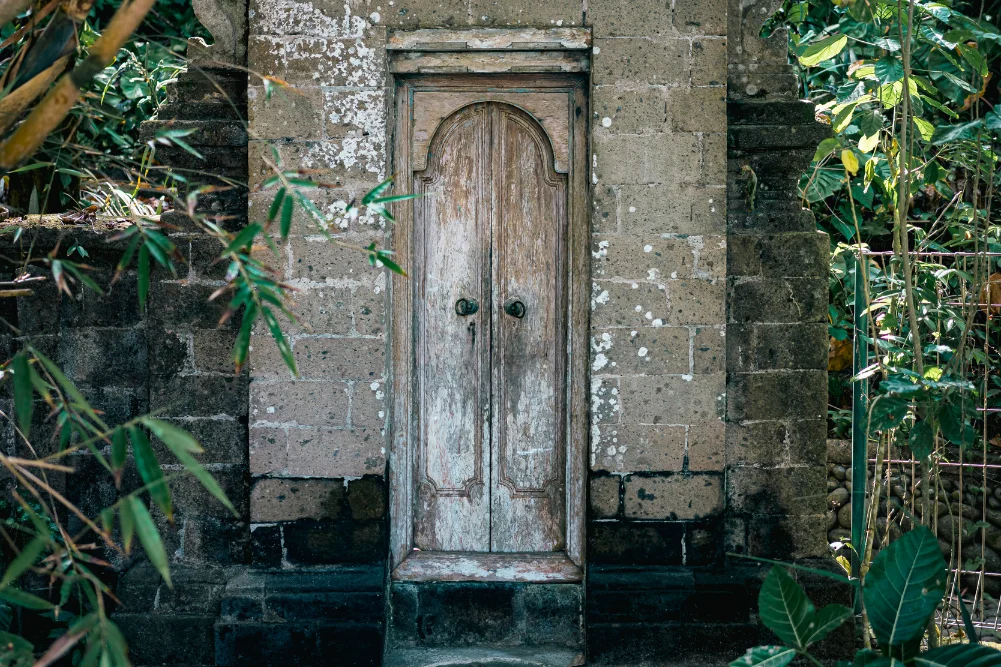
While the southern tip of Bali remains the primary magnet for international tourism, a significant shift in traveler preferences is drawing a new demographic toward the island’s rugged western coastline. For decades, the corridor spanning Kuta, Seminyak, and Canggu has defined the Balinese holiday experience through high-density development, vibrant nightlife, and luxury beach clubs. However, as these regions grapple with infrastructure strain and environmental pressures, the west coast—specifically the areas surrounding Balian Beach and Medewi—is emerging as a bastion of the "old Bali" aesthetic. This region offers a stark contrast to the commercialized south, characterized by volcanic black-sand beaches, uncrowded surf breaks, and a preservation of traditional agrarian life that remains largely untouched by the rapid urbanization seen elsewhere on the island.
The Geography of Balian: A Volcanic Sanctuary
Balian Beach, situated in the village of Lalanglinggah within the Tabanan Regency, serves as the gateway to Bali’s wilder west. Located approximately 50 kilometers—or a two-hour drive—northwest of Ngurah Rai International Airport, the landscape undergoes a dramatic transformation as one moves away from the Denpasar metropolitan area. The white-sand shores of the south give way to a dramatic coastline of grey and black volcanic sand, a testament to the island’s tectonic origins and the proximity of Mount Batukaru, Bali’s second-highest peak.
The allure of Balian is rooted in its geographical isolation. Unlike the manicured beachfronts of Nusa Dua, Balian is defined by sea-ravaged volcanic crags and a coastline that endures the full force of Indian Ocean swells. The Balian River, considered sacred by local residents, meets the sea here, creating a river mouth break that is world-renowned among surfing enthusiasts. This intersection of freshwater and saltwater not only shapes the surf but also sustains the lush rice paddies that terrace the hillsides overlooking the ocean. The presence of these paddies, often tended by multi-generational farming families, provides a visual narrative of Bali’s Subak irrigation system, which is recognized by UNESCO for its cultural and ecological significance.
Infrastructure and the Changing Face of West Bali
For years, the west coast was shielded from mass tourism by the logistical challenge of the Jalan Raya Denpasar-Gilimanuk, the primary artery for heavy logistics trucks traveling between Bali and Java. However, the Indonesian government has signaled a commitment to improving access to this region. The proposed Gilimanuk-Mengwi Toll Road, a project spanning approximately 96 kilometers, is designed to drastically reduce travel times from the south to the west. While currently facing various construction and funding timelines, the project represents a pivotal moment for West Bali.
Economic analysts suggest that improved infrastructure will likely lead to a surge in land value and boutique development. Local stakeholders and environmental groups, however, have expressed concerns regarding the preservation of the "authentic" vibe that currently defines Balian. The tension between necessary economic development and the preservation of the region’s rural character is a central theme in the current discourse surrounding West Balinese tourism. For now, the lack of a high-speed link ensures that Balian remains a destination for "slow travelers"—those willing to navigate the winding coastal roads in exchange for tranquility.
The Surf Economy and Micro-Tourism
Surfing remains the primary economic driver for the Balian and Medewi regions. The surf culture here is notably different from the competitive atmosphere of Uluwatu or the crowded beginner waves of Kuta. Balian offers three distinct breaks that cater to various skill levels. The "Main Peak" provides a consistent A-frame wave that barrels to the right and peels long to the left, while "Ketuts," located across the river mouth, offers a more technical, high-performance right-hander.
The seasonal climate plays a crucial role in the quality of the surf. From April to October, the "dry season" brings reliable southeasterly trade winds. During the early morning hours, cool mountain air from the interior blows offshore, grooming the swells into clean, rideable faces. This meteorological phenomenon ensures that the water remains active throughout the day, though the wind typically picks up by noon, signaling the end of the morning session.
Beyond the waves, a micro-economy of wellness and local hospitality has flourished. Yoga shalas, such as the Balian Spirit Yoga studio led by local instructor Nicky Sudianta, offer a blend of Hatha and Vinyasa practices that cater to both travelers and locals. This integration of wellness and surf culture has allowed Balian to position itself as a holistic retreat destination. Unlike the large-scale resorts of the south, accommodation in Balian consists primarily of private villas and traditional compounds, where tourism income often directly supports extended Balinese families.
Cultural Preservation Amidst Development
One of the most distinctive features of the west coast is the prevalence of traditional Balinese compounds. These architectural structures are designed according to the "Asta Kosala Kosali" (the Balinese Feng Shui), which dictates the placement of buildings based on their relationship to the mountains and the sea. In Balian and Lalanglinggah, these walled compounds house three or four generations of a family, centered around a family temple.
The social fabric of the west remains tightly knit. Travelers frequently observe local rice planters and fishermen going about their daily routines, often welcoming visitors with a degree of hospitality that has become rarer in the high-traffic zones of the south. There is a notable absence of "street-side badgering"—the aggressive sales tactics often encountered in Kuta—which contributes to the region’s reputation for authenticity. This cultural integrity is a significant draw for "regenerative tourists" who seek to minimize their footprint and engage meaningfully with local customs.
Navigating the Hazards: The Medewi Point Break and Ecological Realities
Continuing an hour further west from Balian leads to Medewi and the village of Yeh Sumbul. This area is home to Bali’s longest left-hand point break, a wave that can run for over 300 meters on a good swell. The coastline here is even more rugged, with a tricolored landscape of blue sea, grey sand, and verdant grazing lands.
However, the wildness of the west coast brings inherent natural risks. The river mouths, while essential for creating surf breaks, are also known habitats for bull sharks, particularly following heavy torrential downpours when river runoff is high. Local surf guides and long-term residents maintain a cautious respect for the water, often advising surfers to avoid the river mouth after heavy rains. Furthermore, the powerful currents of the Indian Ocean can be treacherous for inexperienced swimmers. The lack of a centralized lifeguard service, common in the south, places a greater emphasis on personal responsibility and local knowledge.
The Accommodation Paradox
The west coast presents a paradox in terms of hospitality infrastructure. While Balian has a established range of boutique villas like Pondok Pitaya and Pondok Hari Baik, further west in Yeh Sumbul, the options become significantly more limited. Travelers often find themselves choosing between high-end isolated resorts or very basic, budget-oriented surf camps.
This "missing middle" in the accommodation sector is a deterrent for some families, as evidenced by the experiences of travelers who find the transition from the polished amenities of the south to the "rougher" digs of the west a challenge. Yet, for many, the trade-off—exchanging air-conditioned luxury for a soul-restoring environment—is the very point of the journey. The experience of dining on gado gado (an Indonesian salad with peanut sauce) at a simple beachfront warung while watching the sunset over an empty horizon is a luxury of a different kind.
Broader Implications and Future Outlook
The narrative of Bali’s west coast is one of balance. As the island continues to recover from the global tourism hiatus of 2020-2022, there is a growing realization that the pre-pandemic model of high-volume tourism may not be sustainable. The west coast offers a template for a different approach: one that prioritizes geography, local culture, and niche interests like surfing and yoga over mass-market appeal.
The future of the region will likely be defined by how it manages the inevitable increase in accessibility. If the proposed toll road and other infrastructure projects are completed, the challenge will be to implement zoning laws that protect the rice paddies and coastal integrity from the urban sprawl that has characterized the Canggu-to-Uluwatu corridor.
For the modern traveler, the west coast remains a vital reminder of why Bali became a global destination in the first place. It is a landscape where the rhythm of the tides and the cycle of the rice harvest still dictate the pace of life. Whether it is the consistent waves of Balian, the spiritual depth of the local temples like Luhur Srijong, or the simple serenity of a coconut grove, the west coast stands as a testament to the enduring power of the island’s natural and cultural heritage. As the sun sets over the Indian Ocean, casting long shadows across the volcanic sands, it is clear that for those willing to go the distance, Bali’s wild west offers a profound sense of clarity that is increasingly hard to find elsewhere.



 Anjar Salim
 Chandra Hamzah
 Tatiana Tantri Indah Sari
 Budi Mulyono
 Lukman Taruna Persada Ramadan
