
 Budi Mulyono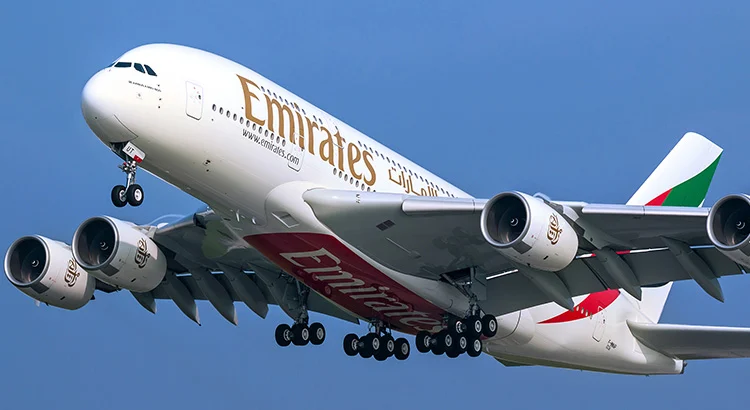
Emirates, the world’s largest international airline, has announced a comprehensive suite of adjustments to its Skywards loyalty program, aimed at supporting frequent flyers whose travel patterns have been disrupted by ongoing geopolitical instability in the Middle East. The Dubai-based carrier is introducing a two-pronged strategy to ensure its most loyal customers maintain their elite status despite the current regional climate. Effective immediately, the airline is offering a 20% bonus on Tier Miles for all flights booked across its global network and flydubai, while simultaneously lowering the thresholds required to achieve or retain Silver, Gold, and Platinum status by 20%. These measures, set to remain in place until August 31, 2024, represent a significant intervention by the airline to protect its market share and maintain customer engagement during a period of heightened regional uncertainty.
The decision to modify loyalty requirements comes as the aviation industry in the Middle East navigates a complex landscape of airspace closures, rerouted flight paths, and fluctuating passenger demand. By reducing the barriers to entry for elite status, Emirates is signaling its commitment to its "Globalistas"—the high-frequency travelers who form the backbone of the airline’s premium cabin revenue. Under the revised criteria, the 20% reduction applies to both the Tier Miles earned and the number of flight segments completed, providing multiple pathways for members to secure their benefits for the upcoming year.
Detailed Breakdown of the Tier Status Adjustments
The core of the new initiative is the 20% reduction in status requirements. This adjustment is particularly significant for members who were on the cusp of transitioning to a higher tier or those whose business travel has been curtailed due to project cancellations or safety concerns in specific regional markets.
Historically, Emirates Skywards has maintained some of the most rigorous status requirements in the industry. Under the temporary relief measures, the revised thresholds are expected to be as follows:
- Silver Status: Traditionally requiring 25,000 Tier Miles or 25 flights, the temporary requirement drops to 20,000 Tier Miles or 20 flights.
- Gold Status: Usually requiring 50,000 Tier Miles or 50 flights, the threshold is now 40,000 Tier Miles or 40 flights.
- Platinum Status: The elite tier, which normally demands 100,000 Tier Miles, is now attainable at 80,000 Tier Miles.
In addition to the lowered hurdles, the 20% Tier Mile bonus acts as a powerful accelerant. For every mile flown on Emirates or its sister airline, flydubai, members will receive an additional one-fifth of the Tier Mile value. This bonus is applicable to all fare classes and all destinations, making it one of the most inclusive loyalty promotions the airline has launched since the recovery phase of the COVID-19 pandemic.
Context of Regional Conflict and Aviation Impact
The timing of these promotions is directly linked to the broader geopolitical situation in the Levant and the Red Sea corridor. Since late 2023, the Middle Eastern aviation sector has faced a series of operational hurdles. Conflict in the region has led to the periodic closure of airspace in various countries, forcing airlines to adopt longer, more fuel-intensive routes to avoid potential danger zones. For a hub-and-spoke carrier like Emirates, which relies on the seamless transit of passengers through Dubai International Airport (DXB), any regional instability can lead to a "wait-and-see" approach from international travelers.
Flight data from early 2024 indicates that while global demand for air travel remains robust, specific corridors within the Middle East have seen a decline in point-to-point traffic. Furthermore, the suspension of flights to certain destinations—such as Tel Aviv, Beirut, and occasionally Amman—has directly impacted the ability of regional frequent flyers to accumulate the miles necessary for status retention. By implementing these Skywards updates, Emirates is effectively "freezing" the progress of its members, ensuring they are not penalized for circumstances beyond their control.
Chronology of the Loyalty Response
The evolution of Emirates’ response to regional challenges has been marked by a proactive stance on customer relations.
- October 2023: Initial flight suspensions to conflict-affected zones began, with Emirates offering flexible rebooking and refund policies.
- January 2024: Internal reviews at Skywards reportedly began as data showed a divergence in travel patterns between Western/Asian routes and regional Middle Eastern routes.
- March 2024: Emirates intensified its partnership with flydubai, expanding codeshare agreements to offer more flexible routing for passengers affected by local disruptions.
- Current Phase: The launch of the 20% Tier Mile bonus and status reduction represents the formalization of the airline’s "loyalty protection" strategy.
This chronology mirrors the airline’s actions during the 2020-2022 period, where it was among the first major carriers to offer automatic status extensions. However, the current approach is more targeted, incentivizing continued flying through the bonus miles while acknowledging the difficulty of meeting original targets through the reduced thresholds.
Strategic Synergy with flydubai
The inclusion of flydubai in this promotion is a critical component of the strategy. As the regional specialist, flydubai covers many of the secondary cities and conflict-adjacent zones that Emirates’ heavy wide-body fleet does not service. By allowing Skywards members to earn bonus Tier Miles on flydubai, the airline group ensures that even short-haul regional travel contributes meaningfully toward status.
The partnership between the two airlines has deepened significantly over the last five years. Skywards is now the unified loyalty program for both carriers, allowing for a seamless transition of benefits. For travelers who may be hesitant to book long-haul international trips but continue to fly regionally for business, the ability to earn 20% extra Tier Miles on flydubai flights is a vital incentive to remain within the Dubai aviation ecosystem.
Industry Implications and Competitive Analysis
Emirates’ move is likely to resonate across the "ME3" (the three major Middle Eastern carriers: Emirates, Qatar Airways, and Etihad). Traditionally, when one of these giants adjusts its loyalty terms in response to regional events, the others follow suit to prevent "status matching" by competitors.
Industry analysts suggest that the 20% reduction is a calculated risk. While it may lead to an "elite heavy" membership base in the short term, it prevents the more catastrophic loss of customer lifetime value that occurs when a Platinum or Gold member switches to a rival alliance (such as Star Alliance or Oneworld) due to lost benefits. In the premium aviation market, the cost of acquiring a new high-value customer is significantly higher than the cost of maintaining an existing one through mile bonuses.
Furthermore, this move supports Dubai’s broader economic goals. The Dubai Economic Agenda (D33) aims to double the size of the emirate’s economy over the next decade, with tourism and transport being central pillars. By keeping the frequent flyer community engaged, Emirates ensures that Dubai remains the preferred transit hub for the global business elite, even when geopolitical tensions dominate the headlines.
Impact on the Passenger Experience
For the individual traveler, the benefits of maintaining status are substantial. Emirates Gold and Platinum members enjoy access to the airline’s world-class lounges, priority boarding, additional baggage allowances, and, perhaps most importantly, higher priority for operational upgrades. During times of travel disruption, elite status often determines who receives the most assistance with rebooking and accommodation.
By lowering the barrier to these perks, Emirates is providing a "safety net" for its customers. A traveler who might have fallen short of Gold status by 5,000 miles can now secure their lounge access for another year, reinforcing their emotional and financial tie to the brand.
Official Stance and Outlook
While Emirates has not issued an extensive press release detailing the specific "conflict" as the sole reason, the language used in the program updates—referencing "program updates" and "supporting our members during this time"—aligns with standard corporate communication strategies for handling sensitive geopolitical issues. The airline continues to emphasize that its global network remains largely operational and that Dubai remains a safe and vibrant hub for international transit.
Looking ahead, the August 31 deadline suggests that the airline will reassess the situation in late summer. If regional tensions ease, the program may return to its standard requirements. However, if disruptions persist, further extensions or modifications remain a possibility. For now, the message to the traveling public is clear: Emirates is willing to adjust the rules of the game to ensure its most loyal advocates remain on board.
In conclusion, the 20% bonus and reduced tier requirements serve as both a tactical response to a regional crisis and a strategic move in the ongoing "loyalty wars" of international aviation. By prioritizing customer retention over rigid adherence to mile requirements, Emirates is reinforcing its position as a customer-centric leader in the global skies, ensuring that when the regional situation stabilizes, its most valuable passengers are still carrying an Emirates Skywards elite card in their wallets.




 Anjar Salim
 Chandra Hamzah
 Tatiana Tantri Indah Sari
 Lukman Taruna Persada Ramadan
