
 Budi Mulyono
The intersection of historical preservation, international tourism, and social etiquette recently culminated in a series of confrontations at Ahu Tongariki, the largest ceremonial structure on Easter Island (Rapa Nui). As global travel continues to reach pre-pandemic levels, the behavior of visitors at high-traffic UNESCO World Heritage sites has come under increased scrutiny. A recent incident involving a group of sunrise photographers and an agitated visitor has highlighted the growing tension between individual "content creation" and the collective experience of cultural landmarks. The event, which occurred during the early morning hours at the site of the 15 moai statues, serves as a microcosm for broader issues facing the travel industry, including "photo-rage," animal welfare, and the erosion of common courtesy in shared public spaces.
The Significance of Ahu Tongariki and the Sunrise Tradition
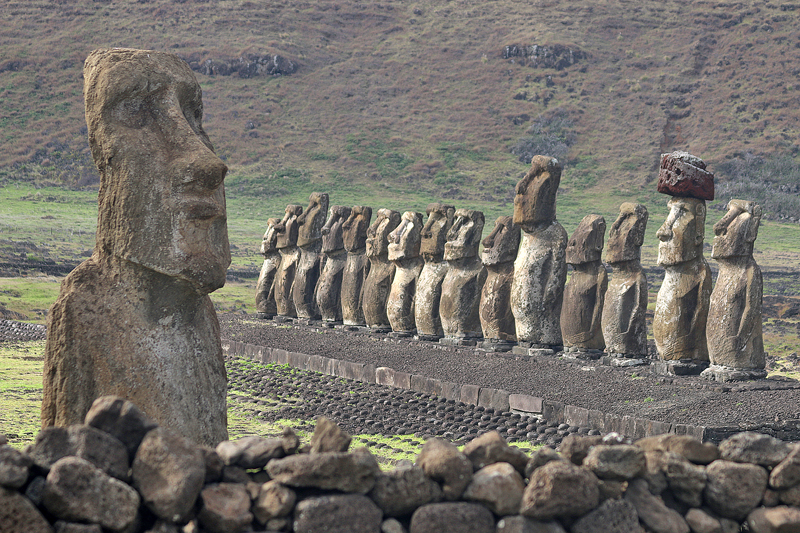
To understand the weight of the incident, one must first consider the cultural and logistical context of the location. Ahu Tongariki is the crown jewel of Rapa Nui National Park. It features 15 massive moai—monolithic human figures carved by the Rapa Nui people between the years 1250 and 1500. These statues were famously toppled during the island’s civil wars and later swept inland by a massive tsunami triggered by the 1960 Great Chilean Earthquake. The site was meticulously restored in the 1990s through an international collaboration between the Chilean government, archaeologists, and the Japanese crane manufacturer Tadano.
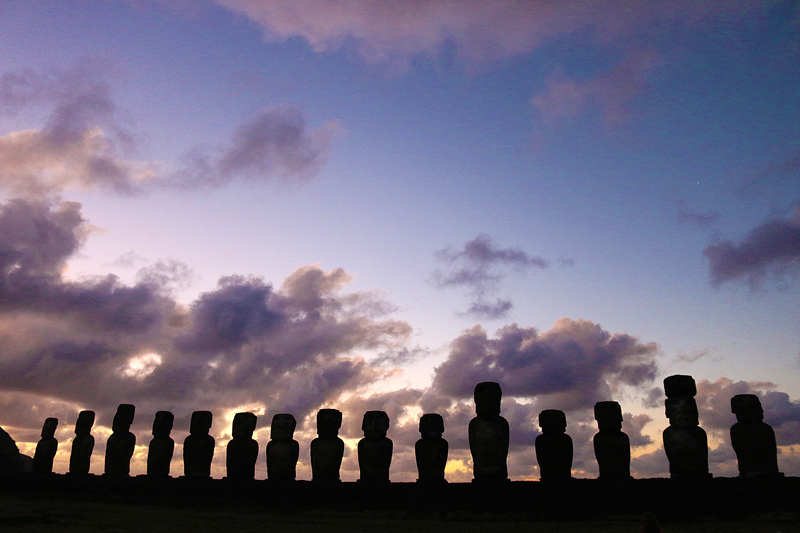
Today, Ahu Tongariki is most famous for its sunrise. Because the ahu (platform) faces the east, the sun rises directly behind the 15 silhouettes during the summer solstice, creating one of the most sought-after photographic opportunities in the world. Visitors typically depart from the main town of Hanga Roa at approximately 5:30 AM to secure a vantage point on the vast grassy plains facing the Pacific Ocean. The site is spacious, covering several acres, yet the "ideal" line for photography remains a focal point for congestion.
Chronology of the June 15 Incident
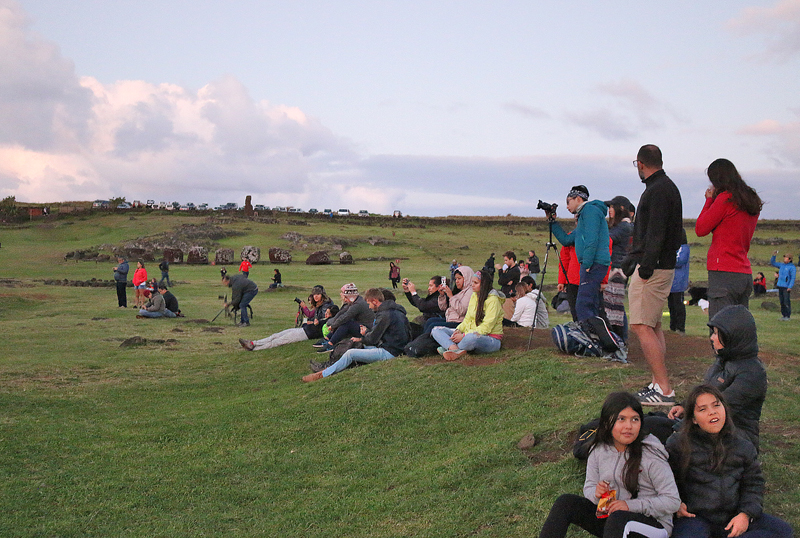
On the morning of Saturday, June 15, a significant crowd gathered at the site well before dawn. The atmosphere was initially described as one of quiet anticipation, with visitors dispersed across the grounds. According to witnesses and observers present at the scene, the crowd was divided into two primary groups: those who remained stationary to capture time-lapse footage or long-exposure shots, and those who moved periodically to capture different angles of the monoliths as the light changed.
The conflict began shortly after the sun broke the horizon. An American traveler, described as a middle-aged man utilizing a mobile phone mounted on a small tripod, began expressing vocal dissatisfaction with other visitors. As photographers moved through the area to find new perspectives, the man reportedly addressed a fellow visitor with a tone described as "thick with disdain," asking, "Are you really going to be standing there the whole time?"
The target of the remark had been standing in a specific spot for only a few minutes before preparing to move. Observers noted that the man making the complaint was lying on the grass near a rock, a position that arguably made him less visible to those walking nearby. The confrontation escalated when the man, realizing his initial outburst had drawn negative attention, attempted to offer a backhanded concession by telling others they were "permitted" to sit down so as not to block his view. This was met with immediate pushback from other tourists, including one woman who curtly thanked him for "giving us permission to sit."
The situation deteriorated further when a friendly stray dog—one of many that roam Rapa Nui freely—approached the man. On Easter Island, local animals are generally protected by the community and are known to interact with tourists. Witnesses reported a "collective gasp" from the crowd when the man reportedly kicked the animal to drive it away from his camera setup. This act of perceived cruelty shifted the mood of the crowd from mere annoyance to active mockery and condemnation. For the remainder of the morning, the man became a subject of ridicule among other visitors, who began jokingly asking each other for "permission" to move or take photos, turning the individual’s behavior into a cautionary meme regarding tourist entitlement.
Supporting Data: The Rise of Tourist Friction
The incident at Ahu Tongariki is not an isolated event but rather part of a documented trend in global tourism. According to data from the Rapa Nui National Park (Ma’u Henua), the island receives approximately 100,000 to 150,000 visitors annually. While these numbers are small compared to sites like the Louvre or Machu Picchu, the geographical isolation of Easter Island means that the density of tourists at specific times—such as sunrise at Tongariki—creates high-pressure environments.
A 2023 study on "Over-tourism and Social Friction" published in the Journal of Travel Research suggests that the "democratization of photography" via smartphones has increased the value of "clean" shots (photos without other people in them). This has led to a rise in "Main Character Syndrome," a psychological phenomenon where individuals view their personal experience and content creation as more important than the collective experience of the group.
Furthermore, animal welfare in tourist zones has become a flashpoint for international travelers. Organizations like World Animal Protection note that how a tourist interacts with local fauna is often a leading indicator of their overall adherence to ethical travel standards. In the case of Rapa Nui, where dogs are integrated into the social fabric of the island, violence against an animal is viewed by locals and informed travelers as a significant breach of the "Rapa Nui Code."
Official Guidelines and Ethical Standards
While the Ma’u Henua administrative body has not issued a specific statement regarding this individual incident, their standing "Rules of Visit" are clear. All visitors are required to stay on marked paths, never touch the moai, and respect the natural and social environment. The park’s guidelines emphasize Rapanui values, particularly the concept of Umanga, which refers to reciprocal labor and community cooperation.

Professional photography associations, including the North American Nature Photography Association (NANPA), provide clear ethical guidelines for shooting in crowded public spaces:
- The "First-Come" Principle: While the person who arrives first has a right to their spot, they do not own the entire field of vision.
- Mobility: Photographers are encouraged to be "fluid," taking their shots and then stepping back to allow others the same opportunity.
- Communication: If someone is blocking a shot, a polite request is the industry standard. Aggression or condescension is universally discouraged.
- Environmental Respect: This includes not disturbing local wildlife or domestic animals to "save" a shot.
Analysis of Broader Implications
The events at Ahu Tongariki reflect a growing need for a "New Etiquette" in the age of digital travel. The irony of the situation was not lost on those present: a man seeking to capture a "serene" and "timeless" sunrise at a site of profound spiritual significance engaged in behavior that was neither serene nor respectful.
The psychological impact of such interactions can tarnish the travel experience for dozens of people. In this instance, the "Comic Book Guy" (as he was nicknamed by observers) did not succeed in clearing his frame; instead, he became the focal point of the crowd’s frustration. This suggests that social policing—where a group collectively signals disapproval of bad behavior—remains a powerful tool in managing tourist conduct in the absence of official park rangers at every corner.
Moreover, the incident highlights the difference between "loitering" and "observing." Loitering at a place of interest, particularly while distracted by electronic devices, is a common grievance among travelers. However, as the observers at Tongariki noted, most "offenders" are simply unaware that they are in someone’s way. A polite request almost always results in a quick and friendly resolution. When that politeness is replaced by "disdain" and "arrogance," the social contract of the tourist site breaks down.
Conclusion and Final Observations
As the sun rose over the 15 moai on June 15, the physical beauty of the island was momentarily eclipsed by human discord. The incident serves as a reminder that the quality of a travel experience is defined as much by the people around us as by the monuments before us.
For the authorities at Rapa Nui and other heritage sites, the challenge remains: how to balance the freedom of the visitor with the necessity of maintaining a respectful, safe, and communal environment. For the traveler, the lesson is simpler: no photograph, no matter how perfectly framed or lit, is worth the cost of one’s dignity or the mistreatment of a living creature.
The South African visitor who mocked the man’s behavior summed up the sentiment of the morning: in a place where statues have stood for centuries as silent witnesses to history, the loud and entitled behavior of a single morning visitor felt remarkably small. Common courtesy, patience, and a respect for the shared nature of global wonders remain the only sustainable way to travel in an increasingly crowded world. All visitors to Rapa Nui are encouraged to remember that they are guests of the Rapa Nui people and the ancient moai—not the owners of the view.




 Anjar Salim
 Chandra Hamzah
 Tatiana Tantri Indah Sari
 Lukman Taruna Persada Ramadan