
 Budi Mulyono
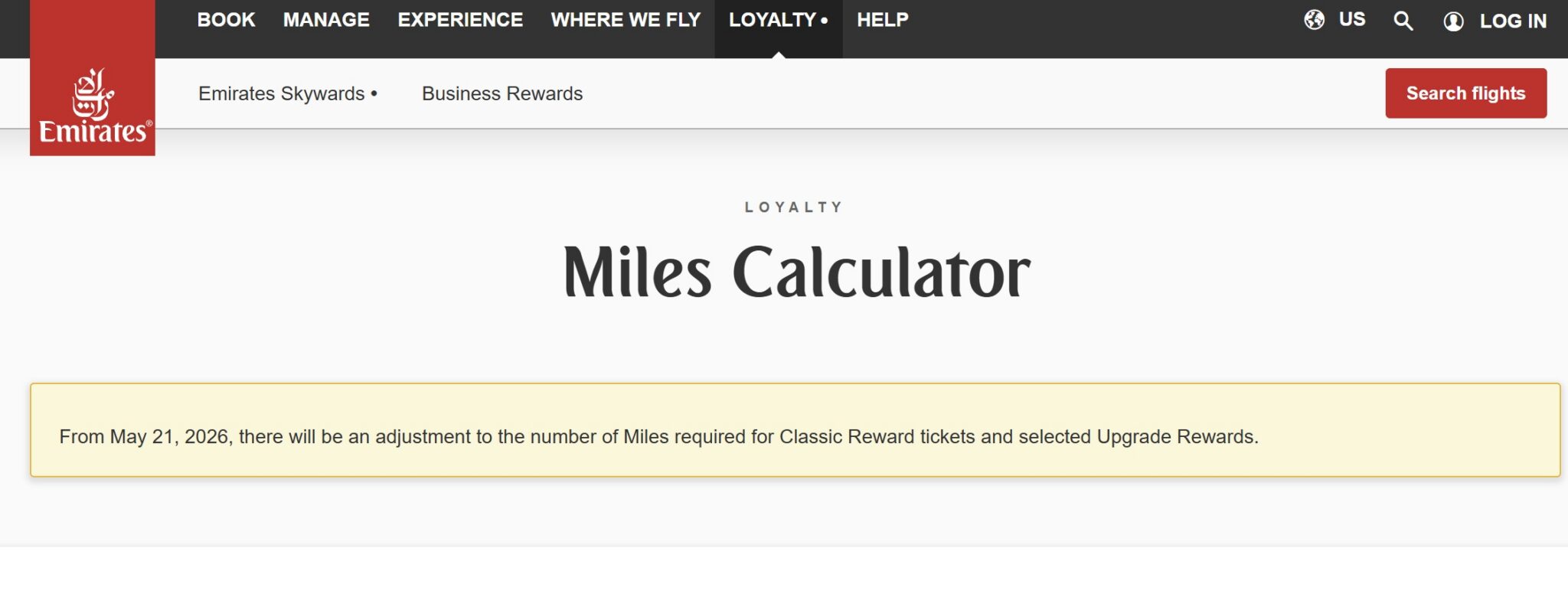
The Emirates Skywards loyalty program has officially implemented a significant restructuring of its mileage redemption rates for Classic Rewards and Upgrade Rewards, effective May 21. This update, which follows a prior notice posted on the airline’s mileage calculator, introduces a dual-layered impact on frequent flyers. While the cost of round-trip premium-cabin awards and business-class upgrades has risen by approximately 15% across the carrier’s global network, the airline has simultaneously introduced the ability to book one-way "Saver" awards. This latter change represents a strategic shift in the program’s accessibility, as one-way business-class bookings were previously restricted to the significantly more expensive "Flex Plus" fare tier.
Overview of the Redemption Adjustments
The adjustments to the Emirates Skywards program represent a complex recalibration of value for its millions of members. For several years, the program has been characterized by a trend of increasing costs and decreasing availability through partner programs. The latest changes continue this trend in terms of absolute mileage requirements for round-trip travel but offer a new level of flexibility for travelers who do not require a return leg on the same carrier.
Under the new pricing model, "Classic Rewards"—the airline’s term for standard mileage redemptions—now reflect a higher baseline for business and first-class cabins when booked as a return journey. Analysts noted that these 15% increases apply broadly, affecting routes from the airline’s hub in Dubai to destinations across North America, Europe, Asia, and Africa. However, the introduction of one-way Saver awards has created a unique mathematical anomaly for specific routes, particularly those classified as "fifth freedom" flights.
The One-Way Saver Innovation and Fifth Freedom Impact
The most notable positive outcome of this restructuring is the reduction in mileage required for one-way business-class seats on specific high-demand routes. Previously, Emirates Skywards members looking to book a one-way business-class flight were forced into the "Flex Plus" category. For the airline’s popular fifth freedom routes—flights operated between two countries where neither is the airline’s home base—this meant a high entry price.
Specifically, the routes between New York (JFK) and Milan (MXP), and between Newark (EWR) and Athens (ATH), have seen a dramatic decrease in one-way pricing. Prior to May 21, a one-way business-class seat on these routes cost approximately 87,000 Skywards miles. With the introduction of one-way Saver awards, the price for the same seat has dropped to 59,000 miles, representing a decrease of nearly 32%.
This change is particularly significant for travelers who utilize "open-jaw" itineraries or those who prefer to mix and match airlines using various point currencies. By lowering the barrier to entry for one-way premium travel, Emirates has made its most sought-after transatlantic products more accessible to casual point collectors, even as it raises the cost for traditional round-trip loyalists.
A Chronology of Devaluation: The Context of Recent Changes
To understand the significance of the May 21 update, it is necessary to examine the trajectory of the Emirates Skywards program over the last three years. The airline has engaged in a series of maneuvers that have generally been viewed as detrimental to the value of its frequent flyer currency.
- Surcharge Increases (2022-2023): Emirates significantly increased the carrier-imposed surcharges (often referred to as fuel surcharges) on award tickets. On many routes, these surcharges now exceed $800 for a one-way business-class flight, making "free" flights considerably more expensive in terms of cash outlays.
- Transfer Ratio Reductions: In a move that affected North American cardholders, the transfer ratio from certain bank partners, such as Capital One, was reduced. Previously a 1:1 transfer, the ratio shifted to 1,000:750, effectively increasing the number of credit card points required to secure the same number of Skywards miles.
- Restricted Partner Access: Emirates has moved to limit the availability of its premium cabin awards to partner airlines. While it was once possible to book Emirates First Class through partners like Alaska Airlines or Air Canada Aeroplan, those options have been largely eliminated or restricted to Emirates’ own elite status members.
- First Class Exclusivity: Access to First Class redemptions has increasingly been cordoned off, with the airline prioritizing its own "Platinum" and "Gold" members for award space, further distancing the program from the broader ecosystem of transferable point currencies.
Comparative Analysis of Award Pricing
The May 21 changes create a new competitive landscape for Emirates. By pricing a one-way transatlantic business-class seat at 59,000 miles, Emirates now sits in a middle ground between low-cost partner redemptions and high-cost dynamic pricing models.
For comparison, a business-class flight to Europe using Virgin Atlantic Flying Club points (to fly on Delta) or Air France-KLM Flying Blue miles can often be found for 50,000 to 70,000 miles, though availability is frequently scarce. Meanwhile, US-based legacy carriers like United Airlines or Delta Air Lines often charge well over 100,000 miles for similar one-way premium cabin flights due to their dynamic pricing structures.
The 15% increase in round-trip costs, however, pushes Emirates toward the higher end of the spectrum for return travel. A round-trip business-class flight that previously cost 145,000 miles may now exceed 165,000 miles. When combined with the high fuel surcharges, the "cents per point" value of Skywards miles for round-trip travel has seen a measurable decline.
Official Positioning and Market Response
While Emirates has not issued a formal press release detailing the motivations behind the May 21 changes, the move is consistent with industry-wide trends toward "unbundling" award flexibility. By offering Saver one-way awards, the airline is likely attempting to capture "excess" capacity on specific routes without devaluing the premium paid by round-trip business travelers.
Industry analysts suggest that the move to allow one-way Saver awards is a response to the growing popularity of transferable point programs like American Express Membership Rewards, Chase Ultimate Rewards, and Citi Treasury Rewards. These programs have created a class of "itinerary-agnostic" travelers who possess the points to fly Emirates but may not have the loyalty to book a return flight on the same carrier. By lowering the one-way threshold, Emirates remains a viable option for these high-value consumers.
However, the reaction from the frequent flyer community has been mixed. While the 59,000-mile one-way option is lauded for its utility, the consistent upward pressure on round-trip rates and the persistence of high surcharges remain points of contention.
Broader Implications for the Aviation Industry
The Emirates Skywards update reflects a broader shift in how global carriers manage their loyalty liabilities. As airlines recover from the financial disruptions of the early 2020s, many are seeking to rebalance their books by increasing the "price" of awards while simultaneously offering tactical "deals" to maintain engagement.
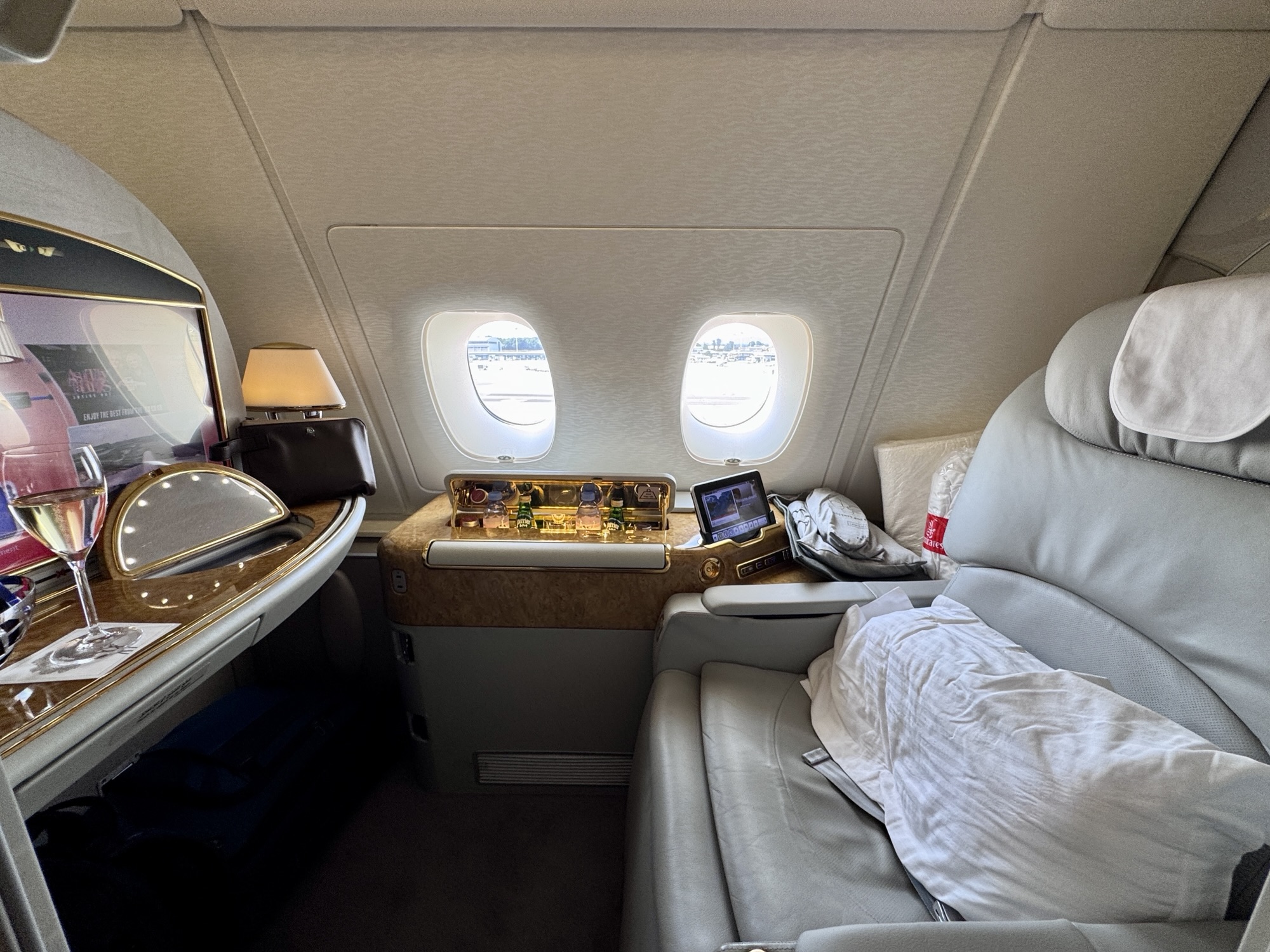
The specific focus on fifth freedom routes—JFK-MXP and EWR-ATH—highlights the importance of these segments for Emirates. These flights allow the airline to utilize aircraft that would otherwise be idle in Dubai or New York, and they serve as a critical marketing tool for the Emirates brand in the Western Hemisphere. By making these routes more "attainable" via one-way awards, Emirates ensures that its premium cabins remain full, maintaining the prestige of the product while collecting valuable data on a broader range of international travelers.
Furthermore, the 15% increase in upgrade costs suggests that Emirates is prioritizing cash revenue for its business-class cabins. Upgrades are a popular way for economy and premium-economy passengers to experience the airline’s luxury offerings. By raising the mileage requirement for these upgrades, the airline encourages passengers to either spend more miles or opt for cash-based "bid-to-upgrade" programs, which have become increasingly common across the industry.
Conclusion and Future Outlook
The May 21 changes to the Emirates Skywards program represent a "give-and-take" strategy. The devaluation of round-trip awards and upgrades is a significant blow to long-term loyalists who save miles for specific annual vacations. Conversely, the introduction of one-way Saver awards is a pragmatic improvement for the modern award traveler who values flexibility over brand-specific round-trip itineraries.
As the program continues to evolve, travelers should anticipate further adjustments to surcharges and partner availability. For now, the 59,000-mile one-way business-class award stands as one of the most competitive "sweet spots" in the transatlantic market, provided travelers are willing to overlook the associated cash surcharges. The long-term impact on the program’s reputation will depend on whether Emirates continues to provide consistent award availability or if these new, lower rates are merely a precursor to further restrictions.




 Anjar Salim
 Chandra Hamzah
 Tatiana Tantri Indah Sari
 Lukman Taruna Persada Ramadan
