
 Anjar Salim
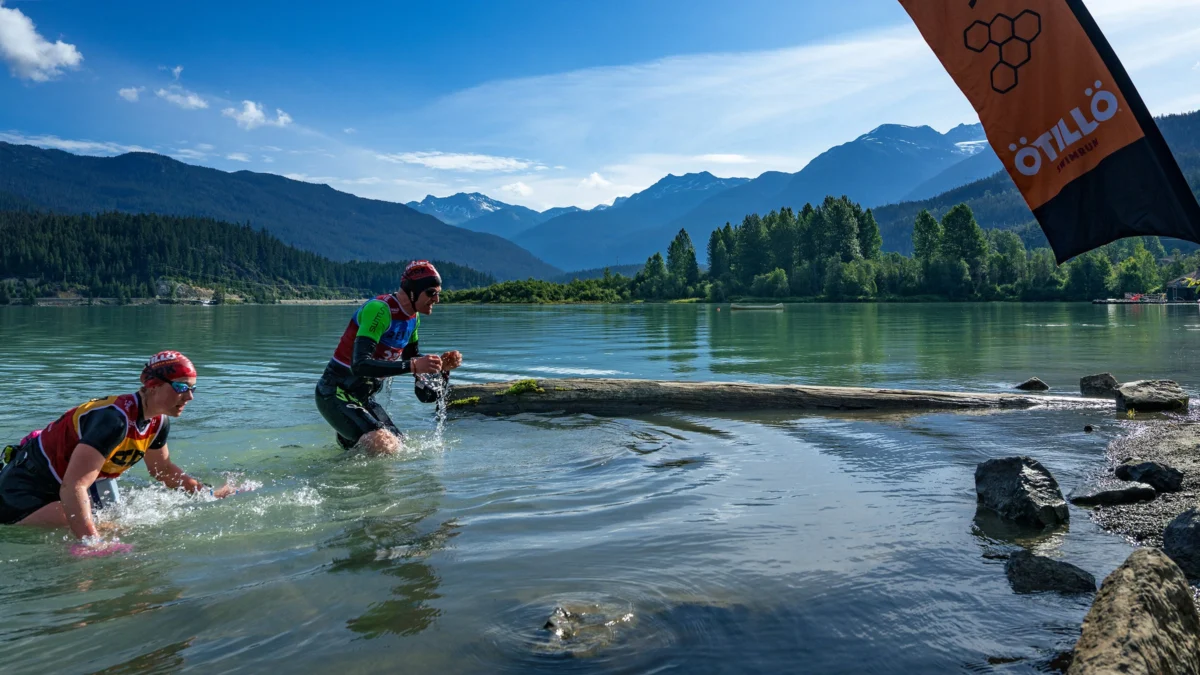
The multi-sport endurance landscape has long been defined by the rigid parameters of triathlons, marathons, and cycling tours. However, a uniquely demanding format originating from the Swedish archipelago—known as swimrun—is steadily carving out a distinct niche within the North American endurance community. Characterized by continuous transitions between open-water swimming and trail running without shedding gear, the sport places a premium on adaptability over specialized single-discipline efficiency. Recent events, such as the Ötillö Swimrun race held at Horsetooth Reservoir near Fort Collins, Colorado, underscore the format’s growing footprint in the United States and highlight the structural evolution of alternative endurance athletics.
Origin and Historical Development of Swimrun
The genesis of swimrun dates back to 2002 in Sweden, born from a drunken wager among friends that evolved into a formalized competition. The inaugural official Ötillö (Swedish for "island to island") World Championship took place in 2006, traversing a grueling course across 26 islands in the Stockholm archipelago. Spanning approximately 47 miles of total distance—comprising roughly 6.2 miles of open-water swimming and 40.8 miles of trail running—the event established a reputation as one of the most punishing single-day endurance tests globally.
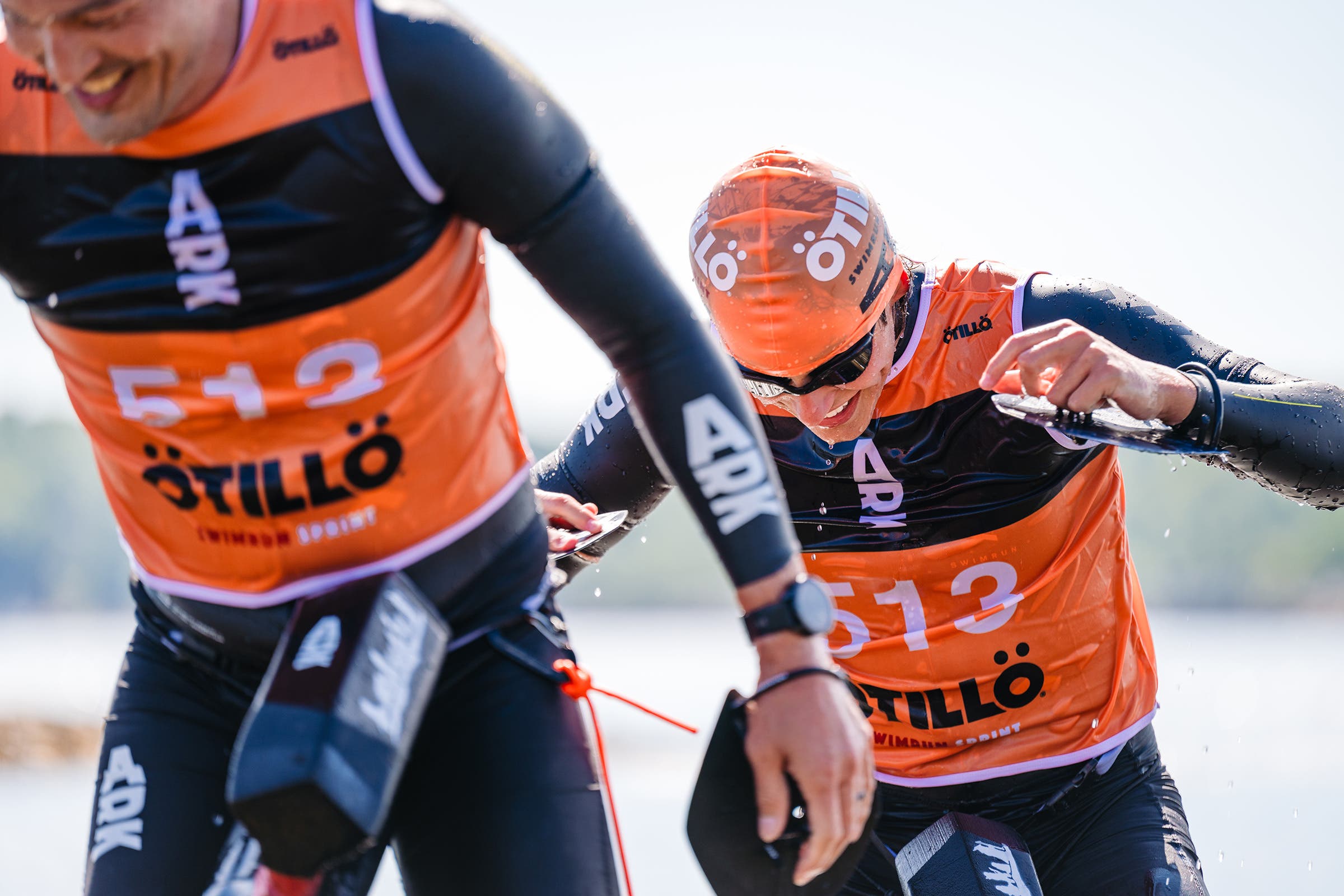
Unlike traditional triathlons, where athletes transition through dedicated staging areas to deposit wetsuits, bicycles, and running shoes, swimrunners must carry all equipment from start to finish. Participants swim in their running shoes and run in their wetsuits, utilizing permitted aids such as pull buoys secured between their legs and hand paddles to offset the hydrodynamic drag of footwear.
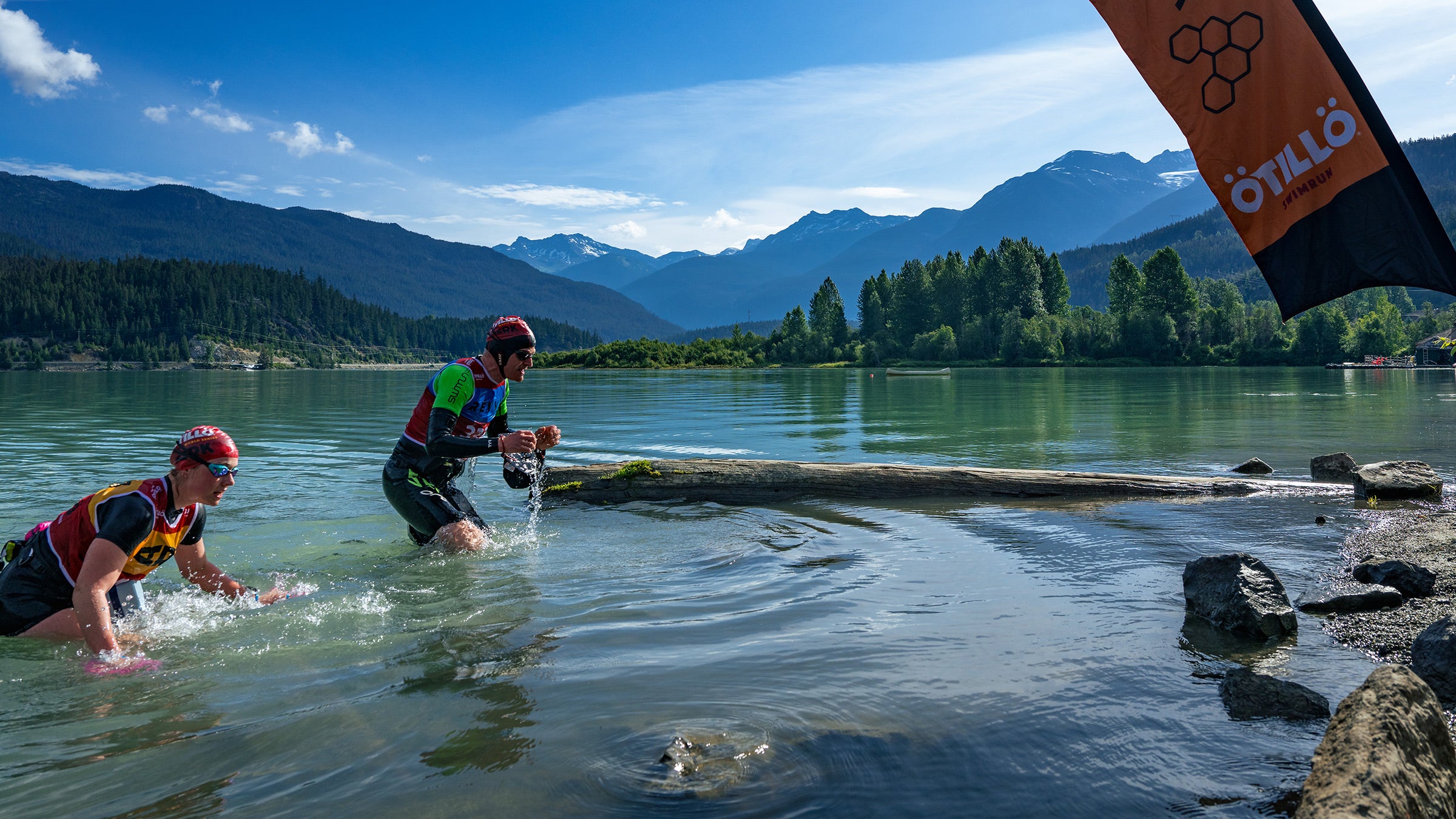
For over a decade, the sport remained largely confined to European markets, chronicled primarily by specialty outdoor publications as an eccentric, highly rugged Nordic phenomenon. That dynamic shifted significantly in the mid-2010s, catalyzed by American endurance enthusiasts seeking alternatives to saturated traditional race calendars.
Expansion into the North American Market
The introduction of structured swimrun events to the United States began in 2015, spearheaded by industry veteran Jeffrey Cole and former triathlete Lars Finanger. Recognizing structural parallels between the rugged coastlines of Maine and the island-hopping topology of Sweden, the co-founders launched the Odyssey Swimrun series along the shores of Casco Bay, Kennebunkport.
The initial venture proved successful, prompting expansion into geographically diverse regions across the country, including Orcas Island in Washington, Cedarville in Michigan, Austin in Texas, and Catalina Island in California. These races operated independently until 2023, when Ötillö corporate leadership acquired the Odyssey series, integrating the American events into a unified global ranking and qualification system for the world championships in Stockholm.
According to event organizers, the demographic composition of swimrun participants has evolved substantially. While initial cohorts consisted predominantly of disillusioned Ironman triathletes and multi-sport veterans seeking novelty, contemporary fields feature a dedicated subset of athletes who identify primarily as swimrunners. Despite this specialization, the barriers to entry remain intentionally broad, accommodating solo competitors and shorter sprint-distance formats designed to onboard novices.
Anatomy of an Event: The Colorado Horsetooth Reservoir Race
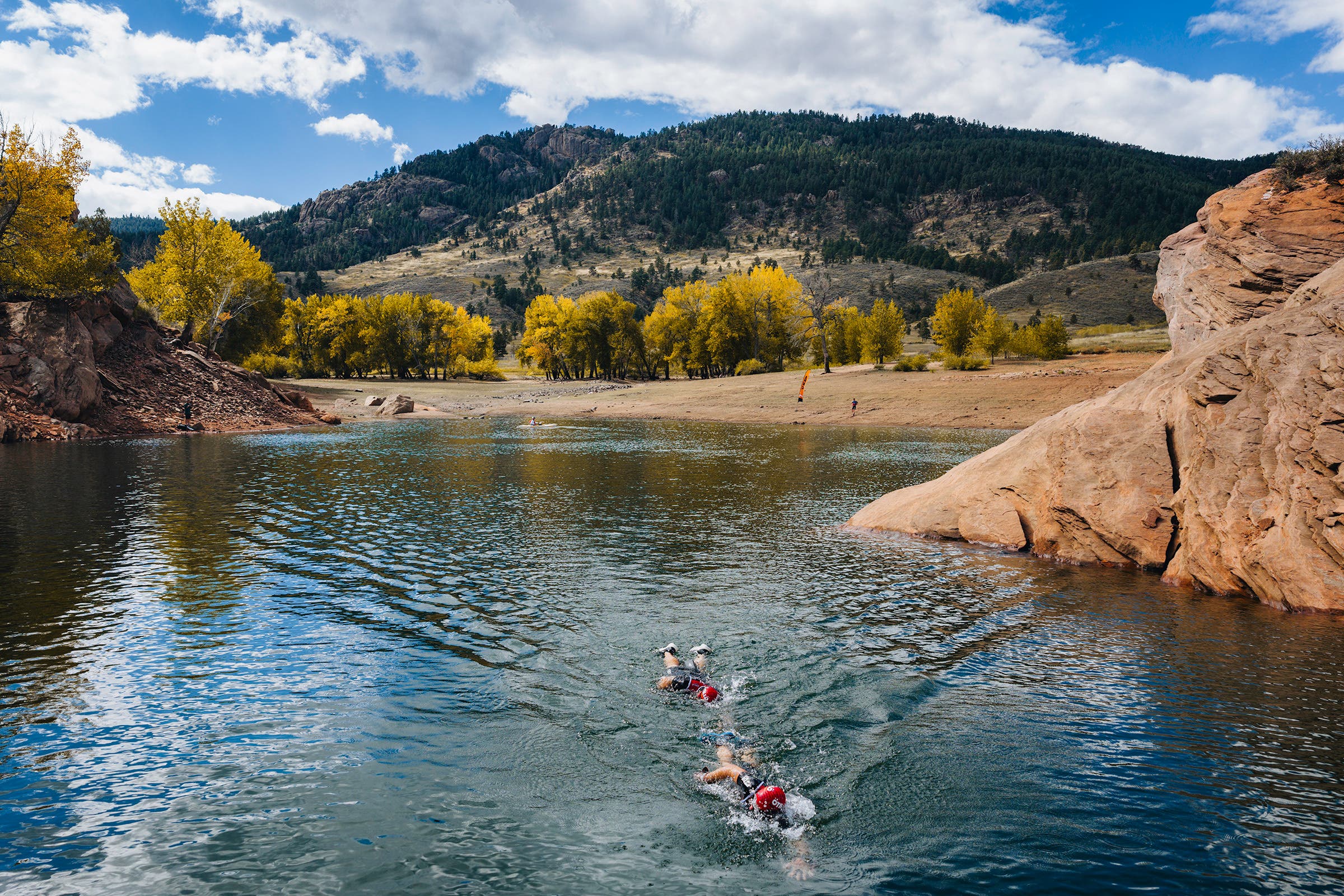
The operational mechanics of a swimrun event diverge sharply from standard running or swimming competitions. The Horsetooth Reservoir race in Colorado exemplifies the point-to-point, undulating nature of the sport. The sprint-distance iteration of the event featured five distinct water entries and six trail runs, culminating in a 12-mile cumulative course that tested physiological endurance and technical gear management.
Participants face distinct biomechanical challenges unique to the discipline. Emerging from cold-water immersion directly into high-intensity trail running induces rapid orthostatic shifts, often resulting in temporary disorientation—colloquially described by participants as "jelly legs." Furthermore, managing auxiliary flotation and propulsion equipment while navigating uneven terrain requires continuous adjustment. Securing pull buoys to the lumbar region and stowing hand paddles without dropping them introduces a cognitive and physical load absent in standard triathlons.
Despite these complexities, race directors maintain an intentional emphasis on accessibility and camaraderie over hyper-competitive insularity. Because the sport forces participants to navigate unconventional logistical hurdles—such as running in heavy, waterlogged neoprene and footwear—races frequently foster a collaborative atmosphere among competitors on the trail.
Economic and Cultural Implications for Endurance Sports

The integration of swimrun into the North American endurance market reflects broader shifts in consumer preferences within the outdoor recreation economy. As participation numbers in legacy marathons and standard triathlons plateau, event producers have experienced increased demand for experiential, adventure-oriented formats that prioritize scenic exploration and community engagement over strict time-trial metrics.
Industry analysts note that alternative endurance events generate notable economic impacts for host municipalities, particularly in shoulder seasons. Races held in regional recreation areas like Horsetooth Reservoir drive tourism, lodging revenue, and local vendor engagement, diversifying local economies through outdoor sports tourism.
Furthermore, the sport’s regulatory framework—which frequently mandates that competitors race in teams of two for safety and mutual support in remote wilderness areas—reinforces a culture of shared risk management. This communal aspect distinguishes swimrun from solitary endurance disciplines, appealing to a demographic of athletes seeking experiential challenge rather than algorithmic optimization.
Future Outlook for the Discipline
As Ötillö continues to consolidate its global calendar and expand its footprint through regional qualifying events, swimrun is poised for steady, controlled growth in North America. While it remains a niche compared to major marathons or Ironman-branded triathlons, its distinct format ensures a dedicated following.
For veterans and novices alike, the appeal lies precisely in the absence of absolute mechanical perfection. Navigating unpredictable terrain, managing cumbersome gear, and embracing the inevitable operational friction of open-environment racing offer a counterweight to the increasingly technocentric nature of modern endurance sports. As the community expands across U.S. trails and reservoirs, swimrun continues to redefine what it means to test human limits across land and water.



 Gabriela Annisa

 Lukman Taruna Persada Ramadan

 Tatiana Tantri Indah Sari


 Dwi Wanna
