
 Anjar Salim
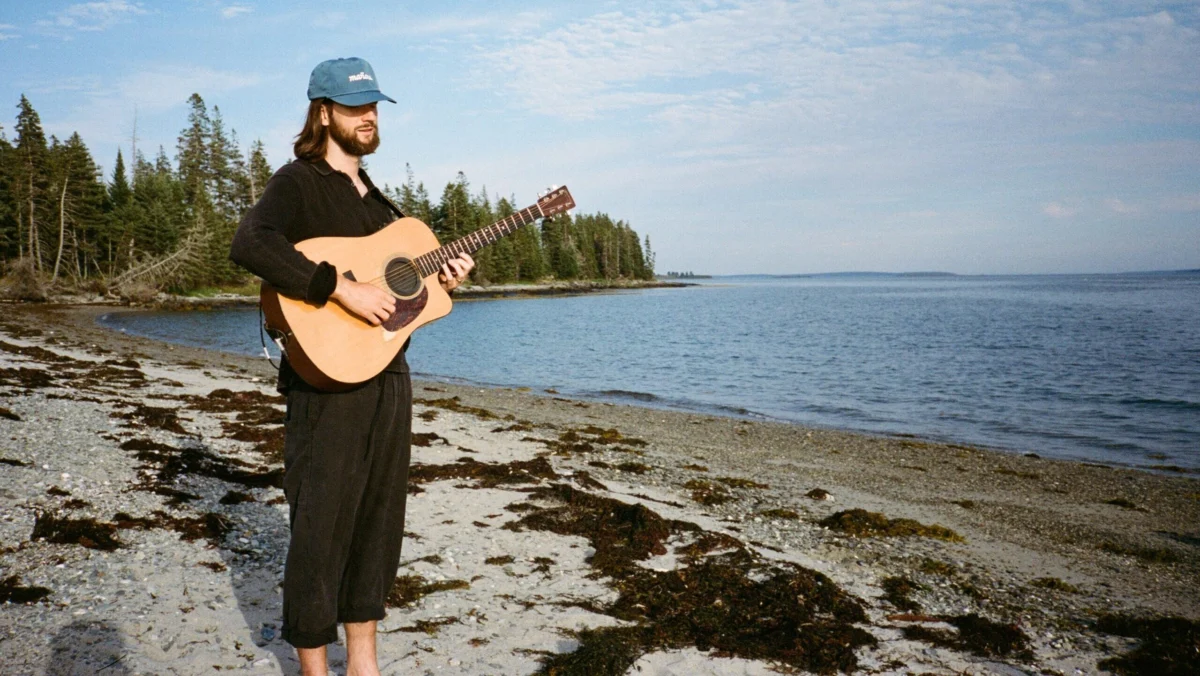
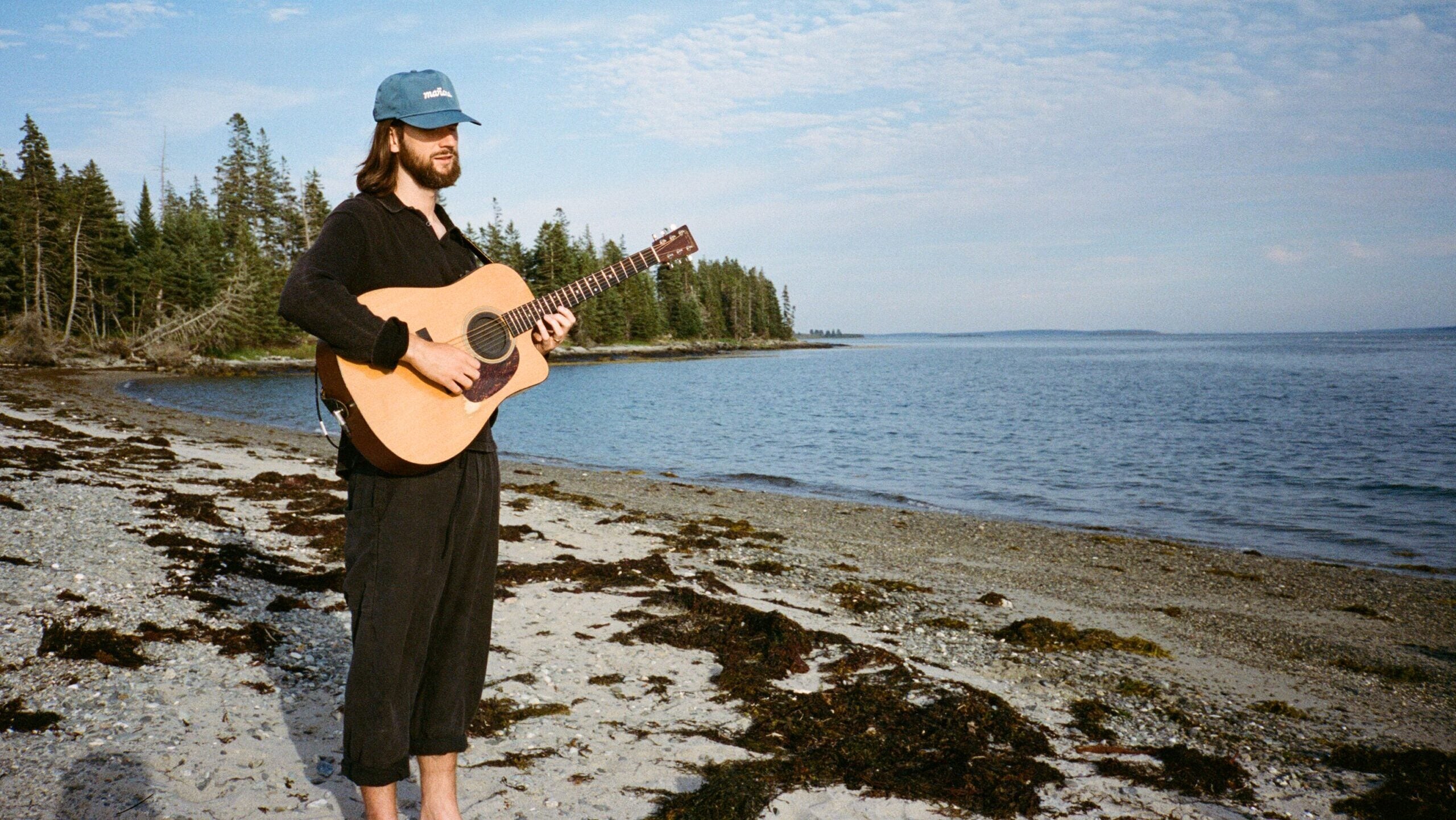
The intersection of artistic creativity and environmental conservation has long been a wellspring for cultural expression, but few settings match the dramatic coastal convergence found in Maine’s Acadia National Park. As public lands across the United States experience unprecedented surges in visitation, the dialogue surrounding land preservation, visitor impact, and ecological stewardship has taken on a renewed urgency. Against this backdrop, Matt Quinn, frontman of the acclaimed indie-rock band Mt. Joy, traded traditional arena stages for the granite cliffs and crashing surf of Mount Desert Island to film a unique performance for the second season of the acclaimed music series Park Sessions.
The partnership highlights a broader national conversation regarding the stewardship of public lands. Recording music amidst the salt spray and pine forests of Acadia offered Quinn a visceral reminder of the fragile balance between human enjoyment and environmental preservation. As millions of travelers flock to America’s national parks annually, artists, conservationists, and outdoor brands are increasingly joining forces to advocate for sustainable recreation, ensuring that the natural wonders inspiring contemporary culture remain intact for future generations.
Main Facts of the Acadia Visitation Surge and Cultural Collaboration
Recent visitation data released by the National Park Service underscores the mounting pressures facing America’s public lands. In the preceding calendar year, Acadia National Park recorded more than four million visits, establishing a historic milestone for the protected coastal sanctuary. This dramatic influx of tourists highlights the enduring appeal of the park’s unique topography, which merges jagged granite shorelines, dense boreal forests, and sweeping ocean vistas. However, high visitor volumes also bring significant logistical and ecological challenges, including trail erosion, wildlife disruption, parking congestion, and heightened strain on park infrastructure.
In response to these growing pressures, cultural initiatives like Park Sessions seek to leverage the platform of popular artists to raise awareness for conservation efforts. By placing musicians in pristine wilderness environments, the series fosters a direct connection between the creative inspiration drawn from nature and the personal responsibility required to protect it. Matt Quinn’s participation in the second season of Park Sessions serves as a primary example of this synergy. Standing on the precipice of Acadia’s rugged coastline, the singer-songwriter reflected on the profound reciprocity between human inspiration and environmental care, articulating a straightforward philosophy: the profound healing and beauty offered by these landscapes demand an active commitment to their preservation in return.
Chronology and Background of Park Sessions and Park Partnerships
The evolution of outdoor media partnerships and conservation advocacy within the national park system has transformed significantly over the past decade. Park Sessions was established as a creative bridge between iconic American landscapes and contemporary musical talent, utilizing digital media to reach younger, highly diverse demographics who may not traditionally engage with standard conservation messaging. The series carefully selects musicians whose work reflects environmental themes or an appreciation for the outdoors, immersing them in specific parks to capture live performances in unscripted, natural settings.
The historical timeline of environmental stewardship in Acadia runs parallel to the broader conservation movement in the United States. Established as Lafayette National Park in 1919—the first national park east of the Mississippi River—and later renamed Acadia National Park in 1929, the protected area was largely forged through the philanthropic vision and perseverance of local landowners, conservationists, and prominent figures such as George B. Dorr, who is widely remembered as the "father of Acadia."
In the modern era, maintaining this historic landscape requires robust public-private partnerships. Organizations such as the National Park Foundation and Friends of Acadia work in tandem with the National Park Service to fund critical maintenance, educational programming, and resource protection. Furthermore, commercial partners have stepped in to provide logistical solutions. Notably, outdoor lifestyle brand L.L.Bean—founded in Maine in 1912—has maintained a long-standing commitment to supporting Acadia National Park and its surrounding communities. These collaborative efforts are designed to mitigate the environmental footprint of heavy tourism while enhancing the overall visitor experience.
Supporting Data: Mobility, Conservation, and Infrastructure
Managing the flow of more than four million annual visitors to a geographically constrained destination like Mount Desert Island requires innovative infrastructure and forward-thinking municipal planning. The traditional model of relying entirely on private passenger vehicles has historically resulted in severe traffic bottlenecks, overcrowded parking lots, and elevated vehicle emissions within fragile park ecosystems.
To combat these challenges, collaborative conservation initiatives have heavily invested in alternative transit solutions. A prime example is the Island Explorer bus system, a fare-free seasonal public transportation network developed through partnerships involving the National Park Service, L.L.Bean, and local transit authorities. The Island Explorer connects popular park destinations, trailheads, campgrounds, and village centers across Mount Desert Island, as well as providing critical links to the Bar Harbor-Hancock County Regional Airport and regional ferry terminals.
Data from transit and park authorities demonstrate the tangible impact of such systems. By removing thousands of private automobiles from park roads each season, the Island Explorer significantly curtails carbon emissions, preserves air quality, and alleviates the severe parking deficits that plague high-traffic zones like Cadillac Mountain and Jordan Pond. This data-driven approach to visitor management proves that large-scale recreation can be harmonized with ecological protection when adequate infrastructure is paired with public cooperation.
Official Responses and Perspectives on Land Stewardship
The convergence of art, commerce, and environmental advocacy frequently prompts dialogue among land managers, musicians, and outdoor industry leaders regarding the ethical use of public spaces. While official statements from the National Park Service consistently emphasize the principle of "Leave No Trace," contemporary campaigns seek to elevate this message from a set of restrictive rules to a positive ethos of stewardship and gratitude.
Reflecting on his time filming along the Maine coast, Matt Quinn noted that the experience reframed his understanding of public lands not merely as recreational backdrops, but as vital, living entities requiring active human defense. "The least we can do when we’re given a gift like this, such a healing, beautiful piece of land, is to take care of it," Quinn observed. This sentiment echoes the foundational philosophy of modern conservationists who argue that appreciation without action is insufficient for the long-term survival of fragile ecosystems.
Representatives from environmental non-profits, including Friends of Acadia, have repeatedly stressed that public lands belong to every citizen, meaning that their upkeep is a shared civic responsibility. Corporate entities participating in these preservation frameworks similarly emphasize that outdoor brands carry an inherent obligation to protect the environments that inspire their products. For L.L.Bean, which has operated out of Maine for over a century, supporting initiatives like Park Sessions and regional transit systems represents a direct reinvestment in the cultural and natural heritage of the state.
Broader Impact and Implications for the Future of Public Lands
The implications of cultural partnerships within national parks extend far beyond the immediate success of a digital music series or a seasonal transit schedule. As urbanization accelerates and digital saturation drives a growing societal desire for outdoor recreation, national parks are experiencing demographic shifts that require innovative communication strategies. Engaging artists with large, dedicated followings allows conservation organizations to reach younger audiences who may be unfamiliar with the complex policy and funding mechanisms required to maintain public lands.
Furthermore, the economic and ecological model tested in Acadia—combining public agency oversight, philanthropic fundraising, corporate sponsorship, and sustainable public transit—serves as a potential blueprint for other heavily visited national parks across the United States. Destinations such as Zion, Yosemite, and Glacier face parallel pressures regarding visitor capacity and environmental degradation. The successes achieved through collaborative regional transit and targeted educational campaigns on Mount Desert Island offer valuable lessons for nationwide land management.
Ultimately, the narrative connecting Matt Quinn’s performance in Acadia to the broader framework of American conservation points to an inescapable reality: the future of these landscapes rests upon the daily choices of millions of individual visitors. Whether choosing to utilize a shuttle system to reduce emissions, adhering strictly to designated trails to prevent erosion, or supporting foundational non-profit organizations, the public holds both the privilege of enjoyment and the burden of stewardship. As the cultural conversation around outdoor spaces continues to evolve, the harmonious fusion of artistic inspiration and environmental advocacy ensures that the wild coastlines and granite summits of places like Acadia will remain resilient, vibrant, and accessible for generations to come.


 Tatiana Tantri Indah Sari

 Dwi Wanna

 Lukman Taruna Persada Ramadan


 Budi Mulyono
