
 Anjar Salim
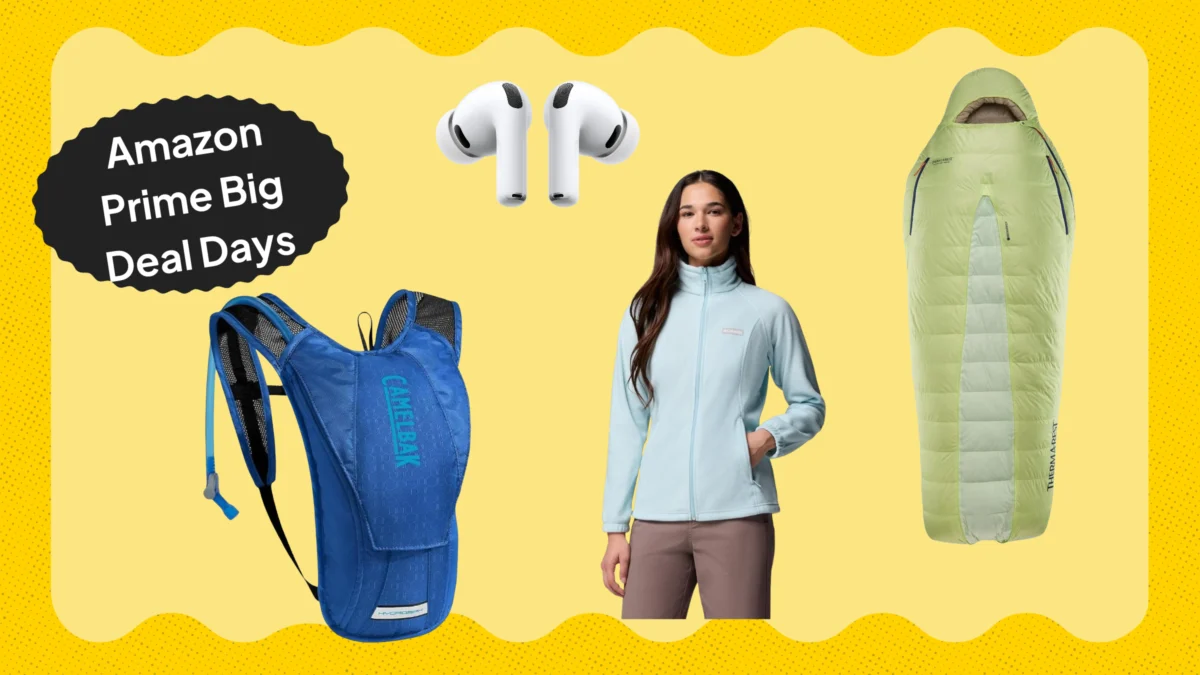
The retail landscape on October 6, 2026, is dominated by the simultaneous launch of the two-day Amazon Prime Big Deal Days and extensive mid-autumn inventory clearance events hosted by specialty outdoor retailers such as REI, Evo, and Patagonia. While consumer electronics, domestic furnishings, and general merchandise feature prominently across mainstream e-commerce platforms, the catalog for high-end technical outdoor equipment requires careful navigation. Industry gear analysts and consumers alike often find that massive sitewide online promotions yield a high volume of digital clutter, with only a select fraction of offerings meeting the rigorous performance standards required for backcountry exploration, mountaineering, and alpine sports. Consequently, outdoor enthusiasts frequently look beyond general e-commerce giants toward specialized outfitters where seasonal transitions—such as the shift from summer trail running to winter snow sports—drive more targeted, substantive price reductions on technical hardgoods and apparel.
Background Context of the Autumn Retail Window
The early October retail window occupies a strategic position in the consumer calendar. Falling between the conclusion of the peak summer recreation season and the onset of winter snowfall, this period traditionally serves as a clearance inflection point. Retailers across the outdoor industry utilize these 48-to-72-hour promotional windows to optimize warehouse inventories, making room for upcoming winter hardgoods, cold-weather apparel, and holiday stock.
Amazon Prime Big Deal Days, established as a major mid-autumn fixture to capture early holiday spending and counter competing retail events, aggregates millions of SKUs under a single banner. However, historical data and gear-testing evaluations indicate that discounts on specialized technical categories—such as avalanche safety equipment, splitboards, technical climbing protection, and expedition-grade sleep systems—are statistically less common on generalized marketplaces. Instead, specialty retailers maintain deeper, more relevant discounts on these specialized goods because their core consumer base demands technical specificity, rigorous durability ratings, and brand heritage associated with environmental stewardship.
Chronology and Promotional Structure
The promotional cycle commenced in the early morning hours of October 6, 2026, with Amazon’s digital storefront activating thousands of price adjustments across global markets. The event is scheduled to run for exactly 48 hours, concluding on the evening of October 7. Concurrently, outdoor-specific digital storefronts rolled out rival promotions designed to intercept consumers seeking verified technical gear rather than domestic goods.
REI’s digital bargain bin, featuring thousands of double-digit price reductions, operates on an ongoing inventory-reduction model that scales up during competing major e-commerce events. Similarly, Evo’s pre-season ski and snowboard hardgoods sale targets enthusiasts preparing for impending Pacific storm cycles driven by seasonal meteorological shifts. Patagonia’s web special section continues to distribute leftover inventory from its extensive summer clearance event, offering tiered discounts that reach up to 50 percent off select technical shells and lifestyle apparel.
Selected Standouts in Amazon’s General Catalog
Despite the limitations regarding niche alpine gear, Amazon’s current promotional catalog does feature select items of utility to the broader active demographic.
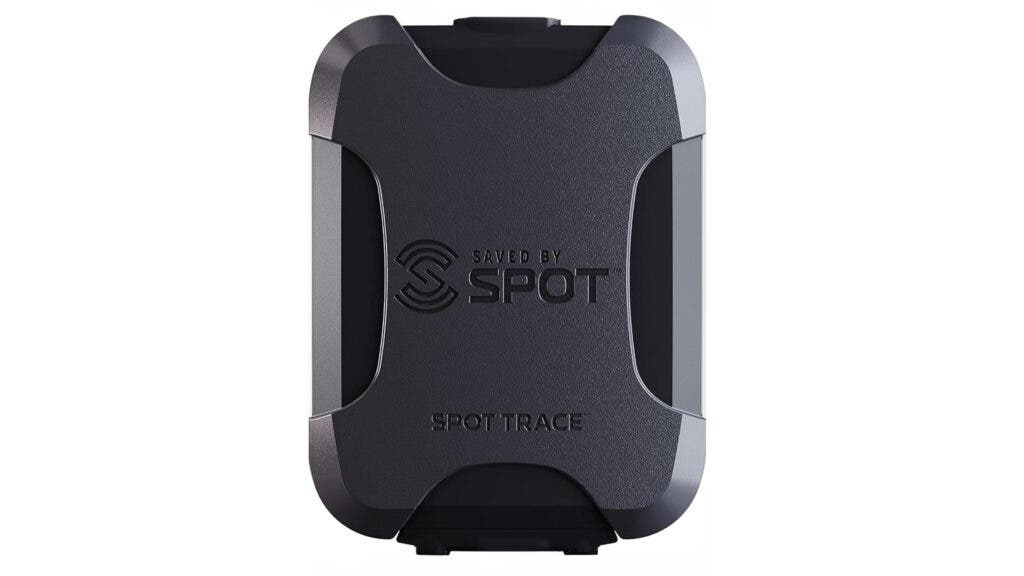
In the realm of emergency preparedness and backcountry navigation, satellite communications provider SPOT has implemented a flat $50 discount across its entire device lineup. This includes the Spot X Satellite Messenger, the Gen4 Satellite GPS Messenger, and the SPOT Trace vehicle tracking system. These devices rely on the Globalstar satellite network to provide off-grid messaging, SOS functionality, and asset tracking, representing a rare instance of safety infrastructure receiving a direct price reduction during a mass-market retail event.
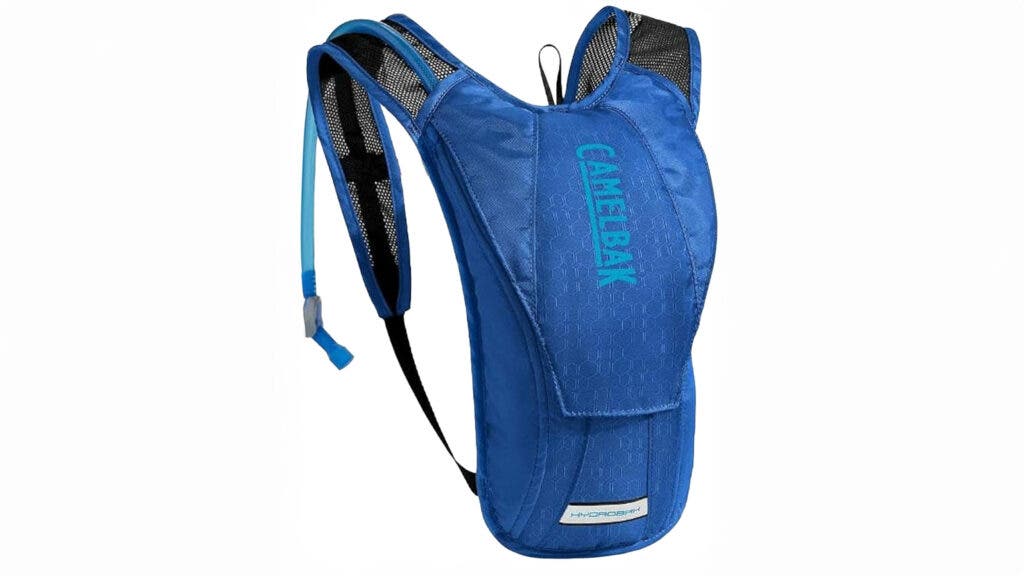
Cycling enthusiasts observed price adjustments on transit and training equipment. The CamelBak Hydrobak Bike Hydration Pack is currently marked down 29 percent to $44 from its standard $62 retail price, offering a slim-profile 50-ounce reservoir and minimalist storage optimized for warm-weather climbs. For indoor training, the Peloton Exercise Bike experienced a $400 reduction, dropping to $1,295 from $1,695, lowering the barrier to entry for home-based stationary cardio regimens.

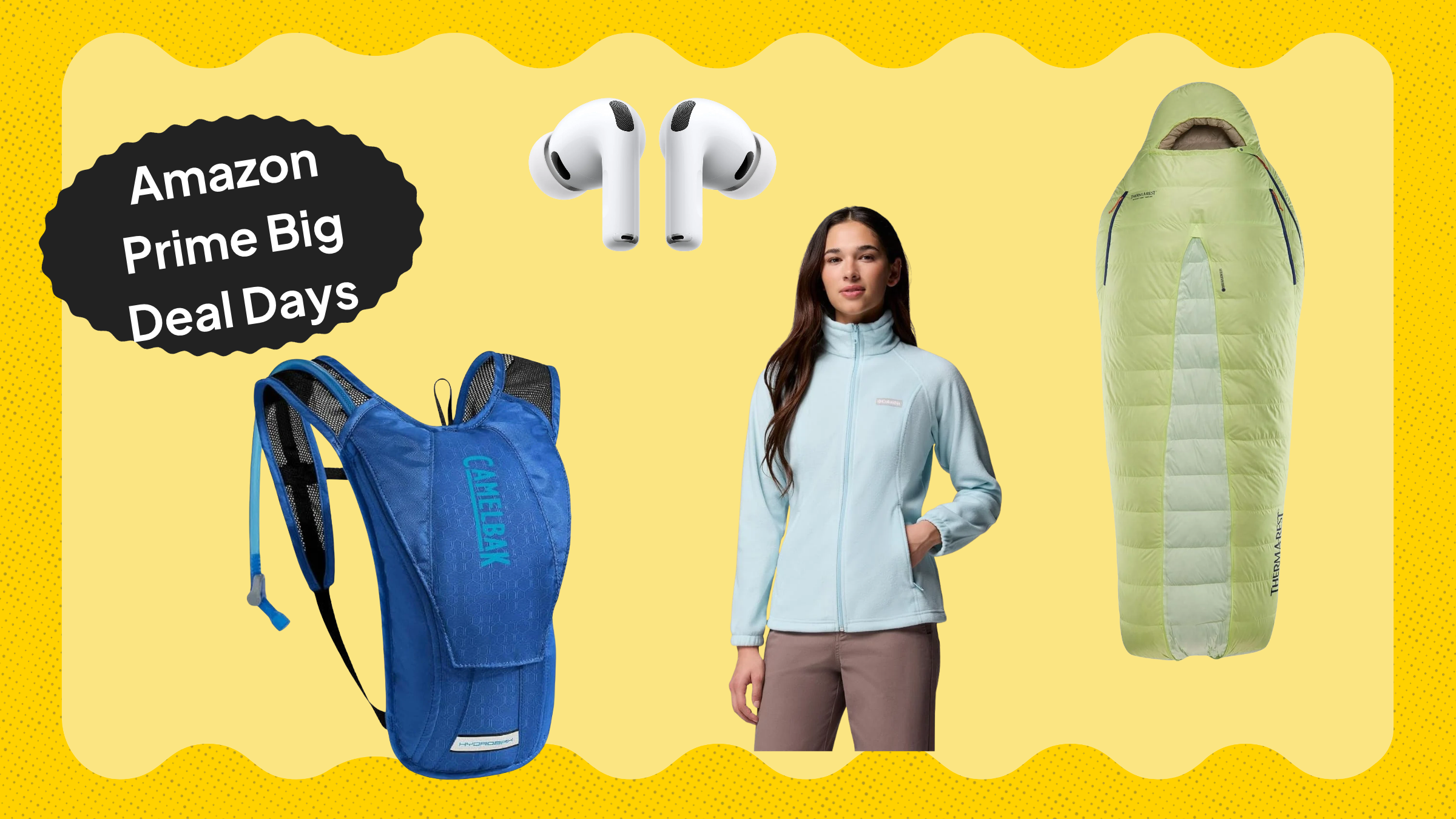
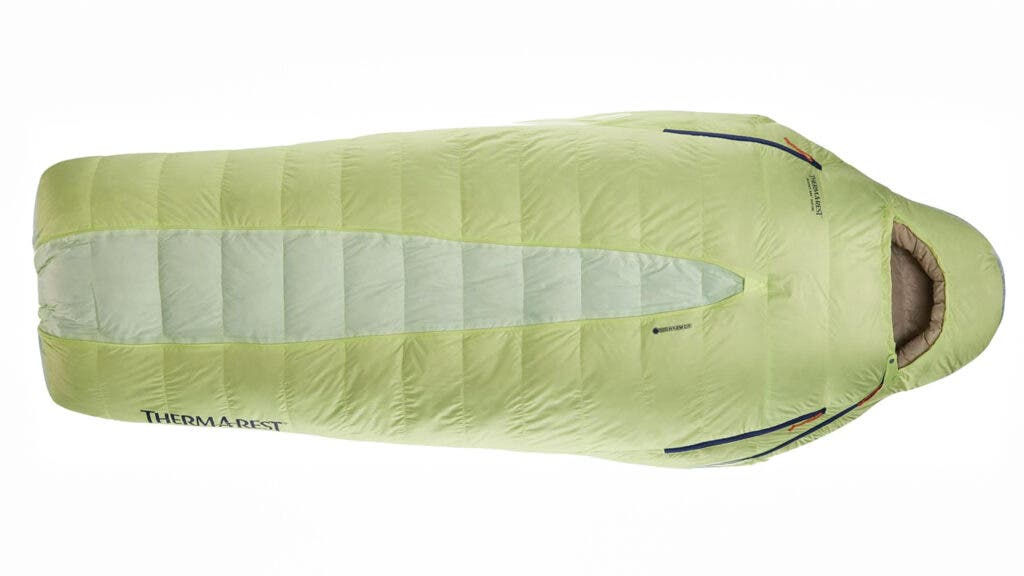
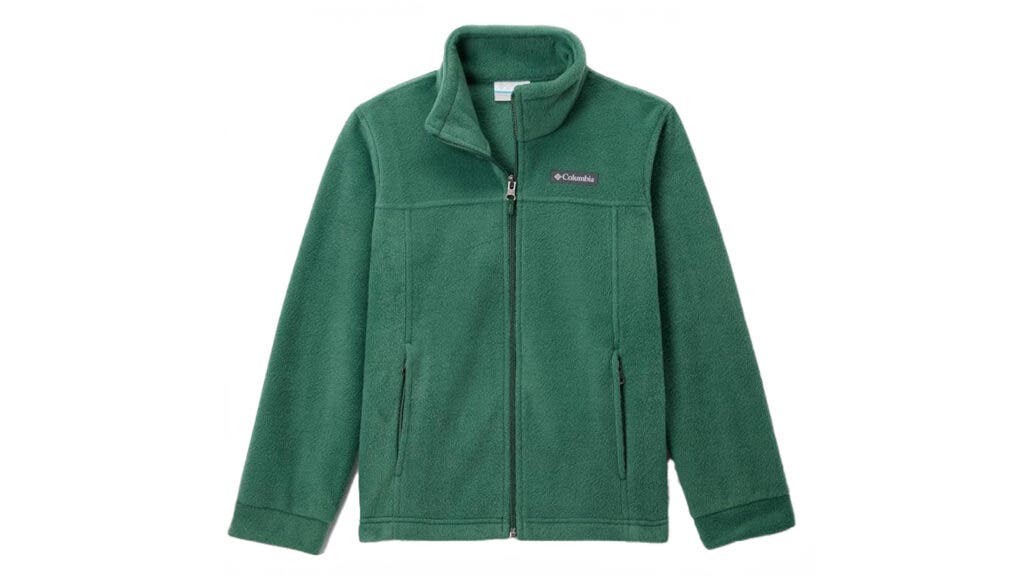
Audio technology and sleep systems also surfaced among the notable discounts. Apple AirPods Pro 3 wireless earbuds are featured at $179—a notable departure from their standard $249 price point—offering active noise cancellation and secure retention mechanics suitable for athletic training and travel. In the camping category, the Therm-a-Rest Boost 650 32F/0C Down Sleeping Bag sees tiered discounts reaching up to 49 percent off specifically for the large-and-wide variant, providing 650-fill down insulation and integrated zippered armholes for multi-season versatility. Additionally, Columbia apparel lines across select fleece, softshell, and pant categories are marked down by up to 60 percent.
Divergent Value: Technical Hardgoods from Evo

For consumers prioritizing alpine performance ahead of the winter season, specialized distributors present a more robust inventory of technical equipment. Evo’s dedicated ski and snowboard sales event focuses heavily on hardgoods engineered for variable snow conditions and steep terrain.
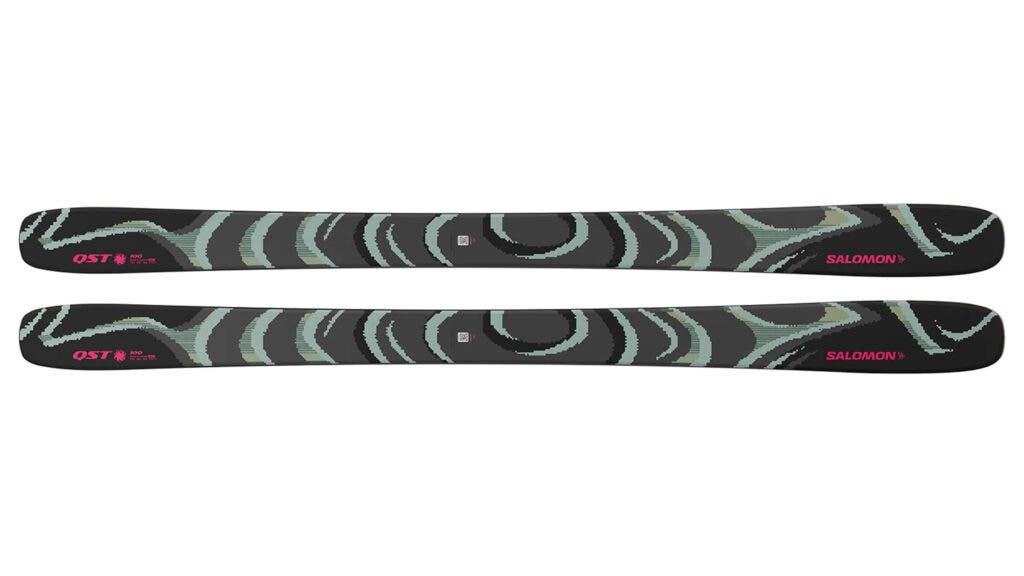
The Salomon QST 100, a prominent freeride ski model utilizing a full poplar core, basalt-infused glass reinforcement, and traditional camber underfoot, is discounted to $490 from its baseline $700 price. Designed for resort-based all-mountain charging, the ski targets advanced to expert skiers navigating moguls, groomers, and technical bowls.
In the snowboarding sector, the Bataleon Tornado X Beyond Medals collaboration board is listed at $402, down from $670. Incorporating a directional twin shape, mid-stiff carbon construction, and proprietary 3D base contouring, the board addresses the demands of all-mountain freestyle riders seeking high-speed stability combined with switch-riding versatility and powder float.
REI’s Digital Clearance Ecosystem

REI’s ongoing digital sale features a deep catalog of multi-season footwear, weather-resistant outerwear, and basecamp infrastructure.
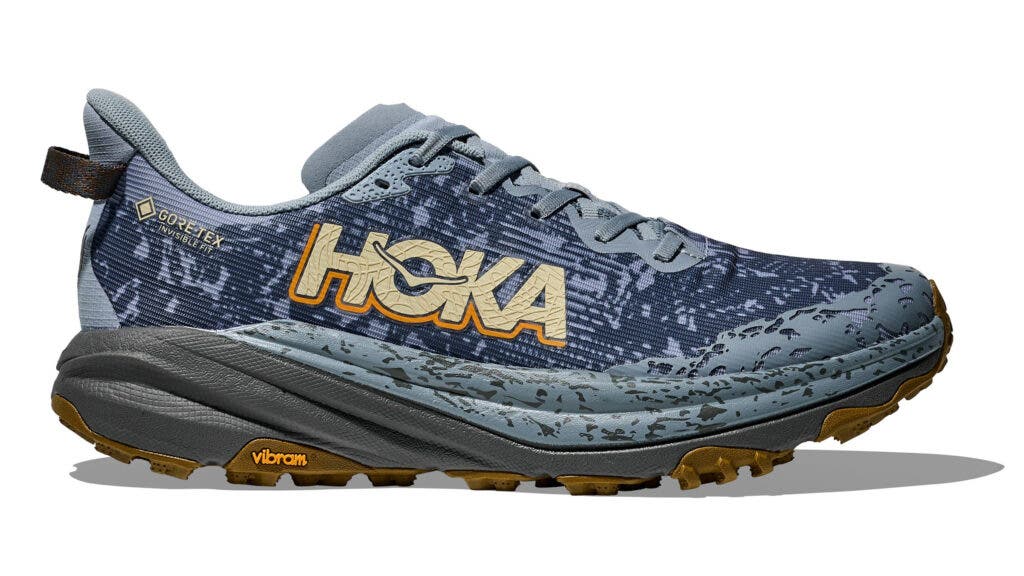
Footwear offerings include the Hoka Speedgoat 6 GTX trail running shoes for men, priced at $119 down from $170. While newer iterations occupy the brand’s full-retail slots, the Gore-Tex-lined, Vibram-outsoled sixth generation continues to offer high-traction performance on wet and muddy singletrack at a reduced cost.
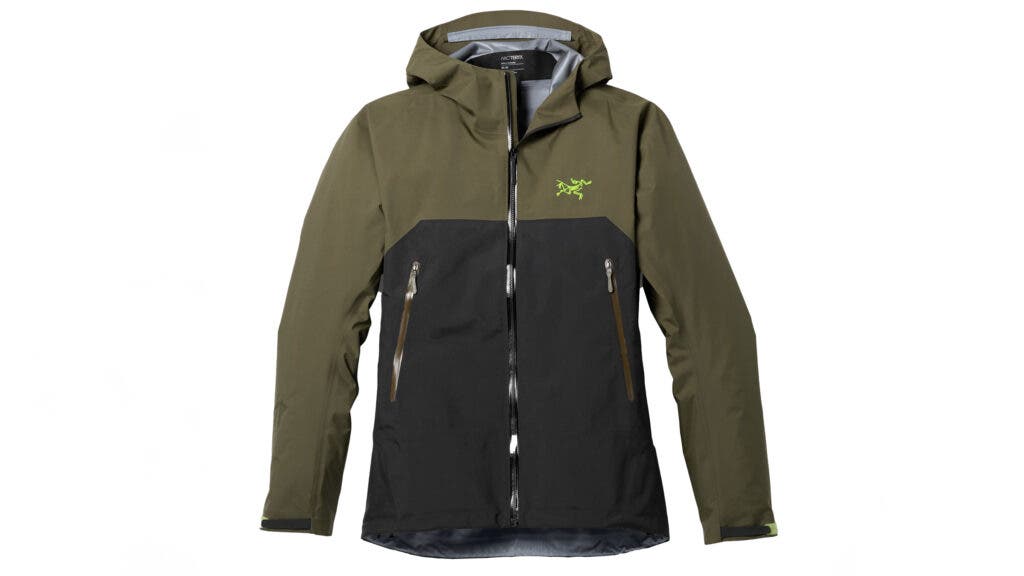
Outerwear highlights feature the Arc’teryx Beta Jacket for men, reduced to $250 from $400. Utilizing industry-standard Gore-Tex weatherproofing, the multi-sport shell is engineered for high-output alpine activities, wet-weather backpacking, and spring ski touring, commanding a 37 percent discount that lowers the financial barrier typically associated with premium technical membranes.
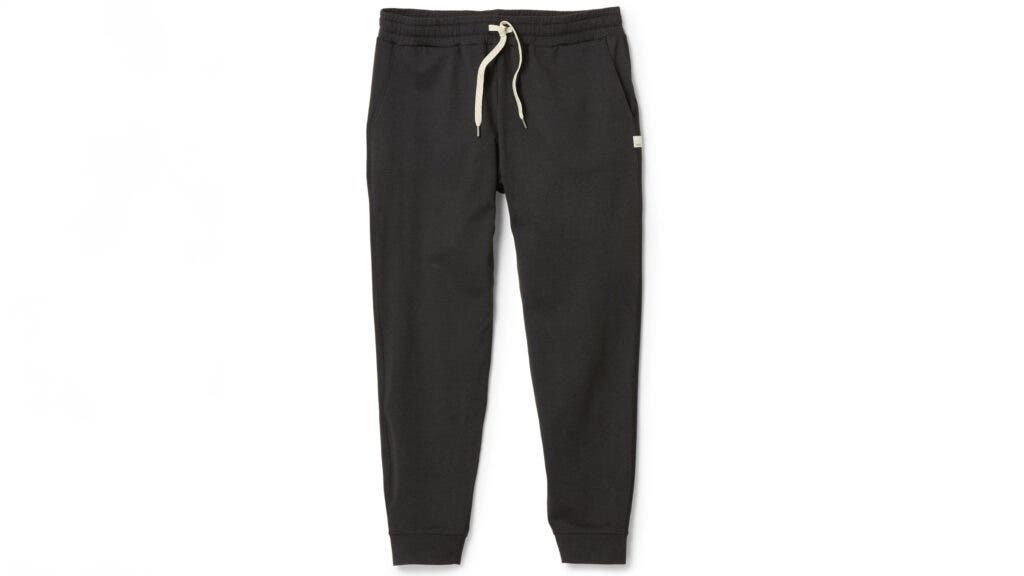
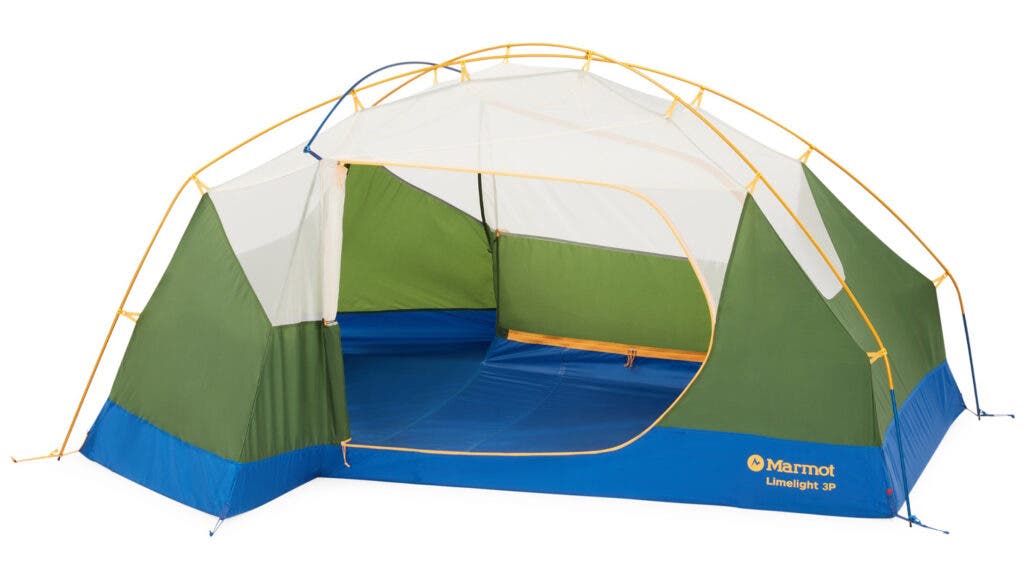
Comfort and shelter infrastructure are similarly represented. Vuori Performance Joggers are marked down to $66 from $110, offering a polyester-elastane textile blend optimized for travel and post-exercise recovery. Meanwhile, the Marmot Limelight 3-Person Tent with included footprint is discounted by up to 41 percent, providing vertical sidewall architecture, interior gear cubbies, and a durable polyester ripstop rainfly for three-season frontcountry and backcountry camping.
Patagonia Web Specials and Sustainable Manufacturing Implications
Patagonia’s ongoing web special inventory continues to clear remaining stock from its previous seasonal cycles at discounts of up to 50 percent. Because the brand’s business model centers on Fair Trade Certified manufacturing, recycled synthetic materials, and organic cotton sourcing, its markdown strategy relies less on rapid-fire promotional churn and more on long-term inventory liquidation. Industry observers note that while sizing availability in these web specials is frequently constrained due to residual inventory limitations, the underlying textile quality and environmental manufacturing standards surpass standard fast-fashion or mass-market outdoor alternatives.
Fact-Based Analysis of Market Implications
The concurrent timing of Amazon Prime Big Deal Days and autumn outdoor retailer clearances highlights a broader segmentation within the consumer goods market. Mass-market e-commerce events excel at driving volume in standardized electronics, smart home devices, and household essentials, often utilizing loss-leader pricing strategies to capture broad consumer attention. Conversely, technical gear markets operate on specialized product lifecycles where inventory clearance is dictated by seasonal utility—such as the transition from summer trail sports to winter alpine pursuits—rather than artificial retail holiday schedules.
For the consumer, this dynamic necessitates a bifurcated shopping strategy. General marketplace events offer distinct financial advantages for standardized electronics, personal health devices, and domestic accessories. However, specialized outdoor equipment, technical outerwear, and winter hardgoods consistently yield superior value, brand relevance, and technical specification when purchased through dedicated outdoor outfitters during seasonal transition windows. As autumn progresses toward winter, market analysts expect these specialized clearance inventories to contract further, making early-October promotional windows a critical juncture for gear acquisition ahead of the winter weather season.



 Tatiana Tantri Indah Sari

 Dwi Wanna

 Lukman Taruna Persada Ramadan


 Budi Mulyono
