
 Anjar Salim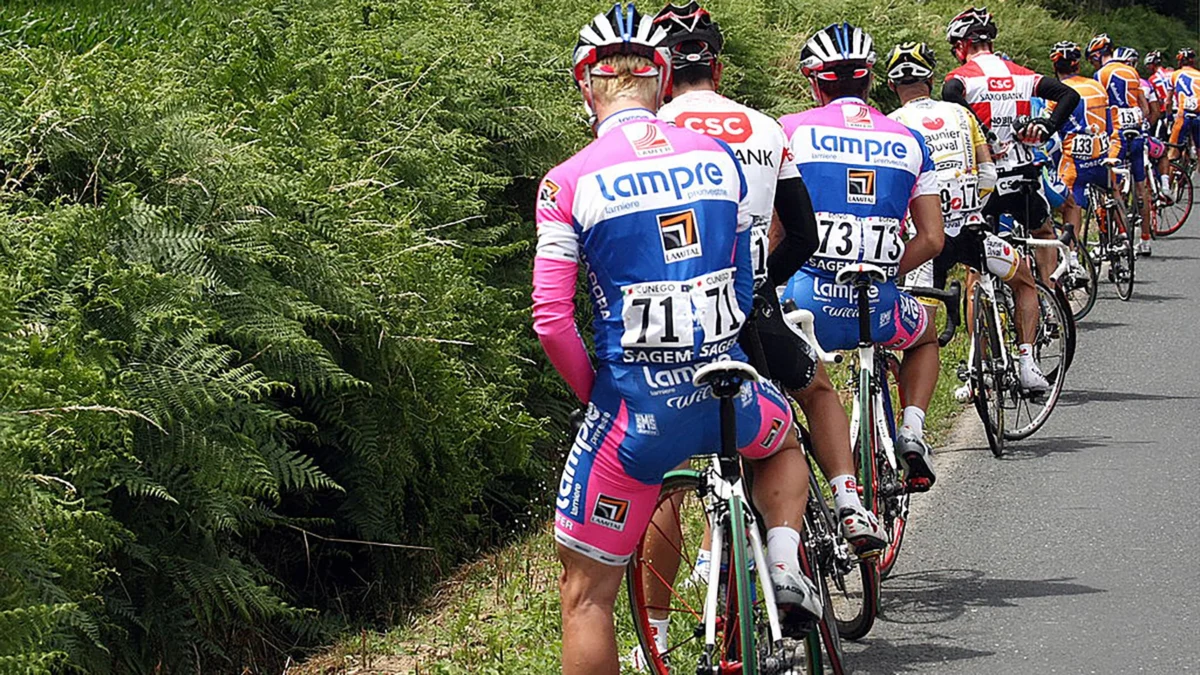
The organizers of the Giro d’Italia, one of professional cycling’s three prestigious Grand Tours, have issued a formal directive to the peloton regarding a breach of etiquette and hygiene that has sparked significant controversy within the sport. On Monday, May 18, the race directorate and the Union Cycliste Internationale (UCI) Commissaires’ Panel released a joint statement explicitly prohibiting riders from urinating into their water bottles, or bidons, and subsequently discarding them along the race route. The practice, which surfaced during the second week of the 2,100-mile race across Italy, has been termed "Pee-Gate" by cycling media and has raised serious concerns regarding public health, the image of the sport, and the safety of the thousands of spectators who line the roads daily.
The official communique stated that the measure was necessary to "respect the image of cycling and the Giro d’Italia." The decree further clarified that urinating into a bottle and subsequently discarding it is strictly prohibited under the regulations governing rider conduct and environmental protection. While professional cycling has long navigated the logistical challenges of biological needs during six-hour stages, the transition from roadside stops to the use of bottles as temporary receptacles has reached a tipping point, prompting an immediate regulatory crackdown.
The Cultural Significance of the Bidon and Public Health Risks
In the world of professional road racing, a discarded water bottle is more than just litter; it is a coveted souvenir. Fans, particularly in cycling-strongholds like Italy, France, and Belgium, often wait for hours at the roadside for the peloton to pass. When a rider finishes a drink and tosses the plastic bottle, it is common for spectators—including children—to scramble into ditches or over barriers to retrieve the item. These bottles are often kept as trophies, but it is not uncommon for fans to consume the remaining liquid to experience a literal taste of the race.
The revelation that some of these bottles may contain human waste instead of water or electrolyte solution has caused a localized panic among fan groups. From a public health perspective, the disposal of biological waste in areas where it is likely to be handled by the public presents a significant biohazard. Beyond the immediate hygiene concerns, the act is viewed as a violation of the unspoken contract between the athletes and the public. Race organizers emphasized that the "Green Zones"—designated areas where riders are permitted to discard trash—were never intended to facilitate the disposal of bodily fluids.
Physiological Demands and the Logistics of the Peloton
To understand how such a practice originated, one must consider the extreme physiological demands placed on Grand Tour riders. A typical stage of the Giro d’Italia lasts between four and six hours, during which a rider may burn upwards of 5,000 to 8,000 calories. To maintain this output, cyclists must consume massive quantities of fluids, including water, carbohydrate-heavy sports drinks, and recovery shakes. Depending on the ambient temperature and the intensity of the stage, a rider might consume between five and ten liters of fluid.
The "natural break" is a deeply entrenched tradition in the peloton. Typically, when the race is not in a critical phase—such as a descent or a high-speed chase—the "Patron" (a respected veteran leader) will signal a collective stop. The entire peloton pulls to the side of the road to urinate in unison, and the unwritten code of cycling ethics dictates that no team should attack while the leaders are stopped. However, modern racing has become increasingly aggressive. With the rise of data-driven tactics and high-speed "marginal gains," these neutral moments have become rarer.
When a rider cannot afford to stop, they often rely on teammates to push them from behind while they coast and urinate off the side of the bike. In scenarios where the race is too fast for even this maneuver, or when the roadside is packed with spectators for miles, some riders have reportedly turned to using their empty bidons as a discreet, albeit illicit, solution.
Chronology of "Pee-Gate"
The controversy began to simmer during the early stages of the race but reached a boiling point following Stage 9. Reports began to circulate among the Belgian and Dutch media that certain riders were seen handling bottles in a suspicious manner before discarding them in non-designated zones.
On May 15, several former professional riders acting as commentators for the Belgian network Sporza began discussing the "bottle phenomenon." Arjen Livyns, a former pro, noted that the density of the crowds at the Giro d’Italia makes finding a private spot nearly impossible. Unlike smaller races where there are long stretches of empty countryside, the Giro is characterized by "walls of people" on almost every climb and through every village.
By May 18, the UCI Commissaires’ Panel had received enough internal reports from the peloton to warrant the official warning. The investigation into the specific culprits moved from rumor to public discourse when Oliver Naesen, a veteran rider, suggested that the practice was not widespread but limited to a few specific individuals. Naesen pointed toward Victor Campenaerts, a prominent domestique for the Visma-Lease a Bike team, as someone known within the peloton for this specific habit. Campenaerts has since denied the allegations, but the "Pee-Gate" label has remained attached to the ongoing investigation.
Official Responses and Disciplinary Framework
The UCI’s response has been framed within the context of Article 2.12.007 of the UCI Regulations, which covers "damage to the image of cycling." While the rulebook already contains strict penalties for littering outside of designated zones—ranging from fines to time penalties in the General Classification—the act of discarding biological waste carries heavier moral and potentially legal weight.
The Giro organizers, RCS Sport, issued a statement following the warning: "Our priority is the safety of the fans and the integrity of the event. We expect the highest level of professionalism from the athletes. The disposal of any waste, particularly biological waste, outside of the prescribed protocols will be met with the strictest possible sanctions."
While no rider has been officially disqualified as of the second rest day, the Commissaires have indicated that they are monitoring onboard camera footage and spectator videos to identify offenders. Possible sanctions include:
- Heavy Fines: Monetary penalties starting at 500 Swiss Francs per incident.
- UCI Point Deductions: Impacting the rider’s and team’s seasonal rankings.
- Time Penalties: A 20-second or 1-minute penalty, which could be devastating for riders competing for the Maglia Rosa (the leader’s pink jersey).
- Expulsion: In extreme cases of repeat offenses or clear endangerment of public health.
Broader Implications for the Sport
The "Pee-Gate" scandal comes at a time when professional cycling is struggling to balance its traditional "open-road" accessibility with modern standards of environmental and social responsibility. For decades, the sport was seen as a lawless frontier where riders could discard trash and relieve themselves anywhere. However, as the sport seeks to attract global sponsors and maintain positive relations with local municipalities, such behaviors are increasingly viewed as liabilities.
Environmental groups have also weighed in, noting that the plastic bottles used in cycling are already an ecological concern. Adding human waste to the equation complicates recycling efforts and contaminates the local ecosystem. The incident may lead to a permanent change in how "natural breaks" are managed. Some analysts suggest the implementation of "mandatory neutral zones" or "mobile toilet" facilities within the caravan, though the logistics of such additions in a moving race are daunting.
Furthermore, this incident highlights the intense pressure of the modern Grand Tour. The fact that elite athletes feel compelled to resort to such measures suggests that the pace of the race has reached a point where basic human needs are being compromised. This raises questions about athlete welfare and the sustainability of current racing speeds.
Conclusion and Future Outlook
As the Giro d’Italia moves toward its final stages in Milan, the "Pee-Gate" controversy remains a dark cloud over an otherwise spectacular edition of the race. The UCI and RCS Sport have made it clear that the era of "bottle-disposal" urination is over. For the fans, the message is equally clear: be cautious when handling souvenirs found at the roadside.
The resolution of this investigation will likely depend on whether more evidence emerges from within the peloton. For now, the "witch hunt" for the primary offender continues to be a topic of discussion in the team buses and media centers. Regardless of whether a specific rider is punished, the 2026 Giro will be remembered as the year the sport was forced to confront one of its most unpleasant and hidden realities. The focus now shifts back to the mountains, where the riders will hope their performance on the pedals overshadows the controversy of the bidons. For the sake of the sport’s image, the organizers are hoping for a clean finish—in every sense of the word.




 Chandra Hamzah
 Tatiana Tantri Indah Sari
 Budi Mulyono

