Anjar Salim
The landscape of domestic pet management is undergoing a significant technological transformation, driven by the integration of satellite navigation, behavioral science, and mobile connectivity. At the forefront of this shift is the Halo Collar 5, a sophisticated wearable device designed to provide a comprehensive safety net for canines while offering owners unprecedented flexibility in containment. As urbanization increases and pet owners seek more active, outdoor lifestyles with their animals, the demand for portable, non-physical fencing solutions has reached a critical mass. The Halo Collar addresses these requirements by combining a wireless GPS fence, real-time tracking, and expert-led training protocols into a single, ruggedized unit.
The Evolution of Canine Containment and Safety
Historically, pet containment relied on physical barriers—wooden fences, chain links, or subterranean wired systems. While effective in static environments, these methods lack portability and are subject to physical degradation or "escape-artist" behaviors such as digging and jumping. The introduction of GPS-based virtual fencing has fundamentally altered this paradigm. By utilizing Global Navigation Satellite System (GNSS) technology, the Halo Collar allows users to establish "safe zones" without the need for manual labor or permanent alterations to the landscape.
Industry analysts note that the global pet tech market is projected to grow at a compound annual growth rate (CAGR) of over 12% through the end of the decade. This growth is fueled by a shift in consumer behavior, where pets are increasingly viewed as integral family members requiring high-tech safety measures. The Halo Collar, co-founded by renowned dog behaviorist Cesar Millan, represents the intersection of this technological advancement and established canine psychology.

Technological Infrastructure: Beyond Standard GPS
The core of the Halo Collar’s efficacy lies in its proprietary "AlwaysOn" GPS tracking system. Unlike standard consumer-grade GPS found in smartphones, which can struggle with accuracy in remote areas or under heavy tree cover, the Halo Collar utilizes advanced geolocation technology to maintain a precise lock on the animal’s position. This system is designed to function independently of cellular service for the purpose of fence enforcement; once a fence is downloaded to the collar, the device uses satellite signals to determine the dog’s proximity to the boundary, ensuring safety even in "dead zones" common in wilderness environments.
The device is built to withstand the rigors of canine activity, featuring an IP67 waterproof rating. This specification ensures that the collar remains functional during immersion in water up to one meter deep for 30 minutes, making it suitable for dogs that frequent lakes, beaches, or rainy climates. The hardware is powered by a battery capable of lasting up to 48 hours on a single charge, though the manufacturer recommends a nightly charging cycle via a magnetic port to ensure maximum reliability for daily excursions.
The Integration of Professional Behavioral Training
A critical differentiator for the Halo system is its emphasis on training rather than mere correction. The system incorporates a methodology designed by Cesar Millan, which focuses on positive association and "Natural Dogmanship." This approach moves away from the traditional "shock collar" stigma, instead utilizing a tiered feedback system that includes sound, vibration, and static prompts.
The static feedback, when enabled, is described by behavioral experts as a tactile "tap" intended to redirect the dog’s attention rather than cause distress. The system’s patented direction-detection technology is a key safety feature; if a dog breaches a boundary but begins to return to the safe zone, the collar immediately ceases all feedback. This reinforces the "return to safety" behavior, preventing the confusion that occurs in older systems where a dog might be corrected while trying to re-enter their yard.
Developmental Chronology and Market Reach
The journey of the Halo Collar reflects the rapid iteration cycles of modern consumer electronics. Since its inception, the product has moved through five major versions, each refining the GPS accuracy, battery life, and app interface.
- 2019-2020: The initial launch focused on the proof of concept for a portable GPS fence.
- 2021-2023: Significant updates to the Halo App were introduced, including the "Learn" section, which digitized Cesar Millan’s training curriculum for mass consumption.
- 2024-2025: The rollout of the Halo 4 and 5 models saw the introduction of enhanced ruggedization and the expansion of the "Pack Membership" model.
- 2026: Current milestones include the protection of over 500,000 dogs daily and the announcement of advanced health monitoring features scheduled for release in the latter half of the year.
The adoption rate of the technology is particularly high among "adventure travelers" and those residing in rural areas where traditional fencing is cost-prohibitive or prohibited by local zoning laws.
Operational Mechanics and User Interface
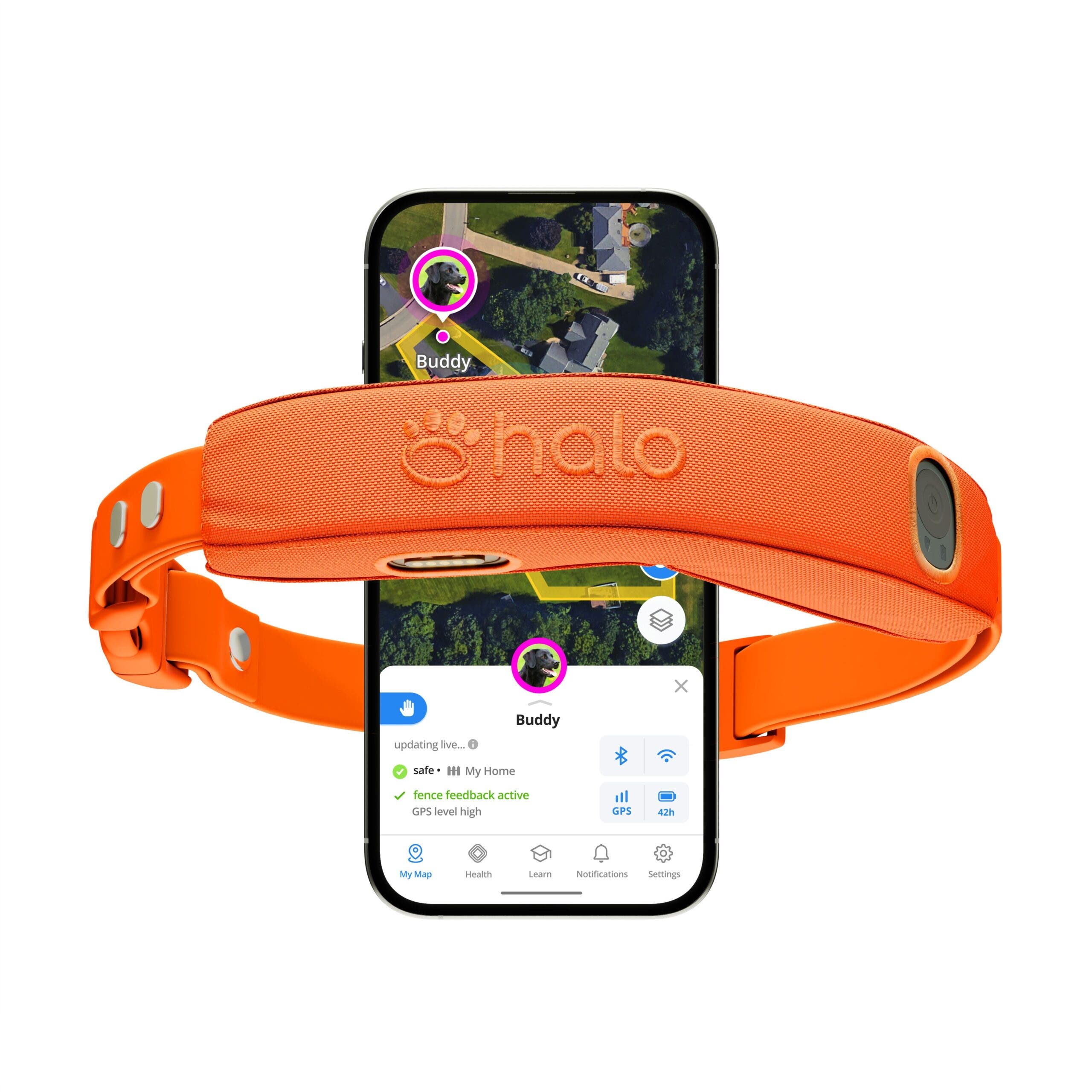
Management of the device is centralized within the Halo App, which serves as a command center for the owner. The setup process for a new virtual fence is designed for brevity, typically requiring less than five minutes. Users can search for a specific address or use their current GPS coordinates to drop pins and create a custom perimeter. This flexibility allows for the creation of "temporary" fences at campsites, vacation rentals, or public parks.
The app is divided into three primary functional areas:

- Fences: Where users create, edit, and sync up to 20 unique boundaries per collar.
- Learn: A library of video tutorials and step-by-step guides for both the human user and the canine.
- Health: A data-tracking module that monitors the dog’s activity levels.
In late 2026, the Health section is slated for a significant upgrade. This will include "Outdoor Time Goals" and "Active Time Goals," allowing owners to distinguish between passive time spent outdoors and intentional exercise. This move toward holistic health monitoring mirrors trends in human wearables, such as those from Apple or Garmin, providing a data-driven view of a pet’s well-being.
Market Analysis: The Growth of the Pet Tech Sector
The commercial success of the Halo Collar is indicative of a broader trend in the "Internet of Things" (IoT) for pets. According to market data, the average pet owner in the United States now spends approximately $1,500 annually on non-food related pet care, with a growing portion of that budget allocated to safety technology.
The subscription-based model employed by Halo—starting at $9.99 per month—reflects a shift toward "Safety as a Service." These plans cover the costs of cellular data for real-time tracking, cloud storage for fence data, and ongoing software updates. While some consumers have historically been hesitant to adopt subscription models for hardware, the inclusion of live support and hardware discounts has stabilized retention rates within the smart collar category.
Safety Safeguards and Direction-Detection Systems
One of the primary concerns regarding virtual fencing is the potential for a "breach"—when a dog ignores the feedback and exits the safe zone. To mitigate this risk, the Halo Collar utilizes a multi-stage alert system. If a breach occurs, the owner receives an immediate notification via the app, and the collar switches to "AlwaysOn" tracking mode, providing real-time location updates every few seconds.

The direction-detection system is perhaps the most vital technical safeguard. Traditional "invisible fences" often failed because they would continue to correct a dog that was trying to run back home, effectively trapping the animal outside the safe zone. Halo’s sensors determine the dog’s heading; if the dog is moving toward the fence from the outside, the collar remains silent, facilitating a safe return.
Socio-Economic Impact and the Future of Pet Ownership
The implications of widespread smart collar adoption extend beyond individual pet safety. Urban planners and homeowners’ associations (HOAs) are beginning to view virtual fencing as a viable alternative to physical structures, which can impact property aesthetics and local wildlife corridors. By removing the need for physical barriers, the technology allows for a more "open" residential feel while maintaining strict control over domestic animals.
Furthermore, the data aggregated by these devices offers a macro-view of canine health and behavior. As more dogs are integrated into the Halo network, the company can analyze trends in activity levels across different breeds and geographic locations, potentially providing valuable insights for veterinary science.
Conclusion: The New Standard for Canine Freedom
As the Halo Collar continues to lead the smart collar market, the focus remains on the balance between freedom and security. By leveraging high-precision GPS, rugged hardware, and behavioral psychology, the device provides a solution for the modern pet owner who refuses to choose between their dog’s safety and their desire for adventure. With planned updates to health monitoring and a growing user base of half a million dogs, the Halo Collar is not merely a tracking device but a comprehensive platform for the modern age of pet ownership. The transition from physical constraints to digital boundaries represents a milestone in the human-canine bond, allowing for a life that is—in the words of the company’s mission—truly "off-leash."




 Chandra Hamzah
 Gabriela Annisa
 Tatiana Tantri Indah Sari
 Budi Mulyono