
 Lukman Taruna Persada Ramadan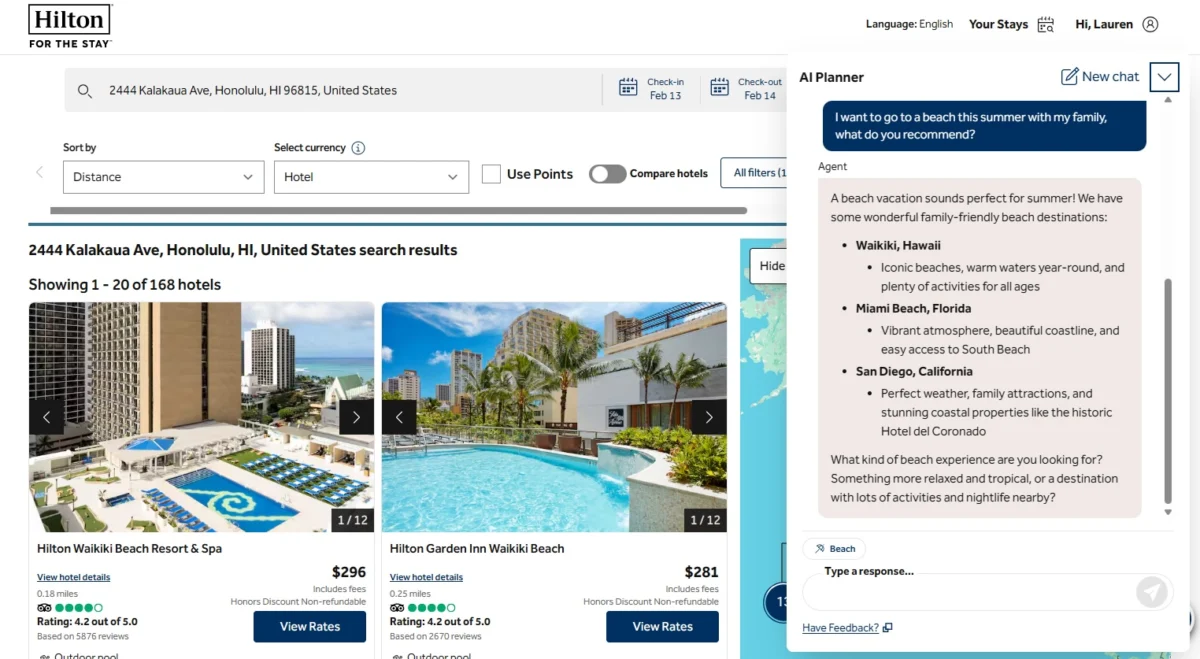
Hilton recently announced the debut of its innovative Hilton AI Planner, a cutting-edge generative AI-powered digital concierge designed to revolutionize how travelers explore the company’s vast portfolio of hotels and plan their stays. Now undergoing beta testing at hilton.com, this sophisticated tool harnesses conversational intelligence to guide users through every phase of the travel shopping journey, offering real-time responses and meticulously curated recommendations. From identifying the ideal destination to comparing properties and exploring amenities, the Hilton AI Planner aims to deliver an unparalleled level of speed, simplicity, and personalization. The initial launch is limited to a select portion of site traffic on hilton.com, with plans for broader expansion as the system evolves through user feedback and iterative enhancements.
Hilton’s Legacy of Digital Innovation: Paving the Way for AI
The introduction of the Hilton AI Planner is not an isolated development but rather a significant continuation of Hilton’s long-standing commitment to technological leadership and innovation within the hospitality sector. For decades, Hilton has consistently been at the forefront of integrating advanced technologies to enhance the guest experience, setting industry benchmarks that have often been emulated. This pioneering spirit has manifested in several groundbreaking initiatives, each designed to simplify and enrich the travel journey.
One of Hilton’s most celebrated innovations is the Digital Key, first launched in 2014. This feature, available through the Hilton Honors app, transformed the check-in process by allowing guests to bypass the front desk and use their smartphone as a room key. This not only offered unprecedented convenience but also aligned with a growing consumer preference for contactless interactions, a trend that accelerated significantly in recent years. The Digital Key’s widespread adoption across hundreds of thousands of Hilton rooms globally underscored the company’s ability to implement complex technological solutions at scale, proving its practical utility and enhancing guest autonomy.
Following the success of Digital Key, Hilton introduced the Connected Room concept in 2017. This visionary platform allowed guests to personalize their in-room experience through the Hilton Honors app or a dedicated remote. Connected Room enabled control over lighting, temperature, TV, and even window coverings, all from a single interface. It represented a shift towards a more integrated and intuitive in-room environment, anticipating the smart home revolution and bringing its benefits directly into the hotel setting. This initiative demonstrated Hilton’s foresight in understanding how digital integration could deepen guest comfort and customization.
Further cementing its innovative reputation, Hilton also launched the industry-first Confirmed Connecting Room feature. This solution addressed a common pain point for families and groups traveling together: the uncertainty of securing adjacent or connecting rooms. By allowing guests to instantly confirm connecting rooms at the time of booking, Hilton removed a significant source of travel stress, showcasing a practical application of technology to solve a tangible guest problem. These innovations, alongside the evolution of the award-winning Hilton Honors app into a comprehensive travel companion, have collectively established a robust digital ecosystem that forms the natural precursor to the generative AI capabilities now being deployed. These past successes illustrate a clear strategic trajectory: leveraging technology to empower travelers and streamline their experience, a philosophy that the Hilton AI Planner now embodies and elevates.
The Ascent of AI in Travel: Responding to Evolving Traveler Demands
The timing of the Hilton AI Planner’s debut is particularly significant, coinciding with a period where travelers are increasingly seeking solutions that offer unparalleled speed, simplicity, and personalization. The modern traveler, accustomed to hyper-personalized digital experiences in other facets of their lives, now expects the same level of tailored service and efficiency from the travel industry. Research consistently indicates a strong preference for digital tools that streamline planning and booking, with studies showing that a substantial majority of travelers (often cited between 60-80% across various surveys by Deloitte, Expedia, and others) value personalized recommendations and efficient online processes.
The broader travel and hospitality sector has been undergoing a rapid digital transformation, intensified by global events that underscored the need for resilient, flexible, and technologically advanced operations. Prior to the widespread adoption of generative AI, various forms of artificial intelligence have already begun to permeate the industry. Rule-based chatbots have handled basic customer service inquiries, machine learning algorithms have optimized dynamic pricing, and AI-driven analytics have informed personalized marketing campaigns. However, the advent of generative AI, powered by large language models (LLMs), marks a qualitative leap. Unlike previous iterations of AI that primarily processed or analyzed existing data, generative AI can create new content, understand complex natural language queries, and engage in fluid, human-like conversations. This capability allows for a much more dynamic and intuitive interaction, moving beyond pre-scripted responses to truly understand and anticipate traveler needs.
The global market for AI in the travel industry is projected for substantial growth, with various market intelligence reports forecasting compound annual growth rates (CAGRs) upwards of 20-30% over the next decade, reaching multi-billion dollar valuations. This growth is driven by the clear benefits AI offers: enhanced customer satisfaction, increased operational efficiency, and the ability to process vast amounts of data to uncover actionable insights. Companies that successfully integrate these technologies are poised to gain a significant competitive advantage by reducing customer friction, improving conversion rates, and fostering deeper brand loyalty. The Hilton AI Planner is a direct response to these market forces, positioning Hilton at the forefront of leveraging this powerful new wave of AI to meet and exceed contemporary traveler expectations.
A Deep Dive: How the Hilton AI Planner Works
At its core, the Hilton AI Planner is designed to act as a sophisticated digital travel consultant, leveraging generative AI to provide a highly interactive and personalized planning experience. The "conversational intelligence" it employs allows travelers to interact with the system using natural language, similar to how one would converse with a human travel agent. This eliminates the need for navigating complex menus or filtering options manually, drastically simplifying the initial search and discovery phases.

When a user initiates a query on hilton.com, the AI Planner processes their input, whether it’s a broad request like "I want a family-friendly beach vacation in Europe next summer" or a more specific one such as "Find hotels in London near the British Museum with a pool and pet-friendly policies for a weekend in October." The generative AI then taps into Hilton’s extensive database of properties, amenities, and geographical information. It doesn’t just pull up a list; instead, it synthesizes information to provide tailored recommendations, often presenting options complete with contextual details that are relevant to the user’s expressed preferences.
For example, if a traveler asks for a romantic getaway, the AI might suggest specific Hilton brands known for their boutique luxury or adults-only experiences, along with details about fine dining options, spa services, or nearby attractions conducive to romance. If the query involves a business trip, it could prioritize hotels with robust meeting facilities, high-speed internet, and convenient access to business districts or airports. The real-time response capability is crucial, allowing for an immediate back-and-forth dialogue where the AI can clarify needs, suggest alternatives, and refine recommendations based on subsequent user input. This iterative process ensures that the planning journey is adaptive and responsive, leading to more satisfactory outcomes.
The AI Planner can also compare properties on various metrics, highlighting differences in price, star rating, amenities, and location, presenting this information in an easily digestible format. Furthermore, it can delve into specific amenities, answering questions like "Does this hotel have an executive lounge?" or "What kind of breakfast options are available at that resort?" This level of detail, combined with the conversational interface, significantly reduces the time and effort traditionally associated with travel research, transforming what can often be a cumbersome task into an engaging and intuitive dialogue. The beta phase is critical here, as Hilton aims to refine these capabilities, ensuring accuracy, relevance, and a truly seamless user experience before a broader rollout.
Strategic Imperatives: Why Now for Generative AI in Hospitality?
Hilton’s decision to deploy generative AI at this juncture is underpinned by several strategic imperatives that align with both internal objectives and broader industry trends. Primarily, it’s about competitive differentiation. In a highly competitive global hospitality market, offering a superior and more personalized planning experience can be a powerful magnet for direct bookings. By making hilton.com the most intelligent and helpful platform for booking, Hilton can reduce reliance on third-party online travel agencies (OTAs), thereby retaining a larger share of revenue and fostering direct relationships with guests.
Another key imperative is enhancing customer loyalty. In an era where brand affinity is increasingly influenced by digital experience, providing an innovative, user-friendly tool like the AI Planner can significantly bolster guest satisfaction and encourage repeat bookings. When travelers find the planning process enjoyable and efficient, they are more likely to return to the brand that provided that positive experience. This aligns with Hilton’s long-term strategy of building a strong, loyal customer base through its Hilton Honors program and exceptional service.
Operational efficiency also plays a significant role. While the AI Planner is designed to assist travelers directly, it also has the potential to alleviate the workload on human customer service agents. By handling a vast array of common inquiries and initial planning stages, the AI can free up human staff to focus on more complex issues requiring a personal touch, thereby optimizing resource allocation and potentially reducing operational costs. This shift allows Hilton to scale its customer support capabilities without a proportional increase in human capital, especially during peak travel periods.
Furthermore, the AI Planner serves as a rich source of data. Every interaction, every query, and every choice made by a user provides valuable insights into traveler preferences, emerging trends, and areas where Hilton’s offerings might be strengthened. This behavioral data can be analyzed to continually refine the AI’s recommendations, personalize marketing efforts, and even inform future property development or amenity enhancements. This iterative learning process is crucial for staying agile and responsive in a dynamic market. In essence, the Hilton AI Planner is a multi-faceted strategic investment aimed at cementing Hilton’s market leadership, deepening guest relationships, and optimizing its operational framework for the future.
Executive Vision: Hilton’s Commitment to Future-Forward Hospitality
Michael Leidinger, Senior Vice President and Chief Information Officer at Hilton, articulated the company’s vision for this new chapter in digital innovation, emphasizing the continuity of Hilton’s pioneering spirit. "For decades, Hilton has been at the forefront of hospitality innovation – from the award-winning Hilton Honors app to the most widely available Digital Key and the industry-first Confirmed Connecting Room," Leidinger stated. His remarks underscore that the Hilton AI Planner is not merely a standalone product but a natural progression in a well-established journey of technological advancement.
Leidinger further highlighted the broader strategic intent behind the AI Planner: "The launch of the Hilton AI Planner marks another step forward in our journey to reimagine the travel experience for Hilton guests. This is just the beginning and a preview of where we’re going, as we continue to focus on providing thoughtful, purposeful innovation that empowers travelers." This statement is particularly insightful. The phrase "reimagine the travel experience" suggests a holistic approach to how guests interact with Hilton, moving beyond transactional bookings to a more immersive and supportive planning process. The emphasis on "thoughtful, purposeful innovation" indicates a commitment to developing technologies that genuinely solve problems and add value for travelers, rather than simply adopting new tech for its own sake. It also hints at a future roadmap where the AI Planner could evolve significantly, potentially integrating with other aspects of the guest journey, from pre-arrival to in-stay services.
The executive sentiment reflects a clear understanding that technological prowess is no longer a mere differentiator but a fundamental expectation from discerning travelers. By positioning the AI Planner as "just the beginning," Hilton signals its intent to remain agile and continue investing in advanced solutions. This forward-looking perspective, combined with a deep appreciation for its own innovative history, positions Hilton not only as a leader in hospitality but also as a significant player in the broader digital transformation landscape, constantly striving to anticipate and shape the future of travel.

Beta Testing and Iterative Development: A Phased Approach
The decision to launch the Hilton AI Planner in a beta phase to a small pool of site traffic before a wider rollout is a strategic and prudent approach to technology deployment. This phased introduction allows Hilton to gather crucial real-world data and feedback in a controlled environment, ensuring the system is robust, accurate, and truly beneficial before being exposed to a broader audience.
During this beta period, Hilton will meticulously monitor how guests interact with the AI Planner. This includes analyzing query types, the complexity of requests, the effectiveness of the recommendations provided, and the overall user satisfaction. Key metrics will likely involve engagement rates, conversion rates related to AI-assisted bookings, and time spent on the planning interface. Crucially, the company will actively solicit direct feedback from beta users. This qualitative input, combined with quantitative behavioral data, will be invaluable in identifying areas for improvement, uncovering unexpected use cases, and refining the AI’s conversational capabilities.
The iterative development cycle inherent in this approach is critical for generative AI systems. These models learn and improve over time, and exposure to diverse real-world scenarios is essential for their maturation. As guests start to use the Hilton AI Planner, the company will learn from real behaviors, direct feedback, and emerging needs. This continuous learning loop will enable Hilton to continually improve the AI’s accuracy, expand its knowledge base, streamline its interface, and further personalize its recommendations. This adaptive strategy ensures that the AI Planner will not be a static product but an evolving platform that grows in intelligence and utility, ultimately delivering a more sophisticated and seamless experience as it expands to more users globally. This commitment to refinement underscores Hilton’s dedication to delivering a high-quality, impactful technological solution.
Broader Implications for the Travel Sector
The introduction of the Hilton AI Planner carries significant implications that extend beyond Hilton itself, potentially reshaping dynamics across the broader travel and hospitality sector. Firstly, it sets a new benchmark for customer service and digital engagement. As a major global player, Hilton’s move into generative AI for travel planning will likely spur other hotel chains and travel providers to accelerate their own AI strategies. This could ignite a "tech arms race" where companies vie to offer the most intuitive, personalized, and efficient planning tools, ultimately benefiting consumers through enhanced options and improved experiences.
Secondly, the shift towards AI-powered direct booking tools could further impact the role of online travel agencies (OTAs). If hotel brands can offer superior, personalized planning and booking experiences directly on their own platforms, travelers may have less incentive to use third-party aggregators. This could lead to a rebalancing of power within the distribution landscape, potentially increasing direct bookings for hotel brands and giving them greater control over the guest relationship and associated revenue.
Thirdly, the widespread adoption of such AI tools could fundamentally alter the skill sets required in various hospitality roles. While AI may automate routine inquiries, it will likely create demand for new roles focused on AI management, data analysis, and the development of more complex, high-touch human interactions that complement AI capabilities. Hotel staff might be re-skilled to handle more intricate guest requests or to manage the AI systems themselves, rather than fielding basic booking questions.
Finally, the ethical considerations surrounding AI, particularly generative AI, will become increasingly prominent. Issues such as data privacy, the potential for algorithmic bias in recommendations, and the need for transparency in AI interactions will require careful attention. Hilton, as an early adopter, will undoubtedly contribute to best practices and industry standards in these areas, influencing how future AI applications are developed and governed across the sector. The Hilton AI Planner is not just a new feature; it’s a harbinger of a more intelligent, personalized, and potentially transformative future for the entire travel industry.
The Future of Personalized Travel
The Hilton AI Planner represents more than just a technological upgrade; it embodies a vision for the future of personalized travel. By leveraging the power of generative AI, Hilton is moving towards a paradigm where travel planning is less about navigating complex systems and more about engaging in an intelligent, empathetic conversation that anticipates and fulfills individual desires. This evolution promises to reduce decision fatigue, unlock new travel possibilities, and create a truly bespoke journey for every guest. As the AI Planner learns and expands, it has the potential to become an indispensable companion, seamlessly guiding travelers from initial inspiration to the perfect stay. This is the beginning of an exciting chapter, where thoughtful innovation empowers travelers like never before, making every Hilton stay not just a trip, but a perfectly planned experience.




 Anjar Salim
 Dwi Wanna
 Budi Mulyono
 Chandra Hamzah
 Gabriela Annisa