
 Lukman Taruna Persada Ramadan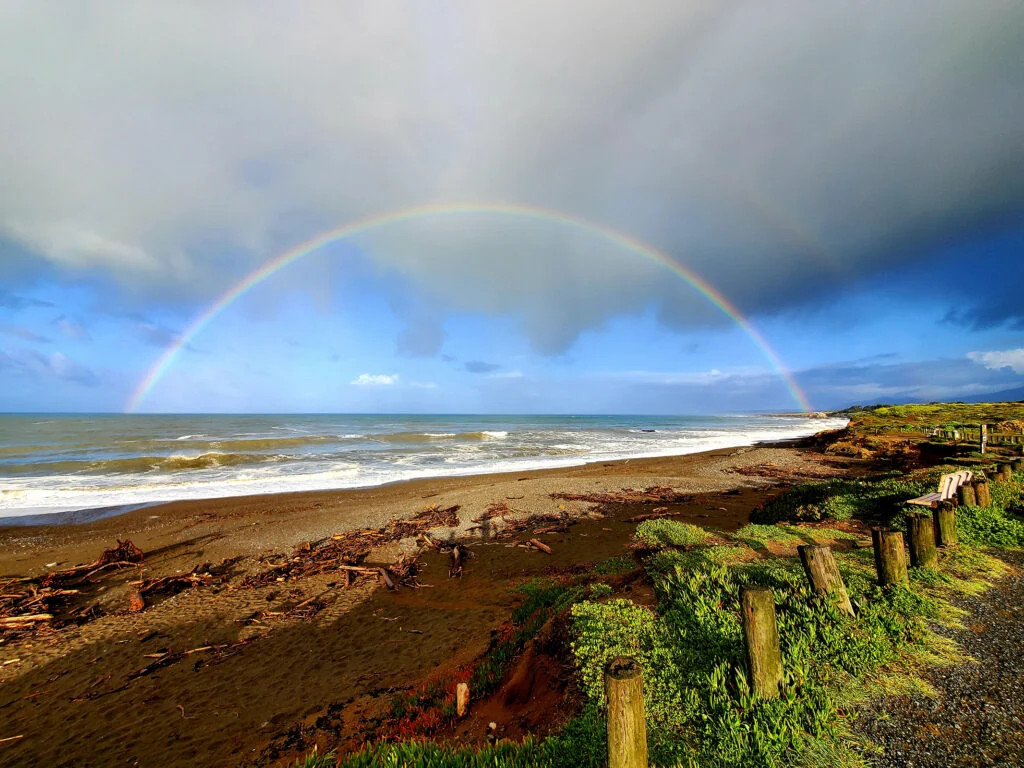
The Pacific Coast Highway (PCH) unfurls a dramatic tableau of natural grandeur and human ingenuity along the western edge of the United States. On one side, the Pacific Ocean orchestrates a perpetual symphony, with waves gently caressing wide stretches of sand or dramatically crashing against jagged cliffs, sending plumes of spray skyward. On the other, the landscape transitions through a rich mosaic: sheer cliffs ascend like ancient ramparts, meticulously cultivated vineyards paint the hillsides in neat rows, and dense pine forests stand sentinel along the winding road. Interspersed between these natural wonders, bustling cities gracefully yield to charming small communities, each boasting unique art galleries, farm-to-table restaurants, and boutique shops offering local crafts and beachwear. This serpentine route, often considered America’s premier road trip, is not merely a path to a destination; it is, unequivocally, the destination itself.
An Engineering Marvel Woven into the Landscape
The PCH, known primarily as California State Route 1 (SR 1) through much of California and U.S. Route 101 through Oregon and Washington, is a testament to ambitious civil engineering. It navigates a topography that demands respect and ingenuity, winding, dipping, and climbing through varied terrain. The highway cuts through mountain tunnels carved from solid rock and spans monumental chasms with iconic bridges. Among these, the Bixby Bridge in Big Sur stands as a towering concrete arch, an architectural marvel that has become synonymous with the PCH’s rugged beauty, offering breathtaking views of the Pacific below. Further north, on San Francisco’s edge, the Golden Gate Bridge, a global icon of engineering and design, marks another significant crossing, linking the city to the redwood forests of Marin County.
At numerous points, the PCH narrows to just two lanes, compelling traffic into a more measured, leisurely rhythm. This deceleration allows travelers to truly absorb the panoramic vistas and appreciate the intricate details of the surrounding environment. The construction of these segments, particularly in challenging coastal areas, represented significant feats in the early to mid-20th century, often involving arduous labor and innovative techniques to stabilize cliffsides and bridge deep ravines. The historical context of its development, particularly during the Great Depression when public works projects provided employment, underscores its enduring legacy as both an economic driver and a national treasure.
Navigating the Legendary Route: Names and Extent
While widely known by its evocative nickname, "The Pacific Coast Highway," the route’s official designations can be complex. In California, Highway 1 is sometimes referred to as the Cabrillo Highway in sections of the Central Coast, honoring the explorer Juan Rodriguez Cabrillo. Further north, U.S. Highway 101, which carries the PCH mantle through Oregon, is officially designated the Pacific Coast Scenic Byway. Even within major urban centers, segments of the PCH adopt local street names, such as 19th Avenue in San Francisco, requiring travelers to pay close attention to navigation.
In its entirety, the PCH stretches for an impressive nearly 1,700 miles, connecting communities from Olympia, Washington, in the north to San Diego, California, in the south. This vast expanse makes a comprehensive journey a significant undertaking, often requiring weeks to complete. Consequently, many travelers opt to explore specific, highly acclaimed portions of the highway.
The Golden Stretch: San Francisco to Los Angeles
The most popular and arguably most iconic section of the PCH spans approximately 500 miles between San Francisco and Los Angeles. This segment encapsulates many of the highway’s most celebrated highlights and offers a condensed yet incredibly rich experience of California’s coastal allure.
Key attractions along this route include:
- The Golden Gate Bridge: An essential photographic stop and a marvel of modern engineering, offering stunning views of the San Francisco Bay.
- Monterey Bay Aquarium: A world-renowned marine research and conservation institution in Monterey, attracting millions of visitors annually to its diverse exhibits of Pacific marine life.
- Big Sur: A dramatic, rugged stretch of coastline where the Santa Lucia Mountains plunge directly into the Pacific. Home to redwood forests, pristine beaches, and the aforementioned Bixby Bridge. Its untamed beauty and winding roads are a highlight for many.
- Hearst Castle: The opulent historic estate of newspaper magnate William Randolph Hearst, perched atop a hill overlooking San Simeon, offering a glimpse into early 20th-century grandeur and a vast art collection.
- Santa Monica Pier: A historic landmark at the western end of Route 66, offering amusement rides, restaurants, and classic pier entertainment.
This 500-mile journey, if driven without significant stops, typically takes 10 to 12 hours. However, to truly appreciate the myriad attractions and diverse landscapes, travelers often dedicate an entire week or more, allowing for leisurely exploration, overnight stays in charming towns, and spontaneous detours.
Overcoming Challenges: The Resilience of the PCH
The PCH’s proximity to dynamic coastal geology means it is perpetually susceptible to natural forces, including landslides, rockfalls, and coastal erosion. These challenges necessitate ongoing maintenance and, at times, lead to temporary closures. A notable recent example was the Regent’s Slide, which closed a section of Highway 1 between Big Sur and San Simeon in February 2024. This incident, while disruptive, underscored the continuous efforts by the California Department of Transportation (Caltrans) and other agencies to maintain the highway’s integrity and ensure public safety. Fortunately, this critical segment has since reopened, a testament to the dedication of engineering teams and the importance of this route to California’s infrastructure and tourism economy. Such closures, though inconvenient, are a recurring part of the PCH’s history, reflecting the constant battle between human infrastructure and natural forces along a geologically active coastline.

Planning Your Expedition: Essential Considerations
Embarking on a PCH road trip, regardless of the chosen segment, requires thoughtful planning to maximize enjoyment and minimize logistical hurdles.
Direction of Travel: A common debate among PCH enthusiasts centers on the optimal direction of travel. Many advocate for starting in the north and heading south, primarily because this orientation places the driver closer to the ocean, offering unobstructed views of the Pacific without oncoming traffic acting as a visual barrier. Conversely, some argue that traveling from south to north allows the scenery to progressively build in dramatic intensity, culminating in the rugged grandeur of Big Sur or the iconic Golden Gate. Both directions offer unique perspectives, and the choice often comes down to personal preference.
Vehicle Choice: While the PCH is generally well-maintained, certain sections feature steep climbs, tight curves, and narrow passages through smaller towns. This makes driving larger recreational vehicles (RVs) a potentially tricky endeavor. The winding nature of the road, particularly in areas like Big Sur, can be challenging for less nimble vehicles, prompting many to recommend standard passenger cars or SUVs for a more comfortable and agile experience.
Accommodation and Dining: According to Laila Fiege-Kollmann, owner of Shoreline Inn on the Beach in Cayucos, California, and a board member of the Highway 1 Tourism Alliance, securing hotel or campsite reservations well in advance is crucial, especially during peak seasons. Summer and holiday accommodations should ideally be booked at least two months ahead. For winter travel, a month’s notice is recommended for weekend stays, though midweek availability might be found with only a few days’ notice. Similarly, reservations are highly advisable for popular restaurants, particularly in sought-after coastal towns. This foresight ensures a smoother, more relaxed journey, free from the stress of last-minute searches.
Activities and Attractions: The level of pre-booking required for activities and ticketed attractions largely depends on individual travel style. Many experiences along the PCH are accessible without prior reservations. For instance, in San Simeon, visitors can freely observe the massive elephant seal colony at the Piedras Blancas rookery, explore the gratis museum at Hearst Castle, hike one of the numerous coastal trails, or enjoy a wine tasting at Hearst Ranch Winery, all without the need for advance tickets. However, for specific tours, whale watching excursions, or entry to highly popular sites during peak times, checking ahead and booking might be beneficial.
Seasonal Dynamics: The PCH offers a distinct experience in every season, though some periods are more favorable for certain activities.
- Summer (June-August): This is the most crowded period, coinciding with school breaks and holidays. While temperatures are generally warm, thick morning fog, known as "June Gloom" or "May Gray," is common in coastal areas, often burning off by midday.
- Fall (September-November): Many consider autumn the ideal time to visit, offering mild, sunny days, fewer crowds, and often clearer skies after the summer fog has dissipated.
- Winter (December-February): While generally too chilly for swimming, winter can offer dramatic storm-watching opportunities and a serene, less crowded experience.
- Spring (March-May): Outside of spring break periods, spring is another highly recommended time. The landscape bursts with wildflowers, and it offers excellent opportunities for spotting migrating whales along the coast, adding a unique dimension to the journey.
Packing Essentials: Coastal weather can be notoriously fickle, with significant temperature fluctuations throughout the day. Layered clothing is essential, allowing travelers to adapt to changing conditions. Even in summer, a light jacket or windbreaker is advisable for cooler evenings, sudden breezes, or unexpected rain showers. For those planning to venture near the water, packing a towel and an extra pair of shoes is practical.
Broader Impact and Implications
The Pacific Coast Highway is more than just a road; it is a vital artery for tourism, a significant economic engine for countless coastal communities, and a symbol of California’s iconic landscape. Its allure draws millions of domestic and international visitors each year, generating substantial revenue for local businesses, from small inns and restaurants to tour operators and artisan shops. The continuous flow of travelers supports jobs and preserves the unique character of the towns nestled along its path.
However, its existence also presents ongoing challenges. The delicate balance between development and conservation is a constant consideration. Environmental groups and state agencies work collaboratively to protect fragile ecosystems, including marine sanctuaries, redwood forests, and coastal habitats that are home to endangered species. Issues such as plastic pollution, responsible tourism practices, and mitigating the effects of climate change on coastal erosion are critical areas of focus.
Moreover, the PCH serves as a critical transportation corridor for local residents and commerce, underscoring the importance of its maintenance and resilience. Caltrans invests significantly in engineering solutions and monitoring programs to address geological instability and ensure the highway remains safe and accessible. The economic ripple effect of even temporary closures, as seen with the Regent’s Slide, highlights the highway’s indispensable role in the regional economy.
Info to Go: Accessing the PCH
Travelers typically access the Pacific Coast Highway by flying into one of the major international airports strategically located along its span. These include Seattle-Tacoma International Airport (SEA) in Washington, Portland International Airport (PDX) in Oregon, and San Francisco International Airport (SFO), Los Angeles International Airport (LAX), or San Diego International Airport (SAN) in California. From these hubs, rental cars are readily available, offering the flexibility to embark on a self-guided journey. Many rental companies also offer the convenience of one-way rentals, allowing travelers to pick up a vehicle at one airport and return it at another at the conclusion of their PCH adventure. This logistical ease further solidifies the Pacific Coast Highway’s status as an accessible and unforgettable American road trip experience.




 Chandra Hamzah
 Tatiana Tantri Indah Sari
 Budi Mulyono
 Anjar Salim

