
 Lukman Taruna Persada Ramadan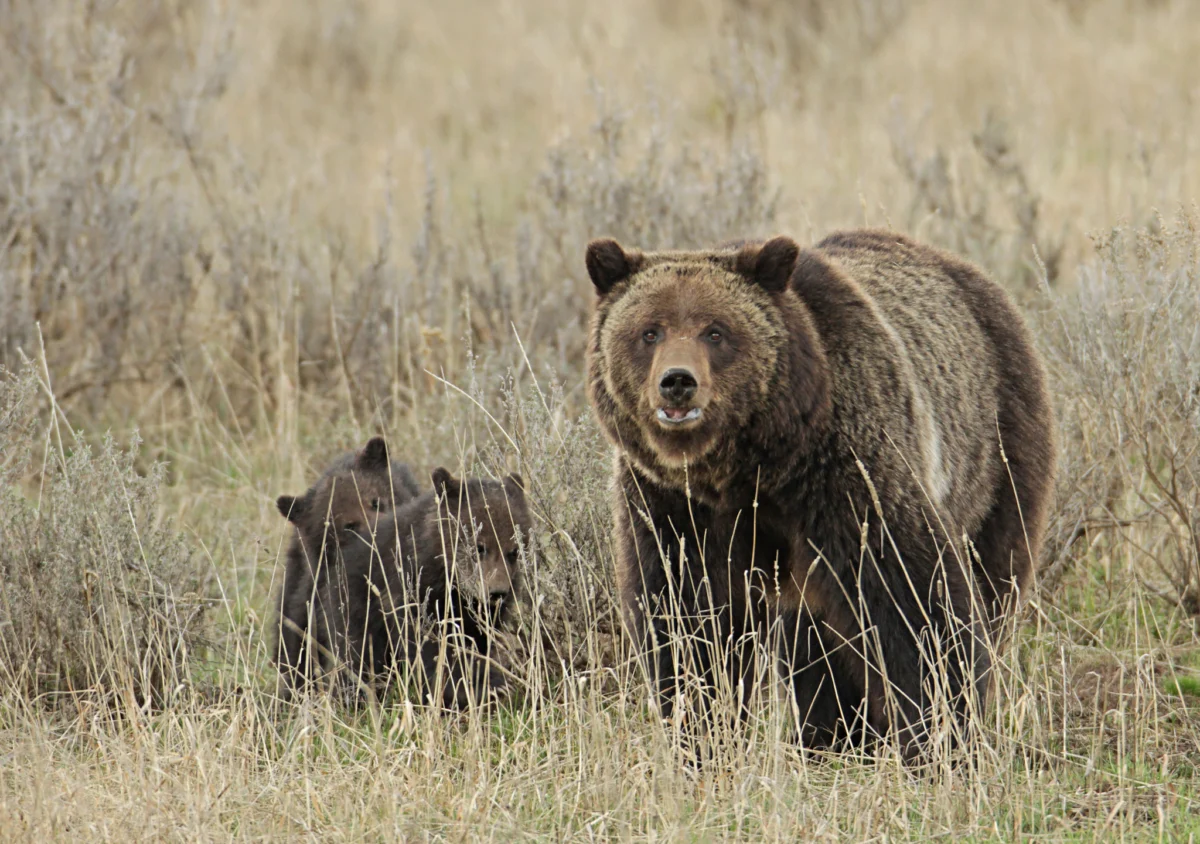
Spring, a season of renewal and vibrant awakening, transforms the landscape of Cody Yellowstone into an unparalleled sanctuary for wildlife observation. As the snows recede and the first green shoots emerge, the region, serving as a vital gateway to Yellowstone National Park, becomes a dynamic stage for the natural world, attracting an influx of diverse species and eager visitors alike. This period is particularly renowned for the emergence of young animals, offering rare glimpses into the early stages of life for some of North America’s most iconic creatures.
The annual resurgence of wildlife activity in Cody Yellowstone is a highly anticipated event, marked by a palpable shift in the ecosystem. From the dens and burrows, a new generation of animals ventures forth, creating extraordinary viewing opportunities for those equipped with patience and a camera. Visitors during this prime season can expect to witness the tender moments of moose calves navigating their first steps, the playful antics of black bear cubs under the watchful eyes of their mothers, the agile leaps of Bighorn sheep lambs, the secretive emergence of wolf pups, the gangly grace of elk calves, the aquatic frolics of baby river otters, and the majestic soaring of young eagles testing their wings. This abundance of nascent life underscores the health and vitality of the greater Yellowstone ecosystem.
Katrina Southern, marketing manager for Cody Yellowstone, articulates the symbolic arrival of the season, stating, "Spring really arrives here when the first bear cubs are spotted. We typically start to see mature bears sometime in March and mothers with their cubs in April and May. By the time our summer-season visitors begin to arrive, those cubs will have begun to learn the ropes of living in the Yellowstone wilderness." This observation highlights a critical timeline for wildlife enthusiasts, emphasizing that the window for observing the youngest and most vulnerable animals is relatively brief, typically peaking from mid-spring through early summer.
A Chronology of Spring’s Awakening
The seasonal progression in Cody Yellowstone dictates a fascinating chronology of wildlife emergence. March often signals the first signs of activity, as larger herbivores like bison and elk, having endured the harsh winter, begin to move more freely, often seeking early forage along cleared roads. Predators such as mature bears, primarily black bears in the immediate Cody area and grizzly bears within the park, emerge from hibernation, driven by hunger and the imperative to find food sources.
By April, the landscape truly bursts with life. This month marks the beginning of the birthing season for many species. Elk calves, with their distinctive spotted coats, are often among the first to be seen, followed closely by Bighorn sheep lambs, which possess remarkable agility from birth. Black bear mothers, having given birth in their dens during winter, start bringing their cubs out into the open, typically in mid-to-late April, depending on weather conditions. These cubs, often weighing only a few pounds at birth, grow rapidly, becoming more active and visible as the days lengthen.

May continues this vibrant trend, with moose calves making their appearance, often seen alongside their towering mothers in wetland areas or dense forests. Wolf pups, usually born in April or early May, begin to venture out from their dens, offering a rare glimpse into the complex social structures of wolf packs. River otter pups also emerge from their dens, transforming quiet waterways into playgrounds. By late May and early June, young eagles, having developed significantly in their nests, begin their fledging process, taking their first exploratory flights. This chronological unfolding of life creates a continuous, evolving spectacle for visitors.
Biodiversity and Ecological Significance
Cody Yellowstone’s strategic location at the eastern gateway to Yellowstone National Park places it within one of the most intact temperate ecosystems on Earth. This region is a crucial habitat for a vast array of wildlife, including 67 species of mammals, 322 species of birds, 16 species of fish, and 6 species of reptiles and amphibians. The spring season is particularly vital for the perpetuation of these populations, as it represents the annual cycle of reproduction and rejuvenation.
The presence of apex predators like wolves and bears is indicative of a healthy ecosystem. Wolves, reintroduced to Yellowstone in the mid-1990s, have played a significant role in restoring ecological balance, influencing elk and bison populations and indirectly benefiting riparian areas. The robust populations of herbivores such as elk, bison, and moose provide a foundational food source, supporting the region’s diverse carnivore community. Bighorn sheep, often found in the rugged mountainous terrain, are a testament to the area’s pristine high-altitude environments. Even smaller, yet equally important, species like river otters and various raptors like eagles contribute to the intricate web of life, each playing a specific role in maintaining the ecosystem’s delicate balance.
Prioritizing Safety and Conservation: Adhering to National Park Service Guidelines
While the allure of observing these animals in their natural habitat is powerful, visitors must recognize their role in preserving this delicate balance. The National Park Service (NPS) rigorously enforces guidelines designed to ensure the safety of both humans and wildlife. These rules are not merely suggestions but critical protocols rooted in decades of research and conservation efforts. Wildlife mothers, especially those with young, are fiercely protective, and any perceived threat can lead to dangerous encounters.
A fundamental rule is maintaining a safe distance. For highly sensitive and potentially dangerous animals such as bears and wolves, a minimum distance of 100 yards (approximately 91 meters) is mandated. This distance allows animals to behave naturally without feeling threatened or encroached upon. For other animals, including elk, bison, moose, and Bighorn sheep, a minimum distance of 25 yards (approximately 23 meters) is required. This separation is crucial; approaching too closely can cause stress to the animals, disrupt their natural behaviors, and habituate them to human presence, which can ultimately lead to negative outcomes, including animals needing to be relocated or euthanized if they become too bold or aggressive.

Furthermore, the NPS strictly prohibits feeding wildlife. This seemingly benevolent act has severe detrimental consequences. Animals that become accustomed to human food can lose their natural foraging instincts, become reliant on handouts, and develop aggressive behaviors when food is not provided. Human food is also often unhealthy for wild animals, leading to digestive issues and nutritional deficiencies. Proper disposal of all food waste and storing food securely in bear-resistant containers are paramount to preventing unintended wildlife interactions.
Strategic Wildlife Observation and Driving Practices
Successful wildlife viewing in Cody Yellowstone often hinges on strategic timing and careful observation. The hours around dawn and dusk are consistently the most active periods for many species. During these crepuscular hours, animals are often more mobile, foraging, and less impacted by human activity. This means early mornings and late afternoons are prime times to spot animals along the roads leading from Cody to the East and Northeast Gates of Yellowstone National Park.
Visitors are advised to drive carefully and remain vigilant, as wildlife frequently crosses roadways. Speed limits are not arbitrary; they are set to minimize the risk of collisions with animals and to allow drivers sufficient time to react. The use of binoculars and spotting scopes is highly recommended, as these tools enable close-up observation from a safe distance, enhancing the experience without disturbing the animals. Pulling over safely in designated pull-offs, rather than stopping in the middle of the road, is also crucial for visitor safety and maintaining traffic flow.
One unique phenomenon visitors might encounter is a "bison jam." Bison, enormous and powerful animals, have evolved remarkable strategies to survive the harsh Yellowstone winters. Conserving energy is paramount, and during spring, when snow can still be deep off-road, herds often opt to use the paved, cleared roadways for easier travel. Encountering a herd slowly moving down a road is a quintessential Yellowstone experience. In such situations, patience is key. Visitors are instructed to remain inside their vehicles with windows closed, allowing the bison to pass at their own unhurried pace. This not only ensures safety but also offers an extraordinary, unobstructed photographic opportunity. Attempting to rush or harass bison can provoke a dangerous charge from these powerful animals.
The Economic and Conservation Implications
Wildlife tourism is a cornerstone of the regional economy, particularly for communities like Cody. Millions of visitors annually are drawn to the promise of seeing animals in their natural habitat, contributing significantly to local businesses through lodging, dining, guiding services, and retail. This economic incentive provides a strong motivation for continued conservation efforts and the sustainable management of natural resources.

However, the increasing popularity of wildlife viewing also presents challenges. The sheer volume of visitors can exert pressure on wildlife populations through habitat disturbance, traffic congestion, and the potential for rule violations. Therefore, education and adherence to guidelines are not just about individual safety but are crucial for the long-term health of the ecosystem and the sustainability of the tourism industry. Conservation organizations and park authorities work tirelessly to balance visitor access with ecological preservation, implementing programs for habitat protection, wildlife monitoring, and public education.
Enhancing the Visitor Experience: Beyond the Wildlife
While wildlife is undoubtedly the star attraction, Cody Yellowstone offers a holistic Western experience that complements the natural wonders. The region’s rich history, deeply intertwined with the legacy of William F. "Buffalo Bill" Cody, provides a cultural backdrop. Historic lodges and unique hotels, such as the iconic Irma Hotel and the rustic Shoshone Lodge, offer more than just accommodation; they provide an immersive journey into the spirit of the Old West. The Irma Hotel, built by Buffalo Bill himself in 1902, is a National Register of Historic Places property, offering a glimpse into early 20th-century Western hospitality with its opulent cherrywood bar, a gift from Queen Victoria. Shoshone Lodge, established in 1921, provides a more secluded, traditional lodge experience, nestled closer to the national park gates, often serving as an ideal base for early morning wildlife excursions.
These establishments, along with local museums, art galleries, and cultural events, enrich the visitor’s stay, providing context and entertainment that extend beyond the wildlife trails. A visit to Cody Yellowstone in spring is thus not merely a trip to see animals; it is an immersion into a vibrant ecosystem, a historical narrative, and a commitment to responsible tourism, ensuring that this magnificent natural spectacle can be enjoyed by generations to come. The call of the wild in Cody Yellowstone during spring is an invitation to witness life reborn, but it is an invitation accompanied by the essential responsibility of respectful observation and unwavering conservation.



 Anjar Salim
 Dwi Wanna
 Budi Mulyono
 Chandra Hamzah
 Gabriela Annisa