
 Hendra Ismail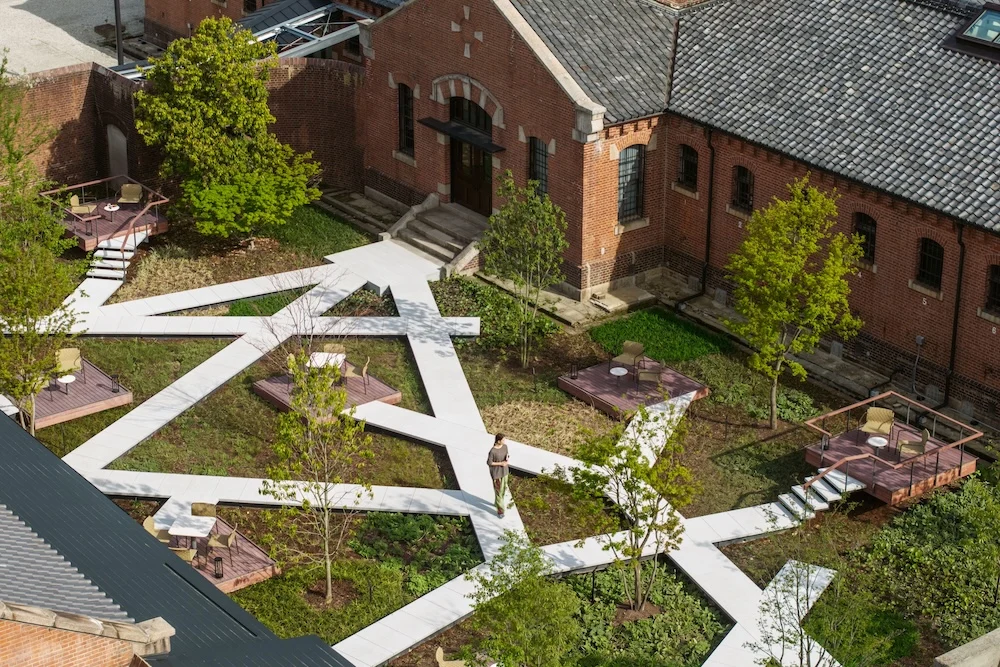
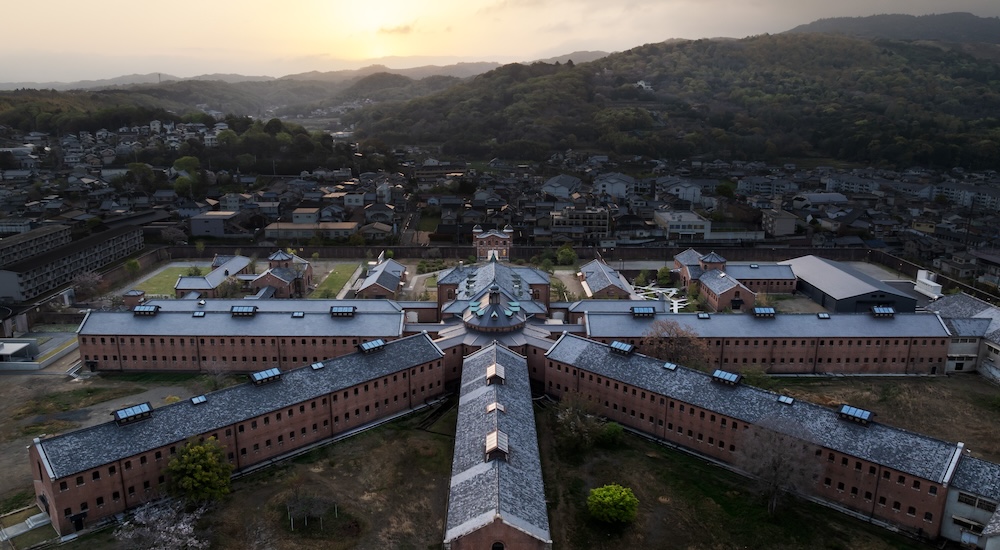
HOSHINOYA Nara Prison, a groundbreaking luxury hotel, has officially opened its doors in the heart of Japan’s Nara Prefecture. This unique establishment is housed within the former Nara Prison, a significant government-designated Important Cultural Property, marking a remarkable transformation of a historical penal institution into an opulent hospitality destination. The 25-acre site, which once served as a place of confinement, has been meticulously reimagined by Hoshino Resorts into an integrated complex that seamlessly blends a high-end hotel experience with a dedicated Nara Prison Museum, all connected by an exclusive guest-only pathway.
The architectural vision for this ambitious project was spearheaded by the Azuma Environmental Architectural Research Institute, in close collaboration with Yasui Architects & Engineers, ICE Urban Environmental Lighting Institute, and landscape designer Hiroki Hasegawa. Their collective expertise has breathed new life into the venerable structure, respecting its historical significance while imbuing it with contemporary luxury and comfort. The design concept is deeply rooted in the Meiji era, Japan’s period of rapid Westernization and modernization, influencing every facet of the guest experience, from the initial approach to the intimate details within the rooms.
A Meiji-Era Masterpiece Reimagined
Nara Prison, originally constructed in 1908, stands as one of the esteemed "Five Great Prisons of Meiji," a designation recognizing key correctional facilities built during that pivotal era. It is notably the only one of these five to remain remarkably intact, preserving a tangible link to Japan’s early modern history. Guests are welcomed through the prison’s original main gate, a grand entrance that immediately confronts them with the former central guardhouse and the iconic radial cell blocks. This distinctive architectural geometry, designed for maximum surveillance and control, has been ingeniously reinterpreted. The institutional corridors have been transformed into elegant pathways, preserving the original spatial logic while elevating the design to a new level of architectural sophistication and aesthetic appeal.
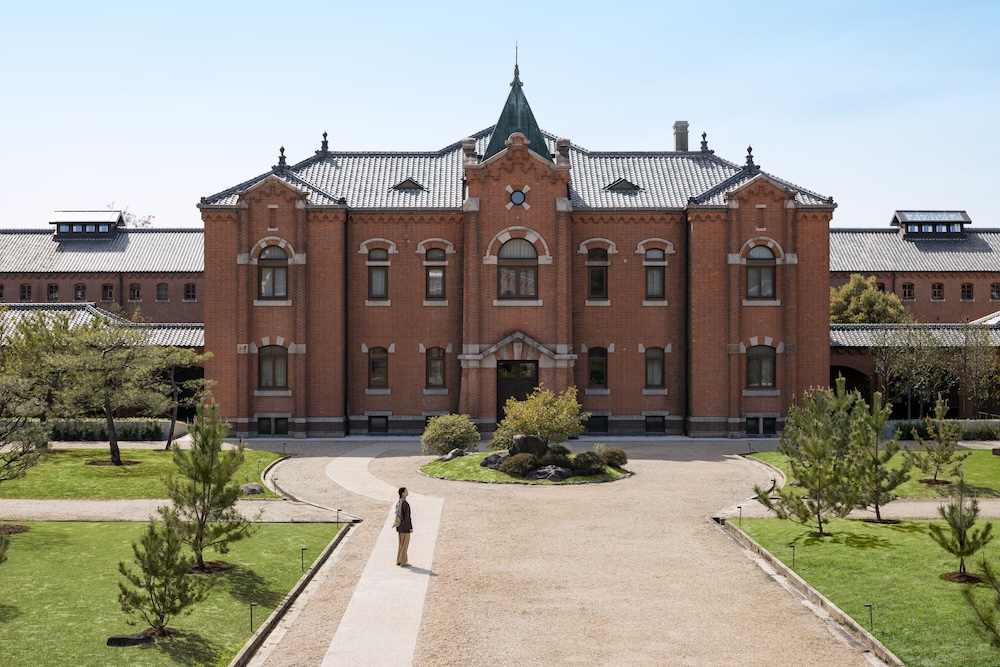
The transformation involved a meticulous process of renovation and adaptation. The original structure’s imposing presence and utilitarian design have been thoughtfully balanced with the demands of luxury hospitality. The overarching design philosophy emphasizes the juxtaposition of the past and the present, the austere with the refined. This approach ensures that the historical narrative of the building is not erased but rather enhanced, offering guests a profound sense of place and time. The careful preservation of original materials, such as hand-laid brickwork and exposed plaster finishes, coupled with the introduction of contemporary elements like warm wood paneling and rugged steel pillars, creates a rich tapestry of textures and historical layers.
From Austere Cells to Expansive Suites
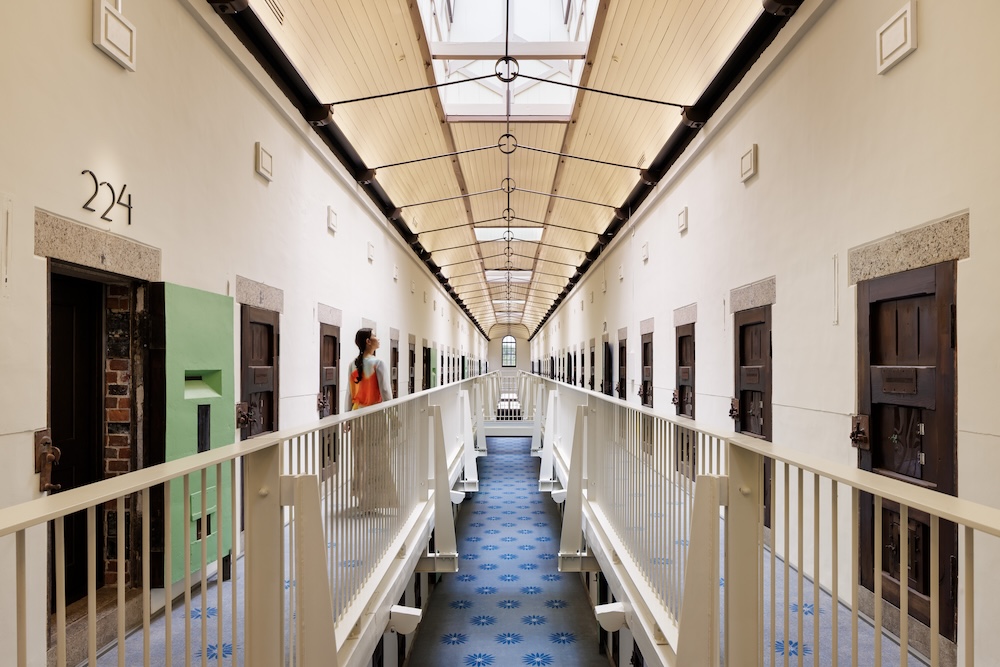
The accommodation at HOSHINOYA Nara Prison offers a unique proposition: 48 exquisitely designed guestrooms, each thoughtfully created by connecting former cell blocks. This innovative approach has resulted in expansive suite configurations that provide a level of spaciousness and privacy rarely found in historical conversions. Three distinct room types are available, with the "11-Cell Deluxe" standing out as the most generously proportioned option. This premier suite boasts a dedicated dressing lounge and a separate living space, offering guests an unparalleled experience of refined comfort within the historic walls.

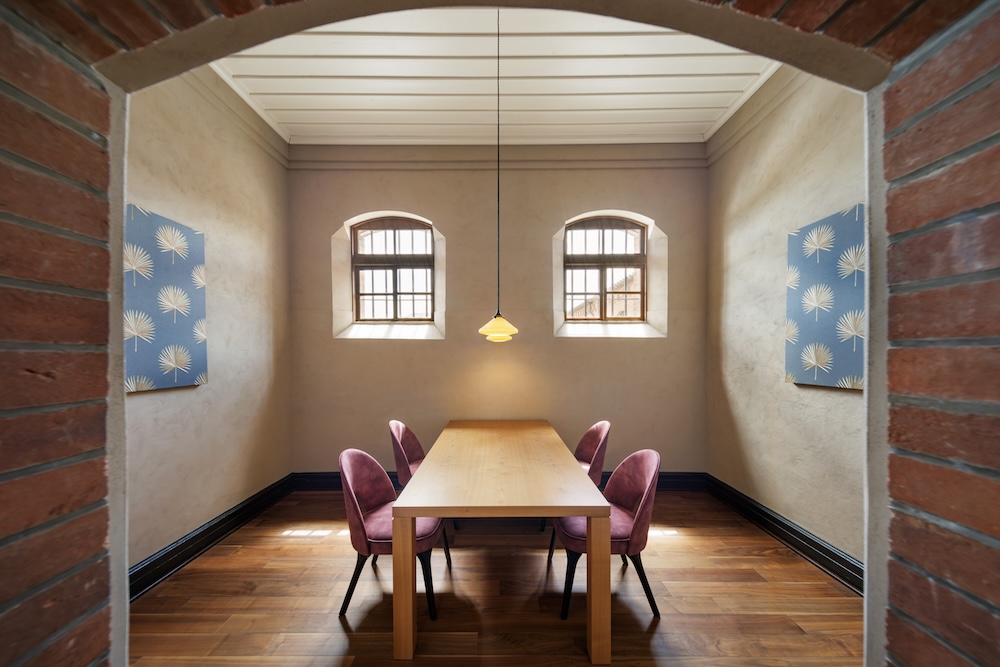
Throughout the interiors, original architectural features have been deliberately brought to the forefront. Guests can observe the authentic hand-laid brickwork, often visible beneath original plaster finishes, offering a tactile connection to the building’s past. The ceiling moldings retain their historic profiles, whispering tales of bygone eras. In a deliberate design choice, rugged steel pillars introduced during the renovation stand in striking contrast to the warm wood paneling, creating a visual dialogue between the building’s utilitarian origins and its luxurious present.
Each room is equipped with curated amenities designed to enhance the guest experience. This includes specially designed room wear, a thoughtfully selected book collection reflecting the hotel’s historical context, custom fragrances that evoke a sense of place, and a selection of premium wines and local sake. These details contribute to an immersive and indulgent stay, where historical character meets contemporary comfort. The transformation of individual cells into luxurious suites represents a significant architectural achievement, redefining the concept of space and privacy within a historically sensitive context.
Communal Spaces: A Blend of History and Modern Comfort
The communal spaces at HOSHINOYA Nara Prison are designed to foster a sense of community and relaxation while continuing the theme of historical reverence. The main lounge is a particularly striking example, centered around an expansive open atrium. Here, original structural beams span the ceiling, a testament to the building’s robust construction, while continuous arched windows frame the space, bathing it in natural light. The furnishings and art displayed within the lounge have been carefully selected to reflect the Meiji era’s embrace of Western cultural influences, creating an atmosphere of sophisticated elegance.
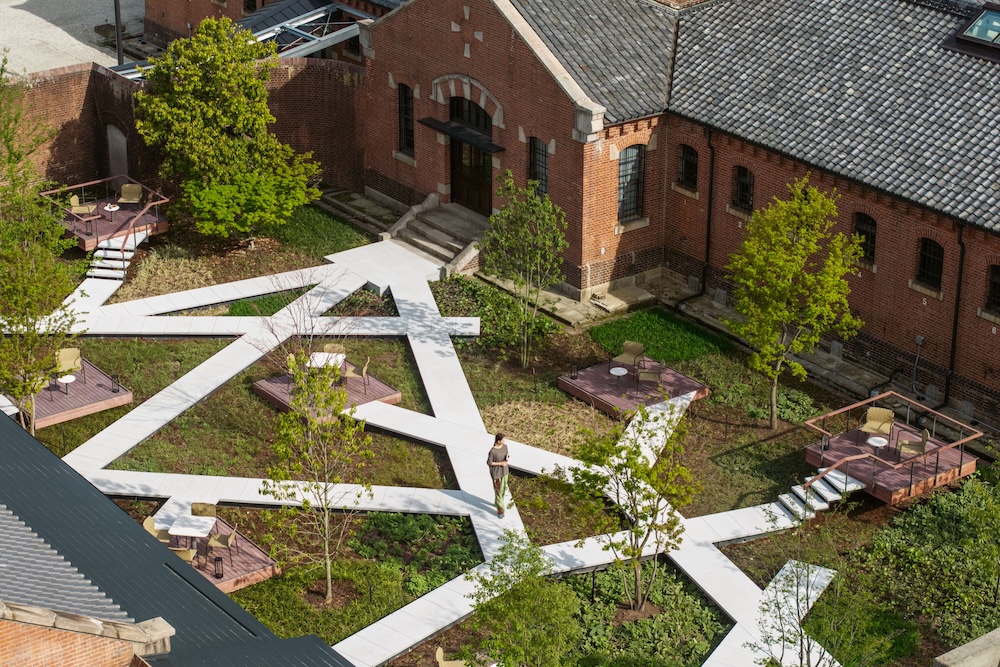
The courtyard offers a tranquil escape, organized around geometrically arranged white walkways. Private decks face the open sky, providing guests with serene outdoor spaces for contemplation and relaxation. This area offers a stark contrast to the building’s former use, transforming a potentially austere open space into a place of peace and natural beauty.
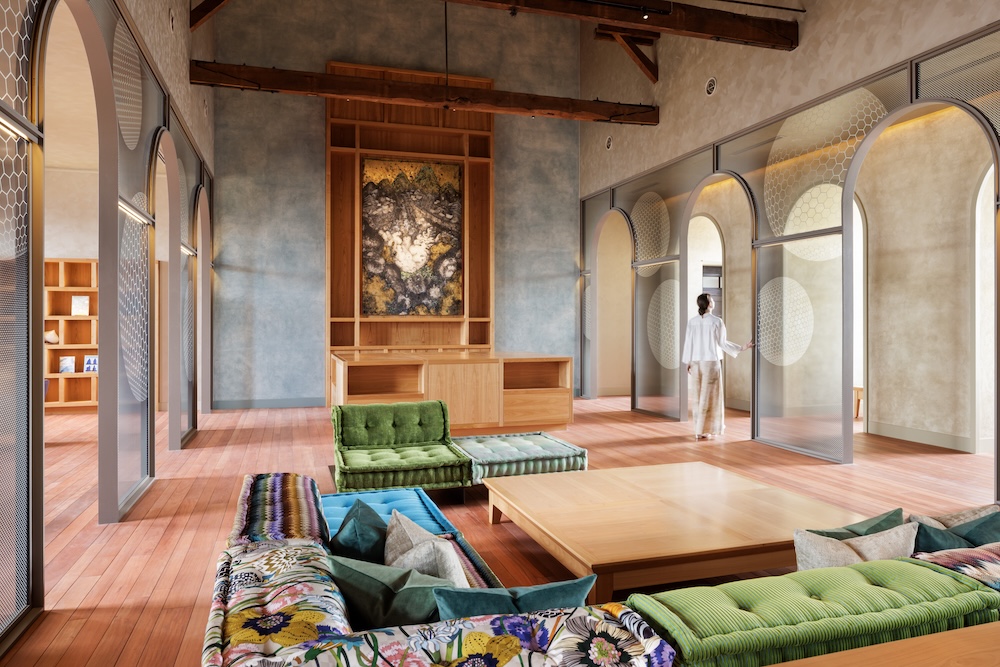
The dining lounge, designed for aperitifs and late-night bar service, artfully adapts the character of traditional Japanese storehouses. This design choice introduces an element of cultural familiarity while incorporating oversized windows that offer captivating views of the illuminated courtyard after dark. The interplay of light and shadow, architecture and nature, creates a dynamic and inviting ambiance, encouraging guests to linger and socialize.
Culinary Delights and Cultural Immersion
Dining at HOSHINOYA Nara Prison is an experience in itself, taking place in a separate building that was formerly comprised of solitary cells and meeting rooms. These spaces have been artfully converted into semi-private dining areas, each capable of seating up to six guests. High-positioned windows in these dining spaces are strategically placed to capture the morning light and offer unobstructed views of the night sky, enhancing the sense of connection to the natural world. The culinary offerings are designed to complement the unique setting, drawing inspiration from both Japanese traditions and contemporary gastronomic trends.
Complementing the hospitality offering is the onsite Nara Prison Museum. Guided by the compelling concept, "An Eternal Question Posed by an Iconic Prison," the museum utilizes innovative design and curated art installations to explore the building’s layered history and its broader social significance. This initiative provides guests with an opportunity for deeper engagement with the site’s past, offering insights into the lives of those who were once confined within its walls and the societal context of its operation. Hotel guests enjoy complimentary, unlimited access to the museum during standard operating hours via the exclusive guest-only pathway, facilitating a seamless integration of accommodation and cultural exploration.
Rie Azuma, CEO of Azuma Environmental Architectural Research Institute, shared her profound impression of the site: "When I visited the site for inspection, I was struck by the spatial composition, where five wings extend from a central guardhouse, and was amazed that such a beautiful space had been created as a prison during the Meiji era. While considering how to express the essence of HOSHINOYA while respecting the value of this cultural property, I came to feel that the space already possessed a sense of ‘extraordinary experience,’ and that it would be sufficient to enhance and highlight its inherent beauty through design." This sentiment underscores the project’s core philosophy: to celebrate and elevate the existing architectural grandeur and historical resonance of the former prison.
Broader Implications and Legacy
The opening of HOSHINOYA Nara Prison represents a significant trend in heritage preservation and adaptive reuse within the hospitality sector. By transforming a historically sensitive and potentially controversial site into a luxury destination, Hoshino Resorts has not only created a unique travel experience but also contributed to the preservation of an important cultural asset. Such projects often face challenges related to public perception and the ethical considerations of recontextualizing spaces with a complex past. However, through thoughtful design, a commitment to historical accuracy, and the integration of educational components like the museum, HOSHINOYA Nara Prison aims to foster a deeper understanding and appreciation of history.
The success of this venture could serve as a model for other historical structures that might otherwise fall into disrepair or be repurposed in less sensitive ways. The careful balance achieved between luxury amenities and the preservation of original architectural integrity demonstrates that historical sites can be economically viable and culturally enriching destinations. The project also highlights the growing global interest in unique, experiential travel that goes beyond conventional luxury, offering guests a chance to connect with history in a tangible and immersive manner. The economic impact on Nara Prefecture is also noteworthy, with the hotel expected to attract international and domestic tourists, potentially boosting local businesses and cultural tourism initiatives. The transformation of Nara Prison is more than just a hotel opening; it is a redefinition of historical spaces, offering a compelling narrative of preservation, luxury, and cultural dialogue.


 Anjar Salim
 Chandra Hamzah
 Tatiana Tantri Indah Sari
 Budi Mulyono
 Lukman Taruna Persada Ramadan
