
 Cholid Fahmi Thalib
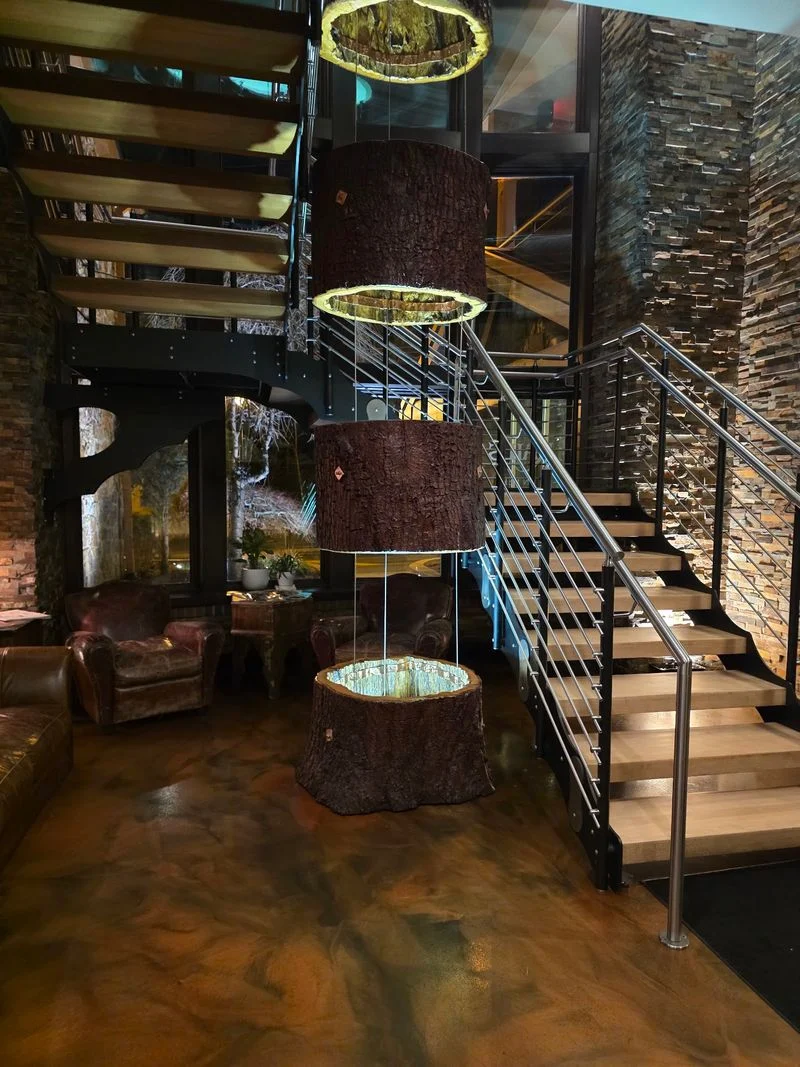
New Jersey’s culinary landscape features a deeply entrenched steakhouse culture that bridges nearly a century of culinary evolution, ranging from historic roadhouses operating since the mid-1930s to high-end establishments situated within 19th-century brownstones. Across the state, discerning diners encounter a vast spectrum of culinary approaches, including USDA Prime dry-aged programs executed at extreme temperatures, lakefront dining concepts featuring open-fire hearths, and strictly supervised kosher dining rooms. This diverse ecosystem of beef purveyors reflects shifting demographic preferences, advanced culinary techniques, and a sustained consumer demand for exceptional meat sourcing.
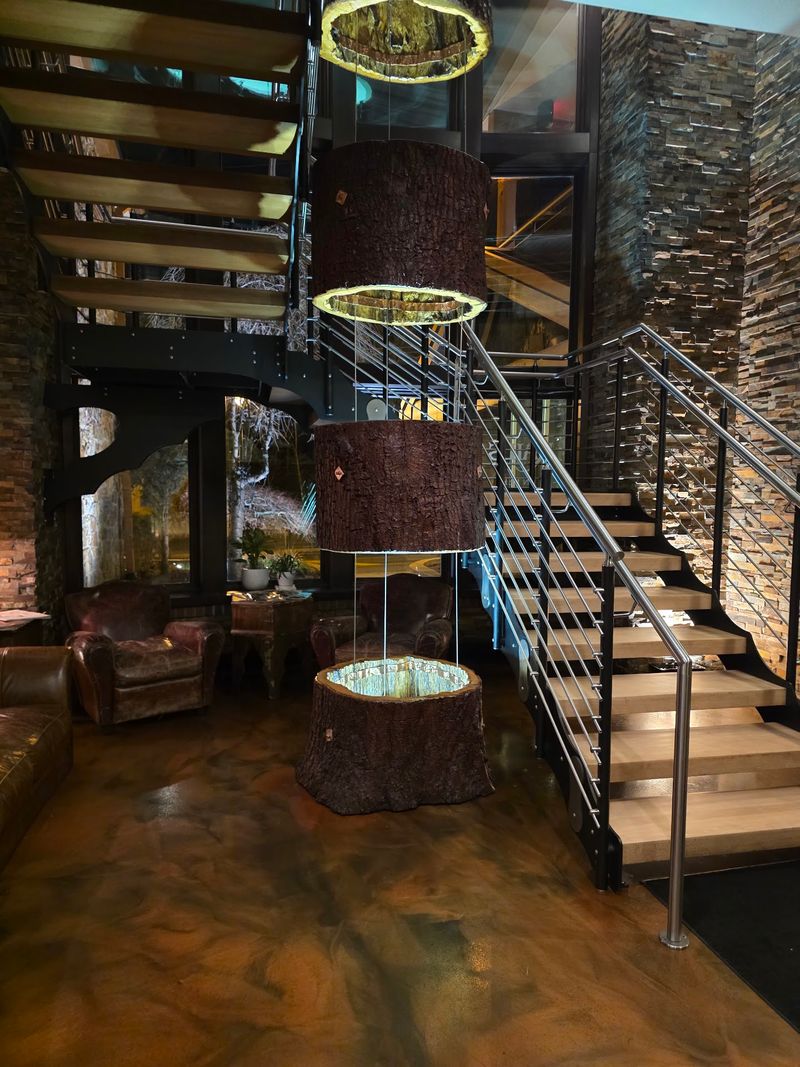
Historical Evolution and Century-Old Traditions
The foundation of New Jersey’s premier steak scene is anchored by institutions that have endured for generations. Notably, establishments like Steve’s Sizzling Steaks in Carlstadt have maintained continuous operations since 1936, showcasing a nine-decade legacy of serving sizzling cuts on hot metal platters drenched in proprietary house sauces. Culinary historians note that these early roadhouse-style venues established a casual, unpretentious template for meat consumption before the arrival of modern, high-temperature infrared broilers and sophisticated dry-aging lockers.
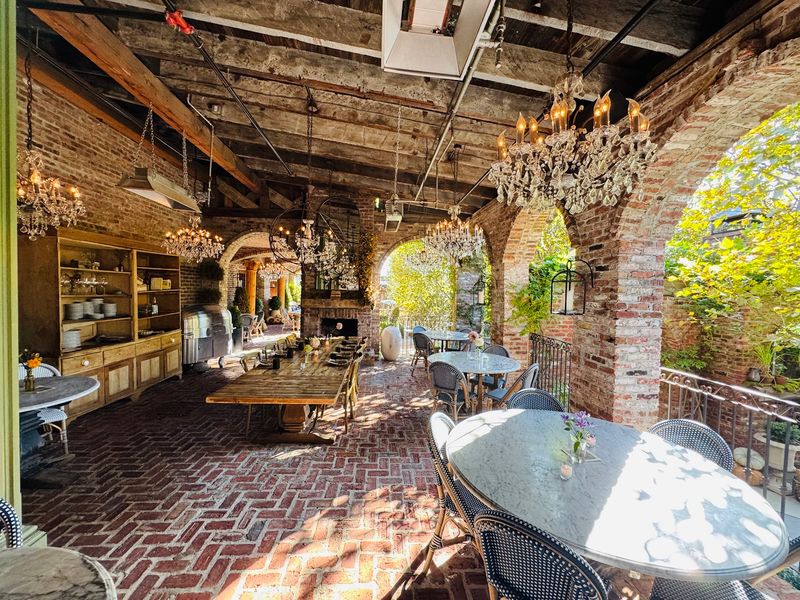
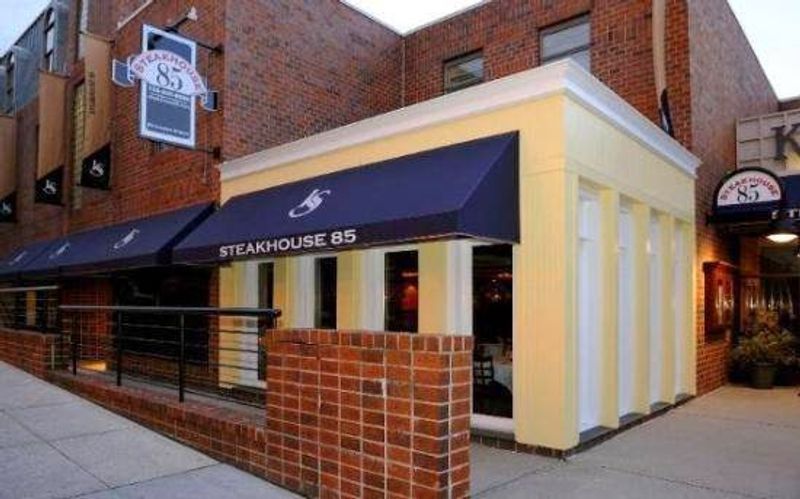
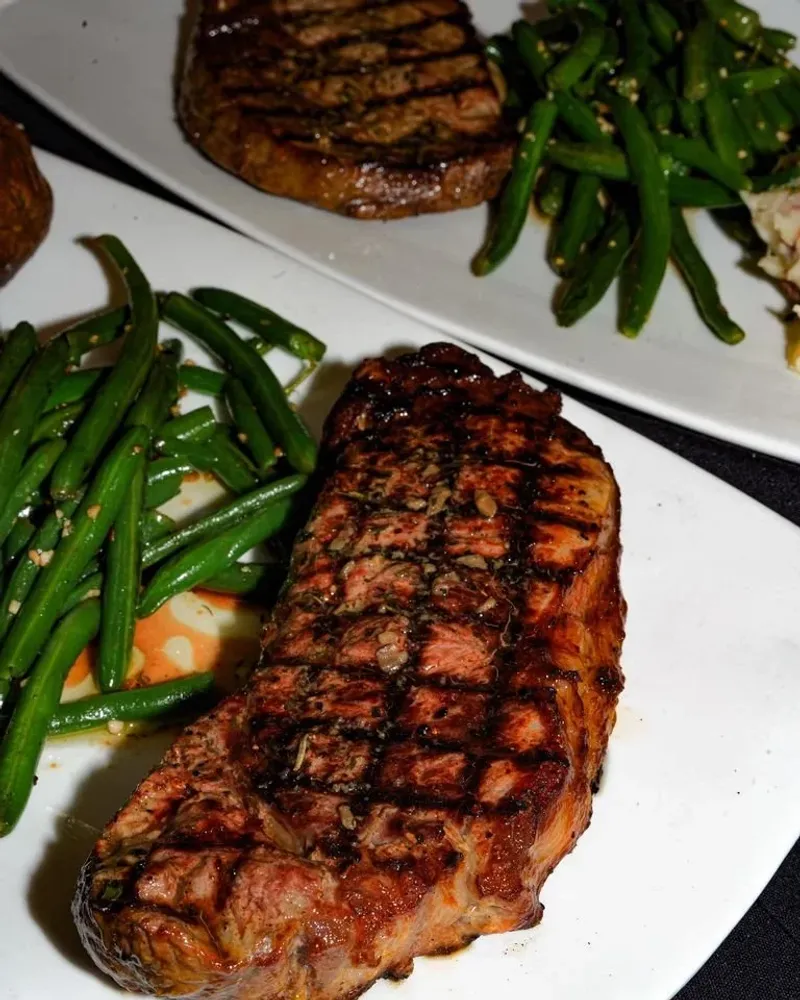
Over subsequent decades, the concept of the New Jersey steakhouse evolved significantly. The emergence of venues like Rails Steakhouse in Towaco and Steakhouse 85 in New Brunswick introduced tri-level dining rooms, heavy reliance on dry-aging refrigeration, and state-of-the-art cast-iron grills capable of reaching temperatures up to 1,200 degrees Fahrenheit. This technological advancement allowed kitchens to achieve superior crust development while preserving the interior moisture of prime cuts such as the 35-day dry-aged Delmonico and 40–ounce shareable Porterhouses.
Sourcing, Preparation, and Culinary Techniques
Modern New Jersey steakhouses place heavy emphasis on supply chain transparency and precise aging protocols. Operations such as The Butcher’s Block in Long Branch utilize visible aging fridges to showcase whole striploins and rib primals sourced primarily from all-natural, humanely raised livestock from family-owned farms. Similarly, establishments like Roots Steakhouse in Morristown deploy 1,800-degree broilers to process USDA Prime cuts, implementing rigorous dry-aging timelines that typically span between 28 and 35 days.
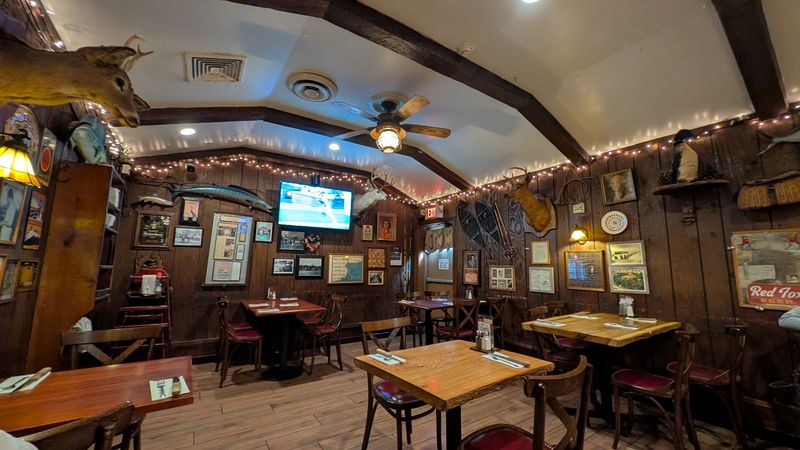
Beyond traditional beef preparation, executive chefs across the state have integrated contemporary culinary trends to satisfy broader consumer demands. Contemporary menus frequently feature specialized offerings including:
- Dry-aged beef meatballs served with fresh ricotta, exemplified by Strickland’s Steakhouse in Woodbridge.
- Tableside Caesar salad preparation, practiced at Steak38 in Cherry Hill to reintroduce interactive dining elements.
- Diverse seafood programs incorporating raw bars with regional oyster varieties, including Cape May Salts and Kumamoto selections.
- Comprehensive vegetarian and vegan alternatives to accommodate mixed-diet dining parties.
Architectural Diversity and Geographic Distribution
The physical environments housing New Jersey’s top steakhouses contribute significantly to their operational identity. Geographic distribution spans from northern commuter hubs down to the Jersey Shore and South Jersey lakefronts.
Notable architectural contexts include:
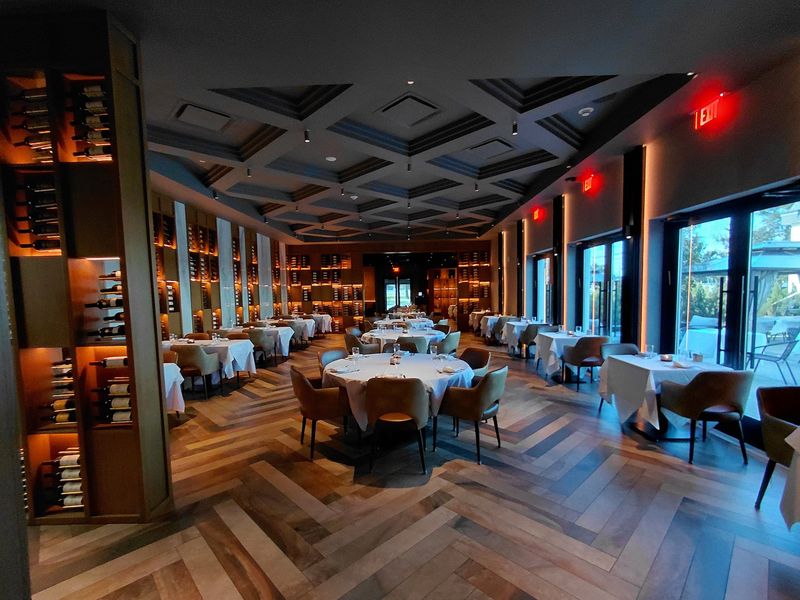
- Edward’s Steakhouse (Jersey City): Located within a historically preserved 19th-century brownstone on Marin Boulevard, offering an intimate, old-school atmosphere reminiscent of classic metropolitan dining rooms.
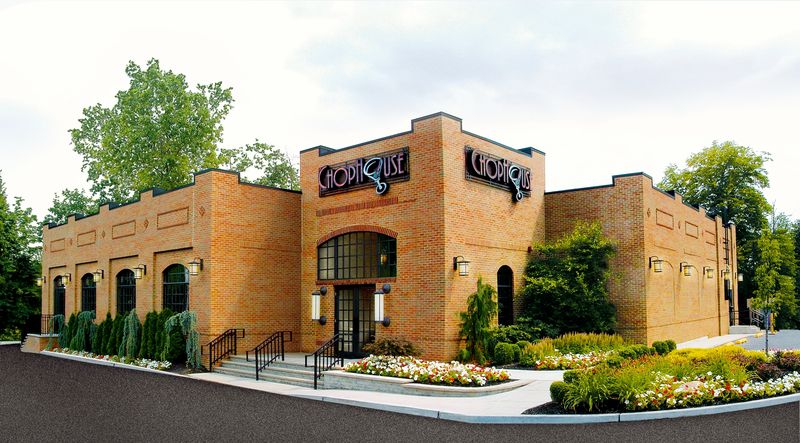
- The ChopHouse (Gibbsboro): Situated on the banks of Silver Lake, integrating outdoor deck spaces equipped with fire pits to capitalize on waterfront views.
- The Loft Steakhouse (Lakewood): Operating as a premier kosher dining destination with unique scheduling constraints, remaining closed on Fridays and Saturdays while extending late-night service through Thursday evenings to accommodate religious observances.
Industry Impact and Economic Significance
The concentration of high-end steakhouses throughout New Jersey serves as a vital economic engine for local hospitality sectors. These establishments generally require substantial front-of-house and back-of-house staffing, comprehensive valet infrastructure, and localized supply chain partnerships with regional produce and seafood distributors.
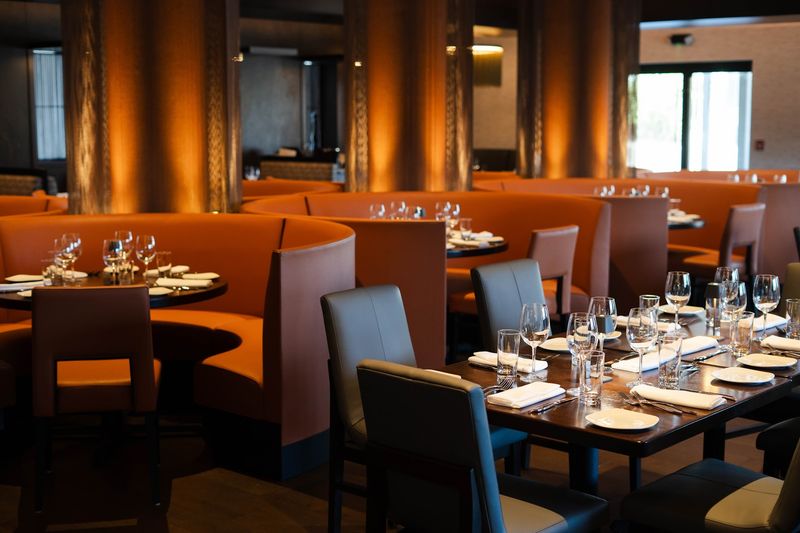
Furthermore, the integration of retail components—such as Char Steakhouse’s "Char Butchers Block" in Scotch Plains, which sells raw, vacuum-sealed dry-aged cuts for home preparation—demonstrates a strategic shift toward diversified revenue streams. Industry analysts suggest that by combining upscale dine-in experiences with private event hosting, catering, and retail sales, New Jersey steakhouses have successfully insulated themselves against fluctuating dining trends and inflationary pressures, ensuring their continued prominence within the regional culinary market.


 Diana Nuri Rohmawati

 Tatiana Tantri Indah Sari

 Anjar Salim


 Gabriela Annisa
