
 Cholid Fahmi Thalib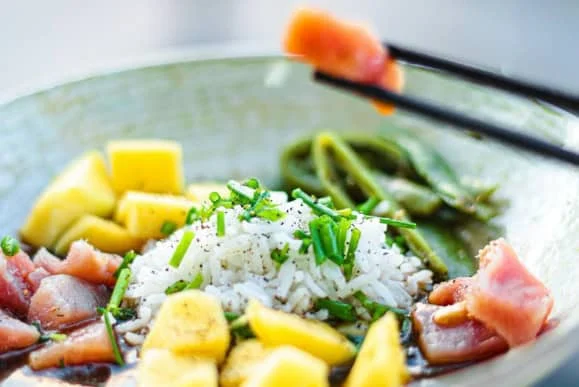
Islands are universally recognized as some of the planet’s most unique and captivating destinations. Their inherent isolation fosters distinct cultural evolutions and nurtures remarkable biodiversity, resulting in a rich tapestry of experiences for travelers. For food enthusiasts, these enclaves are often unparalleled epicenters for indulging in local, exceptionally fresh cuisine. From the sun-drenched shores of the Caribbean to the remote archipelagos of the Pacific, a wealth of exceptional dining experiences awaits, each a direct reflection of the island’s unique culture and its natural abundance. This exploration delves into these extraordinary island destinations, highlighting how their isolation has cultivated vibrant and memorable culinary landscapes, appealing particularly to the discerning "foodie flashpacker" seeking authentic global flavors.
Caribbean Delights: A Symphony of Spices and Ocean’s Bounty
The Caribbean islands stand as a testament to the power of culinary fusion, boasting a vibrant cuisine that artfully blends African, Indigenous, and European influences. This rich historical interplay has created a gastronomic identity characterized by bold, complex flavors. Iconic dishes such as Jamaica’s fiery jerk chicken, the Bahamas’ savory conch fritters, and Barbados’ aromatic curry goat exemplify the region’s distinctive palate. These culinary offerings are not merely meals; they are narratives of history, trade routes, and cultural exchange, passed down through generations.
The cornerstone of Caribbean culinary excellence lies in its unwavering commitment to fresh, locally sourced ingredients. Seafood, predictably, plays a paramount role. Catches are often brought ashore mere hours before being prepared, ensuring unparalleled freshness and flavor. These oceanic treasures are frequently paired with quintessential tropical sides like rice and peas, a staple dish that varies subtly from island to island, or the sweet, caramelized notes of fried plantains. In destinations like Jamaica and the Turks and Caicos, visitors can savor the succulent taste of ocean-fresh lobster, snapper, and shrimp, prepared using time-honored local methods that celebrate the liberal use of bold spices and aromatic herbs. This reliance on the immediate environment not only guarantees peak freshness but also supports local fishing communities and promotes sustainable harvesting practices. The sheer diversity of marine life in the Caribbean Sea provides an inexhaustible pantry, from the delicate flesh of mahi-mahi to the robust flavor of grouper, all prepared with a characteristic island flair that is both comforting and exhilarating. The vibrant colors of the produce—the deep reds of tomatoes, the bright greens of callaloo, the sunshine yellow of mangoes—mirror the visual vibrancy of the islands themselves, creating a multisensory dining experience.
Mediterranean Islands: The Quintessence of Simplicity and Sun-Kissed Flavors
Islands like Sicily, Sardinia, and Crete represent the pinnacle of Mediterranean culinary philosophy, offering a gastronomic journey deeply rooted in the region’s agricultural bounty and a history rich in cross-cultural exchanges. The cuisine here is characterized by its elegant simplicity, prioritizing high-quality ingredients and time-tested preparation methods. Staples such as olives, artisanal cheeses, and world-class wines form the foundation, enhanced by the abundant sunshine that ripens fruits and vegetables to perfection.
Sicilian cuisine, for instance, is celebrated for its iconic dishes that showcase local produce. Pasta alla Norma, a beloved classic, exemplifies this with its harmonious blend of tender local eggplants, rich tomato sauce, and salty ricotta salata. The island’s strategic position in the Mediterranean has historically made it a crossroads of cultures, influencing its food with Arab, Greek, and Norman touches, evident in the use of almonds, saffron, and citrus. Sardinia, known for its rugged interior and pastoral traditions, offers hearty meat dishes and distinct pecorino cheeses, reflecting a more robust culinary heritage. The island’s ancient pastoral traditions are still palpable in its cuisine, with slow-cooked lamb and pork dishes being central to its identity. On the Greek islands, particularly Crete, the emphasis on the Mediterranean diet is vividly apparent. Mezze platters, featuring creamy tzatziki, grilled lamb seasoned with wild herbs, and an array of seasonal vegetables, offer a delightful introduction to the island’s flavors. The Cretan diet, often cited as a model for longevity, is built upon olive oil, fresh vegetables, legumes, and moderate amounts of fish and dairy. The common thread running through all these Mediterranean island cuisines is an unwavering respect for the ingredients, allowing their natural flavors to shine. The cooking methods are often uncomplicated—grilling, roasting, and slow simmering—designed to enhance, rather than mask, the inherent quality of the produce and seafood. This approach not only results in delicious food but also reflects a lifestyle deeply connected to the land and the sea.
Southeast Asian Islands: A Tapestry of Tropical Aromas and Exotic Spices
In Southeast Asia, island paradises such as Bali, Phuket, and the Philippines are veritable treasure troves of delicious tropical flavors and intoxicating exotic spices. Here, the confluence of indigenous culinary traditions and influences from colonial powers has birthed a dynamic melting pot of dishes that are as complex as they are vibrant and alive. This region’s cuisine is a sensory explosion, characterized by a skillful balance of sweet, sour, salty, and spicy notes.
Bali’s Babi Guling, a whole roasted suckling pig, is an undisputed culinary highlight. Typically served with steamed rice, a medley of aromatic spices, and incredibly crispy skin, it represents a celebratory dish deeply ingrained in Balinese culture. The intricate spice paste, known as ‘bumbu,’ used in its preparation is a testament to the complexity and depth of Balinese cooking. Thailand’s islands, renowned for their stunning beaches, also offer an unparalleled culinary scene. Dishes like the ubiquitous Pad Thai, the intensely flavored Tom Yum soup, and an array of fresh seafood curries, rich with the creamy sweetness of coconut milk, the fragrant zest of lemongrass, and the fiery kick of chili, are essential experiences. The skillful layering of flavors in Thai cuisine is legendary, with each ingredient playing a crucial role in the overall harmony of the dish. In the Philippines, adobo, a savory stew of chicken or pork braised in vinegar, soy sauce, garlic, and peppercorns, stands as a national dish, showcasing a simple yet profoundly flavorful preparation. Fresh lumpia, delicate spring rolls filled with a savory mixture of vegetables and often meat, provide a lighter, refreshing counterpoint. The islands of Southeast Asia are indisputably a food lover’s paradise, offering not only a dazzling array of vibrant dishes but also a truly immersive and memorable dining experience that engages all the senses. The street food culture is particularly noteworthy, offering authentic flavors at incredibly accessible prices, allowing travelers to sample a wide variety of local specialties. The use of fresh herbs like basil, mint, and cilantro, alongside pungent aromatics like ginger, galangal, and turmeric, creates a complexity that is both exotic and deeply satisfying.
The Galapagos Islands: Sustainable Dining in an Untouched Paradise
While the Galapagos Islands are globally celebrated for their extraordinary, otherworldly landscapes and unique, fearless wildlife, they are also emerging as a significant destination for exceptional island dining. The islands’ remote geographical location and a profound, unwavering dedication to sustainable tourism have fostered a vibrant, eco-conscious food scene. This commitment prioritizes fresh seafood and meticulously sourced local ingredients, ensuring that the culinary experience aligns with the archipelago’s conservation ethos.
A particularly standout dining experience can be found at restaurants committed to an "ocean-to-table" philosophy. Here, patrons can savor impeccably prepared dishes featuring sustainably caught lobster, delicate ceviche bursting with citrusy notes, and the freshest tuna imaginable. These culinary delights are enjoyed against the backdrop of breathtaking ocean vistas and the silhouettes of neighboring islands. The stringent sustainable practices implemented across the Galapagos are meticulously enforced, guaranteeing that all fish and seafood served are responsibly sourced. This provides visitors with a unique opportunity to indulge in exquisite local cuisine while simultaneously contributing to the vital conservation efforts that preserve the very essence of these islands. The local cuisine often incorporates ingredients that are unique to the Galapagos, such as endemic tomatoes and chilies, adding a distinct terroir to the dishes. The culinary landscape is also influenced by the mainland Ecuadorian culture, but with a distinct island interpretation. This emphasis on sustainability extends beyond seafood to include locally grown produce and responsibly raised livestock, creating a holistic approach to food production and consumption that is integral to the Galapagos’ identity. The limited landmass and unique ecosystem necessitate a mindful approach to agriculture, with many chefs collaborating with local farmers to cultivate ingredients that are both suited to the environment and of the highest quality. This closed-loop system, where local resources are utilized and valued, is a hallmark of the Galapagos dining experience.
Pacific Islands: A Culinary Heritage Rooted in Tradition and Terroir
The Pacific Islands, often conjuring images of pristine beaches and breathtaking natural beauty, are also custodians of incredibly rich and diverse culinary traditions. The islands of Fiji, Tahiti, and the more extensive landmass of New Zealand, while geographically distinct, all share a culinary heritage deeply rooted in local customs and centuries-old practices. These traditions are shaped by the abundant natural resources available, from the bountiful ocean to fertile volcanic soils.
In Fiji, Kokoda, a refreshing raw fish salad, is a signature dish. It features finely diced fresh fish marinated in the bright acidity of citrus juices and then enveloped in the creamy richness of coconut milk, offering a perfect interplay of fresh, tangy, and luscious flavors. This dish is a direct reflection of the island’s tropical abundance and its deep connection to the sea. New Zealand, renowned for its high-quality lamb, presents this staple meat often slow-cooked to tender perfection, allowing its natural flavors to develop fully. A truly authentic experience for any visitor to the country is the traditional Māori hangi. This ancient cooking method involves preparing meat and root vegetables in an underground oven, where they are slow-cooked for hours over heated stones. The result is food infused with a distinctive smoky flavor and an unparalleled tenderness. Across these Pacific islands, food transcends mere sustenance; it is an integral part of cultural expression and a profound connection to the land and sea. The emphasis on local ingredients, such as freshly caught seafood, nutrient-rich root vegetables like taro and kumara, and an array of vibrant tropical fruits, transforms dining into a flavorful journey that immerses one in the heart of island life. The communal aspect of food preparation and consumption, often involving family and community gatherings, further enhances the cultural significance of these culinary traditions. The utilization of indigenous ingredients and techniques not only preserves cultural heritage but also showcases the unique biodiversity of the Pacific region.
Hawaiian Islands: A Fusion of Cultures on the Culinary Frontline
The cuisine of the Hawaiian Islands is a vibrant and eclectic mosaic, a testament to the islands’ history as a crossroads of cultures. Influences from Polynesian voyagers, American settlers, Asian immigrants (particularly from Japan, China, and the Philippines), and European traders have converged to create a food scene that is both diverse and distinctly Hawaiian. This cultural fusion is evident in every bite, from humble street food to sophisticated island-inspired dishes.
One of the most iconic and globally recognized dishes is poke, a delectable raw fish salad. Traditionally prepared with cubed ahi tuna, poke is seasoned with a harmonious blend of soy sauce, sesame oil, and often infused with seaweed and other local seasonings, offering a burst of umami and oceanic freshness. Loco Moco, a quintessential comfort food, embodies the islands’ unique culinary blend. It typically consists of a generous scoop of steamed rice, topped with a juicy hamburger patty, a perfectly fried egg, and all drenched in a savory, rich gravy. This dish is a beloved staple that speaks to the resourceful and hearty appetites of the islands. Hawaiian barbecue, or "plate lunch," is another must-try experience. It features tender, succulent meats—often pork or chicken—marinated in a signature blend of sweet and savory sauces, typically served with two scoops of white rice and a side of macaroni salad. The "plate lunch" tradition is a direct legacy of the plantation era, where workers from diverse backgrounds shared and adapted their culinary traditions. Beyond these savory delights, Hawaiian cuisine also offers sweet treats like shave ice, a refreshing dessert of finely shaved ice flavored with an array of vibrant syrups, often topped with condensed milk or a scoop of ice cream. From casual roadside stands to upscale restaurants, Hawaiian cuisine offers a unique island blend of flavors, a delicious reflection of the spirit of aloha and the harmonious convergence of cultures that defines the islands. The emphasis on fresh, locally grown produce, such as pineapple, papaya, and macadamia nuts, further enhances the distinctiveness of Hawaiian culinary offerings.
Conclusion: The Enduring Allure of Island Gastronomy
Island destinations consistently deliver some of the most exceptional and memorable culinary experiences on the planet. The spectrum of flavors is vast, ranging from the bold, spicy profiles of the Caribbean to the meticulously fresh, sustainable dining options found in the pristine environment of the Galapagos. Each island presents a unique opportunity to engage with local food culture, offering mouthwatering meals that are deeply intertwined with the island’s identity. Whether one is savoring a bowl of vibrant ceviche in the Galapagos, enjoying a classic pasta dish in Sicily, or indulging in the rich curries of Southeast Asia, island dining is an unforgettable facet of any global adventure.
The intrinsic value of island cuisine lies in its direct connection to the environment and its cultural heritage. The relative isolation of islands often leads to the preservation of traditional ingredients and cooking methods, while also fostering innovation born from necessity and local adaptation. This results in a culinary landscape that is both authentic and constantly evolving. For travelers, these experiences offer more than just delicious food; they provide a profound insight into the lifestyle, history, and soul of a place.
Whether embarking on a luxurious island retreat or a budget-conscious backpacking expedition, incorporating these unique island food experiences into one’s travel itinerary is highly recommended. The world’s most extraordinary meals are frequently discovered on islands, where the confluence of fresh, high-quality ingredients, distinctive local flavors, and rich cultural influences culminates in something truly special and enduring. These culinary journeys not only satisfy the palate but also enrich the traveler’s understanding and appreciation of the diverse world we inhabit. The commitment to sourcing locally, supporting small producers, and celebrating traditional recipes ensures that these island cuisines remain vibrant and authentic for generations to come, offering a delicious window into the heart of island life.


 Chandra Hamzah
 Tatiana Tantri Indah Sari
 Budi Mulyono
 Anjar Salim

