Tatiana Tantri Indah Sari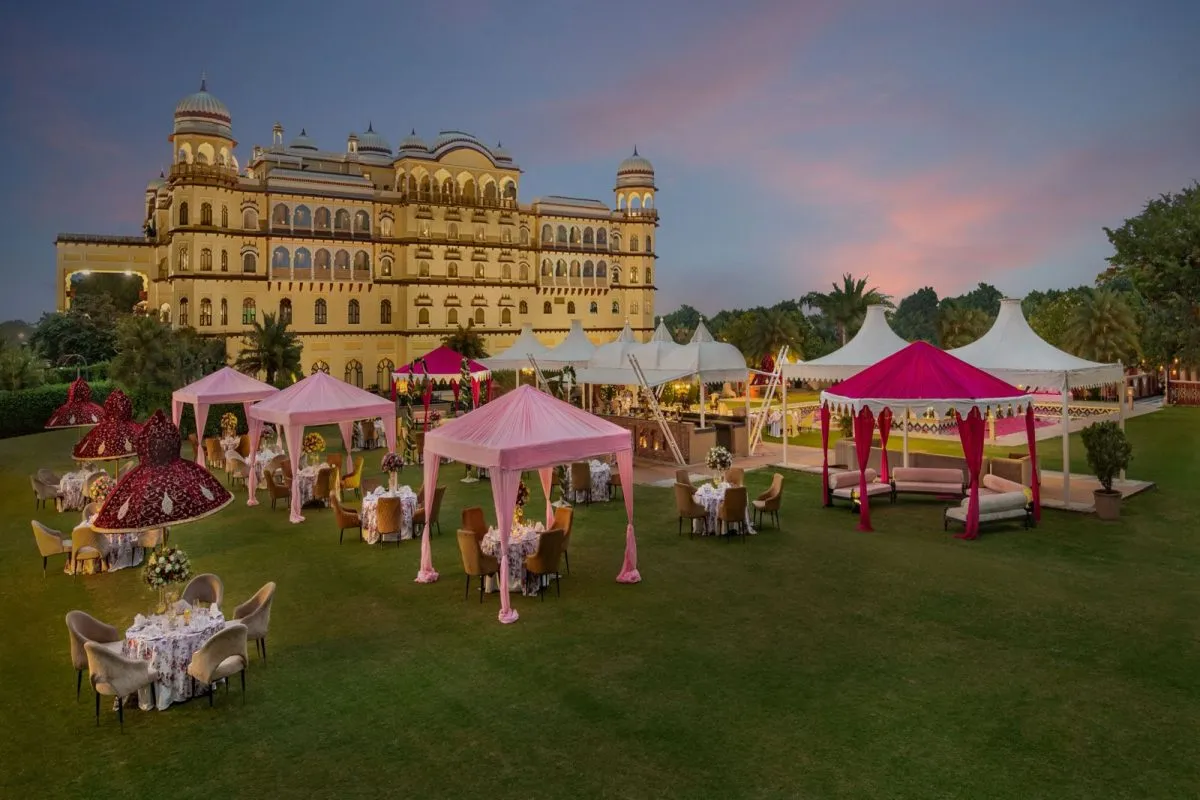
Marriott International has officially inaugurated its prestigious Autograph Collection in India, marking a significant milestone for the global hospitality giant by introducing its 19th brand into the burgeoning Indian market. The debut property, Noormahal, Delhi NCR Karnal, Autograph Collection, stands as a testament to a deliberate and strategic decision to pivot away from conventional metropolitan hubs, choosing instead the historically rich, mid-sized city of Karnal in Haryana, approximately 130 kilometers (81 miles) north of the national capital, Delhi. This unconventional choice underscores the core philosophy of the Autograph Collection: to curate hotels that are "exactly like nothing else," each offering a distinctive identity and a profound sense of place.
The announcement, made on a Saturday, saw Marriott International expand its already formidable presence in India, a market it views as critical for its global growth trajectory. While industry observers might have anticipated the brand’s entry in a prime five-star location within Mumbai or a bustling business district in Delhi, Marriott’s selection of Karnal’s Noormahal Palace signals a sophisticated understanding of evolving traveler preferences and the untapped potential of India’s tier-2 and tier-3 cities.
The Autograph Collection Ethos: A Global Perspective
The Autograph Collection, launched by Marriott International in 2010, is a curated portfolio of independent hotels, each selected for its originality, unique character, and ability to offer a truly distinctive experience. Unlike other Marriott brands that adhere to stringent, standardized designs and service protocols, Autograph Collection hotels are celebrated for their individuality, often reflecting the history, culture, and architecture of their specific locales. The brand targets discerning travelers who seek authentic, immersive experiences rather than generic luxury. Globally, the collection boasts over 290 hotels in more than 40 countries and territories, ranging from historic palaces and boutique urban retreats to coastal resorts and mountain lodges. Each property is handpicked, undergoing a rigorous selection process to ensure it embodies the "exactly like nothing else" promise. This global success narrative set the stage for its highly anticipated arrival in India.
A Strategic Departure: Why Karnal?
Marriott’s decision to launch the Autograph Collection in Karnal, rather than a traditional gateway city, is a calculated move that reflects several contemporary trends in the Indian hospitality sector and global travel. Kiran Andicot, Senior Vice President for South Asia at Marriott International, articulated this strategy, stating, "Noormahal stood out because it brings a well-defined identity and a strong sense of place, brand prerequisites that are central to the Autograph Collection Hotels ethos of being ‘exactly like nothing else.’"
This choice is not merely about finding an available property but about aligning with a broader shift towards experiential travel and the exploration of lesser-known destinations. Indian travelers, increasingly sophisticated and well-traveled, are seeking unique cultural immersions and bespoke luxury experiences that go beyond the predictable offerings of urban hotels. Furthermore, the robust growth of domestic tourism, accelerated by post-pandemic travel patterns, has highlighted the immense potential of regional destinations. Cities like Karnal, with their historical significance, cultural heritage, and improving infrastructure, are becoming attractive propositions for luxury hospitality players looking to diversify their portfolios and tap into new market segments.
Karnal, often referred to as the "Rice Bowl of India" due to its agricultural prominence, also holds historical importance, believed to be founded by Karna, a prominent figure in the Mahabharata epic. While not a primary tourist destination in the vein of Jaipur or Agra, its strategic location on the National Highway 44 (NH44), connecting Delhi to Chandigarh and beyond, makes it a significant transit point. The city is also witnessing gradual economic development and an emergence of local affluence, creating a latent demand for premium hospitality services for both leisure and MICE (Meetings, Incentives, Conferences, and Exhibitions) segments.
Noormahal: A Glimpse into Royal Grandeur
The chosen property, Noormahal, Delhi NCR Karnal, Autograph Collection, is a majestic 176-key hotel that opened its doors in 2009. Its architectural design is a homage to the traditional Mughal and Rajputana schools of architecture, blending intricate detailing, grand arches, ornate frescoes, and sprawling courtyards that evoke the opulence of India’s royal past. This deliberate architectural choice provides the "strong sense of place" that is paramount to the Autograph Collection’s identity. The property is not a generic hotel built to a standardized template but rather a unique edifice that tells a story through its design and ambiance.
The interiors of Noormahal reflect a similar commitment to heritage and luxury, featuring handcrafted furniture, exquisite textiles, and art pieces that resonate with the region’s cultural legacy. Amenities typically include multiple dining venues offering a range of culinary experiences, often incorporating local flavors; extensive banqueting and conference facilities catering to weddings and corporate events; a luxurious spa and wellness center; and recreational facilities such as swimming pools and fitness centers. The integration of modern luxury with traditional aesthetics ensures that guests experience comfort and convenience while being enveloped in an environment that is distinctly Indian and authentically regal.
Marriott’s Expanding Footprint in India: A Timeline of Growth
Marriott International has been a pioneering force in India’s hospitality sector for decades. Its journey began in the mid-1990s, and since then, it has steadily expanded its presence, establishing itself as one of the largest and most diversified hotel operators in the country. The acquisition of Starwood Hotels & Resorts Worldwide in 2016 further consolidated its position, bringing a vast array of brands under its umbrella, including St. Regis, The Luxury Collection, W Hotels, and Westin, alongside its existing Marriott, JW Marriott, and Renaissance brands.
Prior to the Autograph Collection’s debut, Marriott’s portfolio in India already spanned across luxury, premium, select, and extended-stay segments, catering to a diverse range of travelers. This extensive network includes properties in major metros like Delhi, Mumbai, Bengaluru, Chennai, and Hyderabad, as well as emerging tier-2 cities like Pune, Jaipur, and Goa. The company’s strategy has been characterized by a multi-brand approach, allowing it to penetrate various market segments and cater to different price points and traveler preferences. The introduction of the Autograph Collection aligns with Marriott’s broader strategy to continually innovate and introduce new concepts that resonate with the evolving Indian consumer. The addition of Noormahal brings Marriott’s total brand count in India to 19, underscoring its commitment to sustained growth and market leadership.
India’s Evolving Hospitality Landscape: Beyond Metros
The Indian hospitality sector has witnessed robust growth over the past decade, driven by a burgeoning middle class, increasing disposable incomes, a rise in domestic and international tourism, and significant government investments in infrastructure. According to various industry reports, the Indian hotel market is projected to continue its upward trajectory, with luxury and upper-upscale segments showing particular resilience and potential.
A key trend observed in recent years is the decentralization of luxury hospitality. While gateway cities traditionally dominated the high-end market, there is a growing appetite among developers and operators to explore tier-2 and tier-3 cities. This shift is fueled by several factors:
- Rising Domestic Tourism: Indians are increasingly exploring their own country, seeking unique destinations and experiences.
- Improved Connectivity: Better road networks, expanded regional airports, and high-speed rail projects are making smaller cities more accessible.
- Government Initiatives: Programs promoting regional tourism and infrastructure development contribute to the attractiveness of these locations.
- Demand for Experiential Stays: Travelers are moving away from cookie-cutter hotels towards properties that offer a distinctive local flavor, cultural immersion, and personalized service.
- Lower Operating Costs: Real estate and operational costs in tier-2 cities can be more favorable than in prime metropolitan areas, offering better returns on investment.
Marriott’s move with Noormahal in Karnal is a clear validation of this trend, indicating confidence in the viability of luxury offerings in non-metro locations. It signals a proactive approach to capturing demand in markets that were once considered secondary but are now emerging as significant growth engines for the hospitality industry.
Economic and Tourism Implications for Haryana
The establishment of an internationally recognized luxury brand like Autograph Collection in Karnal carries significant economic and tourism implications for Haryana.
- Boost to Local Tourism: The presence of a Marriott-branded property elevates Karnal’s profile on the national and international tourism map, attracting a new segment of affluent travelers.
- Employment Generation: Hotel operations, directly and indirectly, create numerous job opportunities for local residents, ranging from hospitality staff to suppliers and ancillary service providers.
- Infrastructure Development: Increased tourism often spurs further investment in local infrastructure, including roads, transportation, and civic amenities.
- Economic Multiplier Effect: The hotel’s operations generate revenue for local businesses, from food and beverage suppliers to craftspeople and tour operators, contributing to the regional economy.
- Showcasing Local Culture: A heritage-inspired property like Noormahal highlights the rich cultural and architectural traditions of Haryana, promoting regional pride and attracting cultural tourists.
- Attracting Further Investment: The success of a major international brand can encourage other hospitality players and investors to consider similar ventures in the region, fostering a more robust tourism ecosystem.
The state government of Haryana has been actively promoting tourism, particularly heritage and spiritual tourism, and the arrival of a brand like Autograph Collection aligns perfectly with these objectives, offering a premium product to attract high-spending visitors.
Industry Perspectives and Competitive Analysis
Industry analysts view Marriott’s strategic move in Karnal as a shrewd play in a competitive market. "This isn’t just about adding another hotel; it’s about defining the next frontier for luxury hospitality in India," commented a leading hospitality consultant, preferring anonymity. "By choosing a property like Noormahal in Karnal, Marriott is sending a clear message: the future of luxury travel in India is experiential, authentic, and extends beyond the traditional urban centers. This will undoubtedly prompt other international chains to re-evaluate their expansion strategies and look more closely at tier-2 and tier-3 markets for unique opportunities."
Competitors, including other major international hotel groups like Hilton, Accor, IHG, and Taj Hotels (Indian Hotels Company Limited), are likely to observe this development closely. While many have already ventured into secondary cities with their mainstream brands, the specific entry of a niche, independent luxury collection like Autograph in such a location sets a new precedent. This could lead to a ripple effect, encouraging more bespoke luxury brands to explore similar regional opportunities, potentially through management contracts with existing heritage properties or by developing new, contextually relevant hotels. The move also highlights Marriott’s agility and willingness to adapt its global strategies to local market nuances, leveraging India’s rich heritage and diverse geography.
The Future of Experiential Luxury in India
The debut of the Autograph Collection in Karnal is indicative of a broader trend that will likely shape the future of luxury hospitality in India. As travelers increasingly prioritize unique experiences, personalized service, and a strong connection to local culture, hotels that can deliver on these fronts will gain a significant competitive advantage. The success of Noormahal will serve as a crucial case study, potentially paving the way for similar developments in other culturally rich but under-explored regions of India.
Marriott International’s continued investment and strategic diversification within India underscore its long-term commitment to one of the world’s fastest-growing travel markets. By blending global brand standards with local authenticity, the Autograph Collection is poised to capture the imagination of a new generation of luxury travelers, reinforcing Marriott’s position as a leader in innovative hospitality solutions. The journey from Mumbai and Delhi to Karnal marks not just a geographical expansion, but a profound evolution in how luxury travel is conceived and delivered in the subcontinent. This move is a clear signal that the experiential luxury segment is not just a niche but a powerful driving force for growth, ready to uncover and celebrate the "exactly like nothing else" treasures that India has to offer.



 Chandra Hamzah
 Gabriela Annisa
 Budi Mulyono
 Anjar Salim