
 Tatiana Tantri Indah Sari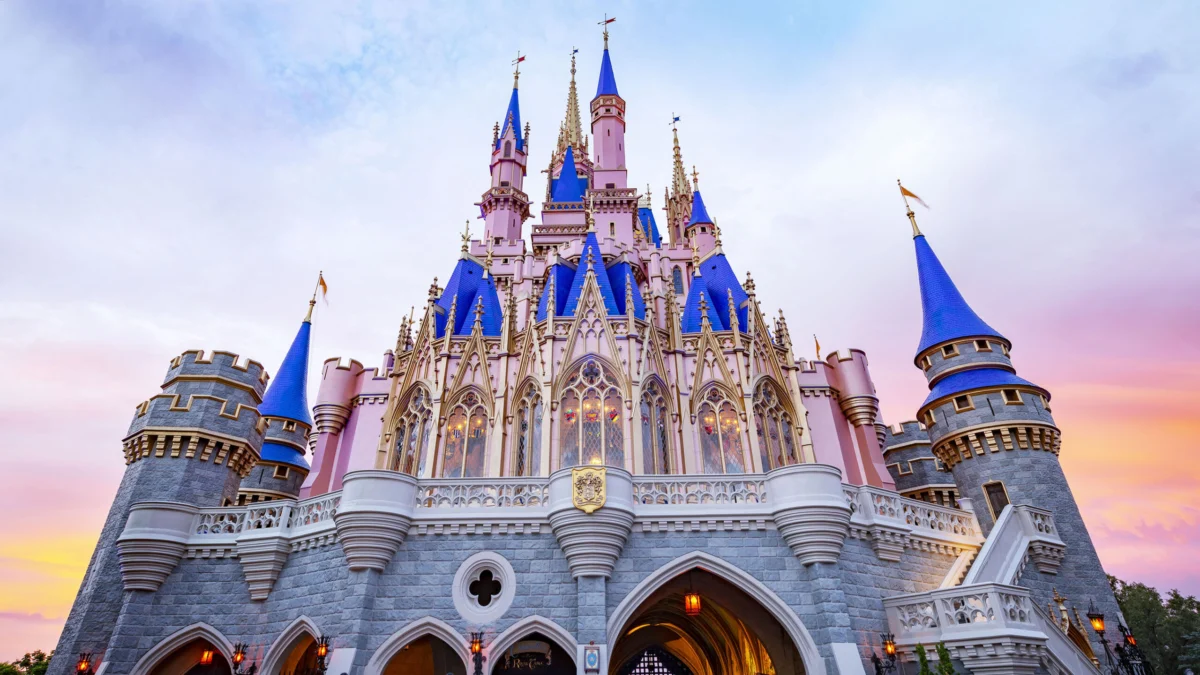
Walt Disney World, the sprawling entertainment complex in Orlando, Florida, has unveiled new ticket pricing for 2027, signaling a consistent strategy of incremental adjustments that industry analysts and observers predict will continue. An updated ticket calendar, meticulously tracked by theme park-focused outlets like MickeyVisit.com, reveals a notable year-over-year increase in peak pricing for single-day tickets across all four of Disney World’s iconic parks. This development places the cost of a premier theme park experience at new highs, reflecting a blend of inflationary pressures, sustained demand, and the company’s ongoing investment in guest experiences.
The most significant changes are observed in the popular Magic Kingdom and EPCOT parks. Magic Kingdom, home to Cinderella Castle and numerous classic attractions, will see its peak single-day ticket price climb by $10, from $209 to $219. EPCOT, known for its World Showcase and innovative future-focused pavilions, will experience the steepest increase, with its peak single-day ticket price rising by $15, from $199 to $214. Hollywood Studios, celebrated for its Star Wars: Galaxy’s Edge and immersive storytelling, will see a $5 increase, moving from $204 to $209. Similarly, Animal Kingdom, renowned for its exotic wildlife and Pandora – The World of Avatar, will also have a $5 increase, shifting its peak single-day ticket price from $184 to $189. Beyond individual park admission, the popular Park Hopper and Park Hopper Plus options, which allow guests to visit multiple parks in a single day or add water park access, will also see an average increase of $2 on peak pricing dates. These adjustments underscore Disney’s dynamic pricing model, which calibrates costs based on expected demand, day of the week, and time of year.
The Evolution of Disney’s Pricing Strategy
For decades, Walt Disney World has been a benchmark in the global theme park industry, not only for its immersive entertainment but also for its sophisticated pricing strategies. The current adjustments for 2027 are not an anomaly but rather a continuation of a long-established pattern of annual or biennial price increases. Historically, Disney has justified these hikes by citing rising operational costs, the need to manage crowd levels, and continuous investment in new attractions, infrastructure, and technological enhancements designed to improve the guest experience.
The trajectory of Disney’s ticket pricing has seen a significant acceleration in the past two decades. What began as modest, across-the-board increases evolved into a more complex, date-based, and park-specific dynamic pricing model. This system, fully implemented in recent years, allows Disney to charge different prices for the same ticket depending on the anticipated demand for a particular date. Weekends, holidays, and school breaks typically fall under the "peak pricing" category, while off-peak weekdays offer lower rates. This nuanced approach aims to distribute attendance more evenly throughout the year, theoretically enhancing the experience for guests by mitigating overcrowding, while simultaneously optimizing revenue.
The post-pandemic era has further refined Disney’s approach. Following temporary closures and restricted capacities in 2020, Disney reopened with a park reservation system, which, while initially crucial for managing health protocols, also provided unprecedented data on guest demand patterns. While the most stringent aspects of the reservation system have been relaxed for most guests, the insights gained have undoubtedly informed subsequent pricing decisions. The company has navigated a period of pent-up demand, where consumers, eager for leisure and travel, demonstrated a willingness to pay premium prices for highly sought-after experiences.
Contextualizing the Increases: Economic Factors and Operational Costs
The 2027 price increases arrive amidst a broader economic landscape characterized by persistent inflationary pressures and rising operational expenses across various sectors, including hospitality and entertainment. The U.S. Consumer Price Index (CPI) has shown significant increases in recent years, impacting everything from labor costs to raw materials, energy, and transportation. Theme parks, as large-scale employers and consumers of vast resources, are particularly susceptible to these economic forces.
For Disney, labor costs represent a substantial portion of its operating budget. Recent union negotiations and wage increases for Cast Members, while essential for employee welfare, directly translate to higher operational overhead. Similarly, the cost of maintaining vast parks, operating complex rides, providing intricate entertainment, and ensuring high standards of cleanliness and safety has escalated. These factors provide a foundational rationale for the incremental ticket price adjustments.
Moreover, Disney World is perpetually in a state of evolution and expansion. Significant capital expenditures are routinely allocated to developing new attractions, refurbishing existing ones, and upgrading infrastructure. Recent examples include the multi-year transformation of EPCOT, the ongoing reimagining of Splash Mountain into Tiana’s Bayou Adventure, and continuous enhancements across all parks. These investments, designed to keep the parks fresh, competitive, and appealing to new generations of visitors, are financed, in part, through robust revenue generation, with ticket sales being a primary contributor. The company’s Parks, Experiences and Products division is a critical component of its overall financial health, and these price adjustments play a vital role in maintaining its profitability and funding future growth.
A Timeline of Recent Disney World Pricing Shifts
Disney World’s pricing has undergone several notable shifts in recent years, providing a clear chronology leading up to the 2027 announcement:
- 2016: Disney officially introduced its date-based pricing model, moving away from a flat-rate system. This marked a significant departure, allowing for greater flexibility and demand-based adjustments.
- 2018-2019: Consistent annual increases were observed, with slight adjustments to peak and off-peak tiers. The focus remained on optimizing revenue while managing capacity.
- 2020: The COVID-19 pandemic led to unprecedented park closures. Upon reopening, the mandatory Park Pass reservation system was implemented, initially for health and safety, but also serving as a powerful demand management tool. Ticket prices, while adjusted, were largely stable during this immediate post-reopening period, with the focus on regaining operational normalcy.
- 2021: As demand surged post-vaccine rollout, Disney began to gradually increase prices again, often making adjustments to specific dates or park tiers rather than broad, across-the-board hikes.
- 2022: Significant price increases were announced for 2023, particularly impacting peak seasons and multi-day tickets. This was accompanied by changes to annual pass programs, reflecting a strategy to prioritize day guests and manage annual passholder access. Genie+ and Lightning Lane, paid skip-the-line services, were also fully rolled out, representing additional revenue streams.
- 2023: Further adjustments for 2024 and 2025 were revealed, continuing the trend of incremental increases, especially for the most popular parks and dates. Disney also began phasing out the Park Pass reservation system for most ticket types, signaling a return to pre-pandemic operational fluidity while retaining dynamic pricing.
- 2024: The announcement of 2027 pricing continues this established pattern, confirming that the dynamic pricing model, coupled with regular upward adjustments, remains central to Disney’s revenue strategy. These increases for 2027, therefore, are not an isolated event but a predictable outcome of a refined, multi-year strategic framework.
Supporting Data and Market Dynamics
When evaluating Disney’s pricing, it’s useful to consider broader market dynamics. The theme park industry, particularly in Orlando, is highly competitive. Universal Orlando Resort, Disney’s primary competitor, has also implemented its own dynamic pricing models and regularly adjusts ticket costs. While direct, real-time comparisons are complex due to varying ticket types and inclusions, the overall trend across major operators is one of increasing prices for premium experiences.
Data from financial reports for The Walt Disney Company consistently highlights the Parks, Experiences and Products segment as a strong performer, often exceeding pre-pandemic revenue and operating income levels. This resilience, even in the face of economic uncertainties, suggests that the demand for Disney’s unique blend of entertainment remains robust. Attendance figures, while not always publicly disclosed in granular detail, are often reflected in quarterly earnings calls, where executives frequently laud strong park performance and guest spending.
The average consumer’s discretionary spending on leisure and entertainment has seen fluctuations, but high-value, experiential travel remains a priority for many families and individuals. Disney’s brand strength, combined with its constant innovation, allows it to command a premium in this market. While the increases may prompt some budget-conscious visitors to reconsider or adjust their travel plans (e.g., shorter stays, fewer park days, or opting for off-peak visits), the core demographic of loyal Disney fans and first-time visitors seeking a quintessential experience often demonstrates a relatively inelastic demand.
Inferred Statements and Industry Reactions
While The Walt Disney Company typically does not issue specific press releases detailing minor ticket price adjustments years in advance, their broader corporate communications often emphasize themes consistent with these actions. It can be logically inferred that Disney’s rationale for the 2027 increases aligns with their overarching business objectives:
- Enhancing the Guest Experience: Funding new attractions, entertainment, and infrastructure upgrades to maintain Disney’s reputation for quality and innovation.
- Managing Demand: Using pricing as a tool to balance guest flow, particularly during peak periods, to mitigate overcrowding and improve overall satisfaction.
- Optimizing Revenue: Ensuring the Parks, Experiences and Products segment continues to be a strong contributor to the company’s financial health, supporting investment across all Disney franchises.
- Addressing Inflation and Operational Costs: Counteracting the rising expenses associated with labor, materials, and services.
Financial analysts typically view these price adjustments as a prudent and strategic move. They often cite Disney’s ability to maintain its premium brand positioning and leverage its intellectual property to justify higher prices. Analysts might suggest that these increases reflect management’s confidence in the enduring appeal of the Disney brand and its capacity to deliver unique, high-value entertainment. They would also likely point to the strong demand for travel and leisure post-pandemic, which provides a favorable environment for such pricing actions.
From the perspective of park-goers, reactions are often mixed. While many understand the necessity of price adjustments in a dynamic economic environment, concerns about affordability and the "value proposition" are common. Discussions often revolve around whether the rising costs are commensurate with the perceived quality of the experience, especially for larger families or repeat visitors. Social media platforms frequently become forums for guests to share their perspectives on the increasing expense of a Disney vacation, sometimes leading to adjustments in their travel habits, such as opting for fewer days at the parks or reducing ancillary spending.
Broader Impact and Implications
The 2027 ticket price increases for Walt Disney World carry several significant implications for the tourism economy, consumer behavior, and Disney’s long-term strategic outlook.
For the Orlando tourism economy, Disney’s pricing decisions have a ripple effect. As the region’s largest tourist draw, changes in Disney’s accessibility and cost influence the broader ecosystem of hotels, restaurants, transportation services, and ancillary attractions. While higher ticket prices might deter a small segment of budget travelers, the overall strength of Disney’s brand typically ensures a steady influx of visitors. However, it might prompt some visitors to adjust their overall spending, potentially reallocating budgets from other local businesses or shortening their stays.
In terms of consumer behavior, these increases could reinforce existing trends. Families may prioritize longer stays but fewer park days, or concentrate their visits during off-peak seasons when prices are lower. The increasing cost of single-day tickets also subtly incentivizes multi-day tickets or vacation packages, which often offer a slightly lower per-day cost, thereby encouraging longer engagement with Disney properties. The rise in Park Hopper fees might lead more guests to focus on one park per day, simplifying their plans and potentially easing pressure on inter-park transportation.
For The Walt Disney Company, the implications are primarily financial and strategic. The increases are designed to bolster revenue and profitability within the Parks, Experiences and Products division, which is crucial for overall corporate performance. This enhanced revenue provides the capital necessary for future ambitious projects, such as potential expansions at Animal Kingdom or new developments within existing parks, ensuring Disney’s competitive edge. It also allows Disney to continue investing in technology, like the MagicBand+ and app enhancements, that aim to streamline the guest experience and offer personalized interactions.
Strategically, these price adjustments are a statement about Disney’s commitment to its premium positioning. By continually investing in groundbreaking attractions and maintaining high operational standards, Disney aims to justify its premium pricing by offering an unparalleled experience that differentiates it from competitors. The balance lies in maintaining this aspirational quality without pricing out a significant portion of its target audience.
In conclusion, Walt Disney World’s announcement of 2027 ticket price increases is a clear indicator of a well-established, multi-faceted strategy. Driven by economic realities like inflation and rising operational costs, fueled by sustained demand, and underpinned by a continuous cycle of investment in new experiences, these adjustments are a predictable element of Disney’s business model. While they inevitably spark discussions about affordability, they simultaneously underscore Disney’s enduring commitment to evolving its parks and maintaining its position as a global leader in immersive entertainment, a strategy that has consistently proven effective in a dynamic and competitive market.



 Chandra Hamzah
 Budi Mulyono
 Anjar Salim
