
 Chandra Hamzah
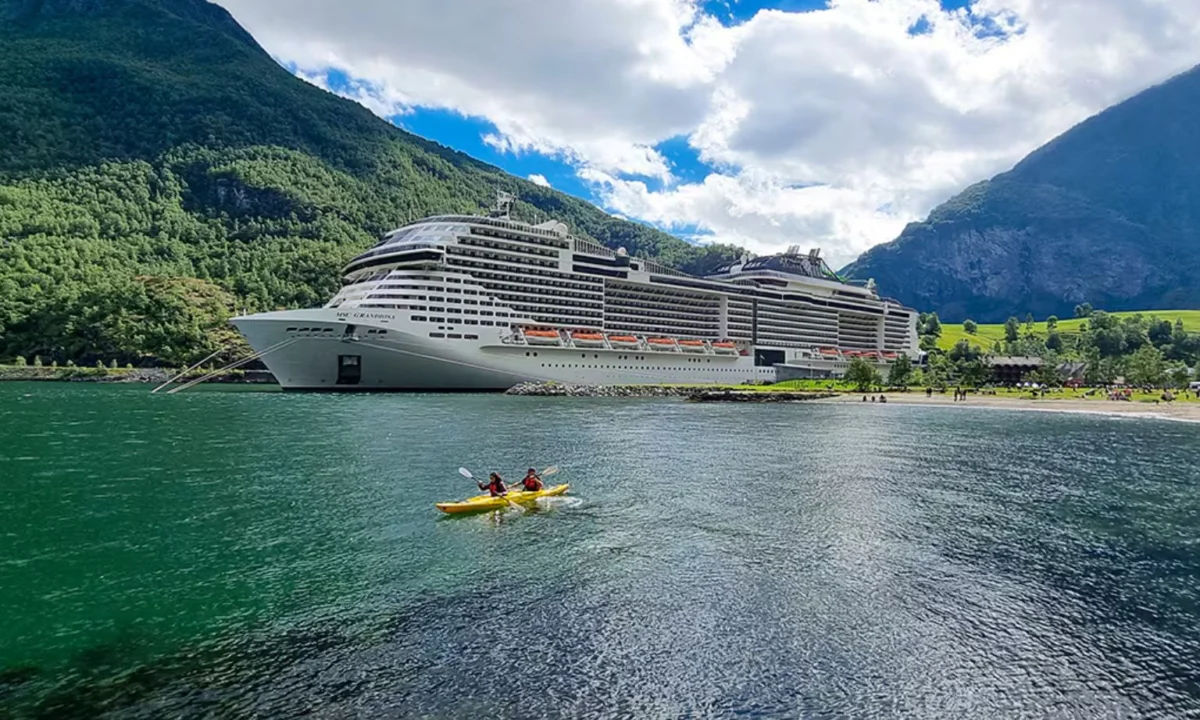
MSC Cruises has officially announced its comprehensive 2027 European seasonal schedule, specifically tailored to accommodate the travel preferences and logistical requirements of guests from Australia and New Zealand. This strategic expansion represents a significant commitment by the Switzerland-based cruise line to capture a larger share of the Oceania outbound travel market, which has shown a robust post-pandemic recovery. The 2027 program emphasizes a diversified approach to European exploration, ranging from high-tech vessel debuts to immersive, slow-travel experiences in the Mediterranean and Northern Europe.
The announcement comes at a time when the cruise industry is experiencing a surge in demand for European itineraries among Southern Hemisphere travelers. According to recent market analysis from the Cruise Lines International Association (CLIA), Australian cruise passenger numbers have reached record highs, with a significant portion of this growth attributed to international "fly-cruise" packages that integrate long-haul travel with regional European maritime journeys.
Strategic Evolution of the European Product Offering
The 2027 program is not merely a repetition of previous schedules but a calculated recalibration of MSC Cruises’ European footprint. The company, which operates one of the world’s most modern fleets, is leveraging its massive infrastructure to offer five distinct pillars of travel. By focusing on regional connectivity, the cruise line aims to reduce the friction often associated with European touring for Australians—a demographic that typically travels for longer durations and seeks high-value, multi-country experiences.
The chronology of this rollout aligns with the long-lead planning cycles preferred by international travelers. With itineraries released well in advance, the company is facilitating the complex logistics of flight scheduling and pre-cruise land stays, which are essential for guests traveling from the Antipodes.
The Debut of MSC World Asia
A centerpiece of the 2027 season is the introduction of the MSC World Asia, the latest evolution in the company’s World Class fleet. This vessel represents a significant investment in maritime technology, emphasizing energy efficiency, sophisticated onboard amenities, and expanded passenger capacity. While the ship’s name highlights its versatility, its deployment in European waters during the 2027 season is designed to showcase the brand’s premium offerings.
The MSC World Asia is engineered with advanced environmental technologies, including shore-to-ship power connectivity and selective catalytic reduction systems to minimize emissions. From an industry perspective, the inclusion of such a vessel in the 2027 lineup underscores the line’s commitment to the European market, which remains the cruise industry’s most significant revenue generator globally.
Integrating European Voyages into the Australian Summer
One of the most notable aspects of the 2027 program is the promotion of "off-season" travel. Traditionally, Australian travelers have focused on European summer months (June through August). However, MSC Cruises is actively marketing the benefits of shoulder-season and winter voyages, which provide a compelling alternative for travelers looking to avoid the peak crowds of July and August.
Fact-based analysis suggests that visiting Europe during the Australian summer holidays—when it is winter in the Mediterranean—offers a unique set of advantages. These include significantly lower land-based costs, greater access to world-class cultural institutions, and the ability to experience popular landmarks without the congestion of peak-season tourism. This shift in traveler behavior is supported by data indicating that 30% of long-haul travelers now prioritize "seasonal balance" over traditional weather-dependent holiday planning.
The Mediterranean: A Shift Toward Slow Travel
The 2027 Mediterranean itineraries represent a departure from the "high-velocity" cruising style that dominated the early 2000s. MSC Cruises has curated a selection of voyages that emphasize longer port stays and overnight calls in major hubs like Barcelona, Naples, and Marseille.
This "slow travel" approach is a direct response to feedback from the Oceania market, where guests have indicated a preference for deeper cultural immersion rather than rapid-fire sightseeing. By extending port durations, MSC allows passengers to engage with local gastronomy, regional history, and niche cultural experiences that are often inaccessible during standard eight-hour port calls.
Northern Europe and the Baltic Expansion
Beyond the Mediterranean, the 2027 program expands its reach into Northern Europe, including the Norwegian Fjords, the Baltic capitals, and the British Isles. This region has seen a steady increase in interest among repeat cruise guests who have already explored the Mediterranean and are seeking cooler climates and unique geographical features.
The operational expansion into Northern Europe also serves as a hedge against the rising temperatures in Southern Europe, which have occasionally disrupted tourism patterns in recent years. By providing a robust alternative in the north, MSC Cruises ensures that its portfolio remains resilient against climate-related fluctuations, thereby protecting the investment of international travelers who are booking years in advance.
Industry Implications and Economic Context
The implications of this 2027 announcement are twofold. First, it signifies a strengthening of the trade relationship between European maritime operators and Australian travel agencies. By providing dedicated resources and tailored itineraries, MSC is empowering local travel advisors to better serve their clients, which is a critical component of the Australian travel retail sector.
Second, the program reflects the broader trend of "premiumization" within the cruise industry. Guests are increasingly willing to pay for enhanced experiences, such as the MSC Yacht Club—a "ship-within-a-ship" concept that provides exclusive access, private butler service, and dedicated dining venues. The 2027 itineraries are heavily integrated with these premium tiers, suggesting that the cruise line expects continued growth in the high-net-worth segment of the Australian and New Zealand travel market.
Logistics and Operational Planning
For travelers based in Australia and New Zealand, the logistical planning for a 2027 European cruise involves several layers of coordination. MSC Cruises has indicated that they are working to align their embarkation schedules with major international flight corridors. This is essential for maintaining a seamless transition from long-haul flights into the Mediterranean or Northern European cruise hubs.
Industry analysts observe that the success of such programs often hinges on the integration of "seamless travel" solutions, such as pre-cruise hotel packages and synchronized airport transfers. MSC’s 2027 rollout suggests a more vertically integrated approach to these logistics, potentially reducing the reliance on third-party service providers and ensuring a higher standard of quality control for the guest experience.
Conclusion: Setting the Course for 2027
As the cruise industry moves toward 2027, the focus is clearly on delivering high-quality, diversified, and sustainable experiences. MSC Cruises, by launching this comprehensive program for the Australian and New Zealand markets, is positioning itself at the forefront of this evolution. The combination of the new MSC World Asia, a deliberate shift toward slower, more immersive Mediterranean exploration, and a strategic expansion into Northern Europe provides a balanced portfolio that caters to a wide spectrum of traveler needs.
While the global travel landscape remains dynamic, the commitment shown by major lines to the Oceania market underscores the region’s importance as a core pillar of international cruise tourism. For the discerning Australian or New Zealand traveler, the 2027 season offers not just a vacation, but a carefully curated opportunity to experience the complexities and charms of Europe through a lens of modern maritime comfort. As booking windows continue to lengthen, the early availability of these itineraries will likely be a key factor in how travelers shape their long-term leisure plans over the next three years.


 Diana Nuri Rohmawati

 Gabriela Annisa

 Lukman Taruna Persada Ramadan

 Tatiana Tantri Indah Sari

 Anjar Salim

