Chandra Hamzah
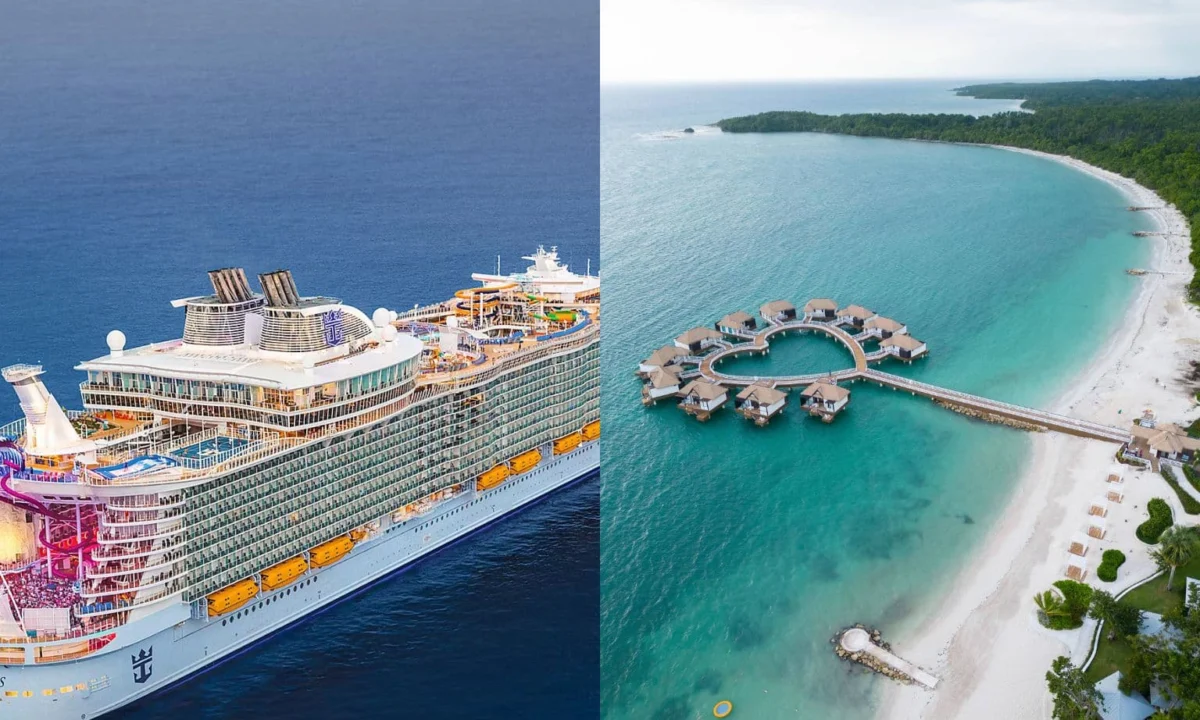
In a move that signals a paradigm shift for the global travel and leisure industry, Royal Caribbean Group has announced a definitive agreement to acquire a 50% stake in the iconic Sandals and Beaches Resorts brand. This US$3 billion transaction marks a significant expansion for the cruise giant, transitioning its corporate identity from a cruise-centric operator to a comprehensive, diversified global travel company. The partnership grants Royal Caribbean part-ownership of all 20 Sandals and Beaches properties, which are distributed across the Caribbean, including seven in Jamaica, three in Saint Lucia, two in the Bahamas, and additional locations in Antigua, Curaçao, and Grenada.
This strategic acquisition represents a calculated effort by Royal Caribbean to capture a larger share of the US$2 trillion global vacation market. By integrating land-based luxury all-inclusive resorts with their existing maritime operations, the company is positioning itself to own the entire guest experience—from the moment a traveler leaves home to the final day of their vacation.
A New Era of Vertical Integration
The hospitality sector has seen a flurry of cross-industry investments in recent years, but the direction of this acquisition is particularly noteworthy. While luxury hotel brands such as Ritz-Carlton, Four Seasons, and Aman have recently ventured into the boutique cruise space, Royal Caribbean is executing the reverse strategy. By moving into the land-based resort market, Royal Caribbean is attempting to mitigate the risks associated with the cruise industry, such as regulatory tightening in European ports and the increasing scrutiny of maritime environmental impact.
The move mirrors the successful long-term model employed by Princess Cruises, which has operated its own fleet of Alaskan lodges, motorcoaches, and rail cars for over three decades. By managing the logistics of both land and sea, Princess has successfully captured the full value of the Alaskan tourism market. Royal Caribbean appears poised to replicate this scale in the Caribbean, a region where they have already established a dominant infrastructure footprint.
The Infrastructure Advantage
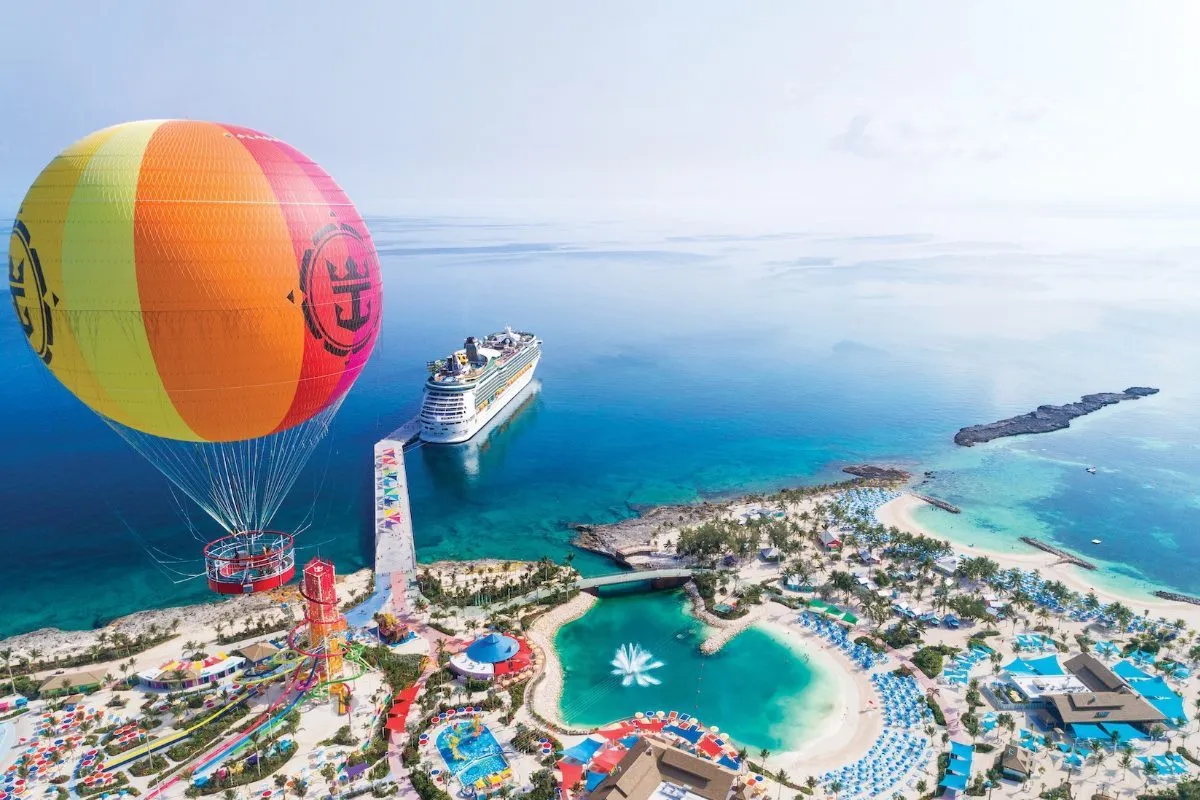
Royal Caribbean’s operational focus has long been rooted in the Caribbean, where it has consistently deployed its largest and most advanced vessels. This commitment is bolstered by the company’s investment in private island infrastructure, most notably Perfect Day at CocoCay in the Bahamas. The addition of Sandals’ established resort network provides Royal Caribbean with an immediate, high-end land presence, effectively creating a "hybrid vacation" ecosystem.
Industry analysts suggest that the integration could soon allow cruise passengers to disembark at a port of call, spend several days at a Sandals resort, and subsequently rejoin a ship to continue their journey. This level of flexibility, combined with the convenience of a unified booking and loyalty platform, addresses a growing consumer demand for seamless, multi-modal travel experiences.
Strategic Objectives and Market Context
For Royal Caribbean Group Chairman and CEO Jason Liberty, the deal is the cornerstone of a broader vision to "turn the vacation of a lifetime into a lifetime of vacations." The company’s trajectory has been one of aggressive diversification; this includes the 2018 acquisition of the ultra-luxury Silversea Cruises and the ongoing development of Celebrity Cruises’ first-ever river cruise fleet, scheduled to launch in 2027.
The financial rationale behind the US$3 billion investment is rooted in the high demand for "all-inclusive" travel. Data from the American Society of Travel Advisors (ASTA) indicates that all-inclusive resorts and cruise vacations are currently the two fastest-growing segments in the travel market, with a significant overlap in consumer demographics. By aligning these two powerhouse brands, Royal Caribbean intends to cross-sell to a combined customer base, thereby increasing the "lifetime value" of every traveler within their ecosystem.

Addressing Consumer and Stakeholder Concerns
The announcement has triggered a range of reactions, from excitement among investors to apprehension among the loyal customer base of Sandals Resorts. Some long-term guests have expressed concerns that the infusion of mass-market cruise traffic could dilute the exclusivity and tranquil atmosphere of the resorts.
In response, Royal Caribbean leadership has emphasized that the partnership is designed to foster innovation while preserving the unique qualities of the Sandals brand. "We are committed to investing in the ships, destinations, and experiences our guests love," stated Jason Liberty during the investor call. "This is not about day passes or mass-market expansion; it is about building a portfolio of premier vacation experiences that provide collective value for all stakeholders, including our employees and the communities we serve."
Furthermore, the company has clarified that this deal is distinct from the occasional sale of resort day passes, which have previously allowed cruise passengers to access Sandals properties for fees ranging from US$340 to US$800. The long-term plan involves a deeper, systemic integration of services, including the eventual merger of the two companies’ loyalty programs, which would allow members to earn and redeem points across both cruise and resort stays.
Future-Proofing the Business Model
The cruise industry is currently navigating a complex geopolitical and environmental landscape. Several major European destinations, including Venice, Amsterdam, and Barcelona, have implemented strict passenger caps and environmental levies, forcing cruise lines to diversify their geographic focus and business models.
By anchoring its operations more firmly in the Caribbean through land-based assets, Royal Caribbean is effectively hedging against the volatility of maritime regulations. The Caribbean, while already a mature market for cruises, offers significant growth potential for the land-based hospitality sector. Additionally, the company’s commitment to sustainable tourism, evidenced by its ongoing projects like the private beach club in Lelepa, Vanuatu, suggests that future developments will likely emphasize localized, lower-impact tourism models.
A Timeline of Strategic Growth
- 2018: Royal Caribbean Group acquires a majority stake in Silversea Cruises, marking its entry into the ultra-luxury expedition market.
- 2019-2022: Continued expansion of "Perfect Day at CocoCay" and the announcement of a network of "Royal Beach Clubs" across the Caribbean.
- 2026: Official announcement of the US$3 billion agreement to acquire a 50% stake in Sandals and Beaches Resorts.
- 2027 (Projected): Launch of Celebrity River Cruises, signaling the group’s expansion into inland European waterways.
Analytical Outlook: The Competitive Landscape
The acquisition of a 50% stake in Sandals is expected to trigger a competitive response from other major industry players. Carnival Corporation and MSC Cruises, both of which have significant Caribbean operations, may face pressure to secure their own land-based partnerships or acquisitions to remain competitive.
"The market is moving toward ‘walled gardens’ of travel," explains Peter Ricci, Director of the Hospitality and Tourism Management Program at Florida Atlantic University. "When a company owns the ship, the private island, and now the luxury resort, they essentially capture the entire wallet of the consumer. It is a highly efficient model, but one that requires impeccable operational coordination."
The success of this merger will largely depend on how well Royal Caribbean integrates the Sandals corporate culture without disrupting the "Sandals experience" that has served as a gold standard in the all-inclusive market for decades. If the integration is seamless, it could set a new industry standard for travel conglomerates. If, however, the brand equity of Sandals is perceived to be compromised, the company risks alienating its most valuable, high-net-worth customer segment.
As the industry observes these developments, one thing remains clear: the line between cruise and land-based travel is becoming increasingly blurred. Royal Caribbean’s bold move serves as a testament to the fact that the future of the travel industry lies not in specialized segments, but in the ability to curate a comprehensive, lifelong relationship with the traveler. Whether this model proves sustainable in the face of shifting global economic conditions remains a subject of intense interest for industry analysts and investors alike.


 Lukman Taruna Persada Ramadan
 Tatiana Tantri Indah Sari
 Anjar Salim

 Budi Mulyono