
 Susilo Edi Turonggo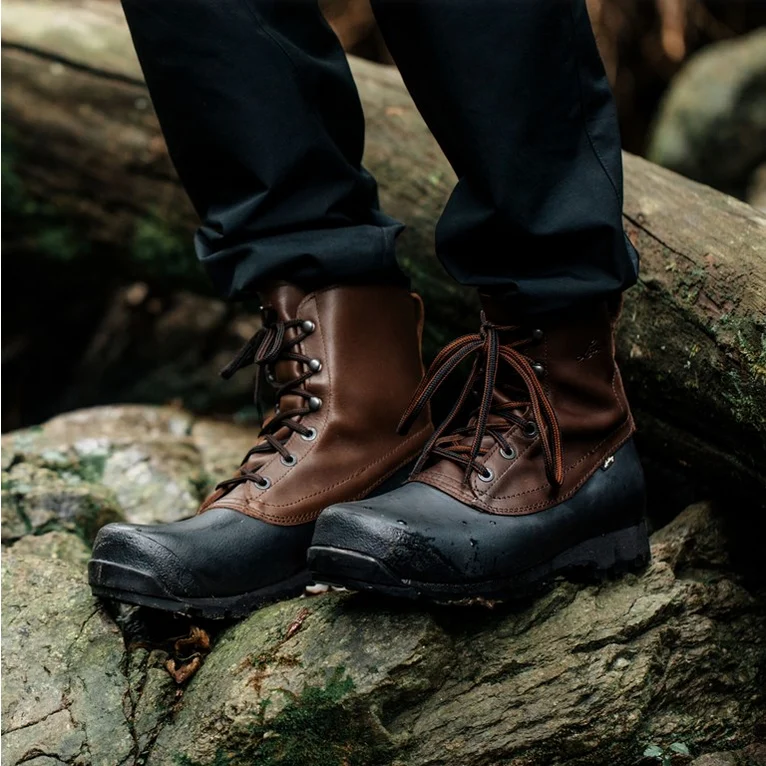
As winter blankets landscapes in snow and slush, the choice of footwear becomes critical, not only for personal warmth and safety but also for environmental protection. The modern consumer increasingly demands products that align with principles of sustainability, durability, and freedom from harmful chemicals. In the realm of winter boots, this translates into a pressing need for weather-resistant options built to endure multiple seasons and, crucially, devoid of toxic per- and polyfluoroalkyl substances (PFAS).
The Pervasive Threat of "Forever Chemicals" (PFAS)
For decades, industries across the globe have utilized per- and polyfluoroalkyl substances (PFAS) for their remarkable ability to repel water, oil, and stains while maintaining material breathability. These synthetic chemicals, first developed in the 1930s and commercialized in the 1940s, found widespread application in diverse products ranging from non-stick cookware and food packaging to firefighting foams and, notably, waterproof finishes for textiles and footwear. In the fashion and outdoor gear sectors, PFAS are commonly found in Durable Water Repellent (DWR) coatings, providing the "snow-proof" and "water-resistant" qualities many consumers seek in winter boots, jackets, and other apparel.
However, the chemical stability that makes PFAS so effective also renders them profoundly problematic. Comprising strong carbon-fluorine bonds, these substances are exceptionally resistant to degradation in natural environments, earning them the moniker "forever chemicals." Once PFAS flake off products, whether through wear and tear or disposal, they enter ecosystems, persisting indefinitely in water, soil, and air. This environmental ubiquity leads to widespread contamination, impacting everything from remote polar regions to local drinking water sources. The U.S. Geological Survey (USGS) in 2023, for instance, reported that PFAS are detectable in nearly half of the nation’s tap water.
The implications extend beyond environmental contamination to significant public health concerns. Scientific research has increasingly linked exposure to various PFAS compounds with a range of adverse health effects. The Agency for Toxic Substances and Disease Registry (ATSDR) and the U.S. Environmental Protection Agency (EPA) have identified potential associations with elevated cholesterol levels, decreased vaccine response in children, changes in liver enzymes, increased risk of certain cancers (including kidney and testicular cancer), reproductive issues, and developmental problems in children. Exposure pathways are multiple, including contaminated drinking water, food, and indoor dust from consumer products. When PFAS-treated boots are brought indoors, these chemicals can shed into the home environment, adding to cumulative exposure.
The challenge for consumers lies in identifying products free from these compounds. Unless a brand explicitly states that its waterproofing finish is "PFAS-free," "PFC-free" (perfluorinated chemicals), or "free of fluorinated chemicals," it is generally prudent to assume that the product may contain these persistent substances. This lack of clear labeling has historically made informed consumer choices difficult.
The Shift Towards a Safer Future: Regulatory and Industry Responses
Growing scientific understanding of PFAS toxicity and environmental persistence has spurred a global movement towards phasing out these chemicals. Public advocacy groups, environmental organizations, and health agencies have played a crucial role in raising awareness and pressuring both regulators and industries to act.
Regulatory Landscape: Governments worldwide are beginning to implement stricter regulations. In the United States, the EPA has established a PFAS Strategic Roadmap, outlining efforts to research, restrict, and remediate PFAS contamination. Various states, including Maine, California, and Washington, have introduced or passed legislation banning PFAS in specific product categories, including textiles and apparel, with some bans taking effect in the coming years. Similarly, the European Union has been at the forefront of regulatory action, with proposals for comprehensive bans on PFAS across numerous applications, driven by the European Chemicals Agency (ECHA) under REACH regulations. These regulatory shifts signal a clear trajectory away from PFAS use.
Industry Innovation and Response: In response to scientific evidence, consumer demand, and anticipated regulations, a growing number of brands are actively researching and adopting PFAS-free alternatives. This transition involves significant investment in research and development to find effective, durable, and safe waterproofing technologies. Many brands are collaborating with material science companies to develop innovative DWR treatments based on non-fluorinated chemistries, often utilizing silicone, polyurethane, or dendrimer-based technologies. The outdoor industry, which has historically relied heavily on PFAS for performance, is seeing a significant paradigm shift. Some brands have even shared their transition processes and technical insights with competitors, recognizing that a collective move away from PFAS benefits the entire industry and, more importantly, the planet.
Defining Sustainable Winter Footwear: Beyond PFAS-Free
While eliminating PFAS is a critical step, true sustainability in winter footwear encompasses a broader set of criteria, reflecting a holistic commitment to environmental stewardship and ethical production. When evaluating winter boots, consumers are encouraged to consider the following pillars:
1. Safe & Sustainable Materials:
Beyond the absence of PFAS, the choice of raw materials significantly impacts a boot’s environmental footprint.
- Naturally Water-Resistant Materials: Materials like responsibly sourced leather inherently offer a degree of water resistance. For leather, certifications from the Leather Working Group (LWG) are paramount. The LWG is a multi-stakeholder organization that assesses and certifies tanneries based on their environmental performance, including water and energy usage, waste management, and the management of chemicals. A high LWG rating signifies a commitment to more sustainable processing practices, mitigating the environmental impact typically associated with leather production.
- Recycled Materials: The integration of recycled content, particularly in synthetic components like polyester linings or membranes, reduces reliance on virgin resources and diverts waste from landfills. The Global Recycled Standard (GRS) is a key certification in this area, verifying the recycled content of products, ensuring responsible social, environmental, and chemical practices in their production, and maintaining chain of custody.
- Responsible Chemical Management: Beyond PFAS, brands committed to sustainability often adhere to Restricted Substances Lists (RSLs), which prohibit or limit the use of various hazardous chemicals in their manufacturing processes. Certifications like bluesign® go a step further, focusing on optimizing resource use, minimizing environmental impact, and ensuring consumer safety across the entire textile supply chain, from raw materials to finished product. A bluesign® SYSTEM partner is committed to applying the bluesign® CRITERIA for sustainable production.
- Vegan Alternatives: For consumers seeking animal-free options, it’s crucial to scrutinize the composition of "vegan leather." While some innovative plant-based materials are emerging, many still rely heavily on polyurethane (PU) or polyvinyl chloride (PVC), which are plastics derived from fossil fuels. Brands should ideally provide transparency regarding the composition and lifecycle impact of their vegan materials.
2. Transparent Supply Chain & Ethical Production:
A truly sustainable product considers the well-being of all individuals involved in its creation.
- Visibility and Accountability: Brands should demonstrate a clear understanding of their supply chain, from the sourcing of raw materials to the final assembly of the product. This includes identifying factory locations and understanding the labor conditions within them.
- Fair Labor Practices: Partnerships with organizations like the Fair Wear Foundation (FWF) indicate a brand’s commitment to improving labor conditions in garment factories. FWF works with brands to implement a code of labor practice, conduct factory audits, and address grievances. Similarly, brands that publish their factory lists, uphold robust codes of conduct for suppliers, and conduct regular independent audits demonstrate a higher level of ethical responsibility.
- Certifications for Social Impact: Certifications such as Certified B Corporation (B Corp) status indicate a company meets high standards of verified performance, accountability, and transparency on factors from employee benefits and charitable giving to supply chain practices and input materials.
3. Longevity & Circularity (After-Market Repair):
The most sustainable product is often the one that lasts the longest.
- Design for Durability: Sustainable boots are thoughtfully designed and constructed for longevity, using high-quality components and robust manufacturing techniques.
- Repairability: Brands dedicated to extending product lifespans often offer after-market services. This can range from providing replacement parts (e.g., laces, insoles, buckles) and offering repair guides to operating full-service repair shops or partnering with third-party repair networks. The ability to repair a boot significantly reduces waste and the need for premature replacement, embodying circular economy principles.
Pioneering Brands in PFAS-Free Winter Boots
A growing number of manufacturers are demonstrating leadership in creating winter footwear that meets these stringent sustainability and PFAS-free criteria. These brands are not only innovating in material science and production methods but also fostering greater transparency in their operations.
1. Keen
Keen, a prominent outdoor footwear brand, has been a trailblazer in the industry’s shift away from PFAS. The company was among the first outdoor brands to commit to and achieve PFAS-free waterproofing, publicly sharing its process and challenges to encourage broader industry adoption. Keen’s winter boot range, spanning from stylish casual options to heavy-duty performance boots, utilizes PFAS-free Durable Water Repellent (DWR) treatments for effective waterproofing. The brand emphasizes responsible material sourcing, working exclusively with Leather Working Group (LWG)-certified tanneries for its leather components and maintaining a comprehensive Restricted Substances List (RSL). Keen also maintains a robust approach to ethical manufacturing, ensuring that at least one in three pairs of its footwear are produced in its own factories. Furthermore, it conducts regular audits of its Tier 1 and Tier 2 suppliers to ensure adherence to its established code of conduct.
- Price Range: $115-$250
- Available In: The U.S. Some products may be available to ship to China, Australia, and most European and Asian countries through its partner dealers.
2. Jack Wolfskin
Jack Wolfskin is a German outdoor brand recognized for its innovative and earth-conscious gear designed for durability. The brand has fully committed to PFAS-free production across its product lines, including its extensive range of winter boots. Many of its boots feature Texapore technology, a custom-developed, PFAS-free membrane that provides reliable water and wind protection. Jack Wolfskin prioritizes supply chain transparency, publicly listing its manufacturing partners. A significant commitment to chemical management is evident through its requirement that all its supply chain partners are bluesign®-approved or demonstrate equivalent rigorous hazardous substance management. The brand also ensures safe and fair working conditions through regular independent inspections of its manufacturing facilities.
- Price Range: $120-$230
- Available In: Most European Countries.
3. Lundhags
Hailing from Sweden, Lundhags boasts a heritage of crafting durable outdoor gear since 1932. The brand specializes in high-quality leather boots, which are manufactured in Europe, primarily utilizing materials sourced from a German tannery to maintain a short and transparent supply chain. Lundhags offers a diverse selection, including shell, one-layer, and three-layer boot constructions, all designed for longevity. A cornerstone of their sustainability philosophy is their commitment to extending product lifespans, evidenced by their dedicated after-market repair shop, which allows customers to repair and rejuvenate their gear. The brand’s factory working conditions are regulated under the Brav code of conduct, ensuring ethical production practices.
- Price Range: $217-$597
- Available In: Most European countries.
4. Vaude
Vaude, another German outdoor equipment manufacturer, stands out for its comprehensive approach to sustainability, including a strong commitment to PFAS-free products. Its winter boots incorporate water and wind-proof membranes made from PFAS-free recycled polyester. The brand emphasizes local sourcing where possible, with leather uppers often sourced from a tannery in Germany. Vaude excels in supply chain transparency, providing information on where each boot was made directly on its product pages. Furthermore, the brand actively promotes product longevity through accessible and affordable replacement parts and offers full-service repair options, enabling customers to extend the useful life of their boots and minimize waste.
- Price Range: $200-$263
- Available In: Canada and most European countries.
5. Forsake
Forsake offers a range of waterproof boots, from sneaker-boot hybrids to heeled hiking styles, many of which utilize Leather Working Group (LWG)-certified materials. While the brand primarily focuses on the waterproof performance of its footwear, its parent group maintains a clear code of conduct for all suppliers and conducts regular audits to ensure compliance with ethical and environmental standards. The company’s commitment to LWG certification indicates a responsible approach to leather sourcing and processing, aiming to mitigate the environmental impact of its material inputs. Further transparency regarding the sourcing of internal components, such as memory foam insoles, could enhance its sustainability profile.
- Price Range: $145-$160
- Available In: The U.S.
6. EcoAlf
EcoAlf, a certified B Corporation, is dedicated to creating sustainable products from recycled materials, embodying the "Because there is no planet B" philosophy. The brand offers vegan, PFAS-free winter boots constructed from Global Recycled Standard (GRS)-certified recycled polyester and a combination of new and recycled rubber. EcoAlf demonstrates a strong commitment to supply chain transparency by tracking its supply chain down to Tier 3, which often includes fabric mills and component suppliers. This level of traceability helps ensure responsible practices throughout the production process. While the brand excels in tracking its manufacturing chain, further disclosure on the precise sourcing of its raw materials at the very beginning of the supply chain would further enhance its transparency.
- Price Range: $145-$299
- Available In: The U.S., most South American countries, most European countries, and most Asian countries.
7. Will’s Vegan Store
Will’s Vegan Store specializes in vegan footwear and accessories, with production primarily based in Italy and Portugal. The brand utilizes bio-based leathers and recycled polyester insulation in many of its products, emphasizing a commitment to animal-free and environmentally conscious materials. Will’s Vegan Store maintains comprehensive traceability of its production process, ensuring that ethical and sustainable practices are upheld at every step. A selection of its waterproof footwear explicitly features PFAS-free uppers, catering to consumers seeking chemical-free options. It is important for consumers to verify the specific product descriptions, as not all waterproof offerings are explicitly labeled PFAS-free, and some "vegan leather" may still be plastic-based, necessitating careful consideration of material composition.
- Price Range: $134-$190
- Available In: All countries.
8. Poppy Barley
Poppy Barley is known for its stylish and ethically produced footwear, including a selection of water-resistant ankle and calf-length boots. The brand sources Leather Working Group (LWG)-certified leather for many of its products, indicating a commitment to environmentally responsible tanning practices. Its audited factories are located in Europe and Mexico, reflecting a focus on regions with established labor standards and greater supply chain visibility. Consumers are encouraged to check individual product pages for LWG certification details to ensure the specific materials chosen meet sustainable sourcing criteria.
- Price Range: $293-$480
- Available In: The Continental U.S., Mexico, Canada, and Australia.
9. REI Used Gear
REI Used Gear represents a circular economy approach, offering a platform for buying, selling, and trading in pre-owned outdoor equipment, including winter boots. This initiative allows consumers to access discounted gear from various brands, including many that prioritize sustainability. Opting for used gear significantly reduces the environmental impact associated with new production. While REI is actively working to remove PFAS from its own-brand products, consumers utilizing the Used Gear platform should verify the product details and brand specifications, as not all brands featured on the platform may be PFAS-free. This platform provides an excellent opportunity to find high-quality, durable boots at a reduced cost, extending their lifespan and promoting responsible consumption.
- Price Range: $22-$149.50
- Available In: The U.S.
The Role of Consumer Choice and Broader Implications
The growing availability of PFAS-free and sustainably produced winter boots underscores a significant shift in the fashion and outdoor industries. This evolution is not merely a response to regulatory pressures but also a testament to the power of informed consumer choice. By actively seeking out and supporting brands that prioritize chemical safety, ethical production, and environmental responsibility, consumers play a vital role in accelerating this positive transformation.
The broader implications of this trend are substantial. Environmentally, the reduction of PFAS in consumer goods will contribute to cleaner waterways, healthier soil, and a decrease in bioaccumulation within ecosystems. For human health, limiting exposure to these "forever chemicals" holds the promise of mitigating associated health risks. Economically, the move towards sustainable materials and production methods fosters innovation within the manufacturing sector, creating new markets for eco-friendly technologies and materials. Socially, transparent supply chains and ethical labor practices contribute to a more just and equitable global economy.
In conclusion, the decision to purchase winter boots extends beyond personal comfort and style. It is an opportunity to make a conscious choice that supports health, environmental integrity, and responsible industry practices. As scientific understanding deepens and industry innovations advance, the expectation for winter footwear that is both high-performing and genuinely sustainable will only grow, paving the way for a future where toxic chemicals are a relic of the past, and durable, ethical products are the undisputed norm.



 Anjar Salim
 Chandra Hamzah
 Tatiana Tantri Indah Sari
 Budi Mulyono
 Lukman Taruna Persada Ramadan
