
 Chandra Hamzah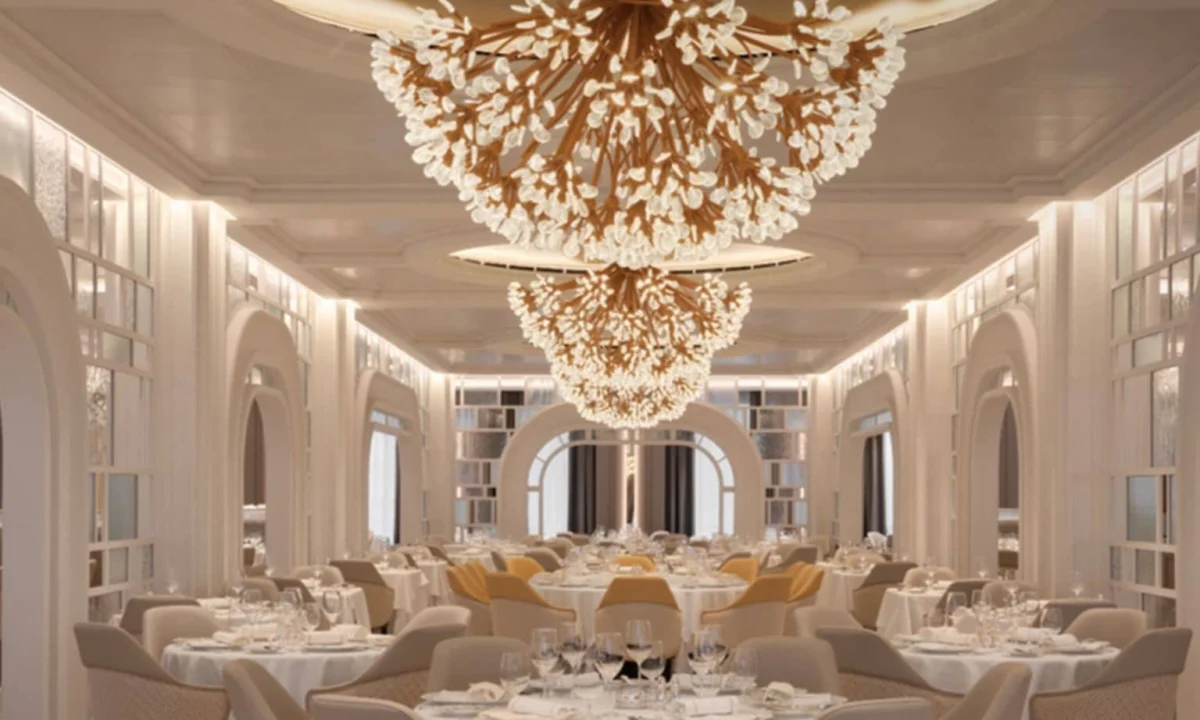
The intersection of luxury travel and stringent medical dietary requirements is set for a significant transformation as Oceania Cruises, a premium cruise line renowned for its culinary standards, announced a partnership with Celiac Cruise to host the world’s first entirely gluten-free sailing. Departing from Southampton, England, on May 31, 2028, the 12-night roundtrip voyage aboard the Oceania Vista represents a paradigm shift in how the maritime hospitality industry addresses the needs of passengers with celiac disease and non-celiac gluten sensitivity.
For those living with celiac disease—an autoimmune condition where the ingestion of gluten leads to damage in the small intestine—travel is often characterized by a high degree of vigilance. This upcoming voyage aims to eliminate the constant necessity of vetting ingredients, scrutinizing preparation methods, and managing the pervasive risk of cross-contact that typically defines the dining experience for these individuals.
The Itinerary and Operational Scope
The 2028 voyage is strategically curated to explore the British Isles, with scheduled ports of call including Cork, Dublin, Glasgow, and Edinburgh. While the itinerary offers a sophisticated exploration of England, Ireland, and Scotland, the operational focus remains firmly on the onboard experience. The Oceania Vista, a vessel that entered service in 2023, has been selected for this initiative due to its modern galley facilities and existing reputation for high-end dining.
During this specific sailing, the ship will transition into a fully gluten-free environment. This commitment extends beyond the primary dining rooms to encompass every culinary outlet on board, including specialized in-suite dining services and dedicated gluten-free bakeries. By eliminating gluten from the entire supply chain and production process for the duration of the 12-night journey, the cruise line intends to create a "safe harbor" for guests who are otherwise accustomed to limited menus and the stress of questioning waitstaff about preparation protocols.
Addressing the Prevalence of Celiac Disease
The necessity for such specialized travel arrangements is underscored by rising global health statistics. According to the Celiac Disease Foundation, the condition affects approximately one in 100 people worldwide. Despite the prevalence of the disease, diagnostic rates remain low, with many individuals undiagnosed or managing symptoms without clinical intervention. For those who are diagnosed, the only medically accepted treatment is a lifelong, strict gluten-free diet.
In the travel industry, this has historically created a gap between standard food and beverage offerings and the specific health requirements of guests. While major cruise lines have made strides in labeling menus and providing alternative options, the risk of accidental exposure in a communal kitchen remains a significant barrier for many. The partnership between Oceania Cruises and Celiac Cruise acts as a case study for the industry, suggesting that there is a viable, high-demand market for "medically inclusive" luxury travel.
Chronology and Development of the Initiative
The development of this project is the result of years of refinement in dietary management within the cruise sector. Celiac Cruise, founded by Maureen Basye, has been working to normalize safe travel for the celiac community through organized group sailings.
- Pre-2020: The travel industry focused primarily on allergen labeling, with most cruise lines treating gluten-free requirements as a "request" rather than a foundational dining philosophy.
- 2020-2024: Increased consumer advocacy led to more robust protocols on major cruise lines, though the "cross-contact" risk remained a primary concern for the community.
- May 2028: The launch of the Oceania Vista voyage marks the first time a major cruise line has committed to a complete, ship-wide removal of gluten for a full sailing, rather than offering a gluten-free "option" within a standard kitchen environment.
This chronology highlights a transition from reactive dietary management to proactive, inclusive culinary design. By moving the burden of safety from the guest to the cruise line’s operational team, the model effectively changes the nature of the vacation from one of management to one of leisure.
Perspectives from the Stakeholders
Maureen Basye, founder of Celiac Cruise, emphasizes that the psychological impact of this voyage is as significant as the physical safety provided. "For travellers with celiac disease, food is something that has to be considered at virtually every stage of a journey—where to eat, what to order, how something has been prepared, and the potential for cross-contact," Basye stated. She suggests that the ability to board a vessel without the mental labor of managing a chronic condition allows guests to reclaim the spontaneity that defines a vacation.
Jason Montague, Chief Luxury Officer of Oceania Cruises, views the initiative as an extension of the brand’s core identity. "As a brand with food at its heart, we believe every guest should be able to experience the joy and discovery that define dining with Oceania Cruises," Montague noted. He articulated that the culinary team views the challenge not as a restriction, but as a creative exercise. By reimagining traditional recipes through a gluten-free lens, the line aims to maintain its reputation for "The Finest Cuisine at Sea" while providing a stress-free environment for passengers.
Broader Implications for the Cruise Industry
The implications of this initiative for the broader hospitality and tourism sectors are manifold. First, it demonstrates that luxury travel and rigorous medical dietary requirements are not mutually exclusive. The success of this voyage could set a new benchmark for other lines, potentially forcing a re-evaluation of how large-scale catering operations handle food sensitivities.
Second, the operational logistics involved in a fully gluten-free, 12-night voyage require a complex overhaul of procurement and supply chain management. Every ingredient entering the galley—from thickeners and sauces to specialized flours and pre-packaged goods—must be audited. This level of rigor requires close coordination between suppliers, executive chefs, and the Celiac Cruise organization. If Oceania Cruises can demonstrate that this is commercially sustainable, it may encourage other luxury brands to adopt similar "specialized sailing" models, whether for gluten-free guests, those with severe nut allergies, or other specific dietary needs.
Finally, the economic impact of such niche travel is notable. By catering to a specific, underserved demographic, Oceania Cruises is capturing a loyal segment of the market that has historically been hesitant to travel due to safety concerns. This creates a high degree of brand loyalty and establishes a premium market position.
Navigating the Booking Process
Interested travelers can secure their passage for the May 2028 sailing through two primary channels. Bookings are available directly via the Oceania Cruises website, or through the specialized portal provided by Celiac Cruise. Because this is a curated, event-based sailing, demand is expected to be high, as it combines the standard luxury amenities of a cruise with a specialized medical safety environment.
As the cruise industry continues to evolve post-pandemic, the trend toward "purpose-driven" and "inclusive" travel is gaining momentum. The 2028 Oceania Vista voyage serves as a definitive example of how large-scale hospitality can adapt to meet the complex needs of modern travelers, proving that medical requirements do not have to result in a diminished experience. Instead, through careful planning and professional execution, the industry can provide a seamless, high-quality vacation that prioritizes both health and luxury.
The success of this endeavor will be closely monitored by industry analysts and competing cruise lines alike. Should the initiative prove successful, it is highly probable that similar ventures will emerge, further diversifying the market and ensuring that travel remains accessible to all, regardless of dietary restrictions. For now, the 2028 sailing stands as a beacon of progress for the celiac community, promising a vacation where the only thing on the guest’s mind is the next port of call.




 Anjar Salim
 Tatiana Tantri Indah Sari
 Budi Mulyono
 Lukman Taruna Persada Ramadan
