
 Chandra Hamzah
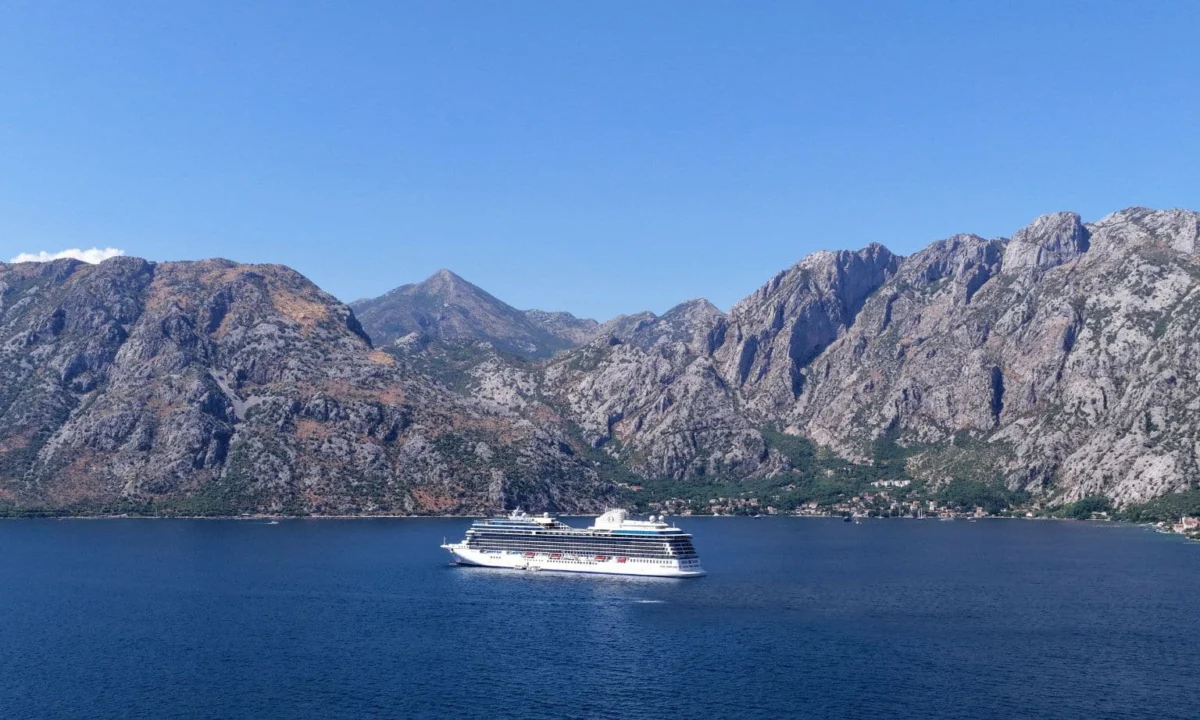
Oceania Cruises has officially announced its comprehensive 2027-28 European deployment, a strategic expansion that promises to redefine the luxury cruise market’s approach to off-season travel. This new collection of itineraries focuses on providing travelers with a more immersive, tranquil experience, emphasizing the continent’s cultural depth during periods when popular tourist hubs typically see a reduction in foot traffic. The announcement is headlined by a significant milestone for the cruise line: the deployment of the Oceania Allura for its inaugural full winter season in the Mediterranean, scheduled to operate from November 2027 through March 2028.
This move signals a broader shift in the premium cruise industry, moving away from the traditional, seasonal-only focus in Europe toward a more consistent, year-round presence. By capitalizing on the milder climates of Southern Europe, Oceania Cruises is catering to a growing demographic of travelers who prioritize "slow travel"—the philosophy of engaging deeply with a destination rather than rushing through high-traffic tourist hotspots.
Strategic Expansion and Seasonal Evolution
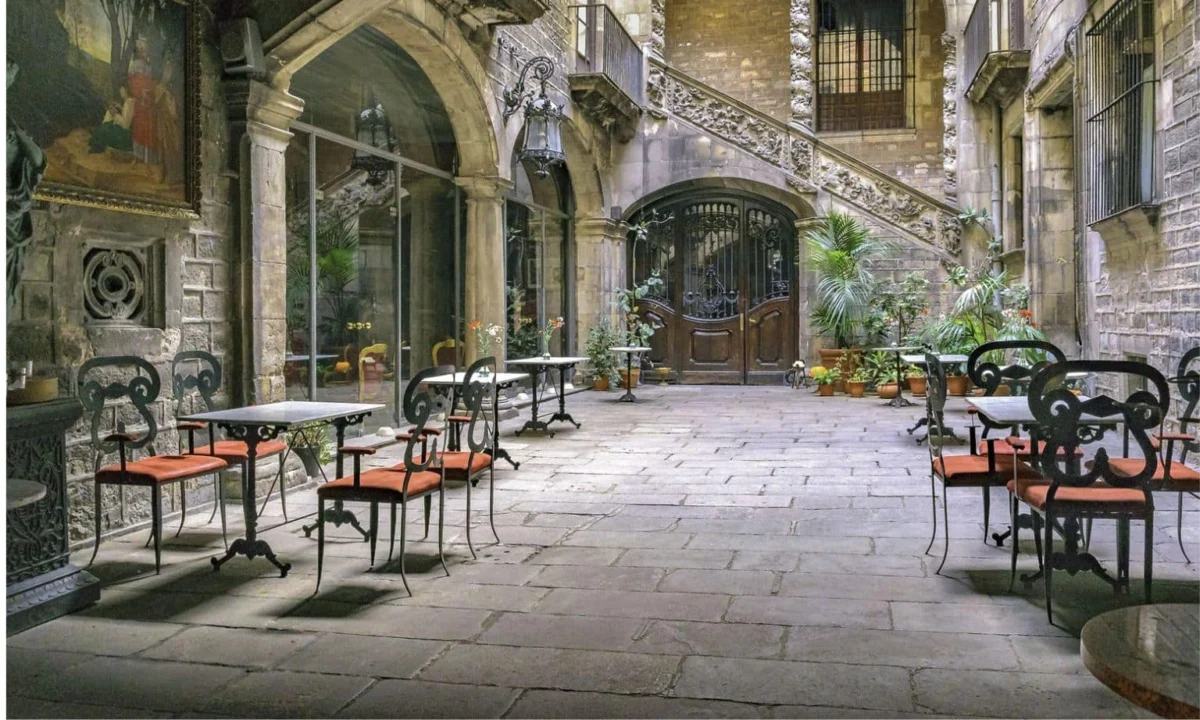
The 2027-28 schedule encompasses 17 distinct voyages dedicated to the Mediterranean winter season. These journeys, ranging from nine to 26 days, are meticulously crafted to bypass the summer overcrowding that has become a point of contention for many European municipalities. By visiting marquee ports such as Barcelona, Rome, Athens, and Istanbul during the off-season, guests are granted access to iconic sites, quiet piazzas, and cultural institutions without the typical logistical challenges associated with peak-season tourism.
The decision to station the Oceania Allura in the Mediterranean through the winter months is a calculated effort to leverage the ship’s modern amenities. As the latest addition to the Oceania fleet, the Allura is designed with a focus on space and culinary excellence, features that align well with the expectations of the winter-travel demographic. This deployment represents a significant capital commitment, underscoring the company’s confidence in the viability of winter Mediterranean cruising.
Chronology of the 2027-28 Itinerary Rollout
The deployment strategy for the 2027-28 season is divided into several thematic phases, beginning in early spring 2027 and extending well into the first quarter of 2028.
The season commences in April 2027 with the "Atlantic Wine Trails" voyage, which serves as a bridge between the traditional spring season and the high-summer offerings. This itinerary focuses on the viticulture and maritime heritage of the Iberian Peninsula and France. Following this, the late spring period features the "Mysteries of History" segment, which leans into the intellectual and archaeological appeal of the Eastern Mediterranean, connecting the historical narratives of Italy, Greece, and Turkey.

As the calendar moves into the autumn months, the "Croissants & Cannoli" voyage offers a late-season exploration of the Western Mediterranean, capturing the transition from the vibrancy of late summer to the atmospheric beauty of autumn. The core of the winter strategy follows, beginning in December 2027 with the "Warm Winter Wonderland" route, and concluding with the "Iconic Art & Architecture" voyage in early 2028. This chronological spread ensures that the cruise line maintains a presence in European waters regardless of the month, allowing for a variety of climatic and cultural experiences.
Diversification of Port Calls
A core pillar of the 2027-28 collection is the inclusion of lesser-known ports that offer a stark contrast to the frequently visited metropolises. Oceania Cruises has strategically integrated these "hidden gems" to differentiate their product from competitors who rely solely on primary ports of call.
For instance, the inclusion of Golfo Aranci in Sardinia provides a serene, rugged alternative to the more commercialized Italian coastal towns. In Greece, the selection of Gythion and Skiathos offers guests a chance to engage with authentic island life, far removed from the crowded cruise terminals of Mykonos or Santorini. Similarly, the inclusion of Canakkale in Turkey serves as a strategic gateway to the archaeological site of Troy, providing an educational depth that is highly valued by the line’s core demographic.
Furthermore, the company is encouraging extended stays in cities like Bordeaux, Hamburg, Florence, and Pisa. This "pre- and post-cruise" strategy acknowledges that many affluent travelers prefer to spend additional time on land, allowing them to participate in local customs and regional events that occur beyond the scope of a standard cruise excursion.
The Culinary Dimension of Luxury Travel
Oceania Cruises has long maintained a reputation for its "finest cuisine at sea" branding, and the 2027-28 European voyages are no exception. The Culinary Discovery Tours are central to this strategy. These excursions are designed to move beyond passive sightseeing, instead involving guests in the procurement and preparation of regional ingredients.
By visiting local markets in the company of professional chefs, guests learn about the provenance of Mediterranean staples—such as olive oils from Tuscany, cheeses from Corsica, and fresh seafood from the Aegean. These tours conclude with chef-led lunches where the harvested ingredients are prepared, creating a direct link between the local agricultural traditions and the onboard culinary experience. This approach serves as a value-add that appeals to the "foodie" traveler, a segment that has shown consistent growth within the luxury travel sector over the last decade.
Official Perspectives and Industry Implications
Jason Montague, Chief Luxury Officer of Oceania Cruises, noted that the expansion is a direct response to consumer demand for greater flexibility and deeper cultural engagement. "Europe is one of the most beloved cruise regions, and we are thrilled to offer our guests year-round opportunities to sail with us," Montague stated. He emphasized that the shift toward unhurried, multi-seasonal journeys is about giving guests the "freedom to experience Europe entirely on their own terms."

From an analytical perspective, this strategy serves several business objectives. First, it maximizes the utilization of the fleet. By operating in the Mediterranean during the winter, the cruise line avoids the logistical costs associated with repositioning ships to secondary markets. Second, it helps to mitigate the impact of seasonality on revenue. Third, it builds brand loyalty among a sophisticated clientele that values the ability to visit destinations during quieter periods, which is increasingly becoming a luxury commodity in itself.
Industry analysts suggest that this trend of year-round European cruising is likely to continue. As land-based tourism in major European cities becomes increasingly regulated due to concerns over "over-tourism," cruise lines that focus on smaller ports and off-peak seasons are positioned to offer a more sustainable and palatable alternative to traditional mass-market tourism.
Financial and Logistical Highlights
The 2027-28 voyage pricing reflects a premium tier of travel, with entry-level pricing for the "Atlantic Wine Trails" (10 days) starting at $3,458 per person. The "Mysteries of History" (nine days) begins at $3,185, while the "Croissants & Cannoli" (10 days) starts at $3,129. The winter-focused "Warm Winter Wonderland" (12 days) is priced from $6,270, and the "Iconic Art & Architecture" (nine days) starts at $3,480.
These price points are indicative of the inclusive nature of the voyages, which often wrap shore excursions, dining, and onboard enrichment activities into the ticket cost. The financial stability of the cruise line, combined with the high demand for European cultural tourism, suggests that these voyages will serve as a significant revenue driver for the 2027 and 2028 fiscal years.
Future-Proofing the European Travel Model
The implications of this announcement extend beyond simple route planning. By intentionally promoting winter travel, Oceania Cruises is playing a role in the economic stabilization of Mediterranean port towns that typically suffer from severe seasonal unemployment. This "year-round tourism" model is actively encouraged by many regional European governments, which seek to distribute the economic benefits of tourism more evenly across the calendar.
As the cruise industry continues to evolve, the ability to curate authentic, high-quality, and environmentally conscious experiences will become the primary competitive differentiator. Oceania’s 2027-28 European collection is a clear indication that the future of luxury cruising lies in the intersection of slow-paced exploration, regional gastronomy, and the ability to find quiet in the world’s most celebrated destinations. Whether through the historic ruins of Turkey, the vineyards of France, or the winter piazzas of Italy, the line’s commitment to a more sophisticated style of exploration is poised to define the standard for the upcoming season.


 Gabriela Annisa

 Lukman Taruna Persada Ramadan

 Tatiana Tantri Indah Sari

 Anjar Salim


 Dwi Wanna
