
 Chandra Hamzah
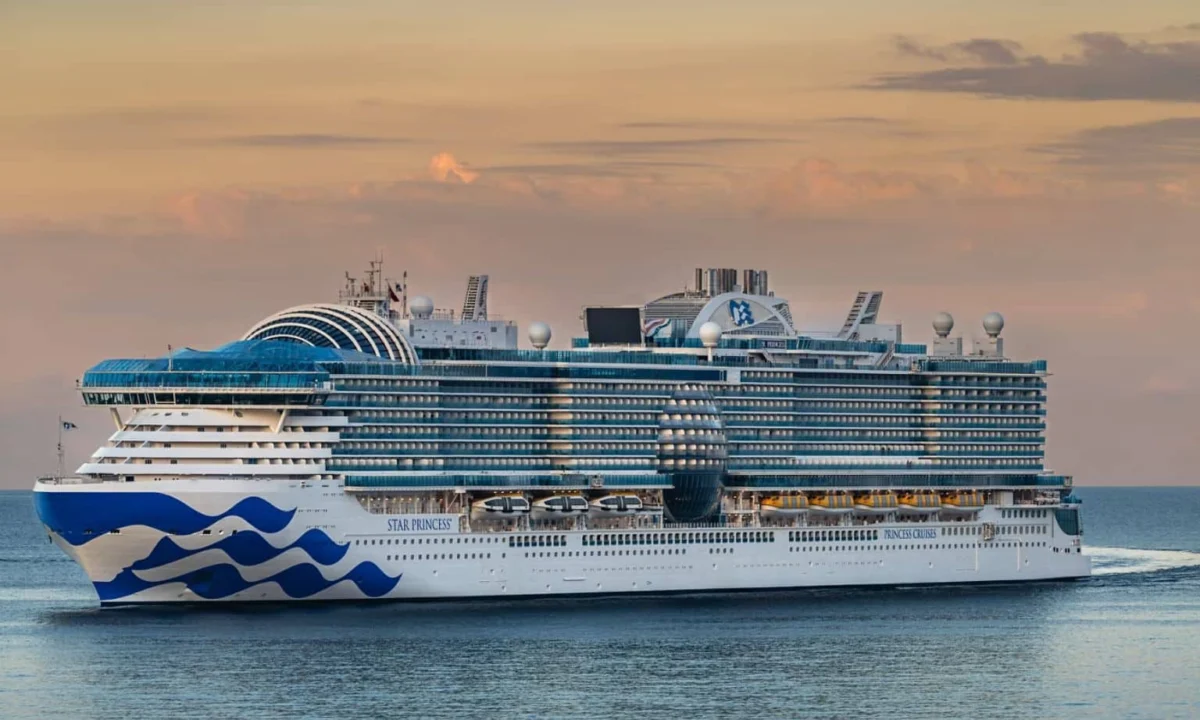
Princess Cruises has officially announced the launch of an integrated artificial intelligence travel planner, marking a significant milestone as the first major cruise line to embed generative AI capabilities directly into its digital discovery platform. By leveraging the advanced language processing of OpenAI’s ChatGPT, the cruise operator aims to transform the way prospective passengers research, compare, and book their voyages. This strategic move positions Princess Cruises at the vanguard of the "agentic commerce" movement, where AI systems act as sophisticated intermediaries to facilitate complex consumer decision-making.
The integration allows potential guests to engage in natural, conversational dialogues with a chatbot trained on the company’s specific fleet data, itinerary structures, and promotional materials. Rather than relying on static search filters or traditional menu-driven navigation, users can pose nuanced questions—such as "Show me Mediterranean cruises for next summer that balance historical sightseeing with beach time" or "How does the price of an Alaskan balcony suite compare across different departures in June?"—and receive synthesized, accurate responses tailored to their specific travel requirements.
The Evolution of Digital Cruise Planning
The maritime travel industry has historically relied on a bifurcated booking model: high-touch interactions with human travel advisors or high-friction self-service portals that often require users to toggle between dozens of pages to compare destinations, dates, and amenities. For years, cruise lines have invested in personalization engines, but these have largely remained confined to "recommended for you" modules rather than true conversational interfaces.
The shift toward generative AI represents a departure from these legacy systems. By integrating Large Language Models (LLMs), Princess Cruises is effectively creating a concierge-style experience accessible to anyone with a browser or the ChatGPT interface. This technology acts as a force multiplier for the brand’s digital infrastructure, allowing the company to parse vast amounts of unstructured data—such as shore excursion descriptions, culinary highlights, and port-of-call logistics—and present it in a readable, comparative format that mirrors the cognitive process of a human travel agent.
Strategic Context and Industry Timeline
The decision to adopt generative AI follows a period of rapid technological adoption across the global tourism sector. Since the public release of ChatGPT in late 2022, travel companies have been under pressure to provide more efficient digital experiences. Princess Cruises’ move follows a broader industry trend of "digital transformation" that gained momentum during the post-pandemic recovery period.
Chronologically, the timeline of this implementation reflects a methodical approach to digital commerce:
- Early 2023: Travel startups and major aggregators began experimenting with AI-powered itinerary builders, primarily focusing on general travel planning rather than specific cruise logistics.
- Mid-2023: Princess Cruises initiated a digital audit to identify friction points in their consumer-facing platforms, specifically targeting the high abandonment rate observed in the "itinerary discovery" phase of the booking funnel.
- Late 2023 to Early 2024: The company began training a specialized model on its proprietary data, ensuring that the AI could distinguish between its various ship classes, destination offerings, and inclusion packages.
- Current Phase: The public deployment of the integrated tool, aimed at reducing the time-to-book for first-time cruisers and simplifying the research phase for loyal repeat guests.
Data-Driven Personalization and Operational Efficiency
The effectiveness of this integration relies on the quality of the data supplied to the model. Princess Cruises has provided the AI with access to its backend databases, which contain real-time information regarding ship availability, cabin configurations, and pricing fluctuations. This is a critical distinction from generic AI models, which often suffer from "hallucinations"—the tendency to invent plausible but incorrect information. By grounding the AI in its own vetted data, Princess minimizes the risk of providing outdated itinerary information or incorrect pricing estimates.
From an analytical perspective, this implementation offers several operational advantages. Firstly, it reduces the burden on customer service call centers, as basic inquiries regarding ship features or regional itineraries are resolved through the interface. Secondly, it provides the company with valuable aggregate data on consumer intent. If a significant percentage of users ask the AI to compare "sustainable travel options" or "wellness-focused cruises," the company gains immediate, granular insight into emerging market trends, allowing for more agile marketing and itinerary planning.
Official Statements and Industry Vision
Neena Vicente, Princess Cruises’ Vice President of Digital Commerce and Experience, characterized the launch as a necessary evolution of the travel discovery process. "There is a broader shift in travel discovery as consumers increasingly use generative AI not simply to find information, but to help evaluate choices and plan increasingly complex trips," Vicente stated. She emphasized that the goal is to bridge the gap between inspiration and execution. "This launch places Princess at the forefront of agentic commerce in the cruising industry, creating a new entry point into cruise discovery that inspires guests to find the vacation that is right for them."
Industry analysts view this as a potential "proof-of-concept" for the wider cruise market. While competitors such as Royal Caribbean, Carnival, and Norwegian have invested heavily in onboard technology—such as mobile apps for ship navigation and reservation management—the "pre-purchase" phase has remained largely stagnant. If Princess Cruises reports a measurable increase in conversion rates or a reduction in bounce rates on their website, it is highly probable that other major lines will accelerate their own generative AI roadmaps.
The Broader Impact on Travel Commerce
The integration of ChatGPT into the Princess Cruises ecosystem underscores the democratization of expert-level travel planning. Historically, such specialized advice was only available through premium travel agencies or high-end concierge services. By providing this capability to the general public, Princess is effectively lowering the barrier to entry for potential cruisers who may feel overwhelmed by the sheer variety of options available in the modern cruise market.
However, the shift also presents challenges. As AI agents become more prevalent, the challenge for cruise lines will be maintaining brand voice and ensuring that the AI does not inadvertently steer potential customers toward less profitable or logistically problematic itineraries. There is also the matter of trust; consumers must be assured that the recommendations provided by the AI are truly in their best interest rather than merely being prioritized by the cruise line’s yield management algorithms.
Future Implications and Technological Trajectory
Looking forward, the integration is expected to become more sophisticated. Current iterations are largely text-based and focused on informational queries. Future updates could theoretically include visual integration—allowing the AI to show images of specific balcony views or dining room setups—and transactional capabilities, where the AI could potentially hold a cabin or finalize a deposit directly within the chat interface.
The successful implementation of this tool also highlights the importance of data hygiene in the tourism industry. For an AI to function as an effective planning assistant, the underlying data must be clean, updated, and interoperable. This may force cruise lines to update their legacy IT systems to better communicate with AI-driven front-ends, a move that could lead to broader infrastructure improvements across the entire travel industry.
In conclusion, the partnership between Princess Cruises and ChatGPT represents a shift in the digital strategy of the cruise industry. By embracing generative AI, the cruise line is acknowledging that the future of travel commerce lies in conversational, intuitive, and data-backed interfaces. As the technology matures, the success of this initiative will be measured not only by the efficiency of the booking process but by the ability of the AI to inspire confidence in consumers who are navigating the increasingly complex world of global cruise travel. Whether this leads to a universal industry standard remains to be seen, but for now, Princess Cruises has set a clear benchmark for how traditional travel operators can leverage modern innovation to enhance the customer journey.



 Diana Nuri Rohmawati

 Gabriela Annisa

 Lukman Taruna Persada Ramadan

 Tatiana Tantri Indah Sari

 Anjar Salim

