
 Chandra Hamzah
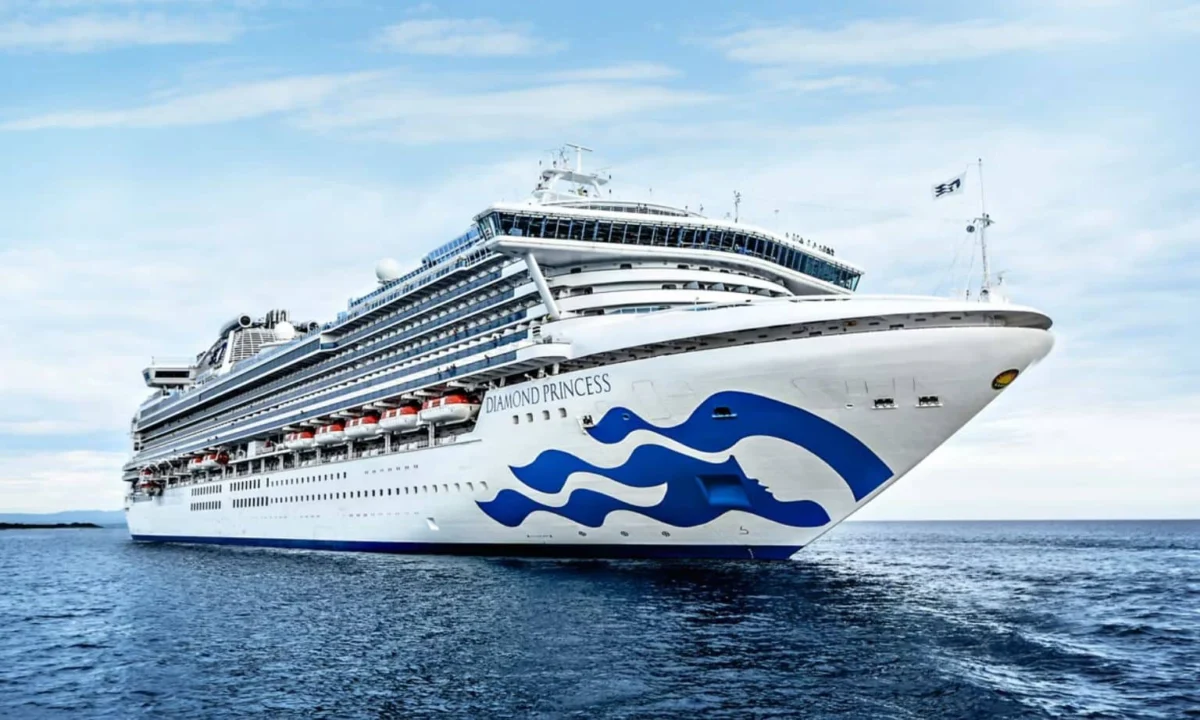
Princess Cruises has officially revamped its Princess Plus and Princess Premier package structures for Australian travellers embarking on international voyages, marking a significant shift in how the cruise line handles service charges for the local market. This strategic adjustment aims to eliminate the historical friction caused by the discrepancy between the Australian "all-inclusive" fare culture and the traditional American tipping model. By integrating "crew appreciation" charges directly into the upgraded cruise packages, the company seeks to provide price transparency for Australians navigating the complexities of USD-denominated overseas sailings.
For years, Australian cruisers have operated under a distinct fare structure. In the domestic market, cruise lines operating out of Australian ports typically incorporate gratuities into the base fare, aligning with the country’s lack of a widespread tipping culture. However, when Australians booked international voyages—particularly those operating in USD—they faced a fragmented billing experience. While they could purchase Princess Plus or Premier packages at local rates, these packages historically excluded the daily gratuities that are mandatory for international passengers on these ships. Consequently, Australians found themselves paying the advertised package rate, only to be hit with additional daily charges ranging from USD $18 to $20 per person, depending on their cabin category.
A New Pricing Model for Global Voyages
Under the new policy, Princess Cruises has introduced a modified pricing tier specifically for Australians on international itineraries. The Princess Plus package will now be priced at AUD $89 per day, while the Princess Premier package will rise to AUD $139 per day. This represents a modest increase of AUD $10 over the previous rates of AUD $79 and AUD $129, respectively.
The rationale behind this shift is to consolidate all service-related costs into a single, predictable figure. By paying the additional AUD $10 daily, Australian passengers effectively cover the entirety of their crew appreciation charges. Given that the standard daily gratuity on international Princess vessels is between USD $18 and $20—which converts to approximately AUD $26 to $29 at current exchange rates—the new AUD $10 surcharge represents a substantial reduction in total out-of-pocket costs for the average cruiser.
Contextualizing the Gratuity Discrepancy
To understand the necessity of this change, one must examine the evolution of cruise pricing over the last decade. Historically, cruise lines maintained a "suggested gratuity" model, where passengers could opt out of service charges at the guest services desk. Over the past five years, the industry has shifted toward mandatory, automated service charges, which are now standard across major lines including Royal Caribbean, Carnival, and Norwegian, alongside Princess.
For the Australian market, this transition created a persistent consumer pain point. Because Australians are accustomed to a service-inclusive model, the "hidden" cost of gratuities on international ships was frequently cited in travel forums and consumer advocacy reports as a point of confusion. By standardizing the inclusion of these fees within the Plus and Premier tiers, Princess Cruises is essentially aligning its international product with the expectations of its Australian clientele, thereby mitigating the "bill shock" that often occurs upon final settlement at the end of a voyage.
Comparative Analysis: Australian vs. American Pricing
An analysis of the new global pricing structure reveals that Australian passengers are, in many respects, receiving a more favourable deal than their North American counterparts. Following recent industry-wide price adjustments, American cruisers are now facing higher premiums for the same services. American passengers are currently paying approximately AUD $100 for the Princess Plus package and AUD $150 for the Princess Premier package.
This represents a gap of roughly AUD $10 per day between the two markets, even when adjusted for the specific inclusion of gratuities. The recent increase of USD $5 per day for American packages further widens this divide. By maintaining a lower price point for the Australian market, Princess Cruises appears to be making a calculated effort to remain competitive within the Australian travel sector, where consumers are highly sensitive to exchange rate fluctuations and total trip costs.
Implications for Independent Travellers
While the move is broadly framed as a simplification, the policy carries significant implications for those who choose not to purchase a bundled package. Passengers who opt for a standard "cruise-only" fare will continue to be subject to the standard daily gratuity rates. In this scenario, the contrast between the two passenger types becomes stark: a traveller with a package pays an effective daily gratuity of AUD $10, whereas a traveller without a package will pay the full USD $18–$20 per day.
This dynamic effectively creates a tiered pricing system where the financial penalty for refusing a package has increased. Industry analysts suggest that this is an intentional strategy by cruise operators to drive higher "pre-voyage" revenue. By incentivizing the purchase of Plus and Premier packages, the cruise line achieves higher onboard spending stability and reduces the administrative burden of processing gratuity adjustments at the guest services desk.
Furthermore, it is critical for passengers to understand the rigidity of these new terms. Historically, if a passenger found the service unsatisfactory, they could request the removal of gratuities from their account. However, with the new inclusive packages, the gratuity component is bundled into the total cost of the package. Because the package is considered a singular, pre-paid service, passengers cannot "unbundle" or remove the gratuity portion once the package has been purchased for an international voyage. This transition essentially removes the traditional, albeit rarely used, recourse of disputing service charges for those who opt into the premium tiers.
Operational Challenges and Future Outlook
The implementation of this policy across a global fleet involves significant logistical coordination. Princess Cruises must ensure that the booking engines for its Australian travel partners are accurately calibrated to distinguish between domestic and international itineraries. For travel agents, this transition necessitates a more rigorous explanation of the "total cost of ownership" for a cruise.
In the long term, this move may serve as a blueprint for other international cruise lines operating in the Australian market. As the industry continues to move away from the traditional, variable tipping model toward all-inclusive digital packages, the clarity provided by this new Princess model could become the standard. For the Australian traveller, the outcome is a more streamlined, albeit slightly more expensive, experience that eliminates the need to calculate exchange rates for service tips while on holiday.
As the cruise industry continues to recover and expand its capacity, the focus remains on simplifying the guest experience. While the move to increase package prices for Australians may appear to be an added cost, the underlying math suggests a reduction in total expenditure for those who were already planning to pay for the standard gratuities. By consolidating these fees, Princess Cruises is betting that Australian passengers will prioritise the convenience of a flat-rate, all-inclusive package over the potential cost savings of a "pay-as-you-go" gratuity model.
The success of this policy will likely be measured by customer feedback during the upcoming northern hemisphere summer season. If the reduction in inquiries regarding gratuity policies at guest services desks is significant, it is highly probable that other cruise lines will adopt similar, region-specific pricing strategies. For now, the move stands as a definitive step toward reconciling the global cruise industry’s revenue models with the unique cultural preferences of the Australian travelling public.



 Diana Nuri Rohmawati

 Gabriela Annisa

 Lukman Taruna Persada Ramadan

 Tatiana Tantri Indah Sari

 Anjar Salim

