Chandra Hamzah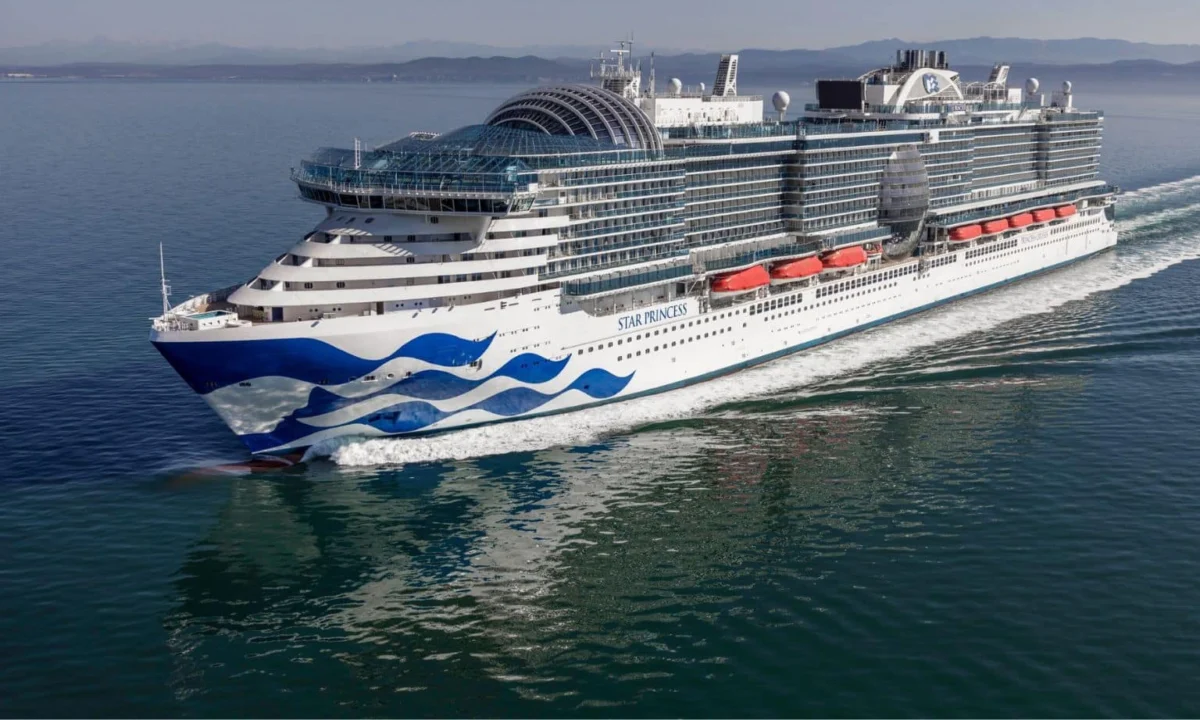
Princess Cruises has announced a significant expansion of its fleet with the order of three new mega-ships, designated as the "Voyager Class." These vessels will represent the largest ships ever constructed for the cruise line, each boasting a capacity to accommodate up to 4,700 guests. This ambitious undertaking signals a strategic move by Princess Cruises to cater to a growing demand for cruising, enhance onboard experiences, and advance its commitment to sustainable operations. The first of these groundbreaking ships is slated for delivery in late 2035, with the subsequent two vessels to follow in 2038 and 2039.
The landmark agreement for the construction of these three Voyager Class ships has been signed with Fincantieri, a renowned Italian shipbuilding group with a long-standing reputation for producing high-quality and innovative cruise vessels. This partnership underscores the scale and complexity of the project, with Fincantieri expected to leverage its extensive expertise in large-scale maritime engineering and construction. The Voyager Class represents a significant leap forward in ship design for Princess Cruises, building upon the success and guest feedback from its current fleet, including the recently launched Sun Princess and the upcoming Star Princess.
"The Voyager class will delight both our loyal guests and attract the next generation of Princess guests," stated Gus Antorcha, President of Princess Cruises. This statement highlights the dual objective of the new class: to enhance the offerings for existing patrons while simultaneously appealing to a new demographic of travelers. The emphasis on "delighting" and "attracting" suggests a focus on evolving the cruise experience to meet contemporary traveler expectations, which often include more diverse entertainment options, enhanced culinary experiences, and technologically integrated amenities.
Design and Onboard Experience Evolution
The design philosophy behind the Voyager Class appears to be one of thoughtful evolution, aiming to elevate every aspect of the onboard guest experience. Princess Cruises has indicated that these new vessels will feature expansive open decks, offering guests more opportunities to enjoy outdoor spaces, potentially with enhanced amenities such as new pool areas, relaxation zones, and entertainment venues. The staterooms are also set to be reimagined, with the expectation of offering greater comfort, functionality, and potentially a wider range of accommodation options to suit different guest preferences and budgets.
A central element of the redesign is the revamped Piazza, which will serve as the ship’s social heart. The Piazza, a signature feature on many Princess Cruises ships, is typically an atrium-style space that acts as a hub for dining, entertainment, and casual socializing. The "redesigned" Piazza on the Voyager Class suggests an enhanced, more dynamic, and possibly larger iteration of this popular area, likely incorporating new food and beverage outlets, live entertainment stages, and comfortable seating areas designed to foster a vibrant atmosphere.
Beyond the Piazza, significant changes are planned across the ship’s dining venues, entertainment spaces, and pool areas. President Antorcha elaborated on this commitment to enhancement, stating, "From exceptional dining and inviting pool environments to elevated entertainment and beautifully reimagined spaces throughout the ships, we are leaving no area untouched as we thoughtfully evolve the Princess experience." This comprehensive approach indicates that no element of the guest journey has been overlooked. The cruise line is aiming for a holistic upgrade, ensuring that each touchpoint, from a gourmet meal to a theatrical performance or a relaxing afternoon by the pool, meets the highest standards and contributes to a memorable vacation.
The specific nature of these upgrades will likely involve incorporating the latest trends in hospitality and entertainment. This could include more specialty dining options, innovative culinary concepts, immersive entertainment productions, and advanced technology integrated into venues to enhance guest engagement. The emphasis on "evolving" the experience suggests an adaptation to changing passenger expectations, which often lean towards more personalized and experiential travel.
Environmental Innovations: A Step Towards Sustainability
A notable aspect of the Voyager Class newbuilds is their commitment to more sustainable operations through the adoption of liquefied natural gas (LNG) as their primary fuel source. This aligns Princess Cruises with a broader industry trend towards reducing the environmental impact of cruise operations. LNG is recognized as a cleaner-burning fossil fuel compared to traditional marine fuels like heavy fuel oil, significantly reducing sulfur oxide (SOx) and nitrogen oxide (SOx) emissions, as well as particulate matter.
The Voyager Class ships will operate as dual-fuel vessels, meaning they can utilize both LNG and other marine fuels. However, the intention is to run primarily on LNG, maximizing the environmental benefits. This approach mirrors the strategy employed for the Sun Princess and the upcoming Star Princess, which are also designed to operate on dual-fuel engines with a focus on LNG. This consistent application of LNG technology across new builds demonstrates a strategic commitment by Princess Cruises and its parent company, Carnival Corporation & plc, to investing in cleaner maritime propulsion.
The implications of this commitment extend beyond regulatory compliance. By prioritizing LNG, Princess Cruises is positioning itself as an environmentally conscious cruise line, which can be a significant factor for an increasingly eco-aware traveler base. The development and implementation of LNG infrastructure at various ports of call will also be a crucial element in supporting the operational efficiency and environmental goals of these new ships. While LNG is a significant step forward, the cruise industry continues to explore even more advanced and sustainable fuel technologies for the future.
Strategic Capacity Expansion and Market Implications
The introduction of three ships each accommodating 4,700 guests signifies a substantial increase in Princess Cruises’ overall capacity. This expansion is a strategic response to the robust and growing demand for cruise vacations. As the global travel market recovers and expands, particularly in the post-pandemic era, cruise lines are investing in larger and more advanced ships to meet this demand and to capitalize on economies of scale.
The increased capacity will allow Princess Cruises to serve more guests on popular itineraries and potentially open up new markets or expand its presence in existing ones. Larger ships often come with efficiencies in operational costs per passenger, which can translate into competitive pricing or allow for greater investment in onboard amenities and services.
The timing of the deliveries, spread from 2035 to 2039, suggests a long-term strategic vision for fleet modernization and expansion. This staggered delivery schedule allows for a phased integration of the new vessels into the fleet, minimizing disruption and enabling continuous innovation and adaptation based on operational experience with the initial ships. It also provides a clear roadmap for the company’s growth trajectory over the next decade and a half.
The choice of Fincantieri as the shipbuilding partner is also significant. Fincantieri has a strong track record with large, complex cruise ship projects, and their expertise will be crucial in delivering these technologically advanced and aesthetically sophisticated vessels on time and to the highest standards. The collaboration between a major cruise operator and a leading shipbuilder is a testament to the industry’s confidence in future growth and its commitment to innovation.
Broader Industry Context and Future Outlook
The announcement of the Voyager Class newbuilds places Princess Cruises at the forefront of large-scale cruise ship development. The industry as a whole has seen a surge in new orders for mega-ships, driven by several factors:
- Resilient Demand: Despite economic fluctuations and global events, the cruise industry has demonstrated remarkable resilience, with passenger numbers consistently rebounding and growing over the long term.
- Technological Advancements: Modern cruise ships are becoming increasingly sophisticated, incorporating cutting-edge technology for guest entertainment, operational efficiency, and environmental performance.
- Fleet Renewal and Expansion: Many cruise lines are undertaking ambitious fleet renewal programs, replacing older, less efficient vessels with newer, larger, and more sustainable ships.
- Focus on Onboard Experience: The emphasis is shifting from simply providing a mode of transport to delivering immersive and memorable vacation experiences, with cruise lines investing heavily in onboard amenities, dining, and entertainment.
The Voyager Class ships, with their enhanced capacity, innovative design, and commitment to LNG propulsion, are well-positioned to meet these evolving industry demands. The success of these new builds will likely depend on several factors, including the continued strength of global travel demand, the effective integration of new technologies and onboard experiences, and the ability to maintain a strong commitment to sustainability.
Princess Cruises’ investment in the Voyager Class represents a significant vote of confidence in the future of cruising and its own position within the market. The scale of the order and the focus on innovation suggest that the cruise line is aiming not just to grow its fleet but to redefine the passenger experience for a new generation of travelers, while also demonstrating leadership in environmental stewardship. The coming years will be critical in observing the realization of this ambitious vision and its impact on the broader cruise landscape.

 Gabriela Annisa
 Tatiana Tantri Indah Sari
 Budi Mulyono
 Anjar Salim