
 Anjar Salim
The Department of the Interior is facing a transformative shift in its operational mandate as the Trump administration’s proposed 2027 fiscal year budget moves toward a contentious congressional review. At the heart of the proposal is a drastic reduction in funding for the National Park Service (NPS), which would see its annual operating budget slashed by nearly 31 percent. This fiscal contraction, moving from a $3.2 billion baseline to $2.2 billion, represents one of the most significant funding withdrawals in the agency’s 110-year history. While the administration frames the cuts as a necessary step toward streamlining federal bureaucracy and prioritizing "energy dominance," conservationists and legislative critics warn of a "decimation" of the nation’s natural and cultural heritage.
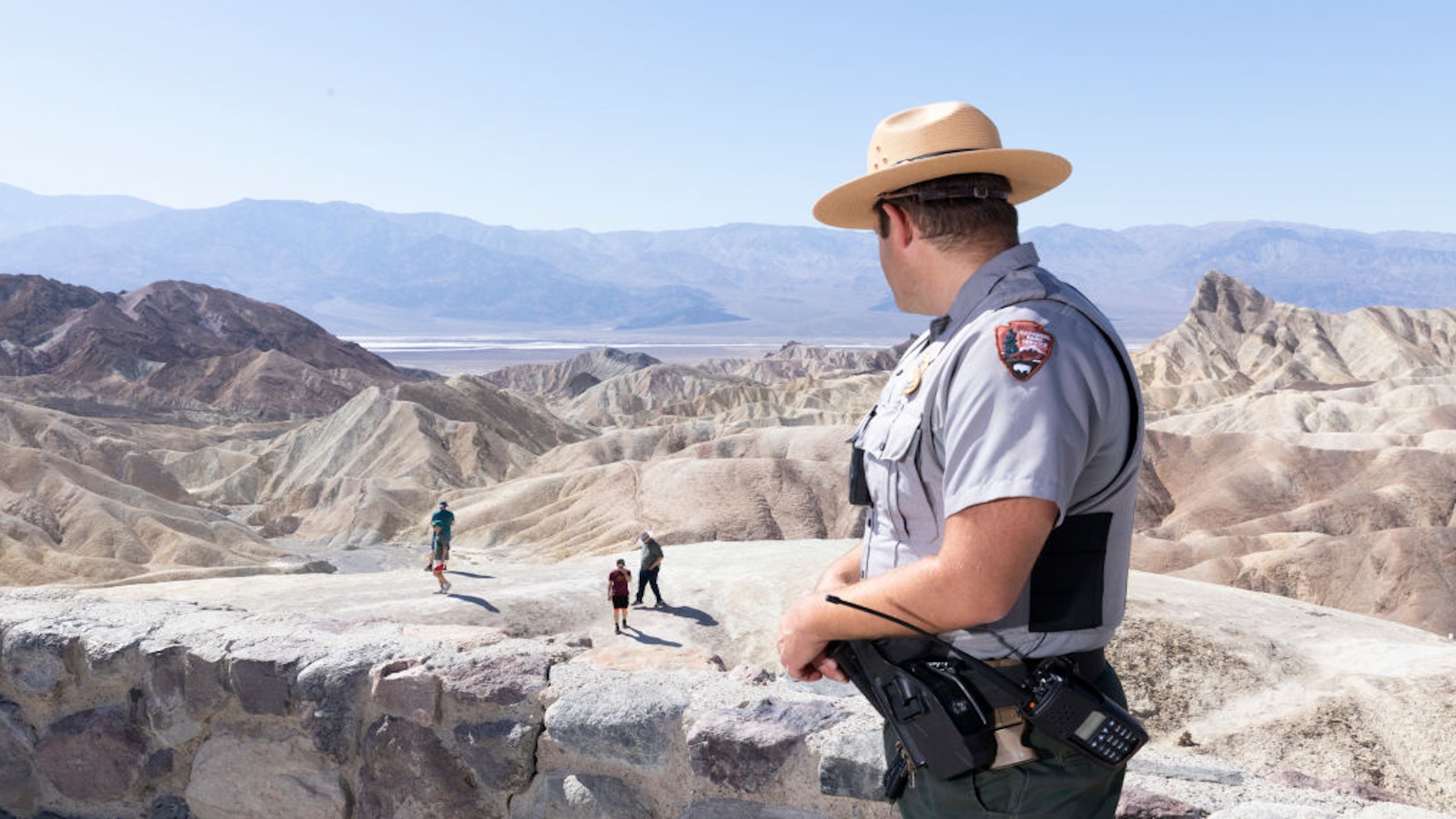
The proposal has sparked a high-stakes debate on Capitol Hill, where the future of approximately 3,000 National Park Service positions hangs in the balance. This workforce reduction is part of a broader realignment strategy intended to pivot the agency toward "visitor-facing roles," yet internal memos and legislative testimony suggest the cuts will primarily target the scientific, regional support, and administrative frameworks that allow parks to function. As visitation numbers continue to climb toward record highs across the 430-plus units of the National Park System, the tension between reduced staffing and increased public demand has become a central point of national concern.
A Chronology of Workforce Realignment
The current budget proposal is the latest in a series of aggressive maneuvers aimed at restructuring the federal workforce responsible for America’s public lands. To understand the scale of the 2027 proposal, it is necessary to look back at the administrative actions taken over the previous eighteen months.
In February 2025, the administration initiated a first wave of workforce reductions, resulting in the termination or "phasing out" of approximately 5,000 public lands employees. This initial round included 1,000 NPS workers, alongside 4,000 employees from the Bureau of Land Management (BLM) and the U.S. Forest Service. Following these layoffs, the Department of the Interior (DOI) issued a pivotal memo on April 2, 2026. This document outlined a plan to "realign" the NPS workforce by incentivizing voluntary early retirement and offering deferred resignations.
The stated goal of the April memo was to ensure that the remaining staff were placed in roles that directly interact with the public. However, by April 29, 2026, during a high-profile hearing before the Senate Energy and Natural Resources Committee, it became clear that the administration’s long-term vision involved a much deeper reduction. The 2027 budget proposal seeks to remove an additional 2,920 full-time positions from the NPS, bringing the total permanent workforce down from 16,000 to roughly 13,000.
The Financial Breakdown: $1 Billion in Proposed Reductions
The $1 billion reduction in the NPS operating budget is a cornerstone of the broader Department of the Interior budget for 2027. The DOI, which employs roughly 70,000 people and manages one-fifth of the land in the United States, is being asked to "do more with less" through a strategy Secretary of the Interior Doug Burgum describes as "unification, not consolidation."
According to the DOI’s "Greenbook" for the 2027 fiscal year, the $2.2 billion request focuses on eliminating what the administration calls "burdensome administrative processes." Proponents of the budget argue that the NPS has become top-heavy, with too many resources allocated to regional offices and headquarters rather than the parks themselves. By cutting $1 billion, the administration aims to force a centralization of services like Human Resources, Information Technology, and procurement, theoretically freeing up the remaining funds for on-site maintenance and law enforcement.
However, budget analysts note that the NPS already faces a deferred maintenance backlog exceeding $23 billion. Critics argue that a $1 billion cut to the operating budget—which pays for the daily salaries of rangers, biologists, and maintenance crews—will only exacerbate the physical decay of park infrastructure, as there will be fewer staff members to manage repair projects funded by separate capital accounts like the Great American Outdoors Act.
Legislative Friction and Official Responses
The April 29 hearing on Capitol Hill exposed the deep partisan divide regarding the stewardship of public lands. Senator Martin Heinrich of New Mexico, the ranking Democrat on the Energy and Natural Resources Committee, emerged as a leading voice against the cuts. In a sharp exchange with administration officials, Heinrich argued that the budget represents a fundamental abandonment of the Park Service’s mission.
"This budget request makes clear this administration is not committed to keeping the Park Service intact," Heinrich stated during his opening remarks. He further contended that the administration is deprioritizing wildlife, Tribal communities, and the preservation of national history. Heinrich’s primary concern lies in the loss of "regional supporting roles"—the scientists, historians, and archaeologists who may not be stationed at a specific trailhead but provide the essential data required for park management.
In response, Secretary Doug Burgum defended the proposal, linking it to the administration’s broader economic and security goals. Burgum testified that the budget "reflects President Trump’s priorities to pursue American energy dominance, deliver services more efficiently, uphold law and order, and make federal land safe and accessible for all Americans." He insisted that the realignment would improve efficiency without "cutting corners," suggesting that a leaner workforce would be more agile and responsive to visitor needs.
Ecological and Operational Implications
The potential impact of these cuts extends far beyond the federal payroll. Conservation organizations and park advocates have identified several critical areas where a 20 percent reduction in workforce could lead to systemic failure:
1. Science-Based Management and Conservation
The loss of wildlife biologists, botanists, and hydrologists could cripple the agency’s ability to manage complex ecosystems. In parks like Yellowstone, scientific staff are essential for managing human-wildlife conflict and monitoring the health of keystone species. Without these regional experts, parks may struggle to address invasive species outbreaks or changes in water quality, leading to long-term ecological degradation.
2. Overcrowding and Visitor Safety
The National Park Service reported record-breaking visitation in 2025, with 26 parks reaching their highest-ever attendance levels. Popular destinations like Yosemite and Zion are already struggling with traffic congestion and trail erosion. A reduction in staff—even if focused on "back-office" roles—means fewer people to process permits, manage entrance stations, and coordinate emergency search-and-rescue operations.
3. Cultural Heritage and Tribal Relations
The NPS is responsible for thousands of historic structures and sites of cultural significance to Indigenous tribes. Senator Heinrich specifically highlighted the risk to Tribal communities, noting that the budget cuts would reduce the agency’s capacity for Tribal consultation and the protection of sacred sites. The loss of historians and archaeologists also threatens the agency’s ability to tell a "complete American story" at national monuments and historic sites.
4. The "Trickle-Down" Effect on Permitting
One of the more practical concerns involves the administrative "backbone" of the parks. Functions such as the processing of commercial use authorizations (CUAs) for tour guides and the management of backcountry hiking permits are often handled by the very staff positions slated for elimination. A "frozen" permitting system would not only frustrate visitors but also harm local economies that rely on the outdoor recreation industry, which contributes over $1 trillion to the U.S. GDP annually.
Broader Impact on Public Lands and Energy Dominance
The 2027 budget proposal for the NPS cannot be viewed in isolation. It is part of a wider DOI strategy to shift resources toward the Bureau of Land Management (BLM) and the Bureau of Ocean Energy Management (BOEM) to facilitate domestic energy production. Secretary Burgum’s emphasis on "energy dominance" suggests that while the NPS budget is being cut, other divisions within the DOI may see a realignment toward oil, gas, and mineral leasing.
This shift has raised alarms among environmental groups who fear that the "unification" of DOI services will lead to a conflict of interest, where conservation goals are sidelined in favor of industrial development. Furthermore, the 4,000 layoffs previously seen in the BLM and Forest Service suggest a broader trend of reducing the federal footprint on lands that could potentially be used for resource extraction.
The Road Ahead: Congressional Deliberation and Potential Shutdowns
As the summer of 2026 approaches, the focus moves to the House and Senate Appropriations Committees. Congress holds the "power of the purse," and while the administration proposes the budget, it is the legislature that must ultimately pass the spending bills.
The debate is expected to be contentious. If Congress cannot reach an agreement on the DOI’s funding levels by October 1, 2026—the start of the 2027 fiscal year—they will be forced to pass a continuing resolution (CR) to keep the government running at current funding levels. Failure to pass either a budget or a CR would result in a federal government shutdown, an event that historically closes national parks and causes significant economic disruption to "gateway communities" that rely on park tourism.
Senator Heinrich has indicated that he will look to a bipartisan coalition to restore funding. "Ultimately it will be up to Congress to ensure that our public lands and Tribal communities have the resources they deserve," he told reporters. However, with the administration’s focus on fiscal austerity and energy production, the path to a compromise remains narrow.
The outcome of this budgetary battle will define the National Park Service for a generation. Whether the agency emerges as a "unified" and "efficient" service focused on the visitor experience, or a "gutted" institution unable to fulfill its conservation mandate, remains the central question for policymakers and the American public alike. For now, the 13,000 employees remaining in the NPS and the millions of visitors who frequent the parks each year await a final decision that will determine the health and accessibility of the nation’s most "sacred" spaces.




 Chandra Hamzah
 Tatiana Tantri Indah Sari
 Budi Mulyono
 Lukman Taruna Persada Ramadan