
 Hendra Ismail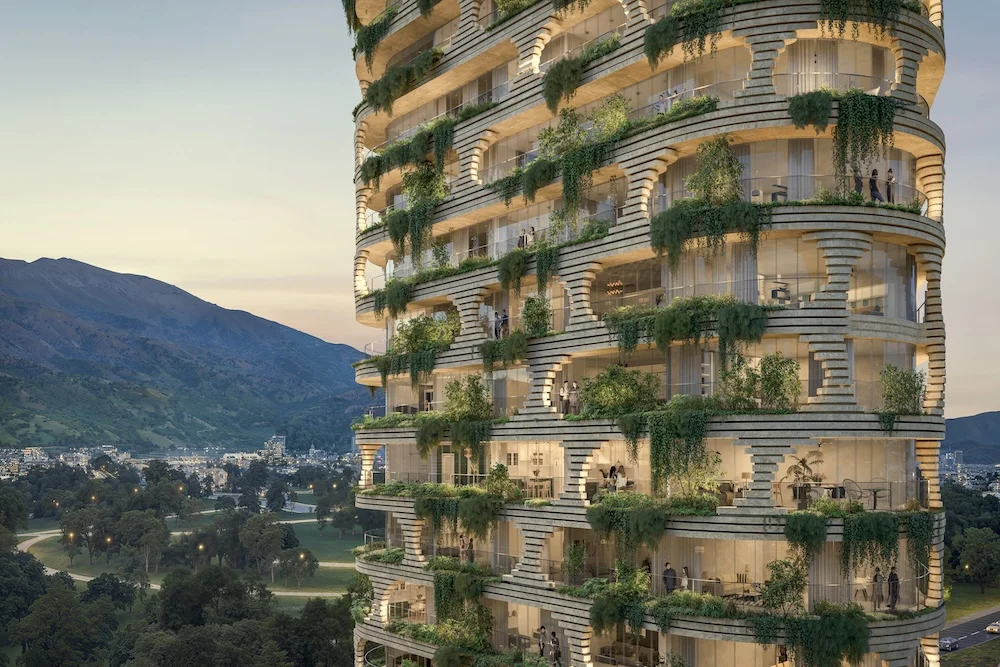
Quito, Ecuador – A groundbreaking architectural collaboration between Ecuadorian developer Uribe Schwarzkopf and acclaimed Japanese studio Kengo Kuma & Associates has been unveiled, revealing the ambitious plans for Qapital, a 32-story mixed-use tower poised to redefine the skyline of Quito’s central business district. Scheduled for completion in 2029, this nearly 413-foot-tall edifice marks a significant milestone as Kengo Kuma & Associates’ inaugural project in Ecuador, promising a fusion of natural inspiration and cutting-edge urban design.
A Design Rooted in Andean Majesty
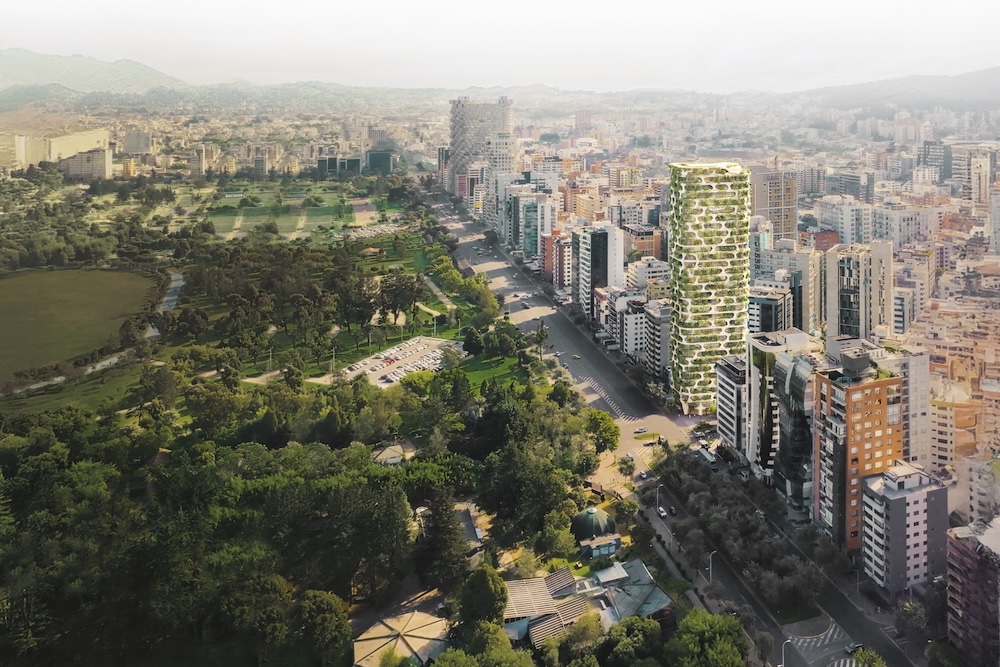
The architectural concept for Qapital draws profound inspiration from the dramatic and rich geology of the Andes mountain range. This influence is most evident in the tower’s textured exterior, which meticulously mirrors the rugged beauty and layered formations characteristic of the Andes. Expansive floor-to-ceiling windows are strategically positioned to capture panoramic vistas of the city and the adjacent La Carolina Park, while integrated balconies are designed to appear as organic indentations, seemingly carved directly into the building’s structure.
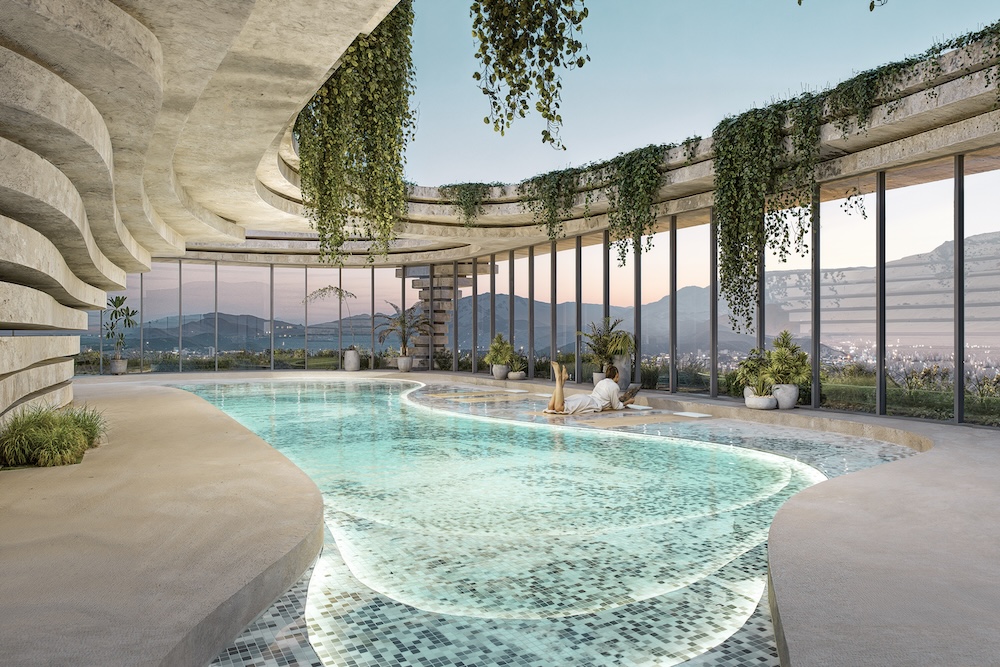
A key feature of Qapital’s design is the deliberate integration of greenery on every level. This cascading foliage is envisioned to emulate the porous surfaces of Andean rocks, with plants thriving within the architectural crevices. This approach not only enhances the aesthetic appeal but also aims to weave natural elements into the daily lives of the building’s occupants, fostering a connection with the surrounding environment.
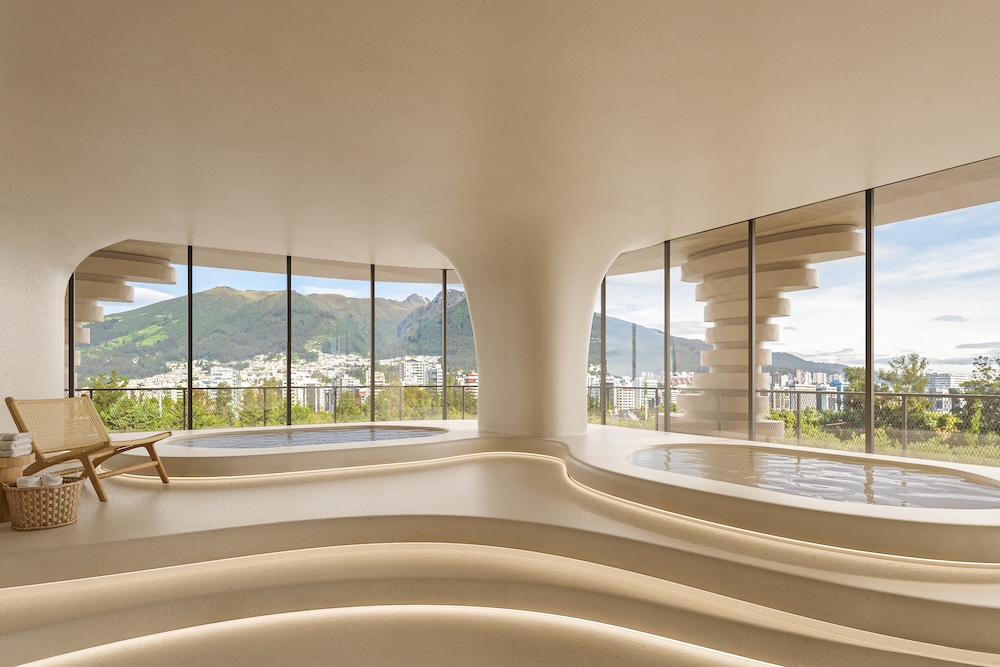
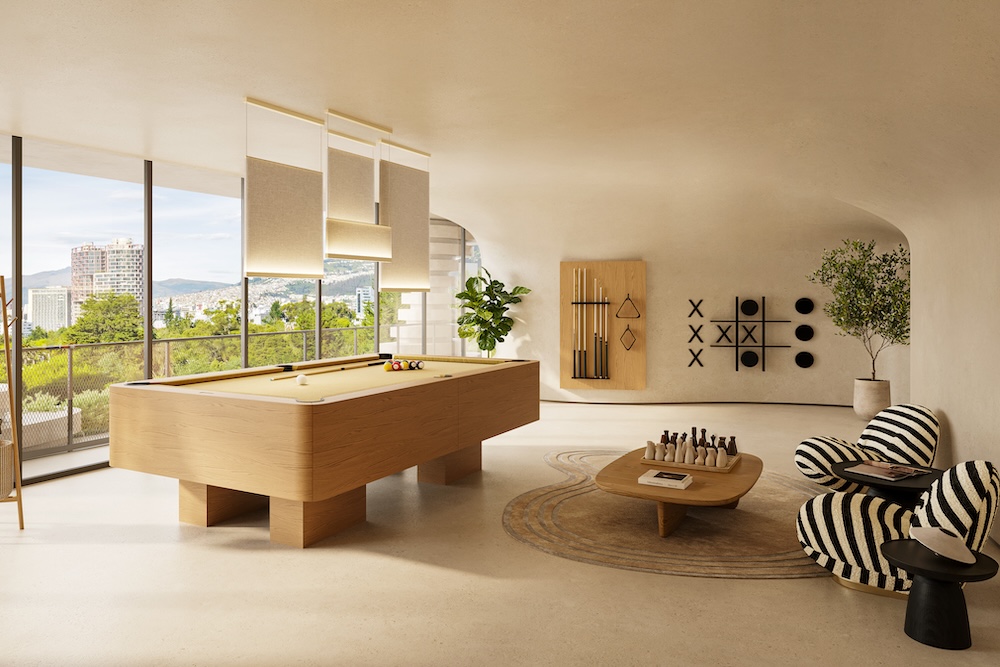
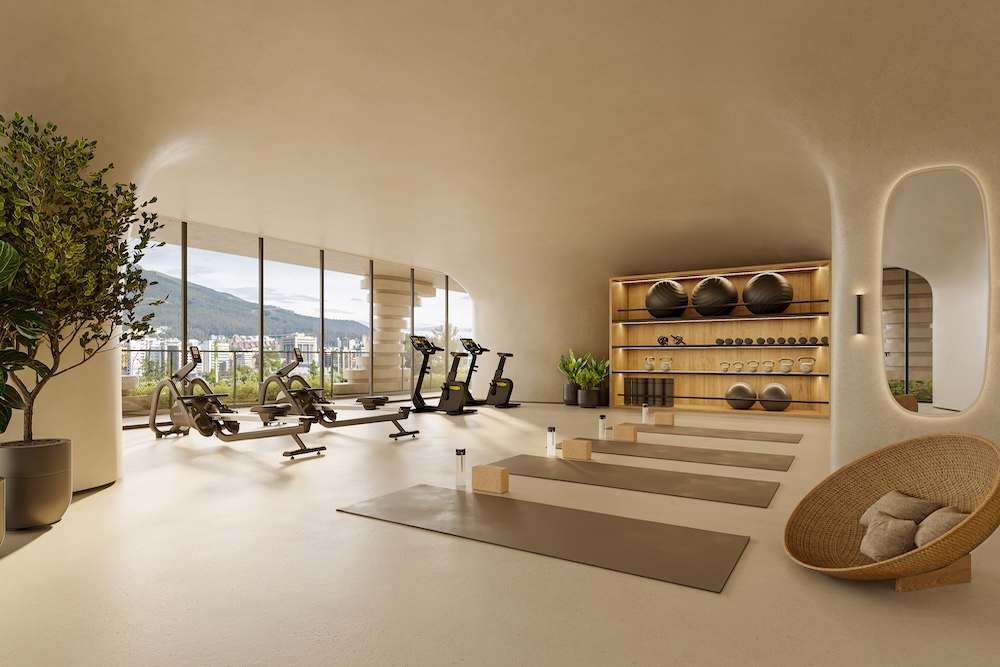
This organic design philosophy extends seamlessly into the interior spaces. Curved forms and a serene, natural color palette are employed throughout, complemented by abundant indoor planting. The overarching aim is to create an atmosphere of tranquility and a profound sense of connection to nature, even within the bustling urban core.
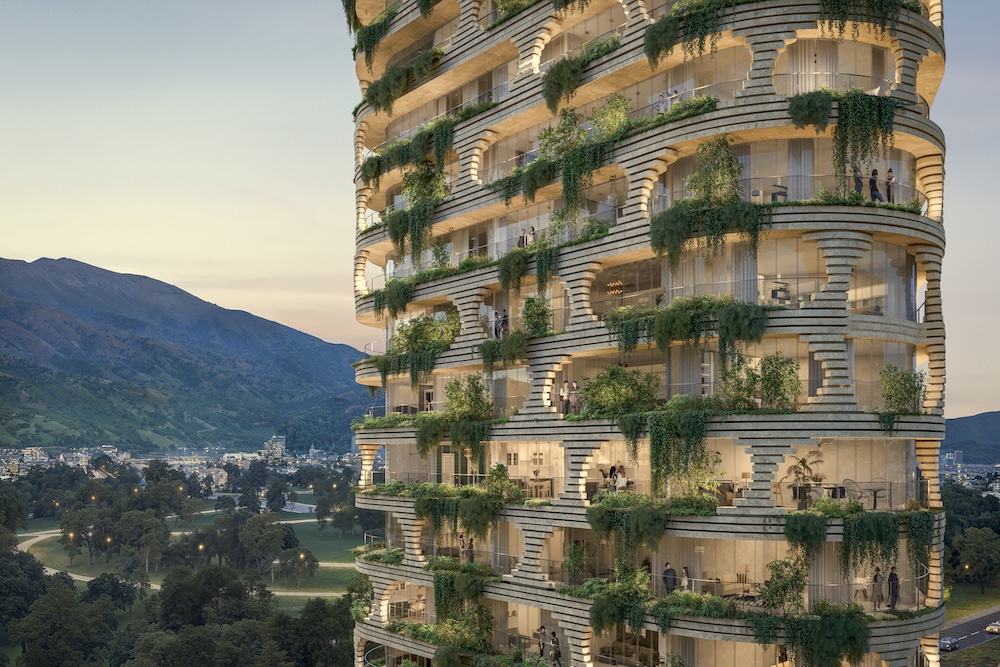
Kengo Kuma, founder of Kengo Kuma & Associates, articulated his vision for the project, stating, "I have long been interested in the similarities between ancient ceramics in Japan and Ecuador—their shared sensitivities to form and the valorization of natural material. With Qapital, that focus on nature and texture became the starting point for the design, visible through the building’s carved façade and the weaving of nature into the heart of the city." This statement underscores a deliberate effort to bridge cultural and aesthetic dialogues through architecture, finding common ground in the appreciation of natural materials and artisanal craftsmanship.
Elevated Amenities and Urban Living at Qapital
Qapital is designed to cater to a modern, dynamic urban lifestyle, offering a diverse range of amenities and living spaces. The ground floor will feature three commercial units, providing retail and service options for residents and the wider community. Above these commercial spaces, the tower will house 509 micro-studio apartments, ranging in size from a compact 226 to a still efficient 389 square feet. These units are designed for urban dwellers seeking a sophisticated and convenient living experience.
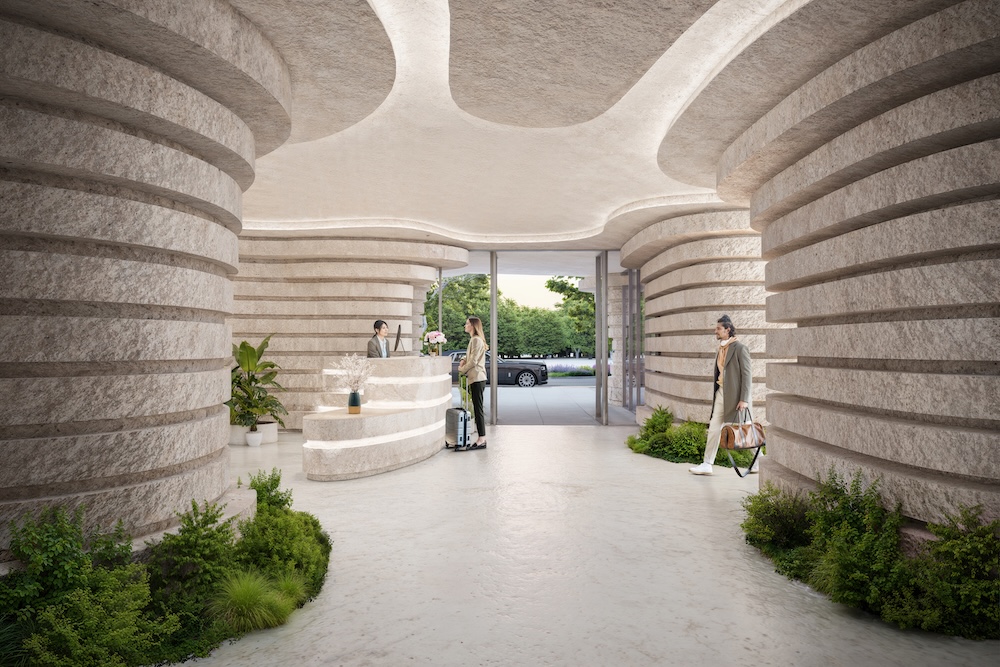
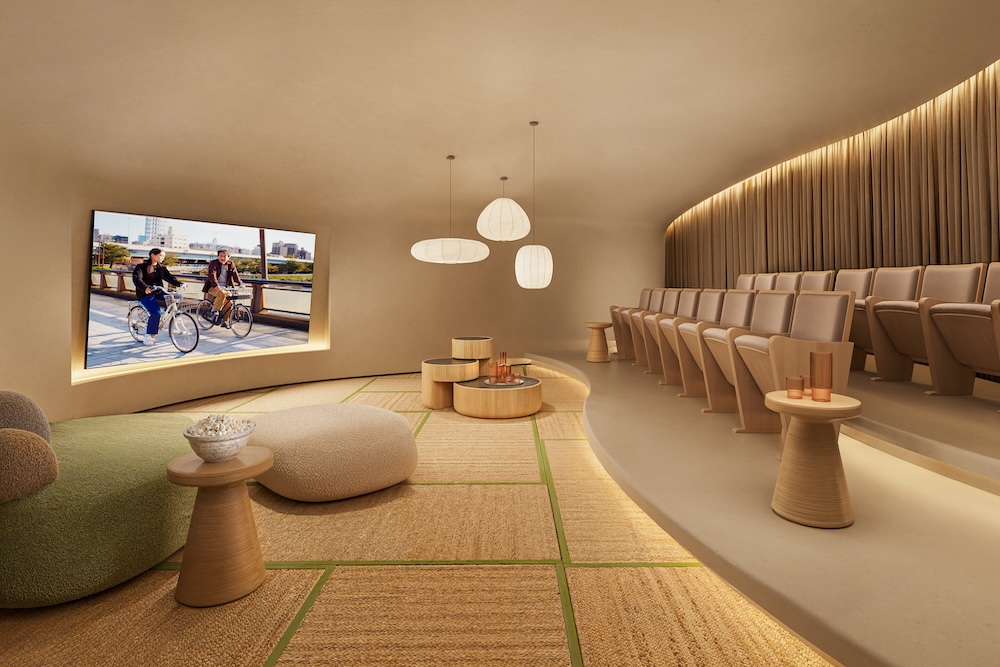
Residents will benefit from a comprehensive suite of exclusive amenities designed to enhance their well-being and leisure. These include a dedicated wellness area, a state-of-the-art fitness center, a private cinema for entertainment, a game room for recreation, and a specialized pet spa, catering to the needs of animal companions.
The apex of Qapital will be its expansive rooftop terrace, a crowning feature offering breathtaking views and a luxurious recreational space. This area will boast an outdoor swimming pool, further distinguished by a stunning Fornasetti mosaic. This detail is particularly noteworthy, marking the first project in South America for the renowned Italian luxury brand, adding an international flair and artistic distinction to the development.
Project Timeline and Development Context
The conception and planning of Qapital represent a multi-year endeavor, with the project entering its design and development phase following extensive market research and site selection by Uribe Schwarzkopf. The developer, known for its commitment to innovative and high-quality urban projects in Ecuador, sought an architectural partner capable of translating its vision into a globally recognized design. The selection of Kengo Kuma & Associates, a firm celebrated for its nature-inspired and materially sensitive designs, signals a strategic move to elevate Ecuador’s architectural landscape.
The initial feasibility studies and conceptual designs were likely undertaken between 2020 and 2022, with formal announcements and partnership solidification occurring in early 2023. Construction is anticipated to commence in late 2024 or early 2025, following the necessary permitting and regulatory approvals. The projected completion date of 2029 allows for a meticulous construction process, ensuring the highest standards of quality and execution.
This project aligns with a broader trend of significant urban development in Quito’s central business district, which has seen increased investment in residential and commercial properties over the past decade. The area is a hub for national and international businesses, attracting a growing population of young professionals and expatriates seeking modern living solutions. Qapital’s location opposite La Carolina Park, a vital green lung in the city, further enhances its appeal, offering residents direct access to recreational spaces and a respite from the urban environment.
Economic and Urban Implications
The development of Qapital is expected to have several significant implications for Quito’s economy and urban fabric. Firstly, it represents a substantial foreign investment in the Ecuadorian real estate sector, contributing to job creation during the construction phase and ongoing employment opportunities in the management and commercial sectors once operational. The project’s scale, with 509 residential units and commercial spaces, is poised to stimulate economic activity within the surrounding neighborhood.
Secondly, the architectural caliber of the project, spearheaded by a globally recognized firm like Kengo Kuma & Associates, is expected to enhance Quito’s reputation as a destination for innovative and high-quality architecture. This can, in turn, attract further international investment and tourism, positioning the city as a more dynamic and desirable urban center in Latin America. The integration of luxury elements, such as the Fornasetti mosaic, further elevates the project’s profile.
From an urban planning perspective, Qapital’s mixed-use nature addresses the growing demand for integrated living and working spaces. By providing micro-studio apartments alongside commercial units, the development promotes a more efficient use of urban land and encourages a pedestrian-friendly environment. The emphasis on green spaces and natural integration also contributes to the city’s efforts towards creating more sustainable and livable urban environments, aligning with global trends in biophilic design.
Statements and Reactions
While specific official statements from Uribe Schwarzkopf beyond Kengo Kuma’s quote have not been publicly released regarding the Qapital project, the developer’s reputation for delivering landmark projects in Ecuador suggests a strong commitment to the development’s success. Uribe Schwarzkopf has previously collaborated with internationally renowned architects, indicating a strategic approach to architectural excellence.
The Ecuadorian Ministry of Tourism and National Development, while not directly involved in private development, would likely view Qapital favorably. Such projects contribute to the nation’s economic growth, enhance its urban infrastructure, and promote Ecuador on the international stage. An increase in high-profile architectural projects can also bolster the country’s appeal to investors and skilled professionals.
The local community surrounding La Carolina Park may anticipate both benefits and potential challenges. Increased development can lead to enhanced amenities and economic opportunities. However, concerns regarding traffic congestion, strain on local infrastructure, and changes to the neighborhood’s character are common with large-scale urban projects. The thoughtful integration of green spaces and community-focused amenities within Qapital could help mitigate some of these concerns.
Broader Impact and Future Outlook
Qapital stands as more than just a residential and commercial tower; it represents a convergence of international design prowess and local development ambition. The project’s success will likely hinge on its ability to deliver on its promises of high-quality living, seamless integration with the natural environment, and robust amenities.
The detailed attention to materials, form, and the integration of nature, as espoused by Kengo Kuma, sets a precedent for future developments in Quito and potentially across Ecuador. This emphasis on biophilic design and cultural resonance is increasingly important in addressing the environmental and social challenges of urbanization.
As Quito continues to grow and evolve, projects like Qapital are crucial in shaping its future identity. The tower’s distinctive design, its strategic location, and the caliber of its collaborators position it as a landmark development that could inspire further architectural innovation and contribute significantly to the city’s enduring appeal as a vibrant and culturally rich urban center. The successful realization of Qapital in 2029 will undoubtedly be a testament to forward-thinking development and a commitment to architectural excellence in the heart of South America.


 Anjar Salim
 Chandra Hamzah
 Tatiana Tantri Indah Sari
 Budi Mulyono
 Lukman Taruna Persada Ramadan
