
 Gabriela Annisa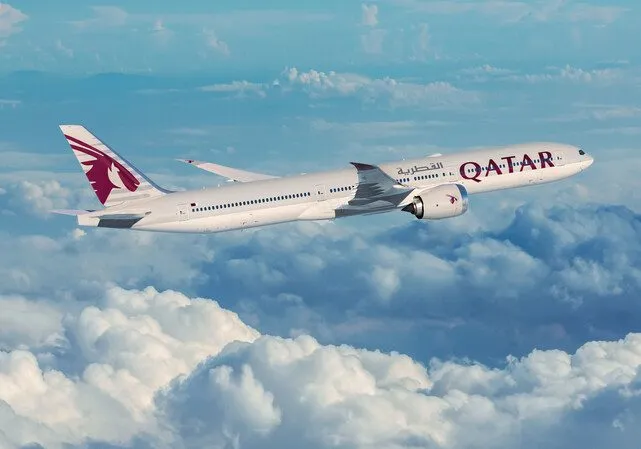
The landscape of Middle Eastern aviation is undergoing a period of intense transformation, marked by the strategic evolution of legacy carriers and the robust financial performance of regional low-cost entrants. Recent discussions hosted on the Airline Weekly Lounge podcast have underscored two primary industry developments: the shifting operational priorities at Qatar Airways ahead of the upcoming Skift Global Forum and the sustained profitability of Kuwait’s Jazeera Airways during the second quarter of the fiscal year. These developments serve as a microcosm for the broader trends currently shaping the Middle East travel sector, which is increasingly becoming a focal point for global aviation investment and strategic planning.
The Strategic Trajectory of Qatar Airways
As Qatar Airways prepares for a high-profile appearance at the Skift Global Forum in New York, industry analysts are focusing on the airline’s ongoing transition under its leadership. Hamad Ali Al-Khater, serving in a key executive capacity, is expected to outline the carrier’s vision for navigating a volatile global market. Qatar Airways has historically positioned itself as a bridge between East and West, utilizing its Doha hub to facilitate seamless connectivity between major global markets.
The airline’s recent strategy has been characterized by a dual focus: expanding its network reach and investing heavily in product differentiation. Following a period of global expansion, the carrier is now prioritizing the integration of new-generation aircraft, including the Airbus A350 and Boeing 787 fleets, to optimize fuel efficiency and reduce operational costs. This focus on modernization is critical, as legacy carriers face increasing pressure from both regional competitors and international airline alliances.
Furthermore, Qatar Airways continues to maintain its footprint through strategic equity stakes in other global carriers, such as International Airlines Group (IAG) and LATAM Airlines. This "hub-and-spoke" investment model allows the airline to maintain global influence without the need for total operational control, a strategy that has provided a hedge against localized economic downturns. Analysts suggest that the upcoming Forum appearance will likely touch upon the carrier’s commitment to sustainable aviation fuels (SAF) and its digital transformation efforts aimed at enhancing the passenger experience through personalized booking journeys.
Financial Resilience at Jazeera Airways
While Qatar Airways occupies the upper echelon of premium long-haul travel, the narrative in Kuwait tells a story of distinct success within the low-cost carrier (LCC) segment. Jazeera Airways, Kuwait’s first private airline, has reported impressive profitability for the second quarter, demonstrating the strength of the regional demand for affordable, short-haul connectivity.
The Q2 financial results for Jazeera Airways reflect a broader trend of market recovery within the Gulf Cooperation Council (GCC) countries. With a fleet focused primarily on A320neo family aircraft, the airline has successfully capitalized on the high demand for leisure and pilgrimage travel. The carrier’s ability to maintain high load factors during the second quarter—a period often sensitive to seasonal shifts—suggests that the LCC model remains highly resilient even as broader economic indicators show signs of softening.
Key factors contributing to this performance include disciplined cost management and a strategic focus on underserved routes. By targeting regional destinations that are either bypassed by major network carriers or underserved by existing competition, Jazeera Airways has carved out a profitable niche. The airline’s commitment to expanding its route map into Central Asia and the Indian subcontinent has provided a diversified revenue stream, reducing its reliance on any single market.
Chronology of Recent Aviation Developments in the Middle East
The current state of Middle Eastern aviation is the culmination of several years of strategic pivoting and recovery efforts. The following timeline captures the recent trajectory of the industry:
- 2021-2022: The post-pandemic recovery phase, during which regional carriers focused on restoring network connectivity and managing labor shortages.
- Late 2023: A significant shift in regional strategy as airlines began to emphasize "yield over volume," moving away from aggressive expansion toward profitable growth.
- Q1 2024: Persistent inflationary pressures led to a rise in operational costs, forcing airlines to implement more rigorous fuel hedging strategies and dynamic pricing models.
- Q2 2024: The current reporting cycle shows divergence, with legacy carriers like Qatar Airways refining their premium offerings and LCCs like Jazeera Airways reporting record or near-record margins due to strong regional demand.
Data Analysis and Market Performance
The Skift Travel 200 (ST200) index provides a comprehensive view of how these companies are performing against a backdrop of global economic uncertainty. The ST200, which tracks the financial health of nearly 200 travel companies, indicates that airline stocks have experienced mixed results year-to-date. While network carriers have seen volatility stemming from rising jet fuel prices and geopolitical tensions, the LCC sector has remained relatively buoyant.
Data points from the current fiscal year indicate that fuel prices remain the single largest variable cost for Middle Eastern carriers. According to recent market analysis, jet fuel prices have fluctuated within a range that necessitates high operational efficiency for profitability. For Jazeera Airways, the utilization of A320neo aircraft has provided a critical advantage, as these planes offer a significant reduction in fuel burn per seat compared to older generation narrowbodies.
For Qatar Airways, the focus is on maximizing Revenue Per Available Seat Kilometer (RASK). By utilizing its hub in Doha to aggregate passengers from high-growth markets like India and Africa, the airline maintains a high load factor that allows it to offset the higher operational costs associated with maintaining a premium, full-service product.
The Broader Implications for Global Aviation
The divergence between the strategies of Qatar Airways and Jazeera Airways illustrates the bifurcated nature of the modern airline industry. The global market is increasingly segmenting into premium, high-service long-haul operators and lean, high-frequency, low-cost short-haul providers.
The implications of this are twofold:
- Consolidation and Partnerships: The industry is moving toward a model where competition is being replaced by strategic alliances. We are seeing more codeshare agreements and interline partnerships that allow full-service carriers to feed their networks with traffic generated by regional LCCs.
- Technological Integration: Both Qatar Airways and Jazeera Airways are investing heavily in the "digital retail" side of aviation. The shift toward New Distribution Capability (NDC) protocols is enabling airlines to better personalize offers for passengers, a move that is expected to increase ancillary revenue—a vital component for maintaining margins during periods of high inflation.
Official Perspectives and Industry Outlook
While specific executive statements from the upcoming Skift Global Forum remain under wraps, industry observers anticipate that the core theme of the dialogue will be the "Future of Global Connectivity." The consensus among aviation experts is that the Middle East is no longer just a transit point; it is becoming a destination in its own right, supported by massive infrastructure projects and government initiatives aimed at diversifying regional economies away from oil.
For Qatar Airways, the challenge will be to maintain its premium reputation while simultaneously addressing the growing demand for sustainable travel. For Jazeera Airways, the challenge will be scaling its operations to meet rising demand without diluting the efficiency that has driven its recent financial successes.
In conclusion, the aviation landscape in the Middle East is currently defined by a balance of scale and agility. The high-level discussions regarding Qatar Airways’ strategy and the concrete financial successes of Jazeera Airways highlight a region that is effectively leveraging its geographic position. As these companies head into the second half of the year, their ability to navigate the complexities of global fuel markets, supply chain constraints, and changing consumer preferences will remain the primary drivers of their success in the competitive international aviation arena. The upcoming Skift Global Forum will likely serve as the definitive stage for these leaders to clarify their strategies for the year ahead, providing the industry with a clearer view of the challenges and opportunities that lie on the horizon.




 Anjar Salim
 Chandra Hamzah
 Tatiana Tantri Indah Sari
 Budi Mulyono
 Lukman Taruna Persada Ramadan
