
 Gabriela Annisa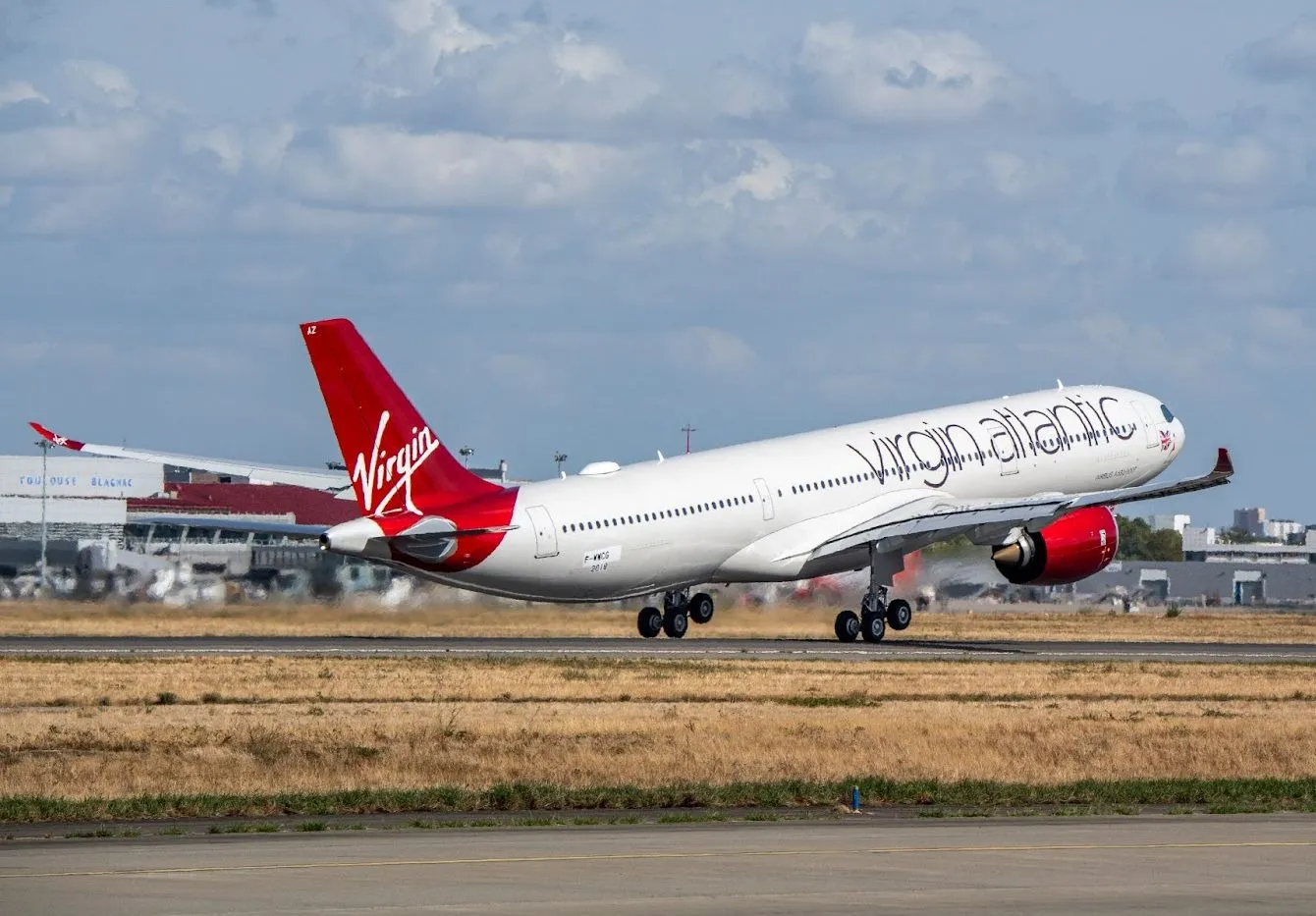
As the global aviation sector continues to navigate a complex landscape of shifting consumer demand, supply chain constraints, and aggressive sustainability mandates, the industry’s foremost leaders are preparing to convene at the Skift Global Forum 2026. Scheduled to take place in New York City from September 22 to September 24, the summit serves as a critical juncture for airline executives to align on strategies for the remainder of the decade. Among the marquee participants are Air Canada and Virgin Atlantic, two carriers that represent distinct segments of the international market—the former as a dominant North American network carrier and the latter as a boutique long-haul specialist.
The Strategic Importance of Skift Global Forum 2026
The Skift Global Forum has long been regarded as a bellwether for the travel industry, moving beyond mere logistics to address the intersection of technology, consumer behavior, and macroeconomic policy. The 2026 edition arrives at a pivotal moment. The post-pandemic recovery phase has largely concluded, replaced by a "new normal" characterized by elevated operational costs and a hyper-competitive landscape for premium travel segments.
For industry analysts and investors, the presence of Air Canada and Virgin Atlantic executives in New York provides a rare window into how legacy and hybrid carriers are restructuring their balance sheets to accommodate the twin pressures of decarbonization and fleet modernization. The forum provides a platform for these leaders to articulate their long-term vision, particularly regarding how they plan to retain market share in an era where low-cost carriers are increasingly encroaching on traditional transatlantic routes.
Air Canada: Navigating the North American Corridor
Air Canada enters the 2026 forum with a robust mandate to leverage its strategic geography. Positioned as a premier bridge between Asia, Europe, and the Americas, the airline has spent the last three years refining its hub-and-spoke model at Toronto Pearson, Vancouver, and Montreal-Trudeau.
Operational Evolution
Historically, Air Canada’s growth was defined by the aggressive expansion of its wide-body fleet, specifically the Boeing 787 Dreamliner and Airbus A330 series. As of late 2026, the carrier is focusing on digital transformation, utilizing artificial intelligence to streamline ground operations and optimize fuel consumption—a necessity given the rising price of Sustainable Aviation Fuel (SAF).
Market Positioning
Data indicates that Air Canada’s premium cabins remain its most significant revenue driver. By integrating localized service standards and expanding its Aeroplan loyalty program, the airline has managed to maintain high yields despite the broader economic cooling observed in the first two quarters of 2026. Analysts expect the forum discussion to center on how the airline plans to maintain this premium positioning while managing the inflationary pressures on its labor force and maintenance, repair, and overhaul (MRO) expenses.
Virgin Atlantic: The Boutique Challenger
Conversely, Virgin Atlantic occupies a unique space in the aviation ecosystem. Known for its distinct brand identity and focus on the "customer experience," the airline has successfully navigated the post-COVID environment by tightening its focus on high-value business routes.
Fleet Modernization and Sustainability
Virgin Atlantic has been at the forefront of the industry’s push for net-zero carbon emissions by 2050. The carrier’s recent commitment to the Airbus A330-900neo, which offers a 25% reduction in fuel consumption and CO2 emissions compared to previous-generation aircraft, is a central pillar of its strategy. At the Skift Global Forum, observers anticipate updates on the carrier’s transition to SAF and how it intends to harmonize its environmental targets with the necessity of maintaining competitive ticket pricing.
The Transatlantic Tug-of-War
The competition between Virgin Atlantic and its rivals on the London-to-New York corridor remains the most fiercely contested in global aviation. As a key partner in the Atlantic Joint Venture, Virgin Atlantic’s performance is intrinsically linked to the broader health of the transatlantic market. The forum will provide an opportunity for the leadership team to explain how they are countering the rise of independent, low-cost long-haul competitors that have begun to undercut pricing on key leisure-heavy routes.

Chronology of Industry Shifts: 2024–2026
To understand the weight of the upcoming forum, one must examine the timeline of the industry’s recent evolution:
- Late 2024: The aviation industry experiences a surge in demand that strains existing MRO supply chains, leading to widespread flight delays and equipment shortages.
- Early 2025: Significant capital expenditure announcements are made by major carriers as they rush to secure delivery slots for next-generation, fuel-efficient narrow-body and wide-body jets.
- Late 2025: The global focus shifts toward the implementation of stricter environmental regulations, with airlines facing increased pressure from both governments and institutional investors to demonstrate progress toward sustainability.
- Q1–Q2 2026: A period of economic volatility leads to a slight softening in corporate travel demand, forcing airlines to pivot toward "bleisure" (business and leisure combined) travel trends to fill capacity.
- September 2026: The Skift Global Forum serves as the industry’s primary forum to evaluate the success of these pivots and set the trajectory for 2027.
Data and Analytical Implications
The airline industry is currently dealing with a dual-pressure environment. According to recent aviation sector reports, global seat capacity has returned to 2019 levels, yet profitability remains inconsistent due to a 15–20% increase in average operating costs.
| Metric | Industry Trend (2026) |
|---|---|
| Fuel Costs | Up 8% YOY (Driven by SAF requirements) |
| Labor Costs | Up 12% YOY (Following major contract renewals) |
| Premium Demand | Stable (Focus on Business/First class) |
| Fleet Age | Decreasing (Focus on A350/787/A330neo) |
The implications for investors are clear: airlines that demonstrate "operational agility"—the ability to scale capacity up or down rapidly without incurring massive fixed-cost penalties—are the ones poised to survive the coming cycle. Air Canada and Virgin Atlantic are frequently cited in financial analyses as leaders in this specific capability, thanks to their modernized fleets and sophisticated revenue management software.
Official Perspectives and Industry Reactions
While specific announcements for the Skift Global Forum are often kept under embargo, industry spokespeople have indicated that the focus will be on "resilience and reinvention."
"The industry is no longer in recovery mode," noted one industry analyst. "We are in a cycle of maturation. Every decision made by the executives at this forum—whether it’s about new routes, sustainability partnerships, or digital service integration—will have a multi-year impact on their respective share prices."
Representatives from both Air Canada and Virgin Atlantic have hinted that their respective sessions will delve into the challenges of the "connected traveler." As passengers increasingly expect a seamless, app-driven experience from booking to baggage claim, the technological backend of these airlines is becoming as important as the physical aircraft themselves.
The Path Forward: Beyond New York
As the aviation world turns its eyes toward New York in late September, the overarching question remains: can the legacy airline model evolve fast enough to satisfy the demands of a changing global demographic?
For Air Canada, the challenge lies in balancing its massive network reach with the need for individualization. For Virgin Atlantic, the task is to maintain its "cool factor" while operating in a capital-intensive environment that penalizes any deviation from strict efficiency.
The Skift Global Forum 2026 will not merely be a series of presentations; it will serve as a strategic summit that defines the operational blueprints for the next three years. With the participation of these industry giants, the forum is positioned to provide the most comprehensive look at the future of flight, from the tarmac to the boardroom. Attendees and the global public can expect a candid look at the hurdles ahead, ranging from geopolitical instability to the urgent, ongoing race toward true aviation sustainability.
As the calendar approaches September 22, the aviation sector stands at a crossroads, and the insights provided by the leadership at Air Canada and Virgin Atlantic will be vital in navigating the turbulence of the current global economy.




 Anjar Salim
 Chandra Hamzah
 Tatiana Tantri Indah Sari
 Budi Mulyono
 Lukman Taruna Persada Ramadan
