
 Chandra Hamzah
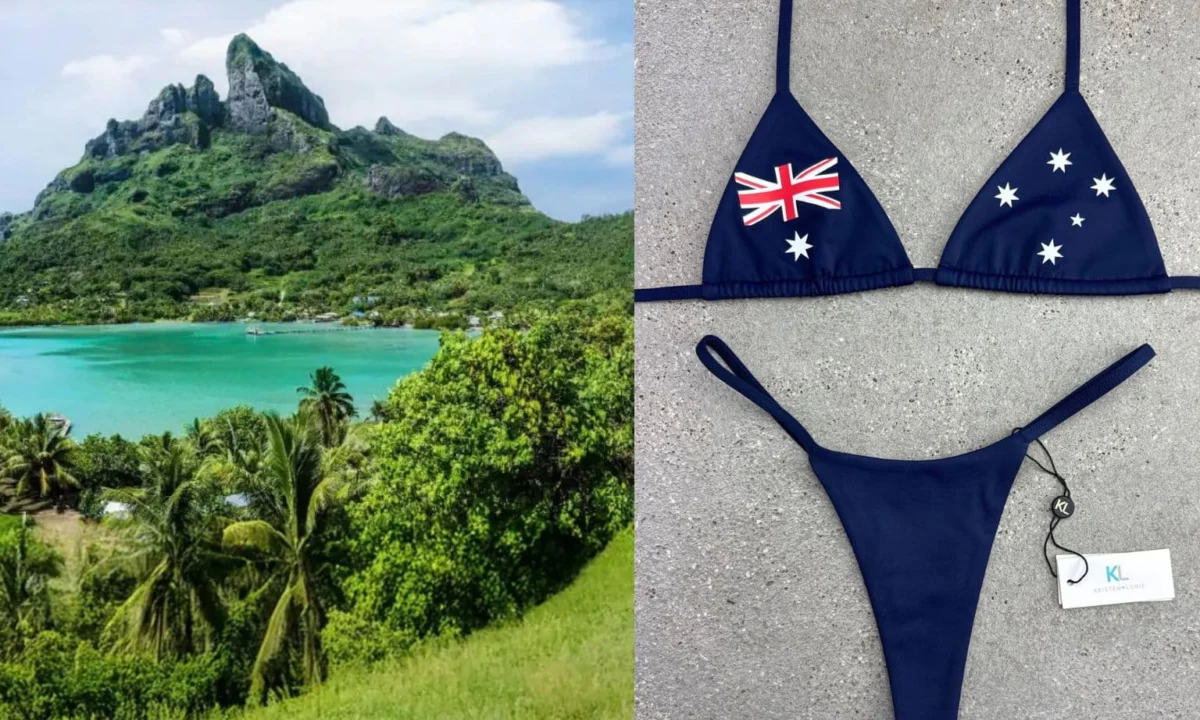
As the Australian summer cruise season reaches its peak, more than one million passengers are expected to embark on voyages departing from domestic ports. While the industry is experiencing a post-pandemic surge in popularity, with itineraries ranging from Queensland coastal trips to circumnavigations of the continent and voyages to New Zealand and the South Pacific, a growing tension has emerged regarding the conduct of visitors. Cruise lines, including Royal Caribbean, Celebrity Cruises, Carnival Cruise Line, and Princess Cruises, have found themselves navigating a delicate balance between facilitating guest satisfaction and maintaining positive relations with the host communities of the South Pacific.
At the heart of the friction is the issue of appropriate attire. In many South Pacific island nations, the local culture is deeply rooted in conservative, religious values that prioritize modesty in public spaces. The disconnect between the relaxed, "resort-style" expectations of many Australian cruisers and the cultural norms of these islands has led to documented incidents of conflict. Specifically, the frequent display of revealing swimwear—such as g-strings and beach-only attire—in town centers and residential areas has prompted formal warnings from local authorities and cruise operators alike.
The Cultural Divide: A Growing Concern for Island Nations
The Pacific islands are distinct, not only in their geography but in their social expectations. For many residents of islands like Lifou, which serves as a major port of call for Carnival, Celebrity, and Princess ships, the town center is not merely a tourist destination but a living space. When visitors arrive from the ship wearing minimal beachwear, it is frequently perceived as an act of cultural insensitivity.
The issue is not merely one of etiquette; it is an economic and social sustainability concern. Leaders in these regions have expressed fears that if the influx of cruise tourism continues to be characterized by what they deem "disrespectful behavior," the social cost of hosting these vessels may eventually outweigh the economic benefits. Should these communities decide that the disruption to their social fabric is too great, they possess the agency to restrict or entirely ban cruise ship access, a move that would be catastrophic for regional cruise itineraries.
One Cruise Passenger reader summarized the sentiment of the community in a recent statement: "They did not cover up. It was rude and disrespectful and the cruise line should not have allowed them off the ship dressed like that. It will ruin it for everyone if people don’t respect the culture."
Chronology of Tensions and Official Responses
The escalation of these complaints did not happen overnight. Over the past two years, there has been a noticeable increase in reports from local residents regarding tourists failing to adhere to local standards of dress.
- Early 2023: Initial reports emerge from regional ports regarding tourist behavior, with local village councils beginning to raise concerns with cruise line liaison officers.
- Mid-2023: Cruise operators begin including "cultural awareness" sections in their daily newsletters and shore excursion briefings.
- Late 2023: Warnings are issued by multiple cruise lines via onboard announcements, explicitly asking guests to cover up when leaving the vessel.
- Summer 2024: Persistent reports of non-compliance lead to discussions between cruise executives and local government officials regarding the potential implementation of stricter enforcement measures.
Despite these warnings, the trend of flouting dress codes continues. Cruise lines are now under pressure to act as de facto enforcers of local customs. While some operators provide "cover-up" kits or sarongs for passengers at the gangway, the effectiveness of these measures remains under scrutiny. The consensus among travel experts is that the onus lies with the passenger to conduct independent research on the cultural norms of their destination before arrival.
Comparative Analysis: Overtourism vs. Cultural Disrespect
In the global cruise landscape, complaints from local communities are common, but they typically follow two distinct patterns. In major European hubs like Venice, Barcelona, or Dubrovnik, as well as in Alaskan ports like Juneau, the primary grievance is "overtourism." In these locations, residents are concerned with the sheer volume of cruise passengers—crowding, infrastructure strain, and the environmental impact of large vessels.

Conversely, the complaints in the South Pacific are qualitatively different. They are rarely about the number of tourists, but rather the behavior and perceived lack of respect for the local culture. This distinction is vital for Australian travelers to understand. Unlike an Alaskan port where a town might be crowded by 10,000 visitors in a day, a small South Pacific village might only see a fraction of that number, yet the negative impact of one improperly dressed visitor can be perceived as an insult to the entire community’s religious and social values.
Global Precedents for Dress Code Regulations
The South Pacific is not an outlier in its desire to regulate public decency. Across Europe and Asia, authorities have moved to codify expectations for tourist conduct through legislation and fines.
Italy: The Fight for Public Decency
In Varenna, on the shores of Lake Como, municipal authorities enacted strict regulations on June 27, 2026, to curb the "tourist-as-beachgoer" mindset. The policy explicitly prohibits bare chests and swimwear throughout the municipality, with the exception of designated beach and dock areas. Violators face fines between €50 and €200. Sorrento implemented similar, earlier measures in 2022, with authorities arguing that walking through city streets in swimwear undermines the "public decency" of the town, carrying penalties of up to €500.
The Adriatic and Mediterranean Response
Croatia has also taken a firm stance. Australian government travel advisories now include warnings for citizens visiting coastal towns, noting that tourists are frequently fined for walking shirtless or in swimwear in areas marked by prohibition signs. Dubrovnik has gone further, with official visitor guidance urging tourists to respect the city’s status as a historic and residential center by avoiding beachwear in the Old Town.
Sacred Sites and Cultural Sensitivity
In major religious and cultural centers, dress codes are non-negotiable. The Vatican strictly enforces standards requiring modest dress, including sleeved shirts and coverage for the knees, at all its museums and sacred sites. Similarly, Bangkok’s Grand Palace maintains a rigorous ban on sleeveless shirts, cropped tops, and tight or torn trousers. In Abu Dhabi, the Sheikh Zayed Grand Mosque requires that visitors adhere to a conservative dress code, with women expected to cover their hair and wear loose-fitting clothing that reaches the wrists and ankles.
Implications for the Future of Cruise Travel
The implications for the cruise industry are clear: the era of "anything goes" on shore leave is rapidly closing. As global tourism rebounds to pre-pandemic levels, host communities are becoming more empowered to protect their cultural integrity.
For the Australian cruise passenger, this means a shift in preparation is required. The days of simply packing a swimsuit and a pair of sandals for a South Pacific island visit are over. Experts recommend that passengers adopt a "layered" approach to their shore-side wardrobe. This includes carrying a lightweight, versatile shirt, a pair of trousers or a long skirt, and a scarf or sarong in a shore bag. These items can be easily added over swimwear when transitioning from the beach to a local village.
Furthermore, cruise lines are expected to increase their investment in communication. This may involve mandatory pre-excursion briefings that emphasize cultural sensitivity, not as a suggestion, but as a condition of visiting the port. Should these measures fail to reduce the friction, it is highly probable that we will see the implementation of stricter penalties, potentially including the denial of shore leave for those who refuse to adhere to the requested standards.
Ultimately, the future of the South Pacific cruise route depends on a mutual agreement between the operator, the passenger, and the host. The islands provide a unique, pristine experience that is highly valued by Australians; in return, the visitors must provide the respect that the local communities deserve. As the current season progresses, the industry will be watching closely to see if the message of cultural awareness is finally heard, or if more draconian measures will be required to preserve the viability of these popular, yet sensitive, destinations.



 Gabriela Annisa

 Lukman Taruna Persada Ramadan

 Tatiana Tantri Indah Sari

 Anjar Salim


 Dwi Wanna
