
 Chandra Hamzah
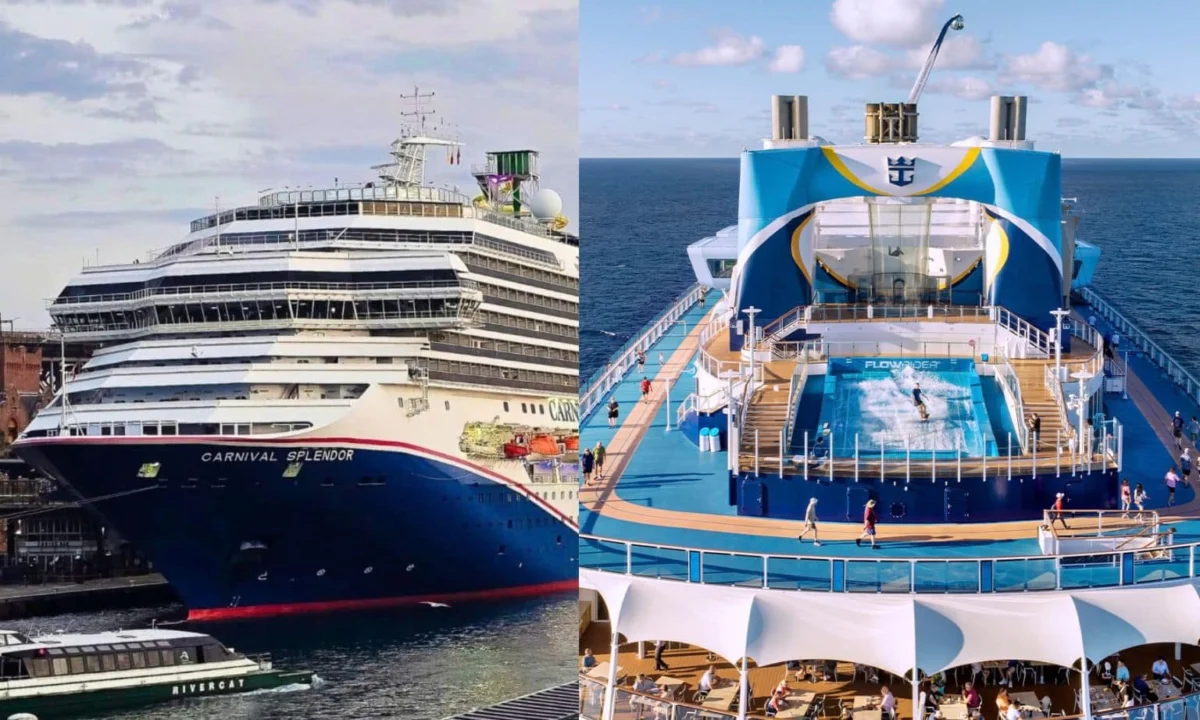
The Australian tourism sector is currently recalibrating in response to a complex macroeconomic environment defined by persistent inflation, elevated interest rates, and shifting consumer sentiment. Recent data from the Tourism and Transport Forum (TTF) indicates that the cost-of-living crisis is fundamentally altering domestic holiday habits. Approximately 16 per cent of Australians are now opting for truncated travel itineraries, while 15 per cent are intentionally selecting destinations closer to their home ports to mitigate rising transportation and accommodation expenses.
As households tighten their discretionary spending, the cruise industry has positioned short-duration voyages—typically ranging from two to five nights—as a pragmatic alternative to traditional long-haul vacations. These "seacations" offer a bundled value proposition, encompassing transport, dining, and entertainment, which provides a level of financial predictability that is increasingly attractive to budget-conscious travelers.
Macroeconomic Drivers and Consumer Sentiment
The Australian economy is facing a confluence of pressures that have curtailed household disposable income. Inflation, which has hovered around the four per cent mark, has been exacerbated by global supply chain disruptions and geopolitical instability, specifically the ongoing conflict in the Middle East. The resulting volatility in energy markets has translated directly into higher fuel surcharges for aviation and increased petrol prices for domestic travelers.
Concurrently, the Reserve Bank of Australia’s cycle of interest rate hikes has placed significant strain on mortgage holders. Analysis from financial institutions suggests that the average household is allocating a higher percentage of income toward debt servicing than at any point in the last decade. This "squeeze" has led to a noticeable contraction in the travel industry, with consumers pivoting away from high-ticket international luxury travel toward cost-effective, domestic alternatives.

"The current travel landscape is defined by efficiency," says a representative from a leading industry analysis firm. "Consumers are looking for ‘micro-vacations’—short bursts of travel that allow for psychological detachment from daily stressors without the financial burden of extended overseas trips."
The Rise of the Short-Duration Cruise
The surge in popularity of short-haul cruises is not merely a reaction to cost pressures; it is also a reflection of changing time-poor lifestyles. Cruise lines, including Carnival, Royal Caribbean, Princess, and Celebrity, have responded to this demand by expanding their weekend and mid-week sailing schedules.
These itineraries are designed to maximize the guest experience within a condensed timeframe. By removing the need for airport transit and long-haul logistics, these voyages allow passengers to begin their holiday immediately upon embarkation. The industry has noted a distinct trend toward these "taster" cruises, which often serve as a bridge for younger demographics or first-time cruisers who may be hesitant to commit to a multi-week voyage.
Detailed Itinerary Outlook for the 2026-2027 Season
As the 2026-2027 cruise season progresses, availability remains concentrated around major Australian hubs. Operators have strategically deployed vessels to Sydney, Brisbane, and Melbourne to capture the regional market.
Sydney Departures
Sydney remains the primary gateway for the Australian cruise market, hosting a diverse array of short-haul options:

- Carnival Cruise Line: Offers a variety of two-to-five-night getaways, including a high-demand New Year’s Eve "cruise to nowhere," as well as specialized voyages to Tangalooma (Moreton Island), Auckland, and the Tasmanian coast.
- Royal Caribbean: Focuses on premium short-break experiences, with three-night Sydney getaways and four-night Hobart itineraries on the Anthem.
- Princess Cruises: Maintains a strong presence with "Seacations" focusing on the Sapphire Coast and regional New Zealand.
- Celebrity Cruises & Norwegian Cruise Line: Both lines have diversified their offerings with four-night Tasmanian voyages, leveraging the popularity of the island state as a premium short-stay destination.
Brisbane Departures
The Port of Brisbane has seen an increase in capacity, particularly for the Queensland coastal market:
- Carnival Cruise Line: Provides three-night getaway sailings and four-night itineraries to Airlie Beach, facilitating access to the Whitsundays.
- Royal Caribbean: Operates the Quantum, offering three-night getaways and four-night Whitsunday expeditions.
- Princess Cruises: Offers two-night Seacations and four-night Hunter Coast voyages.
Melbourne Departures
While Melbourne’s short-haul market is more specialized, it remains a critical hub for regional exploration:
- Carnival Cruise Line: Offers two-day getaway cruises and four-day journeys to Kangaroo Island, providing a boutique experience for the Southern Australian market.
Economic Implications and Industry Analysis
The shift toward short-haul cruising carries broader implications for the Australian tourism economy. By retaining travel spend within the domestic maritime sector, these cruise lines are effectively insulating a portion of the tourism industry from the volatility of international flight pricing.
However, the industry is not immune to the labor market shifts currently unfolding. Economists have noted that as unemployment rates show potential for a slight uptick, the discretionary travel sector may face a secondary wave of pressure. If the cost of living continues to climb, even short-haul cruises may experience a dip in demand as households prioritize essential expenditures over leisure.
From an industry standpoint, the competitive pricing strategies currently being employed—such as bundled drink packages and inclusive dining—are a direct response to the high cost of living. By offering a "stress-free" environment, cruise operators are successfully marketing the cruise ship as a controlled, safe haven from the external economic environment.

Chronology of Trends: 2024 to 2027
- Late 2024: Initial inflationary pressures begin to impact long-haul booking volumes.
- Early 2025: Cruise operators observe a 12 per cent increase in inquiries for itineraries under five nights.
- Late 2025: Market data confirms a pivot in consumer preference toward domestic "Seacations."
- 2026-2027 Season: Full-scale implementation of shortened, high-frequency cruise itineraries across Sydney, Brisbane, and Melbourne.
Strategic Outlook
The resilience of the cruise industry in Australia rests on its ability to adapt to the "new normal" of the domestic economy. While the geopolitical situation remains a source of uncertainty—particularly regarding fuel prices and global supply chain costs—the cruise industry’s move to localize its offerings is a calculated hedge.
For the average Australian traveler, the decision to book a short cruise is becoming an exercise in risk management. The ability to lock in a holiday price months in advance, combined with the all-inclusive nature of the product, provides a degree of certainty that is rarely found in traditional land-based travel. As the 2026-2027 season progresses, industry analysts expect to see continued growth in this segment, provided that operators can maintain the balance between affordable pricing and the high standard of service expected by the Australian market.
Ultimately, the short-haul cruise has evolved from a niche offering into a pillar of the domestic travel industry, serving as a vital support system for both the tourism sector and the Australian consumer during a period of sustained economic transition. As long as the macroeconomic environment remains constrained, the cruise industry’s focus on short, sharp, and cost-effective travel is likely to remain the dominant strategy for maintaining market share and consumer engagement.

 Diana Nuri Rohmawati

 Gabriela Annisa

 Lukman Taruna Persada Ramadan

 Tatiana Tantri Indah Sari

 Anjar Salim

