
 Chandra Hamzah
The Australian cruise industry is experiencing a surge in domestic participation, with a record 1.45 million Australians embarking on cruises in 2025, solidifying the nation’s position as the world’s fourth-largest source market for cruise tourism. This robust growth, confirmed by the latest report from Cruise Lines International Association (CLIA), paints a picture of a passionate and expanding market. However, beneath the headline figures lies a growing concern: a significant and accelerating trend of Australians choosing to cruise from overseas ports, taking substantial tourism revenue with them due to a combination of regulatory hurdles and escalating costs within Australia.
While the sheer volume of Australians choosing to cruise is undeniably positive, the stark reality is that the nation is failing to capitalize on this demand domestically. CLIA’s data reveals a concerning disparity: while the number of Australians cruising within local waters saw an 8% increase to 1.16 million in 2025, the number of Australians opting for cruises departing from international ports surged by a remarkable 17%. This means that Australians seeking cruise holidays are increasingly looking beyond their own shores, with one in five cruisers now choosing an overseas departure point. This trend represents a significant loss of valuable tourism dollars that would otherwise be injected into the Australian economy.
The economic implications of this shift are substantial. In 2025, overseas visitors undertaking cruises in Australia, New Zealand, and the South Pacific contributed an estimated $7.3 billion to the regional economy and supported approximately 22,000 jobs. The primary source of these international cruise passengers were North America (144,000), Europe (42,000), New Zealand (33,000), and Asia (15,000). These figures highlight the immense potential Australia holds as a cruise destination, a potential that is being undermined by current policy and operational challenges.
Joel Katz, Managing Director of CLIA Australasia, expressed his apprehension at the recent announcement of the record Australian passenger numbers, lamenting the lack of decisive government action. "The number of Australians cruising is at record levels, and with around 80 new ships coming online worldwide over the next decade, this passion can only rise," Katz stated. "However, Australia is struggling to attract ships to our own waters because of regulatory uncertainties and rising costs, so we are becoming uncompetitive as a destination and losing tourism to other countries. Cruising contributes $7.32 billion a year to the national economy and supports more than 22,000 Australian jobs, so it is vital that we bring together federal, state, and territory governments under a national action plan so we can create greater regulatory certainty, restore Australia’s competitiveness, and attract more cruise tourism."
The Shifting Landscape of Cruise Itineraries
Adding another layer to this complex picture is the observed trend of decreasing cruise durations. In 2025, the average cruise length dropped to 7.5 days, a decrease from the 8-day average in 2024. This continues a downward trajectory from 2018, when the average cruise duration stood at 8.8 days. While shorter itineraries may contribute to inflating overall passenger numbers by allowing more people to embark on shorter trips, they significantly reduce the total volume of "cruise days" spent in the region.
CLIA acknowledges that the increase in passenger numbers is partly a result of cruise lines adapting by offering more frequent, shorter itineraries. This strategy, however, has become a necessity rather than a choice, as the number of ships sailing locally has declined. "While the number of ships sailing locally has declined due to regulatory uncertainties and rising costs, an increase in shorter itineraries has allowed more people to sail," CLIA explained. This adaptation, while enabling passenger growth, has resulted in an estimated $1 billion less being generated for the local tourism industry compared to a scenario with longer itineraries and more port visits. Shorter cruises, particularly three and four-day options, often bypass port calls altogether, diminishing the economic benefit to coastal communities and the broader tourism ecosystem.
Declining Capacity and Future Concerns
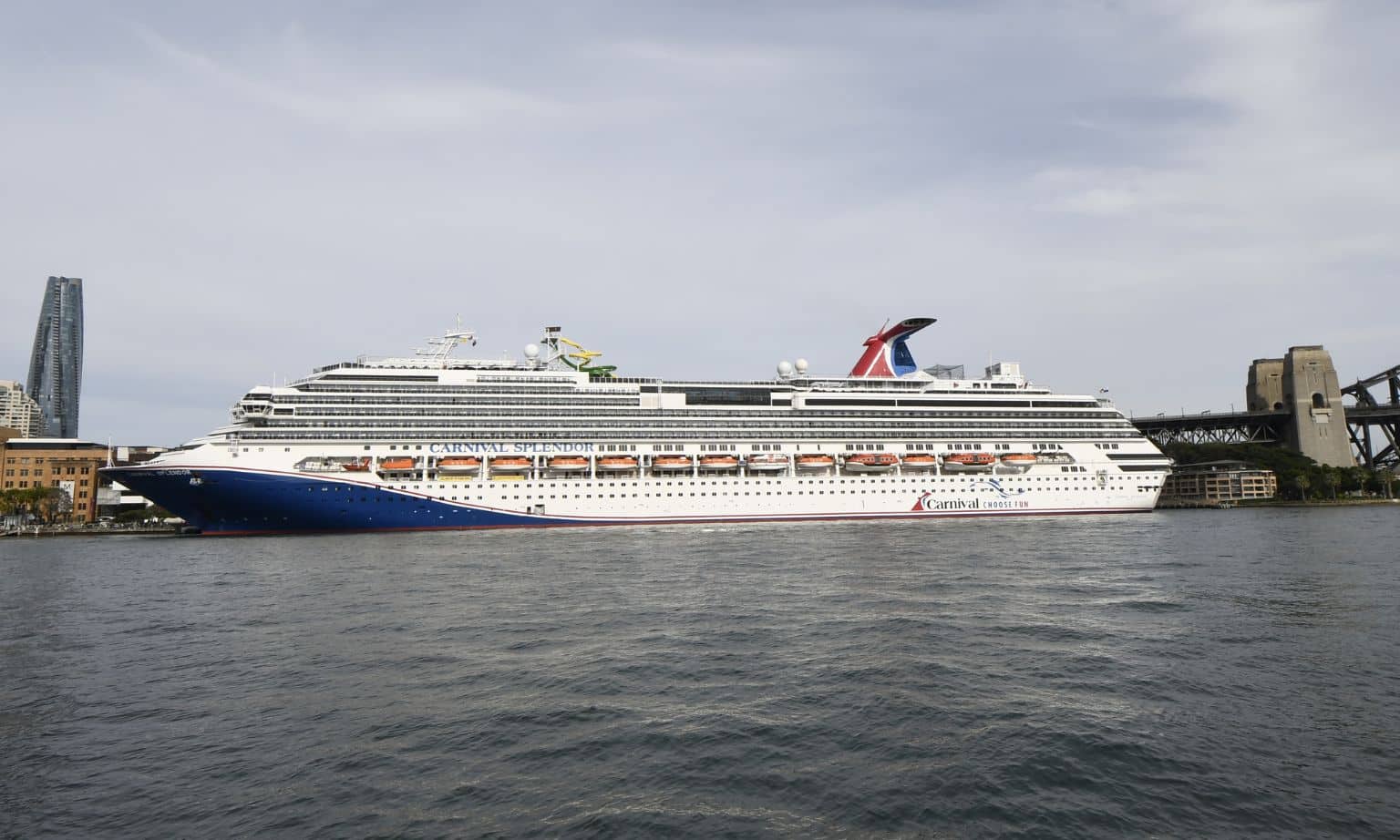
The impact of reduced capacity is becoming increasingly evident. Several factors are contributing to this decline, including the dissolution of P&O Cruises Australia, a reduction in Princess Cruises’ fleet operating in Australian waters (down to two ships from three), the discontinuation of the Queen Elizabeth‘s homeporting in Australia, and the absence of the Disney Wonder for the latter part of the year. These are significant shifts that diminish the available berths and itineraries for both local and international cruise passengers wishing to sail from Australia.
The current scenario presents a paradox: Australia possesses a strong and growing demand for cruise holidays, yet the industry is constrained by limited capacity. This constraint prevents the sector from achieving its full potential, leading to only minimal growth being sustained by cruise lines shortening itineraries and Australians seeking opportunities abroad. The economic fallout of this situation is significant, as the nation misses out on the substantial revenue generated by longer cruises that engage multiple ports and longer stays.
The Economic Argument for Government Intervention
The economic contribution of the cruise industry to Australia is undeniable. CLIA’s figures underscore the sector’s role in generating billions of dollars and creating thousands of jobs across port cities and regional areas. The value chain extends beyond direct cruise expenditure to encompass hospitality, retail, transportation, and local services. When Australians cruise overseas, these economic benefits accrue to other nations, representing a missed opportunity for domestic economic development and job creation.
The call for a national action plan, as articulated by Joel Katz, emphasizes the need for a coordinated approach involving federal, state, and territory governments. Such a plan would aim to address the root causes of Australia’s declining competitiveness as a cruise destination. Key areas for reform likely include streamlining regulatory processes, reducing port costs and operational expenses for cruise lines, and investing in port infrastructure to accommodate larger and more diverse cruise vessels.
The Untapped Potential: A Path Forward
Australia’s cruise narrative is not one of a struggling industry, but rather one of immense untapped potential. The demand is clearly present, and cruise ships that do operate in Australian waters are reportedly sailing full. The bottleneck lies in the capacity to attract and sustain a larger fleet. To unlock this potential, a strategic shift is required.
Attracting more ships to the region is paramount. This could involve incentivizing cruise lines through favorable regulatory environments and competitive pricing, as well as investing in infrastructure. The development of additional cruise terminals, particularly in major hubs like Sydney, and enhancements to regional port facilities throughout Australia would be crucial steps. These improvements would not only accommodate a greater volume of passengers but also facilitate longer and more varied itineraries, thereby maximizing the economic return from each cruise call.
By fostering a more attractive and competitive cruise environment, Australia can transition from merely managing its cruise growth to actively encouraging it. This would translate into more passenger volume, longer sailing seasons, and a significant boost to the national economy. The current situation, where demand outstrips supply and Australians are increasingly looking overseas for their holidays, presents a clear imperative for policy reform and strategic investment in the future of Australian cruise tourism. The opportunity to harness this burgeoning demand and translate it into sustained economic prosperity for Australia is significant, but it hinges on decisive action from government stakeholders to address the current impediments.



 Anjar Salim
 Dwi Wanna
 Budi Mulyono
 Lukman Taruna Persada Ramadan
 Gabriela Annisa