
 Walid Sujud Trenggono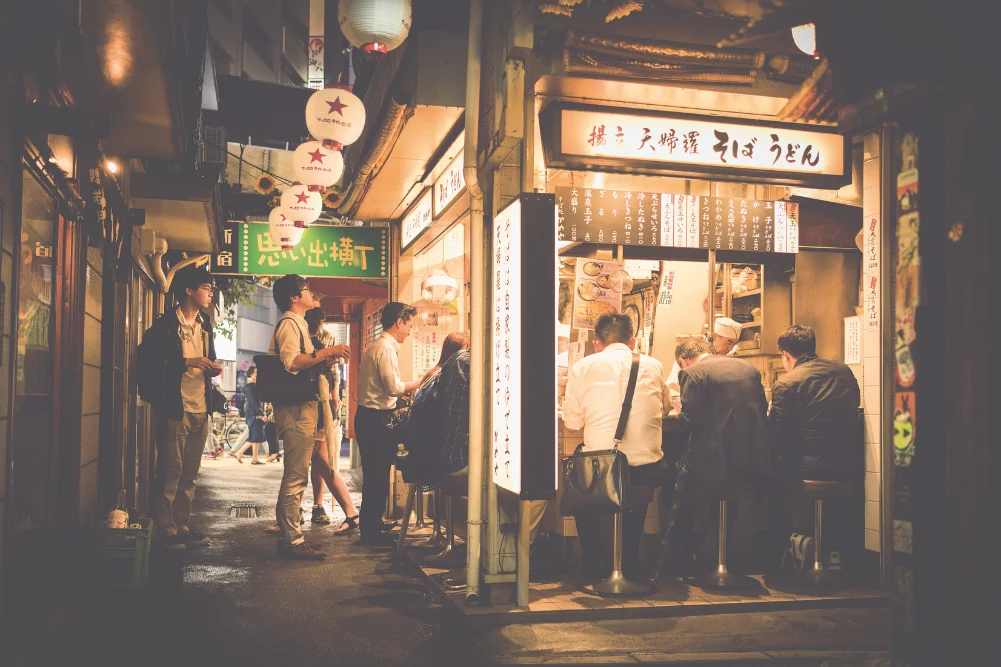
The trajectory of the expatriate experience in East Asia has undergone a significant transformation over the last four decades, moving from the rigid corporate structures of the 1980s to the more fluid, independent exploration seen at the turn of the millennium. By examining the multi-generational journey of a specific expatriate returning to Japan, observers can gain insight into the evolution of international travel, the nuances of Japanese corporate etiquette, and the physical challenges inherent in high-altitude mountaineering on Mount Fuji. This report analyzes the intersection of personal resilience and cultural adaptation through the lens of a traveler navigating Japan’s shifting social and geographical landscapes.
Historical Context: The Expatriate Surge of the 1980s
In the early 1980s, Japan experienced a period of unprecedented economic growth, often referred to as the "bubble economy." During this era, Tokyo became a primary hub for multinational corporations, leading to a surge in Western expatriates. For the children of these professionals, the experience was characterized by "long-haul" lifestyle patterns. International schools in districts such as Minato-ku and Setagaya-ku saw record enrollments, and the culture of the "Third Culture Kid" (TCK)—children raised in a culture other than their parents’—became a subject of sociological study.
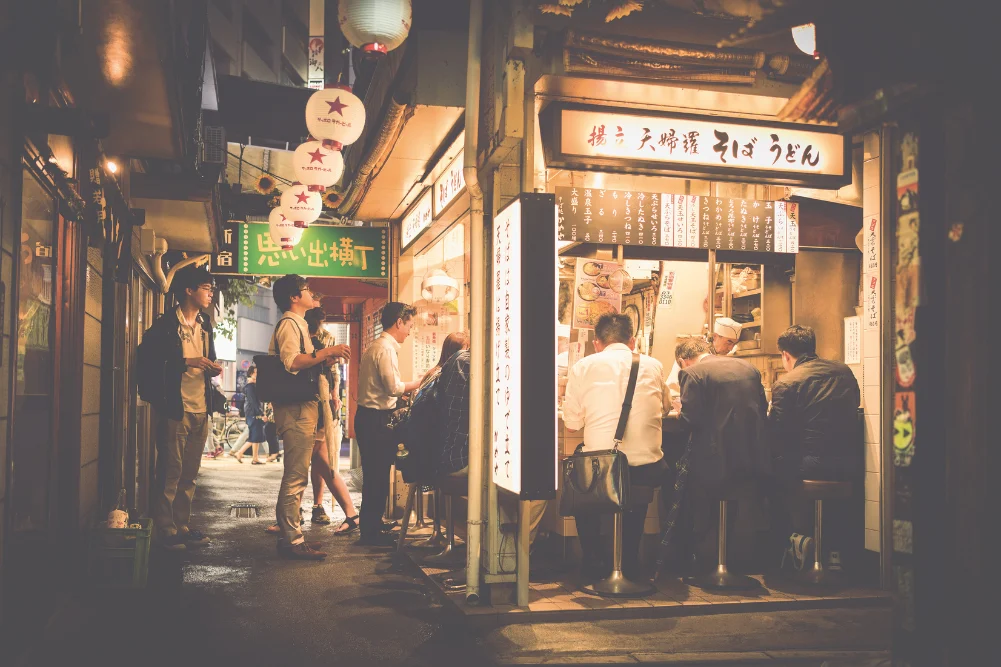
The sensory landscape of Tokyo in 1982 was a blend of rapid modernization and deep-seated tradition. Observers from this period frequently cite the olfactory hallmarks of the city: the charcoal smoke of yakitori street vendors juxtaposed against the sterile, concrete efficiency of a burgeoning financial district. This environment served as a formative training ground for young travelers, instilling a "seedling for a life of adventure" that would later manifest in solo expeditions.
The Evolution of Female Autonomy in International Travel
A critical component of the mid-1990s travel narrative is the shift in gender dynamics regarding solo exploration. Historical data from the mid-19th century indicates that approximately 95 percent of passports were issued to men. During that era, women were largely expected to travel under the protection and passport of a husband or male guardian. While these legal restrictions had largely evaporated by the late 20th century, the social stigma surrounding solo female travel persisted.
By the 1990s, a new generation of women began to challenge these "usual societal principles." For many, obtaining a passport in one’s own name and embarking on a solo international flight was a symbolic "Declaration of Independence." This period saw a rise in educational exchange programs and independent senior projects, allowing young women to test their limits in foreign environments. The psychological impact of these solo ventures often resulted in increased self-reliance and a refined ability to navigate complex bureaucratic systems, such as international customs and immigration.
Cultural Nuance and the ‘Gaijin’ Experience in Corporate Tokyo
As the 1990s progressed into the "Lost Decade"—a period of economic stagnation following the bubble burst—the role of the foreigner in Japan became more nuanced. The term gaijin, composed of the kanji for "outside" (gai) and "person" (jin), remained a central theme in the expatriate experience. While some viewed the label as exclusionary, many long-term residents interpreted it as a factual acknowledgment of the cultural distance inherent in a homogenous society with thousands of years of tradition.
For young professionals interning in Tokyo during the late 90s, the challenge was to move beyond the "Hello Kitty" nostalgia of childhood and into the "real world" of Japanese business. This required a mastery of keigo (honorific language) and an understanding of the rituals of meishi (business card exchange). Key observations from this period include:
- The Depth of Bows: The angle of a bow signifies the level of respect and the relative social standing of the participants.
- The Ritual of Meishi: Business cards are presented with both hands, oriented so the recipient can read them immediately. They are treated as an extension of the person’s identity.
- Saving Face: Negotiation in Japanese corporate settings prioritizes harmony (wa) and the avoidance of public embarrassment.
These cultural protocols served as a "fly on the wall" education for international interns, teaching them to soften their communication styles and observe non-verbal cues—skills that are essential for successful cross-cultural diplomacy.
The Mount Fuji Expedition: Risk Assessment and Safety Protocols
Mount Fuji, or Fuji-san, stands at 3,776 meters (12,389 feet) and is Japan’s highest peak. While it is a popular destination for hikers, its ascent poses significant physical risks, particularly for those who are under-prepared. In the late 1990s, the "one-day climb" became a popular but dangerous trend among tourists.
A critical analysis of mountaineering safety on Mount Fuji reveals several common points of failure:
- Inadequate Gear: Many hikers attempt the climb in standard athletic shoes rather than technical hiking boots, leading to traction issues on the volcanic scree.
- Weather Volatility: The mountain is known for "out of nowhere" winds and rapid temperature drops.
- The Descent: While the ascent is physically taxing, the descent is often where the most injuries occur due to the strain on the knees and the slippery nature of the trail.
The Aokigahara Context: The ‘Forbidden Forest’
A recurring warning given to Fuji climbers concerns the "Forbidden Forest," officially known as Aokigahara, or the "Sea of Trees." Located at the northwest base of the mountain, this 30-square-kilometer forest is dense with hardened lava and thick foliage. It has gained a reputation for several reasons:
- Magnetic Interference: The high iron content in the volcanic soil is known to interfere with traditional compasses.
- Acoustic Isolation: The density of the trees and the porous nature of the lava rock absorb sound, making it easy for hikers to become disoriented and difficult for search parties to locate them.
- Cultural Folklore: Local legends regarding spirits and the forest’s historical association with tragedy have led to its "forbidden" moniker.
Case Study: The 1998 Descent Incident
In a documented instance from the summer of 1998, two hikers—an American law intern and a companion—found themselves in a life-threatening situation during their descent from the summit. Despite initial success in reaching the crater, the pair suffered from "unpreparedness" that is typical of amateur climbers. Their equipment consisted of makeshift layers and cheap plastic rain ponchos, which offered little protection against the gale-force winds at the summit.
As darkness fell, the hikers lost the trail, a situation exacerbated by "untrained knees" and physical exhaustion. The psychological state of the hikers deteriorated into what survival experts call "unravelling," where the fear of being lost in the Aokigahara forest leads to a breakdown in decision-making.
Emergency Response and Local Intervention
The incident concluded when the hikers were located by a local resident near the base of the mountain. This "grace embodied" intervention highlights a significant aspect of Japanese social culture: the willingness of locals to assist foreigners in distress, despite language barriers. The hikers were provided with "steaming hot ramen" and "sweet Coca-Cola"—high-glucose foods essential for recovery from mild hypothermia and physical exhaustion.
This rescue underscores the importance of local knowledge. The resident, referred to in reports as a "kind man with a flashlight," navigated a terrain that the foreign hikers found "impossible" to differentiate. The subsequent return of the hikers via a late-night bus serves as a testament to the efficiency of the Japanese rural transport network, even in the late 90s.
Broader Impact and Implications for Modern Travel
The experiences of expatriates in Japan during the late 20th century provide a roadmap for modern solo travel. The "Forbidden Forest" serves as a potent metaphor for the mental and physical challenges that travelers face when they step outside their "comfort zone."
Key Takeaways for International Travelers:
- Resilience through Discomfort: Growth is often "grafted to a stalk of discomfort." Navigating a foreign language and environment forces an individual to develop "trust in their own path."
- The Value of Intuition: In situations where technical tools (like compasses or cell phones) may fail, sensory awareness and intuition become the primary tools for survival.
- Cultural Humility: Recognizing one’s status as a gaijin or "outsider" allows for a deeper appreciation of the hospitality offered by the host country.
In conclusion, the journey from an expat child in 1982 to a solo climber in the late 90s illustrates the enduring power of the Japanese landscape to test and temper the human spirit. Whether navigating the narrow streets of Tokyo or the treacherous slopes of Mount Fuji, the "needle of the compass" for the successful traveler invariably points toward self-trust and resilience. The "Forbidden Forest" may remain a mystery, but the lessons learned within its proximity continue to inform the principles of modern, independent exploration.



 Anjar Salim
 Chandra Hamzah
 Tatiana Tantri Indah Sari
 Budi Mulyono
 Lukman Taruna Persada Ramadan
