Budi Mulyono
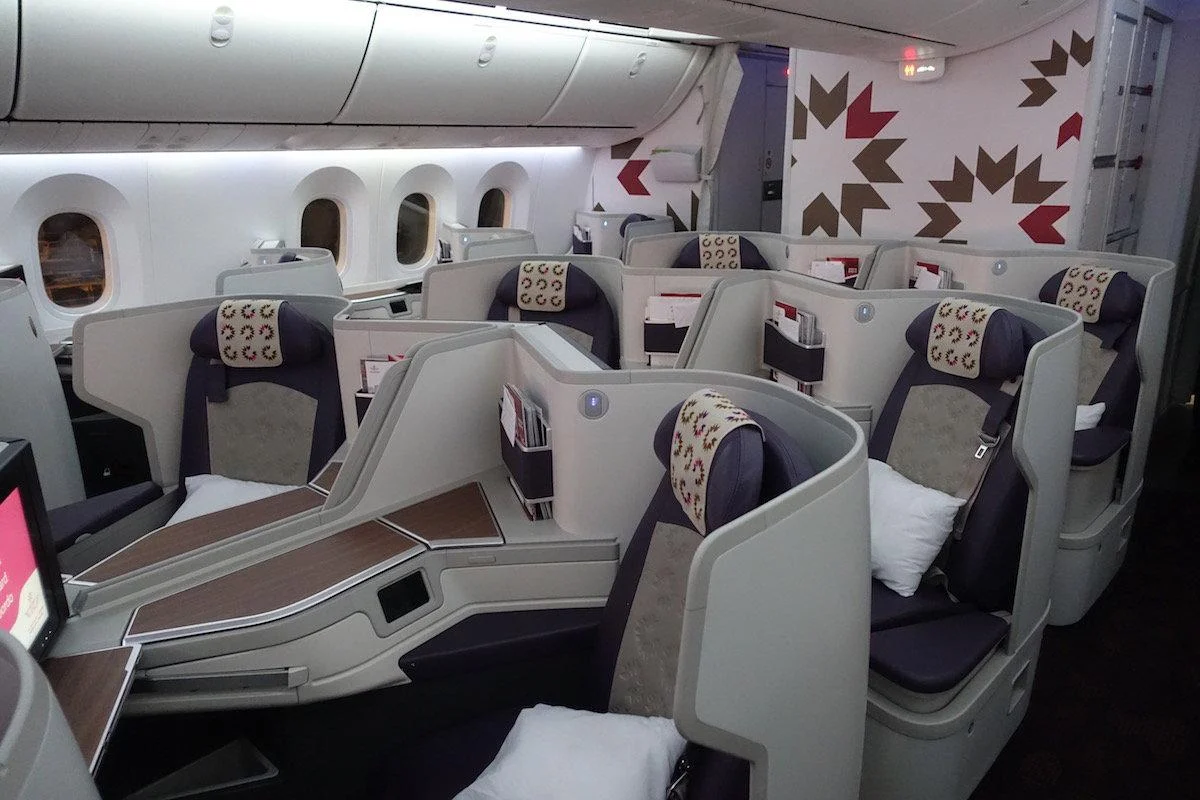
Royal Air Maroc has officially announced a landmark agreement with SpaceX to introduce Starlink high-speed, low-latency broadband internet across a significant portion of its fleet. This strategic development positions the Casablanca-based oneworld alliance member as the pioneering commercial carrier in the African aviation sector to integrate Starlink’s next-generation satellite connectivity. The initiative represents a major leap forward for the airline’s passenger experience, which has historically lacked comprehensive inflight connectivity options.
The implementation phase is scheduled to commence in early 2027. Under the current agreement, Royal Air Maroc plans to equip 41 aircraft with the advanced satellite hardware. While the exact financial figures of the contract have not been publicly disclosed, the partnership highlights a broader industry-wide shift toward high-performance satellite communications, moving away from legacy air-to-ground or older geostationary satellite systems that frequently suffer from bandwidth limitations and high latency.
Fleet Integration and Rollout Strategy
Royal Air Maroc currently operates a diverse mixed fleet of approximately 70 aircraft. The operational lineup includes regional turboprops and jets such as the ATR 72-600 and Embraer E190, alongside mainline narrowbody and widebody aircraft including the Boeing 737-800, Boeing 737 MAX 8, Boeing 787-8 Dreamliner, and Boeing 787-9 Dreamliner.
The selection of 41 aircraft for the initial Starlink rollout covers slightly more than half of the carrier’s total fleet. Industry analysts deduce that the installation program will primarily target the airline’s long-haul and medium-haul backbone—specifically its widebody Boeing 787 Dreamliner fleet and fuel-efficient Boeing 737 MAX 8 aircraft. Incorporating these modern airframes accounts for 32 units, leaving a remaining allocation likely designated for select newer Boeing 737-800 models.
The logistical timeline for completing the installations remains under review. While major global carriers with dedicated technical teams have demonstrated the capacity to retrofit substantial portions of their fleets at a rapid pace—sometimes converting up to 20 aircraft per week—regional carriers typically adopt a more measured deployment schedule. Because Royal Air Maroc’s existing fleet features a baseline configuration with virtually no current inflight Wi-Fi capabilities, this comprehensive retrofit will serve as a transformative infrastructure upgrade for the carrier.
Access and Passenger Benefits
A key highlight of the announcement is the airline’s pricing structure for the new service. Royal Air Maroc has confirmed that Starlink Wi-Fi will be offered completely free of charge to members of its Safar Flyer frequent flyer program. While specific logistical details regarding program verification—such as whether passengers must link their frequent flyer membership at the time of booking or simply maintain an active account—are expected to be clarified closer to the launch date, the complimentary model marks a departure from traditional fee-based airline internet structures.
Starlink’s satellite constellation operates in Low Earth Orbit (LEO), situated significantly closer to the Earth than traditional geostationary satellites. This architectural advantage drastically reduces latency to milliseconds and delivers download speeds capable of supporting high-definition live streaming, multiplayer online gaming, complex cloud-based productivity tasks, and seamless e-commerce transactions. Furthermore, the connectivity will be accessible on a gate-to-gate basis, allowing passengers to maintain continuous online access from the moment they board the aircraft until they deplane at their destination.
Corporate Vision and Strategic Ambitions
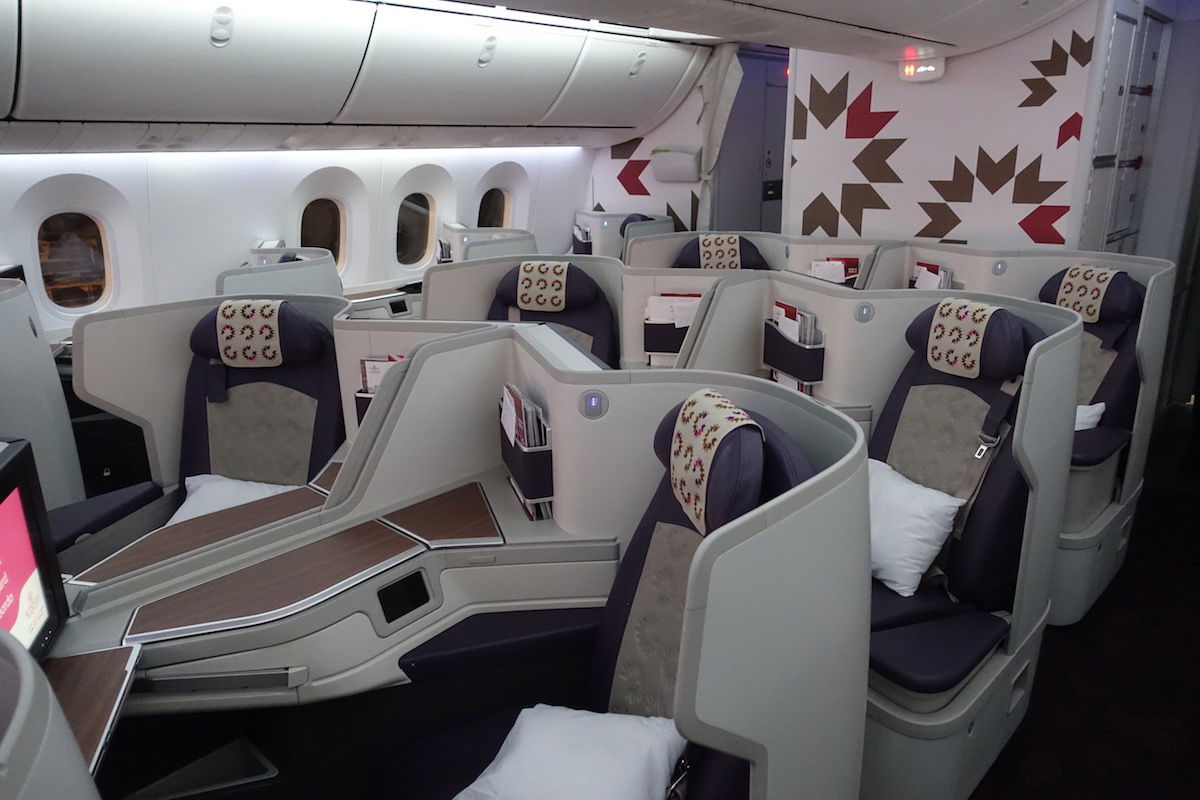
Addressing the strategic significance of the agreement, Royal Air Maroc Chief Executive Officer Hamid Addou emphasized the company’s long-term objectives for international competitiveness. "This agreement reflects a clear ambition: to offer our passengers a travel experience that meets the highest international standards," Addou stated following the announcement.
The move aligns with the airline’s broader strategy to elevate its market position within the oneworld alliance, which it officially joined in 2020. By introducing cutting-edge connectivity before any of its regional competitors, Royal Air Maroc aims to bridge the technological gap with major European, Middle Eastern, and North American carriers that have progressively made high-speed internet a standard amenity in premium and economy cabins alike.
Broader Industry Context and the Evolution of Inflight Connectivity
The integration of Starlink into commercial aviation has accelerated rapidly over recent years. Numerous major international airlines have signed agreements with SpaceX to overhaul their connectivity offerings, driven by rising consumer demand for robust digital access at 35,000 feet. Airlines that have adopted or committed to Starlink report marked improvements in passenger satisfaction metrics, as modern travelers increasingly view reliable internet access as an essential utility rather than a luxury amenity.
For the African aviation market, Royal Air Maroc’s announcement serves as a potential catalyst. Historically, infrastructure development and technology adoption across African carriers have faced distinct financial and logistical hurdles, resulting in slower deployment cycles for advanced cabin amenities. By taking the initiative to secure a partnership with a market-leading technology provider, Royal Air Maroc sets a new benchmark for the continent’s commercial aviation sector.
Financial and Operational Implications
From an operational standpoint, retrofitting 41 aircraft requires precise maintenance planning to minimize aircraft downtime and revenue loss. The phased rollout beginning in early 2027 provides the airline’s engineering and maintenance divisions with adequate lead time to secure regulatory approvals from aviation authorities, including the Moroccan Directorate General of Civil Aviation (DGCA) and relevant international airworthiness bodies.
While Royal Air Maroc has maintained a relatively conservative approach to fleet expansion and cabin retrofits compared to some rapidly growing Middle Eastern or Asian competitors—many of which are simultaneously executing full-cabin restyling programs—this targeted investment in connectivity demonstrates a pragmatic capital allocation strategy. Rather than committing extensive capital to full interior overhauls across its entire fleet, the carrier is addressing a high-impact pain point for modern travelers by directly resolving the absence of inflight internet access.
Conclusion and Future Outlook
As the aviation industry looks toward 2027, the execution of Royal Air Maroc’s Starlink integration will be closely monitored by regional peers and global industry analysts. The successful deployment of high-speed, complimentary gate-to-gate Wi-Fi for Safar Flyer members is poised to redefine passenger expectations across African air travel routes. By establishing this technological foundation, Royal Air Maroc not only enhances its immediate competitive standing within the oneworld alliance but also lays the groundwork for future digital modernization initiatives across its network.



 Gabriela Annisa

 Lukman Taruna Persada Ramadan

 Tatiana Tantri Indah Sari

 Anjar Salim