
 Budi Mulyono
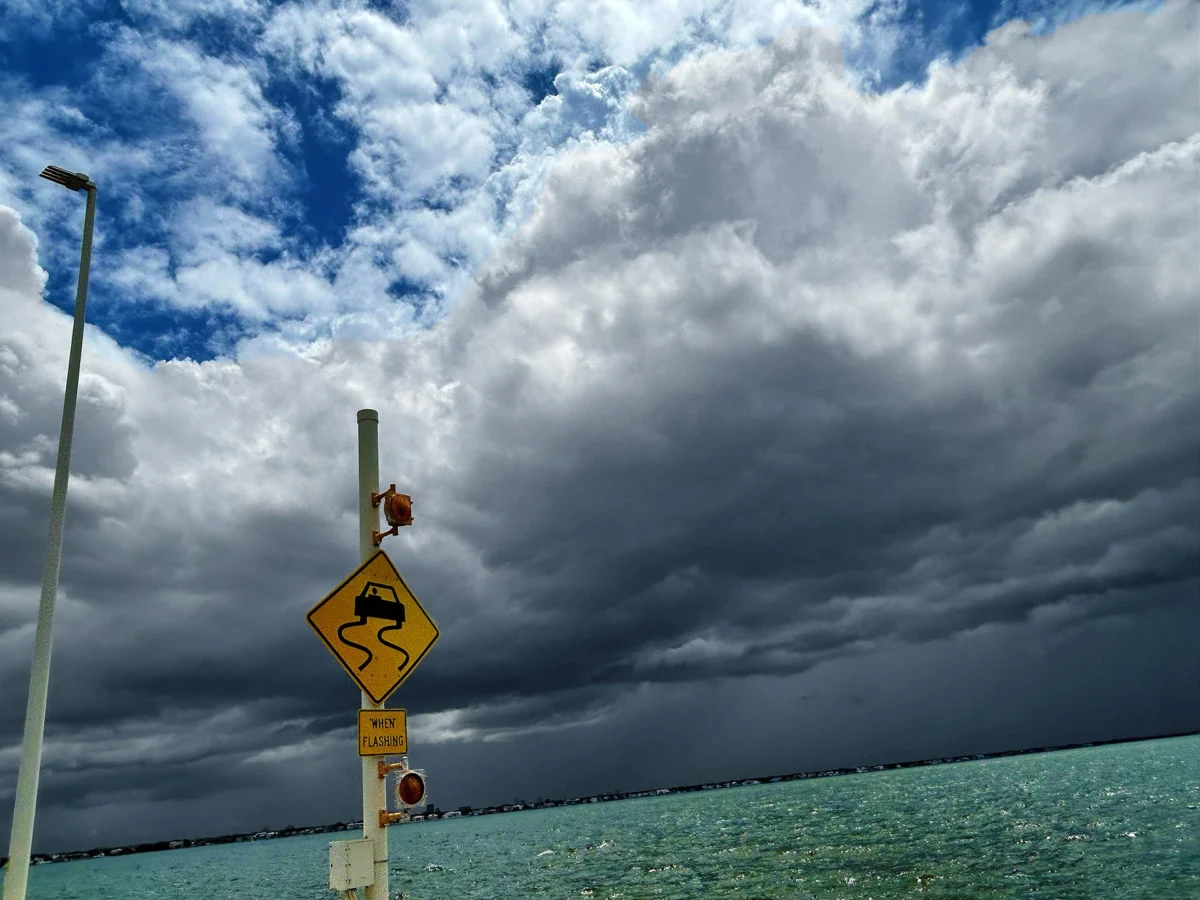
The United States Gulf Coast is bracing for severe weather as Tropical Storm Isaias tracks north-northeast, prompting widespread travel disruptions, localized warnings, and proactive airline advisories ahead of an anticipated hurricane landfall. Meteorologists and emergency management officials are urging residents and travelers alike to closely monitor the storm’s progression, with forecasts indicating that the system will intensify into a hurricane before striking the coast between southern Alabama and the western panhandle of Florida by the evening of Friday, October 9, 2026.
Current meteorological data places Tropical Storm Isaias approximately 480 miles south-southwest of the mouth of the Mississippi River. The system is currently sustaining maximum winds of 65 miles per hour and is progressing in an east-northeasterly direction at a forward speed of eight miles per hour. While these metrics currently classify Isaias as a strong tropical storm, favorable atmospheric conditions and warm sea surface temperatures over the Gulf of Mexico are expected to fuel its intensification into a full-fledged hurricane prior to landfall.
The impending severe weather has triggered a cascade of watches and warnings across the central Gulf Coast. Forecasters emphasize that the hazards associated with Isaias extend well beyond wind speeds. The region faces a significant threat of torrential rainfall, with precipitation totals projected to reach up to ten inches in localized areas. Such intense downpours carry a high probability of triggering life-threatening flash floods across low-lying areas and urban centers along the central Gulf Coast. Furthermore, coastal communities are bracing for a potential storm surge of up to seven feet, which could cause significant coastal flooding and property damage in vulnerable zones.
In addition to heavy rain and storm surge, regional authorities have issued warnings regarding rough surf, powerful rip currents, and strong gusty winds impacting coastal areas. Conditions are also expected to become favorable for the formation of isolated tornadoes as the outer bands of the storm move ashore.
Chronology and Storm Progression
The trajectory of Tropical Storm Isaias marks another notable event in the 2026 Atlantic hurricane season. The system’s current movement began days ago in the central Caribbean before tracking into the warm waters of the Gulf of Mexico.

By Wednesday, October 7, 2026, the storm’s organization improved significantly, prompting forecasters at the National Hurricane Center (NHC) of the National Oceanic and Atmospheric Administration (NOAA) to issue initial advisories for the Gulf Coast. Over the next 48 hours, Isaias is expected to steadily consolidate its structure.
Landfall is projected to occur late Friday, October 9, 2026, targeting the geographic corridor stretching from southern Alabama to the western panhandle of Florida. Following landfall, the storm is expected to undergo a weakening trend as it interacts with land, eventually being downgraded to a tropical depression. However, the remnants of the system will not dissipate immediately. Meteorological models indicate that the post-tropical system will push inland, dumping heavy rain across eastern Louisiana, western Georgia, and stretching as far north as southern Indiana through the weekend.
Impact on Regional Transportation and Aviation
The transportation sector is already feeling the preliminary impacts of the approaching storm. Airports, airlines, and highway transit authorities across the central Gulf Coast have initiated contingency plans to manage anticipated disruptions.
Travelers with itineraries involving destinations between eastern Louisiana and the western panhandle of Florida should anticipate rolling flight delays, diversions, and outright cancellations beginning Thursday, October 8. Commercial aviation operations are particularly vulnerable to high crosswinds, severe turbulence, and reduced visibility associated with the storm’s outer bands.
Major domestic carriers have begun responding to the forecasts by implementing flexible travel policies. At least five major airlines have issued official travel waivers, allowing passengers scheduled to fly through affected regional airports to change their travel dates without incurring standard change fees or fare differences, provided they adhere to specific airline guidelines. Industry analysts anticipate that additional carriers will issue similar waivers as the storm’s track becomes more defined and the footprint of affected airports expands.
Travelers are strongly advised to verify their flight statuses directly with their respective transportation providers before heading to the airport. For those opting to travel by automobile, state departments of transportation in Alabama, Florida, Mississippi, and Louisiana urge drivers to exercise extreme caution. Wet roads, reduced visibility, localized standing water, and potential power outages affecting traffic signals pose significant hazards to motorists navigating the region over the coming days.

Broader Economic and Logistical Implications
The timing of Tropical Storm Isaias presents notable logistical challenges for commerce and supply chains operating within the Gulf Coast corridor. Major shipping lanes, commercial ports, and energy infrastructure situated along the central Gulf Coast are monitoring the system closely. Port authorities may implement restrictions or temporary closures depending on the severity of the projected storm surge and sustained wind thresholds.
Energy operations in the Gulf of Mexico, while accustomed to seasonal tropical activity, routinely evaluate production platforms and logistical support bases when storms threaten the coastline. Although widespread preemptive evacuations of offshore personnel are managed continuously by energy firms, any slowdown in refining or distribution capabilities can create temporary ripples in regional fuel markets.
Emergency management agencies across the threatened zones have activated regional operations centers to coordinate potential evacuations, stage rescue equipment, and prepare shelters. Local officials stress that residents and visitors in low-lying coastal areas should heed local evacuation orders and finalize their emergency preparations immediately.
Outlook and Best Practices for Impactful Travel
As Tropical Storm Isaias barrels toward the Gulf Coast, the overarching recommendation from aviation authorities, meteorologists, and travel experts is to postpone non-essential travel to the affected region through the weekend. For individuals whose travel is unavoidable, flexibility and continuous monitoring of real-time weather updates are paramount.
Passengers holding tickets for flights touching the Gulf Coast should consult their airline’s official website to determine eligibility for fee waivers and rebooking options. By taking proactive measures, travelers can mitigate the stress and logistical complications associated with severe seasonal weather events. Industry observers note that while travel disruptions are inevitable during significant meteorological events, modern forecasting tools allow travelers and transportation providers to coordinate responses more efficiently than ever before.




 Gabriela Annisa

 Lukman Taruna Persada Ramadan

 Tatiana Tantri Indah Sari

 Anjar Salim


 Dwi Wanna
