
 Tatiana Tantri Indah Sari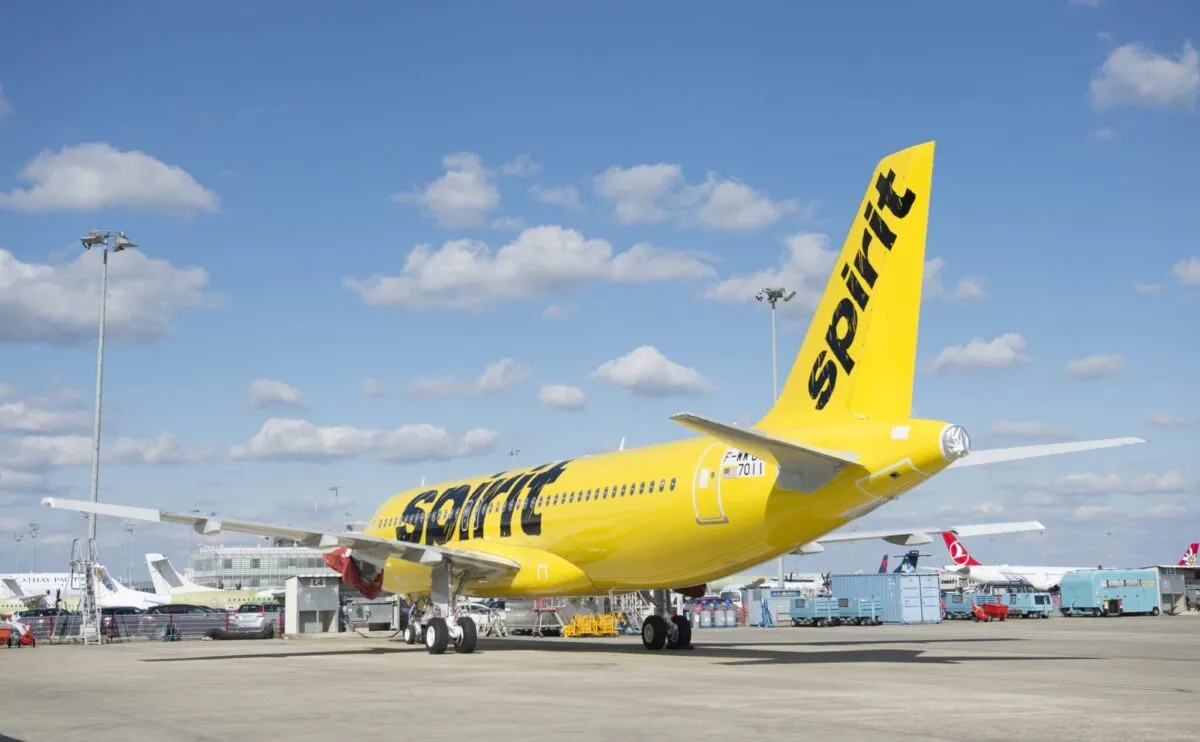
Spirit Airlines, a prominent ultra-low-cost carrier, is reportedly preparing to cease all flight operations following the collapse of crucial negotiations for a government bailout, according to a report from The Wall Street Journal, citing sources familiar with the sensitive discussions. The impending shutdown, which could dramatically alter the landscape of affordable air travel, is anticipated to occur as early as 3 a.m. ET on Saturday. This critical development was corroborated by a newsletter disseminated to members of the airline’s flight attendants’ union on Friday, confirming the carrier’s plan to halt operations at the specified time. The union’s communication further indicated that Spirit management would be accessible to address employee questions and concerns in the weeks following the cessation of service, underscoring the profound impact on its workforce. A spokesperson for Spirit Airlines, when approached for comment, stated that the airline was operating as normal and declined to elaborate on ongoing discussions with its bondholders, maintaining a cautious official stance amidst the unfolding crisis.
The Looming Crisis and Failed Bailout Attempts
The reported decision to cease operations marks a culmination of weeks of intensive efforts by Spirit Airlines to secure financial assistance from the U.S. government, specifically the Trump administration. Throughout the preceding months, the airline had been actively pitching for a bailout package, arguing for its essential role in providing affordable air travel and its significant contribution to employment within the aviation sector. These pleas were part of a broader industry-wide scramble for federal aid in the face of unprecedented challenges, primarily stemming from the severe downturn in travel demand triggered by the global health crisis that began earlier in the year. The aviation sector, particularly airlines, found itself on the front lines of the economic fallout, with passenger volumes plummeting by as much as 95% at the peak of restrictions.
Spirit Airlines, known for its "unbundled" fare model, which offers extremely low base fares supplemented by charges for amenities like baggage, seat selection, and even bottled water, had carved out a distinct niche in the highly competitive U.S. market. However, this model, heavily reliant on high load factors and rapid aircraft utilization, proved particularly vulnerable to the sudden and sustained drop in passenger traffic. Unlike some legacy carriers with more diversified revenue streams or stronger balance sheets, Spirit’s financial fragility was exacerbated by its specific operational structure and existing debt obligations. The airline had reportedly been grappling with mounting losses, dwindling liquidity, and the challenge of servicing its substantial bondholder debt, making a federal intervention seem increasingly vital for its survival.
A Chronology of Decline and Desperation
The trajectory leading to this critical juncture can be traced through several key events and indicators.
Early 2020: The Onset of the Pandemic: As the global health crisis escalated in March 2020, domestic and international travel demand collapsed almost overnight. Spirit, like all airlines, saw its bookings evaporate and cancellations surge. Unlike full-service carriers which could pivot to cargo operations to some extent, Spirit’s all-passenger narrow-body fleet offered little flexibility.
March-April 2020: Industry-Wide Aid Discussions: The U.S. government, recognizing the systemic importance of the aviation industry, began formulating relief packages. The CARES Act, signed into law in late March, allocated $50 billion to passenger airlines, split between payroll support grants and loans. However, these funds came with stringent conditions, including prohibitions on involuntary furloughs and limits on executive compensation. While many major carriers received substantial portions of this aid, the specifics of Spirit’s eligibility and the terms it sought or was offered remain subject to scrutiny.
Mid-2020: Mounting Losses and Debt Pressure: Throughout the second and third quarters of 2020, Spirit Airlines reported significant net losses, a stark reversal from its previously profitable operations. Its cash burn rate became a critical concern, indicating how quickly the airline was depleting its reserves without sufficient revenue. Analysts began downgrading Spirit’s financial outlook, citing its elevated leverage and the uncertainty surrounding its recovery prospects compared to more resilient competitors. Discussions with bondholders, hinted at by the airline’s spokesperson, likely centered on restructuring debt to provide immediate relief and improve liquidity, but these discussions evidently did not yield a sustainable solution in isolation.
Late 2020: Intensive Lobbying for a Targeted Bailout: As the initial CARES Act funds proved insufficient for some carriers, or as the conditions became untenable, Spirit intensified its lobbying efforts for a more direct, tailored bailout package from the Trump administration. Reports suggest these discussions involved high-level officials, including those from the Treasury Department and the White House. The airline’s argument focused on its unique position as a low-cost option serving price-sensitive travelers and its role in maintaining competitive fares across the industry. The failure of these talks, despite the intense advocacy, suggests either an unwillingness of the government to provide further unconditional aid or Spirit’s inability to meet specific criteria for additional support, which may have included a viable long-term recovery plan.
Friday, [Date inferred from "Friday" in snippet]: Union Confirmation and Imminent Shutdown: The formal notification to flight attendants by the Association of Flight Attendants-CWA (AFA) on Friday serves as the most concrete internal confirmation of the impending shutdown. The newsletter, a critical piece of communication during such an uncertain time, specified the 3 a.m. ET Saturday deadline, leaving little time for last-minute reprieves or alternative arrangements. The union’s commitment to supporting its members in the coming weeks also highlights the immediate focus on employee welfare amidst the corporate collapse.
Impact on Employees, Passengers, and the Industry
The cessation of Spirit Airlines’ operations will have profound and immediate repercussions across multiple fronts.
For Employees: The most direct and devastating impact will be felt by Spirit’s thousands of employees, including pilots, flight attendants, mechanics, ground staff, and administrative personnel. The AFA represents approximately 4,000 Spirit flight attendants, and the airline’s total workforce is estimated to be around 10,000 to 12,000 individuals. These employees now face sudden job loss, severance uncertainty, and the daunting task of finding new employment in an aviation industry that itself has been significantly downsized. While some employees may find opportunities with other carriers as the industry eventually recovers, the immediate future is bleak. The union’s promise of management availability in the coming weeks will be crucial for employees seeking clarity on benefits, final paychecks, and potential outplacement services.
For Passengers: Spirit Airlines served a vast network of destinations across the U.S., Latin America, and the Caribbean, with a focus on leisure travelers. Thousands of passengers holding tickets for flights scheduled from Saturday morning onwards will be stranded, their travel plans disrupted, and their funds in jeopardy. The airline’s typical passenger demographic, often budget-conscious, may find themselves particularly vulnerable to the sudden need for expensive last-minute rebookings on other carriers. While airlines are generally obligated to provide refunds for canceled flights, the process can be slow and complicated, especially in cases of bankruptcy or cessation of operations. The abrupt nature of the shutdown will create significant logistical challenges at airports where Spirit had a substantial presence, such as Fort Lauderdale, Orlando, and Las Vegas, as staff and resources scramble to manage the fallout.
For the Aviation Industry: Spirit’s departure will inevitably lead to a reduction in competition, particularly in the ultra-low-cost segment. While other ULCCs like Allegiant Air and Frontier Airlines operate, Spirit had a distinct route network and market presence. Its absence could potentially lead to slight fare increases on routes it previously dominated, especially those connecting smaller or secondary airports. Other airlines might quickly move to absorb some of Spirit’s most profitable routes, leading to a realignment of market share. The shutdown also sends a chilling message about the ongoing fragility of the airline industry, even with initial government support. It underscores the severity of the crisis and the fact that not all carriers may survive, regardless of their business model or previous successes. This event will likely prompt renewed scrutiny of government bailout policies and the criteria for disbursing aid, potentially influencing future interventions.
Financial Context and Broader Implications
Spirit Airlines operated a fleet primarily composed of Airbus A320 family aircraft, known for their efficiency in high-frequency, short-to-medium-haul operations. Prior to the pandemic, Spirit had been on an aggressive growth trajectory, expanding its fleet and route network to capture a larger share of the leisure travel market. In 2019, the airline reported robust revenues exceeding $3.8 billion and a net income of $336.5 million, serving over 34 million passengers. Its operating margin, while lower than some legacy carriers, was healthy for its segment. However, the subsequent economic shock decimated these figures. For instance, in the second quarter of 2020, Spirit reported a net loss of $144.4 million, a drastic reversal from a $117.3 million profit in the same period of 2019, with revenue plunging by 86% year-over-year.
The failure to secure additional federal funding suggests that Spirit’s financial projections and proposed recovery plans may not have met the stringent requirements or political will of the Trump administration, which had already committed billions to the industry. The government’s focus was likely on preserving core aviation infrastructure and employment, but also on ensuring the viability and long-term solvency of the recipients. It is plausible that Spirit’s specific debt structure, operational costs, or the perceived market redundancy in its routes (where other carriers could easily step in) played a role in the denial of further aid.
The collapse of Spirit Airlines could also accelerate the trend towards consolidation in the U.S. airline market. While its immediate assets, such as aircraft leases and airport gate slots, will likely be absorbed by other carriers or lessors, the brand itself, and the unique competitive pressure it exerted, will vanish. This event serves as a stark reminder of the economic pressures facing businesses that are heavily capital-intensive and susceptible to external shocks. It highlights the delicate balance between government intervention, free-market principles, and the imperative to protect jobs and maintain essential services during times of crisis. As the aviation industry slowly navigates its path to recovery, the unexpected demise of Spirit Airlines will undoubtedly be studied as a case example of the brutal realities of operating in a highly volatile global economic environment.




 Anjar Salim
 Chandra Hamzah
 Budi Mulyono
 Lukman Taruna Persada Ramadan
