
 Anjar Salim
The intersection of extreme sports and mainstream acoustic pop finds a definitive historical record in the upcoming documentary SURFILMUSIC, a project that chronicles the multi-decade journey of Jack Johnson. Set to headline the Outside Days film lineup in Denver from May 29–31, 2026, the film serves as both a retrospective of the surfing subculture of the late 1990s and an intimate portrait of a musician who inadvertently redefined the "surf-rock" genre. While Johnson is globally recognized for multi-platinum albums and a mellow, folk-inflected sound, SURFILMUSIC redirects the public’s attention to his roots as a filmmaker and a high-performance surfer on Oahu’s North Shore. The documentary, directed by Grammy-winner Emmett Malloy, utilizes a vast archive of 16mm film and personal artifacts to explore the creative risks and friendships that facilitated Johnson’s transition from a behind-the-lens documentarian to a stadium-filling artist.
The Genesis of a Multimedia Career
The narrative of SURFILMUSIC begins in the domestic setting of Johnson’s North Shore home, where he and his wife, Kim, began the process of archiving 25 years of personal history. The project was initially conceived as a technical restoration of two seminal surf films: Thicker Than Water (1999) and September Sessions (2000). These films, shot primarily on 16mm stock, are considered cornerstone texts in surf cinematography, departing from the high-octane, punk-rock-fueled edits prevalent in the 1990s in favor of a more contemplative, atmospheric aesthetic.
Emmett Malloy, who collaborated with Johnson and his cousin Chris Malloy on the original productions, noted that the physical film canisters had been preserved for decades as a "badge of honor." The decision to evolve the restoration project into a feature-length documentary was prompted by the sheer volume of supplementary material discovered during the digitizing process. This included Super 8 footage of Johnson’s infancy, early 1990s surf competition reels, and extensive journals kept by Chris Malloy. The resulting film functions as a "lens into an evolution," tracing how the rhythmic nature of the ocean influenced Johnson’s early "acoustic noodlings" that would eventually become global hits like "Banana Pancakes" and "Better Together."

Chronology of Pivotal Moments: 1992–2026
To understand the trajectory presented in SURFILMUSIC, it is necessary to examine the specific timeline of Johnson’s life, which is marked by high-stakes athleticism and unforeseen physical setbacks.
- 1992: The Pipeline Masters Debut – At age 17, Johnson became the youngest invitee to the Pipeline Masters, one of the most prestigious and dangerous surfing competitions in the world. Competing against legends like Gerry Lopez, Johnson established his credentials as a serious athlete rather than a hobbyist.
- 1993: The Traumatic Injury – Shortly after his competitive breakthrough, Johnson suffered a near-fatal accident at Pipeline. The collision with the shallow reef resulted in over 100 stitches in his forehead and the loss of several teeth. This period of forced convalescence is cited in the film as a primary catalyst for his musical development. Unable to enter the water, Johnson turned to the guitar as his primary creative outlet, leading to the composition of "Drink the Water," a track that reflects on the violence of the ocean.
- 1999–2000: The Filmmaking Era – After studying film at the University of California, Santa Barbara, Johnson collaborated with the Malloy brothers to produce Thicker Than Water. The film won Surfer magazine’s "Video of the Year" and signaled a shift in surf culture toward travel, camaraderie, and artistic expression.
- 2001–2025: Global Stardom – The success of the soundtracks for his surf films led to the release of Brushfire Fairytales (2001). Over the next two decades, Johnson would sell over 25 million albums worldwide, while remaining largely anchored in the North Shore community.
- 2026: Full Circle – At age 50, Johnson achieved a lifelong goal by appearing on the cover of SURFER magazine, timed with the release of SURFILMUSIC and its accompanying soundtrack.
Supporting Data and Cultural Context
The 1990s North Shore scene, often referred to as the "Momentum Generation," represented a paradigm shift in professional surfing. Industry data from that era shows a transition from traditional corporate-sponsored competitions to athlete-driven media production. Johnson was a peripheral yet essential member of this cohort, which included 11-time world champion Kelly Slater, Rob Machado, and Shane Dorian.
While his peers focused on the competitive circuit, Johnson’s contribution was the documentation of the lifestyle. Thicker Than Water was produced on a negligible budget with no official sponsors, yet it became one of the highest-selling surf videos of the analog era. The documentary SURFILMUSIC highlights the technical challenges of this period, emphasizing the "analog nostalgia" of the late 20th century. This includes the use of Bolex cameras, the physical mailing of postcards from remote locations like Indonesia and Ireland, and the reliance on listening stations at retailers like Tower Records to discover new music.
Collaborative Dynamics and Professional Reactions
A recurring theme in the documentary is the role of mentorship and collaboration. In a revealing segment, Kelly Slater is identified as the first person to encourage Johnson to sing his own lyrics. Slater, a musician in his own right, would leave his four-track recorder at Johnson’s house, providing the hardware necessary for Johnson’s early demos.

Industry veterans interviewed for the film, including Ben Harper and G Love, describe Johnson’s entry into the music industry as a breath of fresh air. Ben Harper observes that the "intensity" Johnson applied to charging massive waves was present in his music, but it was delivered with a "deceptive ease." This ease helped Johnson bridge the gap between the insular world of surfing and the broader public.
The documentary also features contemporary collaborators, most notably the Swiss-Ecuadorian instrumental duo Hermanos Gutiérrez. The brothers collaborated with Johnson on the 17-track SURFILMUSIC soundtrack, recorded at Johnson’s Mango Tree Studio. This collaboration underscores Johnson’s continued influence on younger generations of musicians who grew up listening to his work.
Broader Impact and Industry Implications
The release of SURFILMUSIC and its dual-album soundtrack (including a collection of original 4-track demos) suggests a broader trend in the entertainment industry: the "heritage documentary" as a tool for brand preservation. By revisiting his roots, Johnson is not merely engaging in nostalgia; he is reinforcing the authenticity of his brand in an era of highly manufactured celebrity personas.
Furthermore, the film addresses the somber realities of the North Shore community. A significant portion of the documentary is dedicated to the late Tamayo Perry, a renowned surfer and lifeguard who was a close friend of Johnson. The new track "Hold Onto the Light" was inspired by archival footage of Perry discovered during the film’s production. This inclusion highlights the documentary’s role as a communal archive, preserving the memory of figures who shaped the culture but may not have achieved Johnson’s level of global fame.
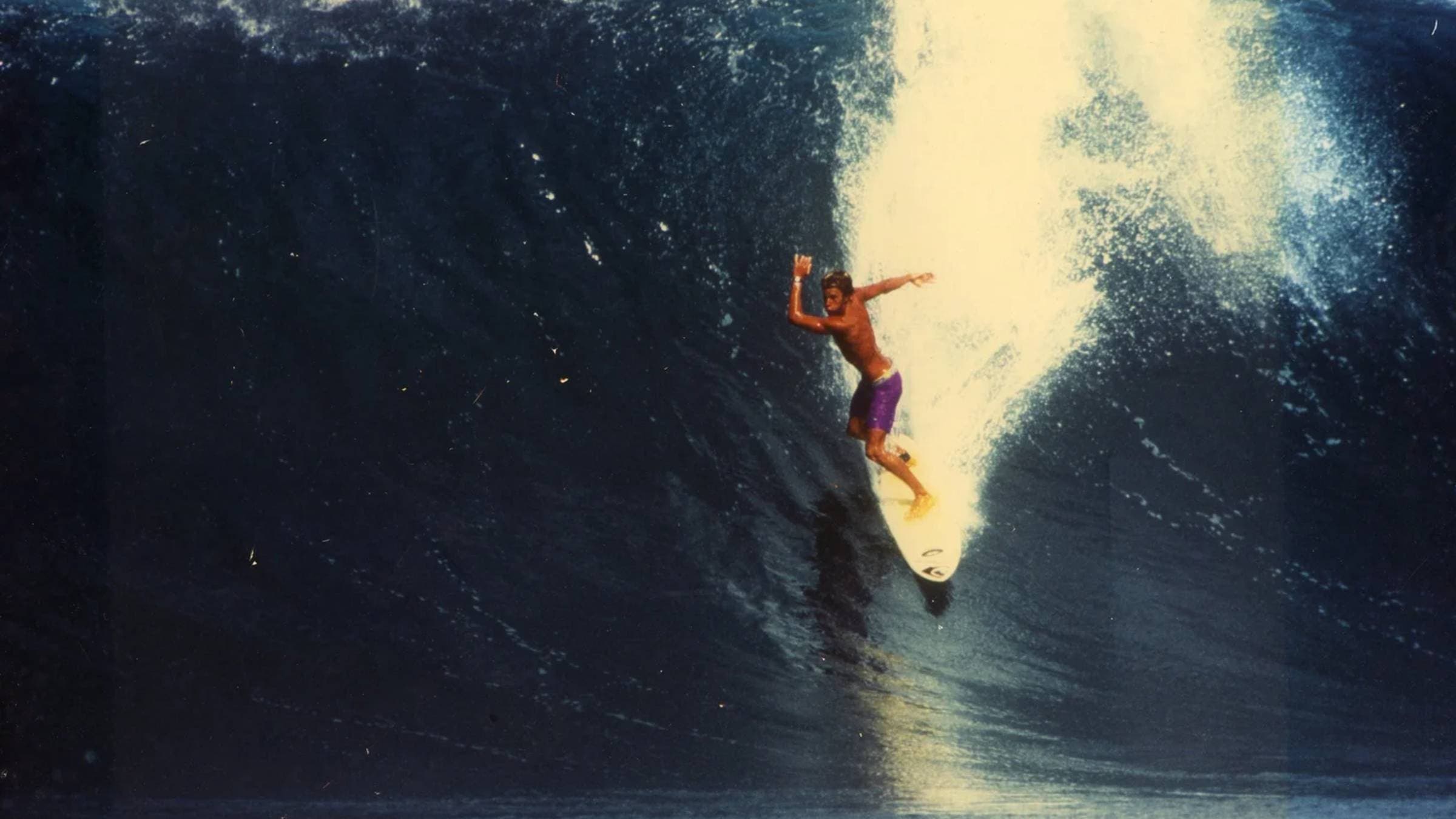
From a technical standpoint, the restoration of the 16mm footage used in SURFILMUSIC represents a significant archival achievement. Film historians note that much of the surf media from the 1990s was shot on volatile or low-quality formats; the Malloy brothers’ commitment to 16mm has allowed for a high-definition digital transfer that maintains the "warmth" and "grain" of the original era.
Analysis of the "Mr. Casual" Persona
One of the documentary’s most insightful segments challenges the "Mr. Casual" label that has followed Johnson throughout his career. While his music is synonymous with relaxation, his surfing career at Pipeline required a high degree of competitiveness and physical bravery. Emmett Malloy characterizes Johnson as "unsuspectingly competitive," noting that the same drive required to navigate a heavy barrel at Pipeline is what fueled his meticulous approach to filmmaking and songwriting.
This duality is central to the film’s narrative. It posits that Johnson’s success is not a product of luck or a "laid-back" attitude, but rather a disciplined application of his creative interests. The transition from athlete to artist was a calculated risk, supported by a tight-knit community of friends who prioritized collective experience over individual accolades.
Conclusion
SURFILMUSIC is more than a concert film or a traditional biography; it is a sociological study of a specific time and place that produced one of the 21st century’s most recognizable voices. As it premieres at the Outside Days festival, the film offers a definitive account of how the rhythms of the North Shore were translated into a musical language that resonated across the globe. By focusing on the "through line" of surfing, the documentary provides a framework for understanding Johnson’s career not as a series of disparate phases, but as a continuous creative process shaped by the ocean, the camera, and the guitar. For fans and cultural historians alike, the film serves as a reminder of the power of analog experiences in an increasingly digital world.




 Chandra Hamzah
 Tatiana Tantri Indah Sari
 Budi Mulyono
 Lukman Taruna Persada Ramadan